That sudden, sharp sensation—the one where your abdomen feels like an overinflated balloon—is universally frustrating. Did you know that 10–25% of healthy adults report frequent bloating, often tied to trapped gas or slow digestion? When acute abdominal distension hits, the need for immediate bloating relief is urgent. Fortunately, many effective, science-backed techniques can help you get rid of bloating fast—often within minutes—using simple movements and powerful natural compounds. Let’s dive into the quickest solutions.
Understanding Acute Abdominal Distension and Gas Dynamics
Before we can fix the bloat, we need to understand exactly what’s causing the discomfort. Bloating isn’t just “feeling full”; it’s the physical swelling caused by excess gas or air trapped in the gut, often due to impaired motility. Understanding the dynamics of that trapped gas allows us to use targeted interventions for truly immediate bloating relief.
The Difference Between Bloating and True Swelling
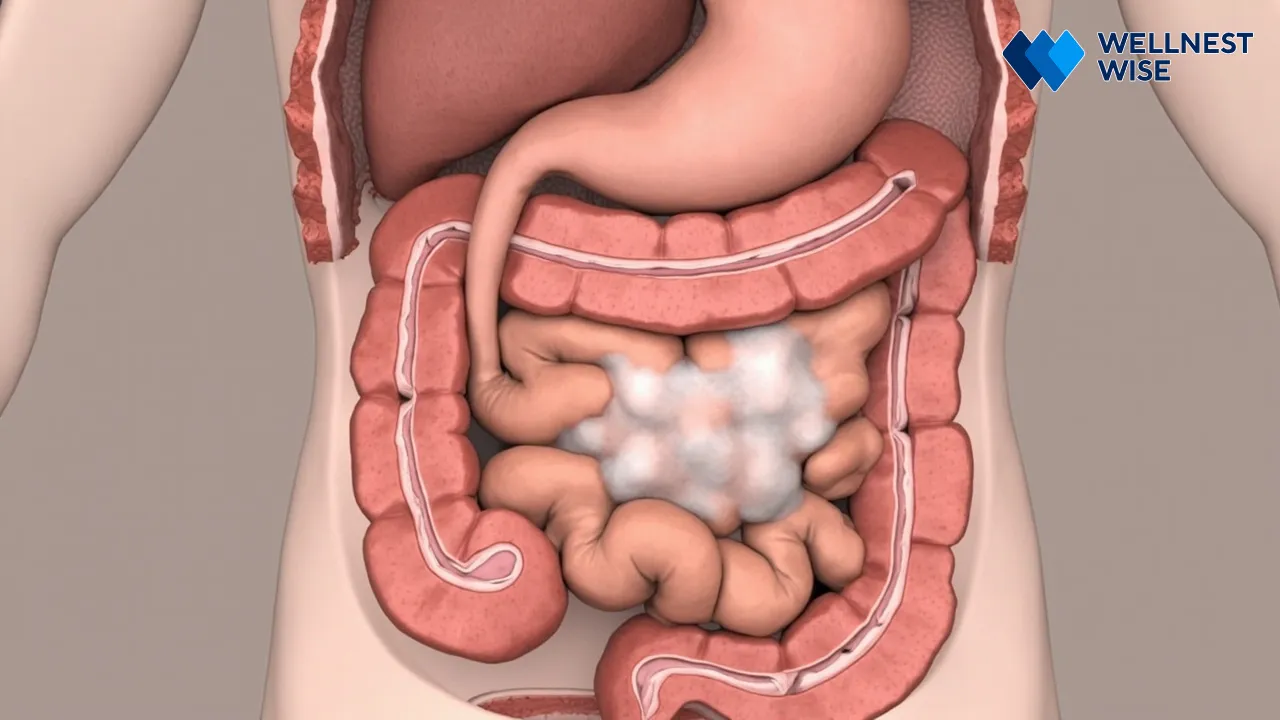
Bloating (abdominal distension) refers to the feeling of tightness and visible swelling primarily caused by the buildup of gas within the stomach or intestines. It is generally temporary and pressure-driven. True swelling, on the other hand, often involves fluid retention (edema) or a physical mass, which is typically persistent and may signal a more serious underlying medical condition. In most acute cases, when people ask how to get rid of bloating fast, they are dealing purely with trapped gas.
How Quickly Can Abdominal Distension Relief Occur?
For discomfort caused by transient, acute gas buildup, relief can often be achieved rapidly. Physical maneuvers—such as specific stretches or an abdominal massage—can start moving gas in as little as 5 to 15 minutes. Combining physical action with carminative aids like peppermint tea or Simethicone often leads to significant relief within 30 minutes, resulting in a noticeably flat stomach fast.
The Role of Trapped Gas and Gut Motility in Sudden Bloating
Gas is a natural byproduct of digestion, primarily methane, hydrogen, and carbon dioxide. Bloating occurs when this gas is produced too quickly (e.g., from fermented sugars) or, more commonly, when the digestive system (gut motility) slows down. Slow transit time allows gas to become trapped and accumulate, causing painful pressure. Interventions that stimulate peristalsis—the muscular contractions that move contents through the intestines—are key to achieving rapid relief.
Rapid Physical Techniques for Immediate Bloating Relief
When your stomach is tight, sometimes the fastest solution isn’t a pill, but targeted movement. Physical manipulation and positional changes are powerful prokinetic aids, meaning they literally help push the trapped gas along the digestive tract. These methods are essential for achieving that sought-after flat stomach fast and require no special equipment.

Guided Abdominal Massage for Gas Expulsion (The I L U Technique)
A simple, focused abdominal massage can be incredibly effective at forcing trapped air pockets out of the intestines. The key is to follow the natural path of the colon. This is known as the I L U technique:
- I (Ascending Colon): Start at your lower right abdomen, moving up toward the rib cage.
- L (Transverse Colon): Move across your upper abdomen from right to left.
- U (Descending Colon): Move down your left side, toward the left hip bone.
Perform this gentle, continuous, clockwise motion for 5 to 10 minutes. The pressure helps manually break up and push the gas toward the exit, providing immediate bloating relief.
Positional Changes: Specific Yoga Poses for Gas Relief
Specific yoga poses can leverage gravity and internal compression to quickly release gas. These are often nicknamed “gas relievers” in the yoga community for good reason.
Child’s Pose and Wind-Relieving Pose (Pawanmuktasana)
Child’s Pose (Balasana) places gentle pressure on the abdomen, which can encourage the movement of gas. Lie on your knees and fold forward, resting your chest on your thighs. The compression helps. The most renowned pose, however, is the Wind-Relieving Pose (Pawanmuktasana), where you lie on your back and pull one knee (or both knees) tightly into your chest. This sharply compresses the abdomen and is highly effective at speeding up gas expulsion.
Supine Twist and Knees-to-Chest Alignment
The Supine Twist (Supta Matsyendrasana) involves lying on your back and letting your knees fall to one side while twisting your upper body in the opposite direction. This physical twist creates a powerful squeezing action on the digestive organs, assisting motility. Holding the basic knees-to-chest alignment for several deep breaths can often bring rapid, noticeable relief.
Light Movement: Why a 10-Minute Walk Works Immediately
When I had a particularly stubborn bout of gas last summer, a simple 15-minute walk provided the breakthrough I needed. This isn’t just anecdotal; scientific evidence confirms that mild physical activity significantly stimulates gut motility. A 10-minute, brisk walk is often enough to increase peristalsis, allowing the trapped gas to move and eventually be released. If you are struggling with discomfort, prioritize movement over lying down.
Targeting Acute Bloating with Carminative and Prokinetic Aids
Nature offers incredibly effective, rapid solutions for gas pain, primarily through compounds known as carminatives. These herbs and spices work by relaxing the smooth muscle lining of the digestive tract, allowing trapped gas bubbles to move and disperse more easily, making them a cornerstone of natural remedies for gas.

The Power of Herbal Teas for Immediate Relief
Carminative teas are effective because they are delivered warm (which is soothing) and contain active compounds that act as natural anti-spasmodics, calming intestinal cramping and allowing gas to escape.
- Peppermint Tea: Contains menthol, a powerful anti-spasmodic that relaxes the smooth muscles of the digestive tract, making it the fastest-acting tea for immediate relief.
- Ginger Tea: Rich in gingerols, which are strong prokinetics—they accelerate gastric emptying, meaning food and gas move through the system faster.
- Fennel Tea: Contains anethole, a compound that calms spasms and is often used to soothe digestive issues in traditional medicine.
- Chamomile Tea: While primarily known for its calming properties, it also contains anti-inflammatory compounds that reduce irritation in the digestive lining that often accompanies gas.
Utilizing Fresh Ginger and Digestive Enzymes for Faster Breakdown
Beyond tea, chewing on a small piece of fresh ginger or drinking warm water infused with ginger slices provides a high concentration of gingerols. This natural compound speeds up how quickly food leaves the stomach, reducing the time available for fermentation and gas production in the upper gut.
For cases of bloating tied to eating complex meals, especially those high in difficult-to-digest starches or fats, taking an over-the-counter digestive enzyme supplement (like alpha-galactosidase or lactase) immediately before or during the meal can aid rapid breakdown, preventing gas from forming in the first place.
Hydration Strategies: Warm Water and Electrolytes Protocol
While it seems counterintuitive, dehydration can often exacerbate bloating and slow motility. Drinking water, specifically warm water, can help stimulate the digestive tract. Warm liquids are inherently soothing to the gut musculature, promoting relaxation and movement. Adding a pinch of sea salt or an electrolyte powder can help optimize the absorption of water into the tissues, further supporting gut function without adding sugar or bubbles.
Evidence-Based Over-the-Counter (OTC) Solutions for Rapid Gas Reduction
For moments when natural remedies aren’t fast enough, or the gas pressure is severe, certain OTC medications are specifically designed to break down gas bubbles quickly. These solutions accelerate the release of existing gas within the stomach and intestines, offering crucial relief.
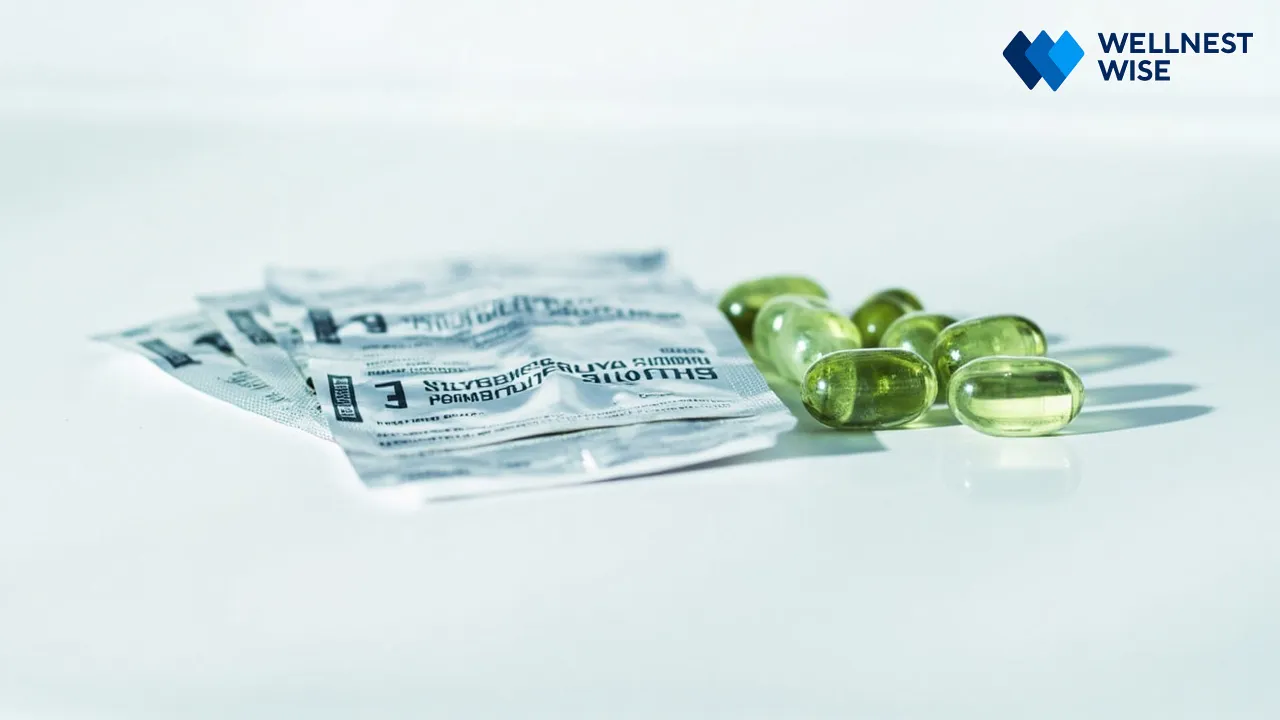
Simethicone: How This Anti-Foaming Agent Provides Quick Relief
Simethicone is perhaps the most reliable OTC solution for fast gas relief. It works as an anti-foaming agent. Simethicone does not prevent gas or cause it to be absorbed, but rather it changes the surface tension of the gas bubbles trapped in the gut. This causes tiny bubbles to coalesce into larger bubbles, which are then easier for the body to pass through burping or flatulence. Because it acts locally and immediately on the existing gas, it provides prompt abdominal distension relief.
Activated Charcoal and When It Is Most Effective Against Gas
Activated charcoal works via adsorption—it chemically binds to gases and toxins in the digestive tract. While effective, it generally takes longer to provide relief than Simethicone and should be used cautiously. Because charcoal binds to substances indiscriminately, it can interfere with the absorption of medications and vitamins if taken too close to the time you take other pills. It is best reserved for severe cases of gas when other methods have failed and should be taken at least two hours away from essential medications.
Targeted Peppermint Oil Capsules (Enteric-Coated)
While peppermint tea helps the upper digestive tract, targeted enteric-coated peppermint oil capsules are superior for relieving intestinal gas. The enteric coating is essential; it prevents the capsule from dissolving in the stomach acid, ensuring the active menthol compound is delivered directly to the small and large intestines where most gas and muscle spasms occur. Systematic reviews show that these capsules can relieve bloating in up to 75% of cases related to functional gut disorders.
Identifying Common Dietary and Behavioral Triggers Causing Sudden Extreme Bloating
Sometimes, the severity of acute bloating stems less from poor baseline digestion and more from specific, avoidable triggers introduced rapidly into the system. Identifying these dietary choices and behavioral habits is key to stopping the cycle before the extreme bloating even begins.

The Hidden Gases: Carbonated Drinks and Chewing Gum
The most direct cause of sudden, upper abdominal bloating is the simple introduction of air or gas from outside the body. Carbonated drinks (soda, sparkling water) introduce a large volume of carbon dioxide directly into the stomach. Similarly, behaviors like chewing gum or sucking on hard candies cause you to swallow excessive amounts of air (aerophagia), which quickly leads to painful distension. Cutting these out is one of the quickest ways to reduce bloat.
High-FODMAP Foods and Sudden Indigestion Flare-Ups
FODMAPs (Fermentable Oligosaccharides, Disaccharides, Monosaccharides, and Polyols) are short-chain carbohydrates that are poorly absorbed in the small intestine. When these reach the large intestine, gut bacteria rapidly ferment them, producing a large volume of gas, leading to sudden, extreme bloating. Common culprits include onions, garlic, apples, wheat, and certain dairy products. If you experience rapid bloating after specific meals, temporary identification and avoidance of these foods can offer substantial relief.
The Impact of Rapid Eating and Aerophagia (Swallowing Air)
Aerophagia (swallowing air) is one of the most under-recognized causes of bloating. When you eat too quickly, talk while chewing, or gulp down drinks, you inevitably swallow air along with your food. This trapped air accounts for significant upper abdominal pressure. The simplest long-term fix is mindful eating: setting aside time to eat slowly, chewing each bite thoroughly, and avoiding conversation until your mouth is empty.
Long-Term Prevention and Medical Red Flags (EEAT Compliance)
While fast fixes are vital for acute discomfort, true gut health involves shifting to sustainable daily habits. Our long-term goal isn’t just reducing gas, but creating an environment where abdominal distension rarely occurs, reinforcing the safety and expertise focus of this guide.

Transitioning from Quick Fixes to Sustainable Gut Health
The most successful approach to beating bloat involves using rapid relief methods for acute flare-ups while consistently applying long-term strategies to build robust gut health.
| Immediate Fix (Acute Relief) | Long-Term Prevention Strategy (Chronic Wellness) |
|---|---|
| Guided Abdominal Massage | Mindful eating (Chew slowly, stop talking while eating) |
| Carminative Teas (e.g., Peppermint) | Identifying and limiting high-FODMAP triggers |
| Simethicone Use | Gradually increasing fiber and balancing gut flora (Probiotics) |
| Positional Changes (Yoga) | Regular, moderate daily exercise (e.g., post-meal walks) |
When to Consult a Professional: Recognizing Symptoms Requiring Medical Attention
While occasional bloating is normal, certain accompanying symptoms require immediate consultation with a healthcare professional to rule out serious conditions such as Celiac disease, Inflammatory Bowel Disease (IBD), or obstructions.
Persistent Pain, Bloody Stool, and Unexplained Weight Loss
If your abdominal distension is accompanied by severe, unrelenting pain, vomiting, diarrhea, blood in your stool, or unexpected and significant weight loss, seek medical attention immediately. These are not typical symptoms of trapped gas and signal underlying systemic issues.
Bloating that Does Not Subside After 24 Hours or Worsens
If you try the rapid relief methods described above (massage, movement, Simethicone) and the bloating fails to improve within 24 hours, or if the distension progressively worsens, consult a doctor. Persistent, chronic bloating that affects quality of life requires thorough diagnosis to identify the root cause, such as IBS, SIBO (Small Intestinal Bacterial Overgrowth), or lactose intolerance.
Conclusion & Takeaways
Relieving acute bloating doesn’t have to be a slow process. By understanding the causes of trapped gas and applying specific, rapid techniques, you can achieve significant immediate bloating relief. Start with simple physical methods like the I L U massage and light walking to stimulate motility. Back this up with natural anti-spasmodics like ginger or peppermint. Remember that while these quick fixes are crucial, true freedom from chronic distension lies in adopting mindful eating habits and identifying individual dietary triggers like high-FODMAPs and carbonated drinks. Empower yourself with these tools, and you’ll be prepared the next time acute abdominal discomfort strikes.
FAQ
What is the absolute fastest way to relieve bloating caused by trapped gas?
The absolute fastest way is often a combination of a targeted physical technique and a fast-acting carminative. Try a 10-minute brisk walk immediately followed by a 5-minute abdominal massage (clockwise motion). Simultaneously, sip on warm peppermint or ginger tea, or take a dose of Simethicone if the discomfort is severe.
Why does bloating sometimes feel worse when I lie down?
Lying down can sometimes make bloating feel worse because the gas, which is trying to move upward and out, lacks the assistance of gravity. This is why positional changes (like the Wind-Relieving Pose) or standing and walking are often recommended to encourage movement through the intestines.
Is drinking hot water helpful for immediate bloating relief?
Yes, drinking warm or hot water can be helpful. Cold liquids can sometimes constrict the digestive muscles, whereas warm water has a soothing, anti-spasmodic effect that encourages relaxation and supports gut motility, helping to pass the trapped gas.