
Experiencing a sore throat can feel like a relentless scratch, making every swallow a challenge. In fact, viruses cause an estimated 70-90% of sore throats, making effective sore throat treatment largely about symptom management and supportive care. While discomfort is universal, the good news is that numerous natural remedies and quick treatment tips can provide significant sore throat relief, helping you heal faster and feel better. This guide dives into science-backed approaches and practical advice to soothe your throat and support your recovery.
Deciphering Sore Throats: Understanding the Discomfort & Its Origins
That familiar scratchy, painful feeling when you swallow often signals a sore throat, medically known as pharyngitis. It’s a common ailment, and understanding its root causes is the first step toward effective relief. From seasonal sniffles to more stubborn infections, recognizing what triggers your discomfort can guide you to the right approach for easing the pain and speeding up your recovery.

Common Culprits: Differentiating Viral, Bacterial, and Other Causes of Pharyngitis
Sore throats, or pharyngitis, can stem from various sources, but viruses are by far the most frequent offenders, accounting for approximately 70-90% of cases, as noted by the CDC. These often accompany the common cold, flu, or mononucleosis, and typically improve within 3-7 days. Bacterial infections, primarily Streptococcus pyogenes (strep throat), are responsible for about 10-30% of cases and require antibiotics to prevent serious complications like rheumatic fever. Other less common causes include allergies, environmental irritants like smoke or dry air, and even acid reflux. Identifying the cause is crucial, as antibiotics are ineffective against viral infections and contribute to antibiotic resistance when misused.
Recognizing the Symptoms: A Guide to What Your Throat is Telling You
A sore throat isn’t always just pain. Symptoms can vary depending on the cause, but common signs include a scratchy or raw sensation, pain that worsens with swallowing, and difficulty speaking clearly. You might also notice swollen, red tonsils, sometimes with white patches or streaks, particularly in bacterial infections. Accompanying symptoms like fever, headache, body aches, runny nose, or cough can help differentiate between a viral or bacterial origin. Pay attention to how your throat feels; it’s often the first indicator of what’s going on in your body.
The Body’s Response: How Inflammation Contributes to Throat Pain
When an irritant or pathogen attacks your throat, your body’s immune system kicks into high gear, triggering an inflammatory response. This natural defense mechanism involves increased blood flow to the area, leading to swelling, redness, and the activation of nerve endings that signal pain. While essential for healing, this inflammation is precisely what causes the characteristic discomfort of a sore throat. Reducing this inflammation is a key strategy in sore throat pain relief, whether through medication or natural means.
Immediate Soothing: Effective Home Remedies for Quick Sore Throat Relief
When a sore throat strikes, the immediate priority is finding relief. Thankfully, your kitchen and pantry likely hold several effective home remedies for sore throat that can offer quick sore throat relief without needing a trip to the pharmacy. These time-tested approaches leverage natural properties to reduce inflammation, cleanse the throat, and provide much-needed comfort, getting you back to feeling like yourself faster.
Warm Saltwater Gargles: The Time-Tested Technique for Throat Comfort
Gargling with warm salt water is perhaps one of the most widely recommended and effective sore throat remedies. The salt helps draw out fluid from inflamed tissues, reducing swelling and discomfort. It also helps wash away irritants and bacteria from the throat. To prepare, dissolve about 1/4 to 1/2 teaspoon of salt in 8 ounces of warm water. Gargle for 30-60 seconds multiple times a day. As my doctor advised during a particularly nasty bout, “It’s simple, but it works wonders for temporary relief.”
The Sweet Relief of Honey: Natural Antimicrobial & Soothing Properties
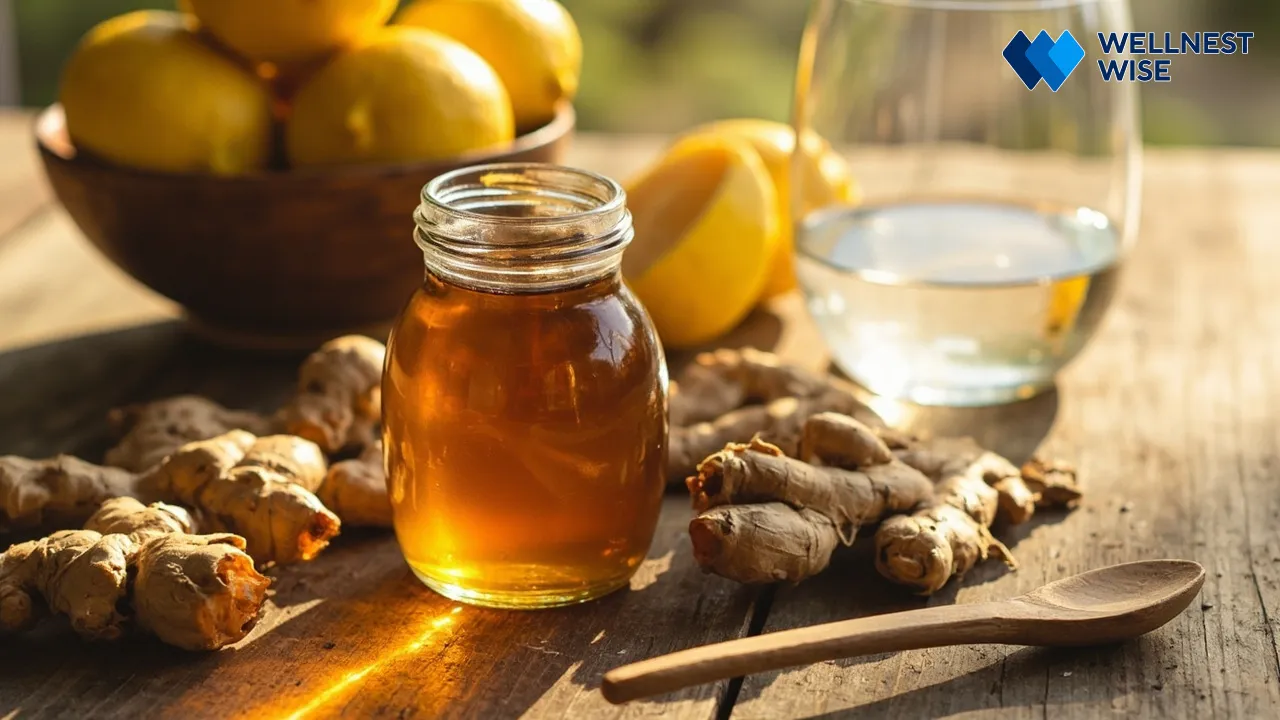
Honey isn’t just a delicious sweetener; it’s a powerful natural remedy. Its thick consistency coats the throat, providing immediate soothing, while its natural antimicrobial properties can help combat infection. Research, including studies cited by the NHS, suggests honey can be more effective than some over-the-counter cough suppressants for nighttime coughs and associated sore throat pain relief. A spoonful taken straight or mixed into warm tea is a classic and comforting choice.
Herbal Infusions: Utilizing Nature’s Pharmacy for Throat Calm
Many herbs possess properties that can calm an irritated throat, making herbal teas excellent natural ways to soothe a sore throat. From anti-inflammatory compounds to soothing demulcents, nature offers a powerful pharmacy for throat comfort.
| Herbal Tea | Primary Benefits | Preparation Tips |
|---|---|---|
| :————— | :————————————————- | :————————————————————————————- |
| Chamomile | Anti-inflammatory, muscle relaxant, calming | Steep 1-2 tea bags or a tablespoon of dried flowers in hot water for 5-10 minutes. |
| Ginger | Anti-inflammatory, antioxidant, pain relief | Slice fresh ginger, steep in hot water for 10-15 minutes. Add honey and lemon. |
| Licorice Root | Anti-inflammatory, antiviral, demulcent (coats throat) | Use licorice root tea bags or simmer dried root pieces in water for 10 minutes. Avoid if high blood pressure. |
| Peppermint | Contains menthol (mild anesthetic), decongestant | Steep peppermint tea bags or fresh leaves in hot water. Can relieve nasal congestion. |
| Slippery Elm | Demulcent (forms a soothing gel that coats throat) | Use powdered bark in warm water, or seek out slippery elm lozenges. |
Humidifying the Air: Easing Dryness and Irritation in Your Throat
Dry air can exacerbate a sore throat, leading to increased irritation and pain. Using a cool-mist humidifier in your bedroom, especially overnight, can add moisture to the air, helping to soothe dry, irritated mucous membranes in your throat and nasal passages. This simple step can significantly improve comfort and reduce the feeling of scratchiness, making it easier to breathe and sleep.
Over-the-Counter Options: Targeted Relief for Pain and Discomfort
When natural methods need a little boost, over-the-counter (OTC) options provide reliable sore throat pain relief. Pain relievers like acetaminophen (Tylenol) or ibuprofen (Advil, Motrin) can reduce both pain and fever. Throat lozenges or sprays often contain mild anesthetics that numb the throat temporarily, offering quick, localized comfort. Always follow dosage instructions carefully and consult a pharmacist if you have questions.
Nourishing Recovery: Optimizing Diet & Hydration for a Healthy Throat
Beyond immediate relief, supporting your body’s healing process through proper diet and hydration is paramount for a speedy recovery from a sore throat. What you eat and drink can either soothe and nourish or irritate and prolong discomfort. Focusing on easily digestible, nutrient-dense options and staying well-hydrated forms the foundation for a healthy throat and a robust immune response.

Hydration is Key: The Role of Fluids and Electrolytes in Healing
Staying well-hydrated is crucial when you have a sore throat. Fluids keep your throat moist, preventing further irritation, and help thin mucus, making it easier to swallow. Moreover, adequate hydration supports your overall immune function and helps your body fight off infection. Electrolytes are vital for maintaining fluid balance, especially if you have a fever or are not eating well.
Best Liquids for Hydration: Water, Herbal Teas, and Broths for Sore Throats
Plain water, warm herbal teas (like chamomile or ginger), and clear broths (chicken or vegetable) are ideal for keeping your throat moist and providing essential fluids. These options are gentle on irritated tissues and can provide additional nutrients and soothing properties. My personal go-to when sick is a warm mug of ginger tea with a squeeze of lemon and a spoonful of honey – it hits all the right notes for comfort and healing.
What to Avoid: Irritating Beverages and Dehydrating Drinks
When your throat is sensitive, certain beverages can worsen symptoms. Avoid highly acidic drinks like orange juice, very hot or very cold liquids, and anything with caffeine or alcohol, as these can irritate the delicate throat lining or act as diuretics, potentially leading to dehydration. Sodas, while palatable, offer little nutritional value and often contain added sugars that can feed inflammation.
Soothing Foods for a Sensitive Throat: Easy-to-Swallow & Nutrient-Rich Options
Eating can be challenging with a sore throat, so opt for soft, easy-to-swallow, and nutrient-rich foods that contribute to your recovery.
- Broths and Soups: Warm, clear broths or creamed soups are excellent choices, providing hydration and essential nutrients without irritation. Chicken soup, in particular, is renowned for its comforting and anti-inflammatory properties.
- Cooked Cereals: Oatmeal, cream of wheat, or rice porridge, especially when warm, are easy on the throat and provide sustained energy.
- Mashed Potatoes: Soft, bland, and easy to swallow, mashed potatoes can be a good source of carbohydrates.
- Yogurt: The cool, smooth texture of yogurt can be soothing. Probiotic-rich yogurt also supports gut health, which is linked to immune function.
- Scrambled Eggs: Soft and nutritious, scrambled eggs offer protein for healing.
- Well-Cooked Vegetables: Soft, steamed, or mashed vegetables like carrots, sweet potatoes, or spinach provide vital Vitamin C and antioxidants.
Anti-Inflammatory Power: Foods that Support Healing and Reduce Discomfort
Incorporating anti-inflammatory foods into your diet can actively help reduce the swelling and pain associated with a sore throat, speeding up your healing process.
Incorporating Ginger and Turmeric for Their Therapeutic Benefits
Ginger and turmeric are two powerful spices known for their strong anti-inflammatory and antioxidant properties. Ginger can help alleviate pain and nausea, while turmeric contains curcumin, a compound extensively studied for its ability to reduce inflammation. Try adding fresh ginger slices to hot water for a tea, or incorporate turmeric into warm milk or soft soups for a therapeutic boost.
Micronutrients for Recovery: Vitamin C and Zinc’s Role in Immune Function
Vitamin C and Zinc are two critical micronutrients that play significant roles in supporting your immune system, which is vital for fighting off infections that cause sore throats. Vitamin C, found abundantly in citrus fruits, bell peppers, and leafy greens, is a potent antioxidant that protects cells and aids in immune cell function. Zinc, present in foods like nuts, seeds, legumes, and meat, is essential for immune cell development and communication. Ensuring adequate intake of these can help shorten the duration and severity of a sore throat.
Fortifying Your Defenses: Immune-Boosting Strategies Against Sore Throats
While tackling a current sore throat is important, building a robust immune system is your best long-term defense against future infections. A strong immune response can help prevent illnesses, reduce their severity, and speed up recovery. Integrating specific dietary and lifestyle habits can significantly enhance your body’s natural protective mechanisms against invaders that cause throat discomfort.

The Gut-Immune Connection: How a Healthy Microbiome Protects Your Throat
An astounding 70-80% of your immune system resides in your gut. Maintaining a healthy gut microbiome – the community of beneficial bacteria in your intestines – is therefore crucial for overall immune system health. A balanced microbiome helps train immune cells, produces vital compounds, and creates a barrier against pathogens. When your gut is healthy, your body is better equipped to defend itself, even against pathogens that affect your throat.
Lifestyle Habits: Sleep, Stress Management, and Physical Activity for Immune Resilience
Beyond diet, everyday lifestyle choices profoundly impact your immune system. Chronic stress can suppress immune function, making you more susceptible to illness. Adequate, quality sleep (7-9 hours for most adults) is vital for immune cell production and repair. Regular, moderate physical activity can also boost immune responses, though overtraining can have the opposite effect. Prioritizing these habits builds a resilient body ready to fight off infections.
Dietary Pillars: Building a Robust Immune System Through Targeted Nutrition
Your daily diet is a cornerstone of immune health. Focusing on nutrient-dense foods provides the essential building blocks for a strong defense system.
Antioxidant-Rich Foods: Protecting Cells from Oxidative Damage
Antioxidant-rich foods play a crucial role in protecting your cells, including immune cells, from damage caused by free radicals and oxidative stress. This damage can weaken your body’s defenses. Incorporate a wide variety of colorful fruits and vegetables into your diet, such as berries, spinach, kale, bell peppers, and oranges. These foods are packed with Vitamin C, Vitamin E, and other compounds that bolster your immune system.
Probiotic-Rich Foods: Supporting Gut Health and Overall Immunity
As we’ve discussed, the gut-immune connection is powerful. Including probiotic-rich foods in your diet can support a healthy gut microbiome, directly benefiting your immune system. Examples include yogurt (especially with live and active cultures), kefir, sauerkraut, kimchi, and other fermented foods. These foods introduce beneficial bacteria that help maintain balance and fortify your body’s natural defenses.
Navigating Persistent Sore Throats: When to Seek Professional Medical Advice
While many sore throats can be effectively managed with natural remedies and supportive care, it’s crucial to know when to seek professional medical attention. Ignoring persistent or severe symptoms can lead to complications, especially with bacterial infections. Recognizing the “red flags” ensures you get a proper diagnosis and the right course of sore throat treatment when it truly matters.

Red Flags: Symptoms That Warrant Immediate Medical Attention
Most viral sore throats improve within a few days. However, certain symptoms should prompt a visit to the doctor. These include a sore throat that lasts longer than a week, difficulty swallowing or breathing, a high fever (over 101°F or 38.3°C), a rash, or swollen glands in the neck. White patches on the tonsils, as well as joint pain or dark urine, can also be signs of more serious conditions like strep throat or its complications, as outlined by the CDC. Don’t hesitate to seek medical advice if these arise.
The Importance of Diagnosis: Why a Doctor’s Visit Matters for Effective Treatment
A doctor can accurately diagnose the cause of your sore throat through examination and tests, such as a rapid strep test or throat culture. This distinction is vital because bacterial infections, like strep throat, require antibiotics to prevent serious health issues, while antibiotics are ineffective and harmful for viral infections. My own experience taught me this lesson deeply. Last winter, what I initially thought was a prolonged cold turned out to be strep throat after days of worsening pain and fever. A 10-day course of antibiotics, prescribed after a quick diagnosis, was precisely what I needed to recover fully and avoid potential complications, as advised by the National Institutes of Health.
Managing Recurring Sore Throats: Long-Term Strategies and Specialist Consultations
If you frequently suffer from sore throats, it’s worth exploring potential underlying causes with your doctor. This could involve identifying chronic allergies, persistent exposure to irritants (like smoke), or even underlying conditions like acid reflux. In some cases, an ear, nose, and throat (ENT) specialist might be consulted to investigate structural issues or chronic tonsillitis. Long-term strategies often involve environmental adjustments, allergy management, and, in rare severe cases, surgical options like tonsillectomy, all aimed at reducing the frequency and severity of recurrences.
Conclusion & Takeaways
Navigating the discomfort of a sore throat can be challenging, but with the right approach, relief is well within reach. We’ve explored how understanding the common culprits—from viral to bacterial infections—is crucial for effective sore throat treatment. While immediate soothing home remedies like warm salt water gargles and honey can provide significant comfort, optimizing your diet with anti-inflammatory foods like ginger and turmeric, along with robust hydration, plays a pivotal role in nourishing recovery.
Beyond managing acute symptoms, building a strong immune system through nutrient-rich foods, a healthy gut, and positive lifestyle habits serves as your best defense. Remember, though, that persistent or severe symptoms warrant a professional medical consultation to ensure accurate diagnosis and appropriate sore throat treatment. By combining scientific understanding, time-tested natural solutions, and timely medical advice, you can effectively soothe your throat, speed up healing, and fortify your overall well-being. Prioritize your comfort and health; your throat will thank you.
FAQ
What are the fastest natural ways to relieve a sore throat?
For quick sore throat relief, try gargling with warm salt water (1/4 to 1/2 tsp salt in 8 oz water) multiple times a day. Sipping on warm herbal teas like ginger or chamomile with honey can also provide immediate soothing, as can consuming a spoonful of pure honey. Using a cool-mist humidifier in your room can ease dryness and irritation.
Which foods and drinks are best for soothing a sore throat and speeding recovery?
The best foods to eat with a sore throat are soft, easy-to-swallow, and nutrient-rich, such as warm broths, soft cooked cereals (oatmeal), mashed potatoes, yogurt, and scrambled eggs. For hydration, stick to water, warm herbal teas, and clear broths. Incorporate anti-inflammatory foods like ginger and turmeric, and ensure adequate Vitamin C and Zinc intake to support your immune system.
When should I be concerned about a sore throat and seek medical attention?
You should seek medical attention if your sore throat is severe, lasts longer than a week, is accompanied by a high fever (over 101°F/38.3°C), difficulty breathing or swallowing, a rash, or swollen glands. White patches on your tonsils could indicate a bacterial infection like strep throat, which requires antibiotics for effective sore throat treatment and to prevent complications, as advised by the CDC.