We’ve all been there: that uncomfortable, heavy feeling that throws your whole day off. When you’re struggling to achieve a satisfying bowel movement, waiting isn’t an option. Did you know that up to 20% of people face chronic issues with constipation? We need quick, effective solutions. This guide provides 10 expert-backed, natural ways to relieve constipation today, focusing on optimizing your Gut Motility and restoring digestive health without resorting to harsh chemicals. Let’s get things moving safely and effectively.
1. Understanding Constipation: Identifying Causes and Digestive Mechanisms
Before reaching for a remedy, it’s critical to understand the mechanism behind the discomfort. Constipation isn’t just about infrequent trips to the bathroom; it’s a symptom of deeper digestive slowing. Identifying the specific causes allows us to choose the most effective and targeted constipation home remedies. This first step ensures we treat the root issue, not just the symptom, paving the way for predictable and healthy elimination.
Defining Constipation: Frequency, Consistency, and Associated Discomfort
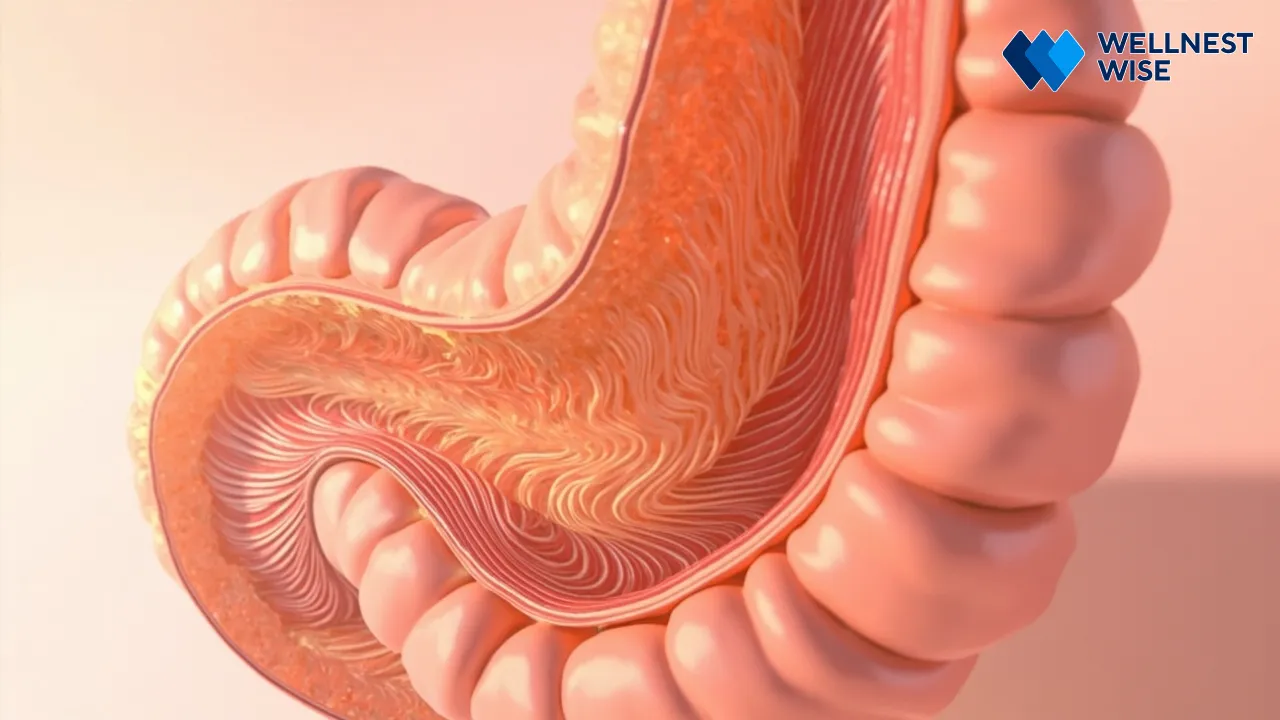
Constipation is clinically defined by infrequent bowel movement frequency (typically fewer than three per week) and difficulty passing stools. However, many people experience subjective constipation even with daily movements if they are hard, require excessive straining, or feel incomplete. The defining characteristic is usually hard, lumpy stools (Type 1 or 2 on the Bristol Stool Scale) coupled with discomfort, feeling of blockage, and often stomach bloating and gas.
The Crucial Role of Slowed Peristalsis in Symptom Development
The physical engine of digestion is Peristalsis—the rhythmic, wave-like contractions of the smooth muscle lining your intestines. When Peristalsis slows down, stool moves sluggishly through the colon. The longer stool resides there, the more water the body reabsorbs, resulting in hard, dry masses that are painful and difficult to pass. Addressing constipation naturally often means finding ways to gently encourage these muscular waves.
Common Non-Dietary Factors Affecting Bowel Movement Frequency
While diet and hydration are primary factors, external factors often silently contribute to a slow-moving gut. Ignoring these elements can render even the best dietary strategies useless.
Medications, Supplements, and Underlying Health Conditions (e.g., Hypothyroidism)
Many commonly prescribed medications and supplements, especially certain iron supplements, opioid pain relievers, and calcium channel blockers for blood pressure, can significantly slow gut function. For example, when my neighbor began a new calcium-channel blocker, she experienced severe difficulty. Her doctor confirmed that the medication was slowing her internal processes [experience]. Metabolic conditions like undiagnosed or under-treated hypothyroidism also severely reduce Gut Motility.
The Impact of Psychological Stress and Routine Changes on Gut Motility
The brain-gut axis is extremely powerful. High levels of chronic stress flood the body with hormones that can disrupt the natural rhythm of Peristalsis. Furthermore, travel, changes in work schedule, or simply ignoring the urge to go can confuse the colon’s signaling process, leading to a breakdown in regularity. Consistency is key to training the gut.
2. Immediate Action Plan: Leveraging Hydration Status and Osmotic Relief
When discomfort hits, waiting for long-term fiber changes to kick in isn’t feasible. The best strategy for immediate constipation relief involves leveraging two things: fluid dynamics and gentle osmotic pressure. Optimizing your hydration status right now can act as a powerful natural stool softener, often providing results within hours.
Optimizing Hydration Status: The Essential Intake for Natural Stool Softening
The single most immediate remedy you can implement is increasing your fluid intake. Water is essential because fiber, which we’ll discuss next, requires water to bulk and soften stool. Without sufficient fluid, increased fiber intake can actually worsen blockages. Aim for clear, pale-yellow urine, and consider drinking an extra 16 ounces of plain water immediately upon waking to kickstart the colon.
Utilizing Warm Liquids to Stimulate Bowel Movement
Warm liquids—such as hot water with lemon, decaffeinated coffee, or herbal teas—are particularly effective. The heat itself can stimulate the gastrocolic reflex, which increases the contractile activity of the colon. A study by the National Institute of Diabetes and Digestive and Kidney Diseases (NIDDK) confirms that this simple intervention is a beneficial first-line tool for mild cases [1].
Natural Osmotic Laxatives: Targeted Use of Magnesium Citrate
Osmotic laxatives work by drawing water from the rest of the body into the bowel, softening the stool and increasing the volume. This makes passage much easier. Magnesium, particularly Magnesium Citrate, is a superb natural option because it is highly effective without being classified as a harsh stimulant.
Safe Starting Dosage and the Mechanism of Action
For acute, rapid relief, Magnesium Citrate is often recommended. A safe starting dose is typically 200–400 mg of elemental magnesium taken with a full glass of water. Magnesium works by acting as a gentle osmotic agent; it is poorly absorbed, so it remains in the colon where it pulls water in, softening the stool and encouraging movement. Always consult your doctor before starting any high-dose supplement, especially if you have kidney issues.
The Effectiveness of High-Volume, Low-Residue Beverages (e.g., Pear or Prune Juice)
Prune and pear juices work quickly because they contain high levels of sorbitol, a non-digestible sugar that acts as a natural osmotic agent, similar to magnesium but milder. Drinking a half-cup of warmed prune juice in the morning can often provide relief within a few hours.
3. The Cornerstone of Regularity: Strategic Integration of Dietary Fiber
While immediate relief is necessary, true digestive health is built on a consistent foundation of Dietary Fiber. Fiber provides the necessary bulk and hydration to regulate bowel movement frequency and consistency. However, simply eating “more fiber” isn’t enough; we need strategic integration to avoid side effects like uncomfortable stomach bloating and gas.
Distinguishing Soluble vs. Insoluble Dietary Fiber for Optimal Gut Motility
For the best results, you need a balance of both types:
- Soluble Fiber: Dissolves in water, forming a gel-like substance. This slows digestion (good for blood sugar control) but, more importantly for constipation, it adds softness to the stool.
- Insoluble Fiber: Does not dissolve. This acts as the “bulk,” speeding up transit time and providing the mass necessary to stimulate Peristalsis.
Calculating Your Daily Fiber Needs for Long-Term Prevention and Regularity
Most adults in Western countries consume less than 15 grams of fiber per day, far below the recommended intake. Clinical recommendations suggest aiming for 20–30 grams of Dietary Fiber daily to improve stool consistency and frequency [2]. Gradually tracking and increasing your intake to this target is the foundation of long-term prevention.
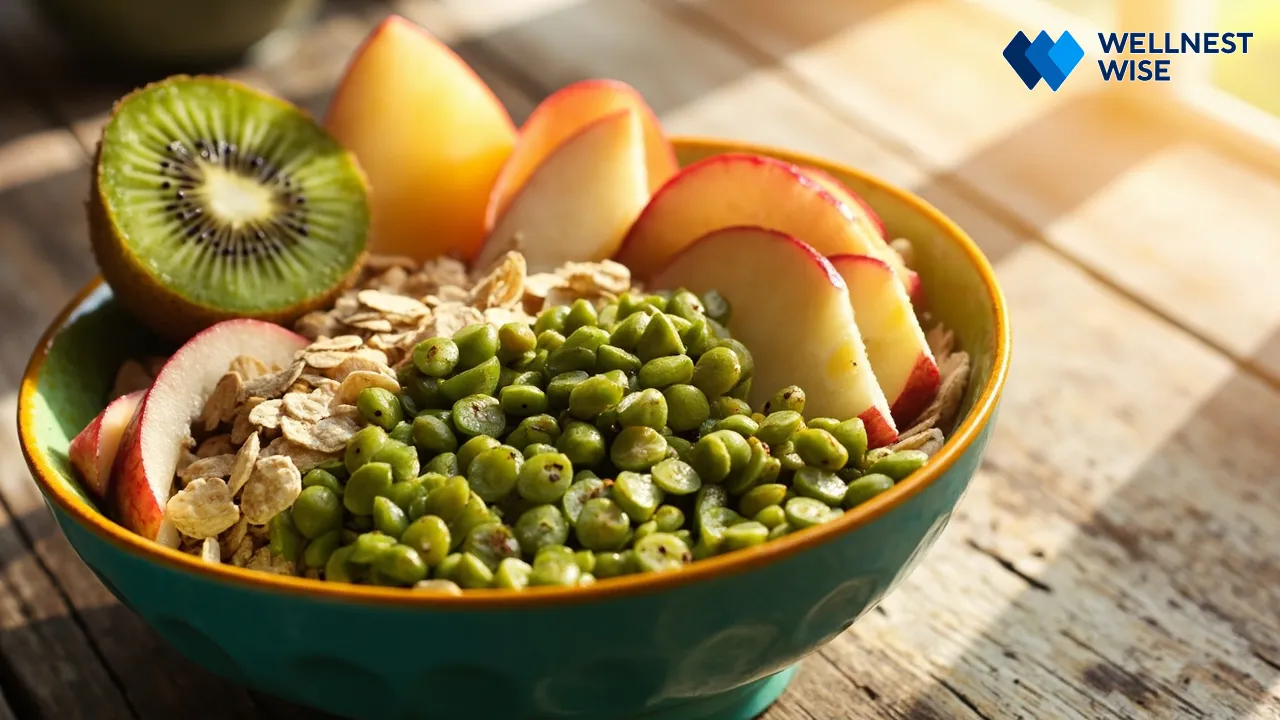
Top High-Fiber Whole Foods That Act as Natural Stool Softener
The key to treating constipation is obtaining fiber from whole foods, which also provide essential vitamins and minerals.
- Legumes (Soluble/Insoluble): Lentils, black beans, and chickpeas are powerhouse sources, providing 15-20 grams per cup.
- Berries and Pears (Soluble): Raspberries and blackberries are high in fiber, while pears contain sorbitol and a good balance of fiber.
- Whole Grains (Insoluble): Rolled oats, whole wheat bread, and barley add bulk.
- Vegetables (Mixed): Broccoli, carrots, and Brussels sprouts provide significant insoluble fiber to speed things up.
Gradual Fiber Increase: Preventing Stomach Bloating and Gas Discomfort
One of the biggest mistakes people make is jumping from 10 grams of fiber a day to 30 grams overnight. This shock to the system guarantees intense stomach bloating and gas. Increase your daily intake by only 2 to 5 grams every week. Critically, every time you increase fiber, you must increase your water intake commensurately to ensure the fiber absorbs fluid and doesn’t create a hard blockage.
4. Targeted Food Remedies: Specific Natural Aids and Dosage Guidelines
Certain whole foods and natural supplements possess potent properties that make them standouts in the fight against sluggish digestion. These are the tools we can use when routine dietary changes need a targeted boost. By following specific preparation and dosage guidelines, we maximize their power as effective natural stool softeners and bulk-forming agents.
Psyllium Husk: Usage and Specific Dosage Guidelines for Bulk-Forming Action
Psyllium Husk is a bulk-forming laxative that is highly effective and recommended as a first-line pharmacologic option for chronic constipation [1]. It is almost entirely composed of soluble fiber, making it excellent for softening hard stools.
| Agent | Starting Dose (Daily) | Critical Fluid Intake | Mechanism of Action |
|---|---|---|---|
| :— | :— | :— | :— |
| Psyllium Husk (e.g., Metamucil) | 5 grams (1 tsp) mixed in 8 oz water | At least 8 oz (240 ml) per dose | Bulk-forming agent; absorbs water to increase stool size and softness. |
| Maximum Dose | Up to 30 grams, divided | Must be taken with ample fluid | Reduces risk of obstruction. |
Chia and Flaxseeds: How to Prepare Bulk-Forming Agents for Maximum Effectiveness
Both chia and flaxseeds are nutritional powerhouses that absorb massive amounts of water, helping to form a soft, manageable stool.
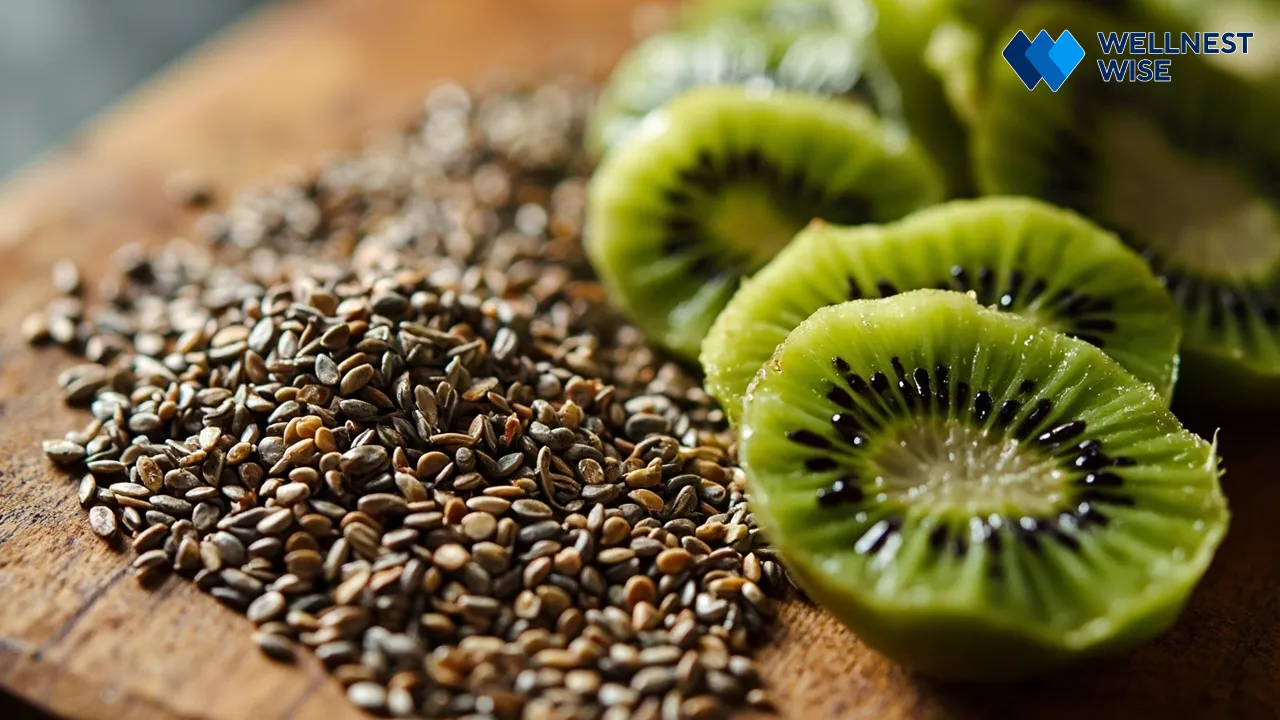
- Flaxseeds: Must be ground before consumption, as whole flaxseeds often pass undigested. Grind them right before use and add 1–2 tablespoons to oatmeal, yogurt, or smoothies.
- Chia Seeds: Can be consumed whole but are even more effective if soaked first (e.g., in water or milk overnight) to form a gel. This pre-hydrated gel passes easily and consistently.
Specific Fruits for Immediate Relief: Prunes, Kiwi, and Pears
Beyond the fiber content, these fruits carry special compounds that aid relief:
- Prunes (Dried Plums): Contain high amounts of sorbitol and phenolic compounds, which stimulate the gut. Eating 4–6 prunes daily is a classic, effective remedy.
- Kiwi: Research shows that two peeled kiwifruit per day can significantly improve stool frequency and consistency. Kiwi contains fiber and an enzyme called actinidin that may aid overall gut digestion.
- Pears: Excellent source of both water-content and sorbitol.
The Gut Microbiome Connection: Probiotics and Fermented Foods
The health of your gut biome plays a role in regulating Gut Motility. Fermented foods like natural yogurt (with live cultures), kefir, and sauerkraut introduce beneficial bacteria (probiotics) that can help regulate the overall environment, sometimes easing constipation, especially for those with Irritable Bowel Syndrome with Constipation (IBS-C). However, the effect varies significantly between individuals.
5. Movement and Routine: Activating Peristalsis Through Lifestyle Changes
Our digestive system is not passive; it responds directly to physical movement and consistency. If you sit still all day, your colon tends to sit still too. Leveraging strategic physical activity and establishing a predictable bowel routine are crucial, low-cost steps for enhancing Gut Motility and achieving reliable regularity.

The Non-Negotiable Role of Physical Activity in Stimulating Gut Motility
Physical activity is essential because movement causes your core muscles to contract, which provides gentle external massage to the colon. This pressure directly stimulates Peristalsis, helping propel the stool forward. Even moderate daily activity can dramatically reduce transit time.
Low-Impact Exercises That Promote Bowel Movement Frequency
You don’t need a high-intensity workout. Simple, rhythmic activities are best:
- Walking: A brisk 20–30 minute walk after a meal (especially breakfast) is highly effective at engaging the gastrocolic reflex.
- Yoga/Twisting: Gentle torso twists and pelvic rocks can physically compress and stimulate the intestines.
- Stretching: Specific stretches that target the lower abdomen can help relieve gas and encourage movement.
Establishing a Consistent Daily Bowel Routine and Training
The colon thrives on consistency. Try to reserve 15 minutes each morning, ideally 30 minutes after eating breakfast or drinking a warm beverage, to try and have a bowel movement. This timing utilizes the natural mass movement triggered by eating. Do not rush or strain; just sit and relax. Over time, your body will associate that time slot with evacuation.
Optimized Bathroom Posture and Techniques for Easier Evacuation
The anatomical design of the human body makes the sitting position less efficient for complete evacuation. When we sit, the puborectalis muscle creates a kink in the rectum. Elevating the knees above the hips relaxes this muscle, straightening the path. Using a small footstool (often called a Squatty Potty) allows you to mimic a squatting position, facilitating easier, quicker, and more complete elimination with less straining.
6. Responsible Care: When to Consult a Healthcare Professional
While most cases of acute constipation resolve with simple home remedies, persistent symptoms require professional oversight. We must always rule out underlying medical issues or structural problems. Understanding the red flag symptoms is vital for safe care, ensuring that persistent or chronic constipation is accurately diagnosed and treated by a professional.

Recognizing Red Flag Symptoms and Alarm Features
If you experience constipation coupled with specific “alarm features,” you should schedule an urgent consultation with a healthcare provider. These signs may indicate a more serious condition requiring immediate medical investigation [1].
New Onset, Rectal Bleeding, and Unexplained Weight Loss
Alarm features include:
- New-onset constipation that appears suddenly after age 50.
- Unexplained weight loss or loss of appetite.
- Rectal bleeding or blood in the stool (unless clearly linked to hemorrhoids).
- Severe abdominal pain or vomiting.
- A strong family history of colon cancer or inflammatory bowel disease (IBD).
Understanding the Necessity of Medical Diagnosis for Chronic Constipation
If constipation persists for more than three months—qualifying it as chronic constipation—a full medical workup is necessary. Your doctor may conduct tests, including blood work (to check for conditions like hypothyroidism), or specialized tests like anorectal manometry or a colonoscopy, especially if dietary and lifestyle changes have failed to provide relief [2].
When Professional Intervention or Prescription Osmotic Laxatives Are Required
If natural remedies are insufficient, your doctor may recommend stronger, non-habit-forming osmotic laxatives, such as polyethylene glycol (PEG), which are effective and well-tolerated for longer periods. For complex, refractory cases like Chronic Idiopathic Constipation or IBS-C, prescription medications such as Linaclotide or Lubiprostone may be necessary to stimulate fluid secretion and intestinal movement [2].
Conclusion & Takeaways
Relieving constipation today requires a proactive, multi-faceted approach. We have covered 10 core strategies that range from immediate hydration fixes to long-term digestive support. Remember that consistency is your strongest ally:
- Hydrate Immediately: Drink warm fluids and boost overall intake (Section 2).
- Use Osmotics: Leverage Magnesium Citrate for quick, gentle relief (Section 2).
- Prioritize Fiber: Aim for 20–30 grams daily from whole foods (Section 3).
- Go Gradual: Increase fiber slowly and always with extra water (Section 3).
- Target with Seeds: Use soaked chia or ground flaxseeds daily (Section 4).
- Eat Specific Fruits: Integrate prunes and kiwi into your routine (Section 4).
- Walk Daily: Use post-meal physical activity to stimulate Peristalsis (Section 5).
- Establish Routine: Set aside a consistent time for bathroom visits (Section 5).
- Optimize Posture: Use a footstool to facilitate easier evacuation (Section 5).
- Know Your Limits: Consult a doctor if symptoms are severe or persist past three months (Section 6).
By integrating these natural, science-backed steps, you can not only find relief but establish a lifetime of healthy Gut Motility.
FAQ
What is the quickest way to force a bowel movement?
The quickest safe method is usually combining a warm liquid (which stimulates the gastrocolic reflex) with an osmotic agent. Try drinking a large glass of warm prune juice or taking a dose of Magnesium Citrate with ample water. These actions draw fluid into the colon rapidly and usually result in a bowel movement frequency increase within a few hours.
How much fiber do I need daily for regularity?
Most nutritional guidelines recommend adults consume 20 to 30 grams of Dietary Fiber daily for optimal digestive health and regularity. If you are currently consuming less than 15 grams, increase your intake slowly (5 grams per week) to prevent stomach bloating and gas discomfort.
When should I see a doctor about chronic constipation?
You should consult a healthcare professional if your constipation is new and starts after age 50, if it is accompanied by red flag symptoms like unexplained weight loss or rectal bleeding, or if symptoms persist for more than three months despite aggressive self-care and dietary changes. This persistence indicates a need for a professional medical diagnosis to rule out underlying conditions.