Imagine waking up on a crisp morning, the air still cool, and the comforting aroma of warming spices filling your kitchen. For me, that’s exactly what Masala Chai evokes – a memory of chilly Indian mornings transformed by a mug of this rich, aromatic brew. It’s more than just a drink; it’s a cultural embrace, a moment of comfort, and, as we’ll uncover, a surprisingly potent source of holistic health benefits. From aiding digestion to boosting your sense of well-being, traditional Masala Chai, with its blend of Ayurvedic spices tea, offers a delightful way to nurture your body and soul. Let’s delve into the science and tradition behind this beloved beverage.
Unveiling the Aromatic World of Authentic Masala Chai
More than just a simple cup of tea, Masala Chai is a symphony of flavors and traditions, deeply woven into the fabric of South Asian daily life. Its appeal stretches far beyond its taste, offering a comforting warmth and a rich cultural heritage that hints at a deeper connection to well-being. Understanding its essence is the first step toward appreciating its health potential.

What is Masala Chai? A Journey Through Its Cultural Roots
At its heart, Masala Chai (literally “spiced tea”) is a fragrant beverage made from black tea, a rich mixture of aromatic spices, milk, and often a sweetener. Originating from India, this traditional Indian chai has evolved over centuries, becoming a staple in homes, street stalls, and cafes across the globe. Its roots lie in both ancient Indian herbal medicine, Ayurveda, and the British tea trade, blending two distinct traditions into a unique and beloved drink. It’s a daily ritual for many, offering a moment of pause and connection.
The Core Components: Black Tea and Warming Spices
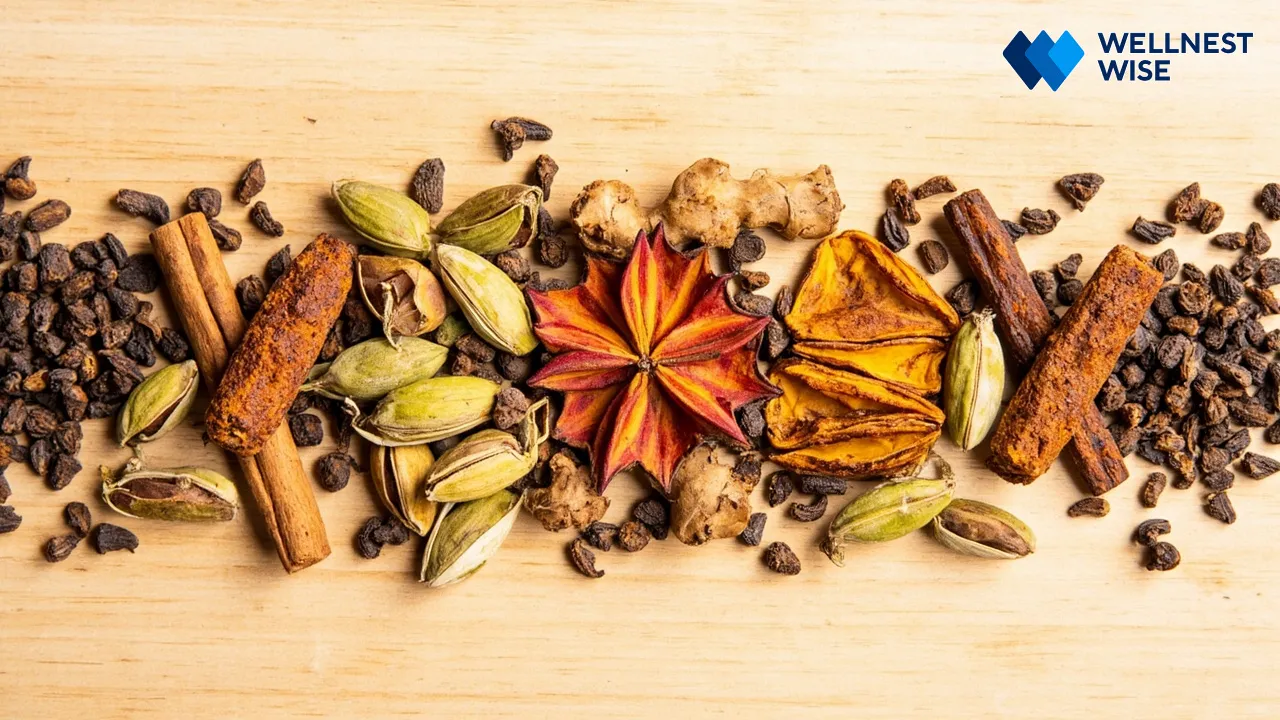
The magic of Masala Chai comes from its distinct ingredients. The base is typically a strong black tea, often Assam or Darjeeling, which provides a robust foundation. This is then infused with a blend of warming spices, usually including ginger, cardamom, cinnamon, cloves, and black pepper. Each spice contributes its unique flavor profile and, crucially, a host of bioactive compounds that offer various potential health advantages. These natural ingredients are the reason many consider Masala Chai an anti-inflammatory drink.
Masala Chai vs. Regular Tea: A Unique Nutritional Profile
While regular black tea offers antioxidants and a caffeine boost, Masala Chai elevates the experience with its addition of spices and milk. This combination significantly alters its nutritional profile. The spices introduce a spectrum of micronutrients and powerful compounds not found in plain tea, such as gingerol from ginger and cinnamaldehyde from cinnamon. Furthermore, the milk adds protein and calcium, making it a more substantial and calorically denser beverage. This makes Masala Chai benefits a distinct category compared to its simpler counterpart.
The Potent Pantry: Decoding Masala Chai’s Beneficial Spices
The true power of Masala Chai lies in its carefully selected spices. Each ingredient, revered for centuries in traditional medicine, brings its own set of unique health-supporting properties to the brew. Together, they create a synergistic effect, amplifying the overall wellness potential of your cup. Let’s break down the stars of this flavorful blend.
Ginger (Adrak): The Digestive and Anti-Inflammatory Powerhouse
Ginger is arguably one of the most vital ingredients in Masala Chai, offering both a zesty kick and significant health advantages. Known as Adrak in Hindi, ginger has a long history in Ayurvedic and traditional medicine for its digestive aid tea properties. It contains compounds like gingerol, which has potent anti-inflammatory and antioxidant effects. This means ginger can help soothe an upset stomach, alleviate nausea, and potentially reduce muscle pain and soreness after exercise [2]. Many find a cup of chai with fresh ginger helps settle their stomach after a rich meal.
Cardamom (Elaichi): Aromatic Aid for Gut Health and Beyond
The sweet, aromatic flavor of cardamom (Elaichi) is unmistakable in Masala Chai. Beyond its delightful taste, this spice is a traditional remedy for various digestive issues, often supporting healthy gut function. Research suggests cardamom may have antimicrobial properties and could aid in combating digestive discomfort [1]. It’s also recognized for its detoxifying effects and potential to improve circulation. A nutritionist might highlight its role in balancing gut flora and promoting overall digestive comfort.
Cinnamon (Dalchini): Supporting Blood Sugar Regulation and Antioxidant Activity
The warm, comforting notes of cinnamon (Dalchini) are not just for flavor. This ancient spice is widely studied for its potential to support blood sugar regulation. Some research indicates that cinnamon can improve insulin sensitivity, potentially helping to lower blood sugar levels, especially after meals [1]. Furthermore, cinnamon is packed with powerful antioxidants, which protect the body from oxidative damage caused by free radicals, contributing to overall cellular health and making it a key component of Ayurvedic spices tea.
Cloves (Laung) and Black Pepper (Kali Mirch): Minor but Mighty Contributions
Though used in smaller quantities, cloves and black pepper are far from minor players in the Masala Chai blend. They contribute not only to the complexity of the flavor but also offer their own unique health benefits, enhancing the synergistic effects of the entire brew.
Cloves: Antioxidant Richness and Antimicrobial Potential
Cloves (Laung) are tiny but mighty powerhouses of antioxidants. They contain a compound called eugenol, which is responsible for much of their medicinal punch, providing significant antioxidant and anti-inflammatory properties [1]. Historically, cloves have also been used for their antiseptic and antimicrobial potential, making them a valuable addition for overall wellness support.
Black Pepper: Enhancing Nutrient Absorption and Bioavailability
The subtle heat of black pepper (Kali Mirch) adds depth to Masala Chai and plays a crucial role beyond flavor. It contains piperine, a compound known to enhance the bioavailability of nutrients from other foods and spices. This means that adding black pepper can help your body absorb and utilize the beneficial compounds from the other spices in your chai more effectively, maximizing their impact [1]. This is a key aspect of warming spices working together.
The Role of Black Tea: Antioxidants and Natural Energy
The base of Masala Chai, black tea, brings its own host of benefits. It’s a natural source of caffeine, providing a gentle energy boost without the jitters often associated with coffee. Black tea is also rich in polyphenols, particularly catechins and theaflavins. These powerful antioxidants help combat oxidative stress, support cardiovascular health, and may contribute to reduced inflammation in the body [1]. A typical cup of black tea contains about 30-60 mg of caffeine, offering a balanced lift [1].
A Symphony of Wellness: Synergistic Health Advantages of This Ancient Brew
When the individual components of Masala Chai come together, they create a powerful concoction that offers a range of integrated health benefits. It’s the harmonious interaction of black tea and these potent spices that elevates this traditional drink from a mere beverage to a genuine wellness elixir.
[IMAGE: desc=”A person’s hands gently cupping a warm, aesthetically pleasing mug of Masala Chai, with steam rising, suggesting comfort and warmth. The background is softly blurred, perhaps a cozy home setting.”, alt=’Hands holding a warm mug of Masala Chai in a cozy setting’, file=’hands-holding-chai-cozy’]
Aiding Digestion and Soothing Gut Discomfort
One of the most celebrated Masala Chai benefits is its profound effect on digestion. The combination of ginger, cardamom, and black pepper works synergistically to stimulate digestive enzymes, reduce bloating, and soothe an upset stomach. Ginger’s carminative properties help dispel gas, while cardamom’s mild diuretic action can help detoxify the system. For generations, this digestive aid tea has been a go-to remedy for occasional gut discomfort. My own experience with chai in India often led to a noticeably settled stomach after meals, a testament to its gentle power.
Harnessing Anti-Inflammatory and Antioxidant Properties
The blend of warming spices in Masala Chai is a treasure trove of anti-inflammatory and antioxidant compounds. Cinnamon, ginger, and cloves are particularly rich in these protective substances. This means regular, mindful consumption of chai can help the body combat chronic inflammation, a known contributor to many modern diseases. These powerful antioxidants also neutralize free radicals, protecting cells from damage and supporting overall cellular health, making it an excellent anti-inflammatory drink.
Potential Immune System Support from Warming Spices
In cooler climates or during flu season, a cup of Masala Chai feels like a warm embrace for the immune system. Spices like ginger, cloves, and cardamom possess natural antimicrobial and antiviral properties, which can help strengthen the body’s defenses. While not a cure-all, incorporating these spices into your diet through chai can contribute to a robust immune response, helping you stay well.
Calming Effects and Stress Reduction Through Aromatic Compounds
Beyond its physical benefits, Masala Chai offers a profound sense of calm and well-being. The aromatic compounds released by the spices, particularly cardamom and cinnamon, have been shown to have a soothing effect on the nervous system. The ritual of preparing and slowly sipping a warm cup of chai can be a meditative practice in itself, helping to reduce stress and promote mental clarity. It’s a comforting ritual that encourages mindfulness in a busy world.
How Masala Chai May Support Cardiovascular Health
Emerging research suggests that components within Masala Chai may contribute to cardiovascular health. Cinnamon has been linked to improved cholesterol levels and blood pressure regulation in some studies [1]. The antioxidants in black tea and the various spices also play a role in protecting the heart by reducing oxidative stress and inflammation in blood vessels. While more research on the specific impact of the combined beverage is needed, the individual ingredients certainly show promising effects.
Crafting Authenticity: Your Guide to a Health-Optimized Masala Chai
To truly experience the holistic health benefits of traditional Masala Chai, nothing beats a homemade brew. Creating your own allows you to control the quality of ingredients, adjust spice levels to your preference, and make health-conscious choices regarding sweeteners and milk. Here’s how to brew an authentic, beneficial cup.

Essential Ingredients for Traditional Masala Chai
Crafting the perfect homemade Masala Chai begins with selecting the right components. Quality makes all the difference for flavor and health benefits.
- Black Tea: Opt for a strong, robust black tea like Assam CTC (Crush, Tear, Curl) or a strong Darjeeling. These varieties hold up well to the spices and milk.
- Milk: Whole milk is traditional and provides a creamy texture, but you can use lower-fat dairy or plant-based alternatives (almond, oat, soy) for a lighter version.
- Ginger: Fresh ginger root, grated or thinly sliced, is essential for its pungent flavor and health properties.
- Cardamom: Whole green cardamom pods, lightly crushed, offer the most aromatic flavor.
- Cinnamon: A stick of Ceylon or cassia cinnamon, broken into pieces, is ideal.
- Cloves: A few whole cloves add warmth and depth.
- Black Pepper: A pinch of whole black peppercorns, lightly crushed, enhances absorption and adds subtle heat.
- Water: Fresh, filtered water.
- Sweetener (Optional): Sugar, jaggery, honey, or maple syrup can be added to taste.
Step-by-Step Preparation of Authentic Homemade Masala Chai
Making traditional Indian chai is a simple yet rewarding process.
- Crush Your Spices: Lightly crush the whole cardamom pods, black pepper corns, and cloves in a mortar and pestle. Grate or thinly slice the fresh ginger.
- Boil Water and Spices: In a saucepan, combine 1 cup of water with your crushed spices and the cinnamon stick. Bring to a boil and simmer for 2-3 minutes to allow the flavors to infuse.
- Add Tea: Add 1-2 teaspoons of black tea leaves (or 1-2 tea bags) to the simmering water. Continue to simmer for another minute.
- Introduce Milk & Sweetener: Pour in 1 cup of milk and add your preferred sweetener (if using). Bring the mixture to a gentle boil, then reduce heat and let it simmer for another 2-3 minutes, stirring occasionally. This simmering allows the flavors to meld beautifully.
- Strain and Serve: Remove from heat and strain the chai through a fine-mesh sieve directly into your mug.
- Enjoy: Sip slowly and savor the rich, spicy aroma.
Customizing Your Blend: Adjusting Spices for Flavor and Health
The beauty of homemade Masala Chai is its adaptability. Feel free to adjust the quantity of each spice to suit your palate and health goals. For a more intense digestive aid tea, increase the ginger. If you prefer a sweeter, warmer profile, add more cinnamon and cardamom. Experimentation is key to finding your perfect blend. Some people add star anise or fennel seeds for an extra layer of flavor and additional health benefits.
Sweeteners and Milk: Making Health-Conscious Choices
While traditionally made with sugar and whole milk, you can easily make your Masala Chai healthier.
- Sweeteners: Minimize added sugars. Consider natural alternatives like a small amount of honey, maple syrup, or even jaggery (unrefined cane sugar, common in India) which offer a different flavor profile.
- Milk: If you’re lactose intolerant or prefer a lighter option, unsweetened almond milk, oat milk, or soy milk work wonderfully. Each offers a slightly different taste and nutritional composition.
Mindful Enjoyment: Optimizing Your Masala Chai Experience
Savoring Masala Chai is an experience that can be optimized for both pleasure and health. By making informed choices about how you consume it, you can maximize its benefits and ensure it aligns with your overall wellness goals.
Portion Sizes and Frequency: Balancing Indulgence and Health
While delicious, Masala Chai can be calorically dense, especially with added sugar and whole milk. An 8 oz serving can range from 60 to 150 kcal, largely depending on these additions [3]. Mindful consumption is key. Enjoy 1-2 cups per day to reap the Masala Chai benefits without overdoing it on sugar or fat. For those watching their intake, consider using less sugar or healthier milk alternatives.
Potential Interactions and Who Should Exercise Caution
Generally, Masala Chai is safe for most people. However, certain individuals should exercise caution:
- Caffeine Sensitivity: As it contains caffeine in chai from black tea, those sensitive to caffeine might prefer decaffeinated black tea or limit evening consumption.
- Spice Sensitivity: If you have sensitivities to ginger, cinnamon, or other spices, pay attention to how your body reacts.
- Pregnancy/Medication: Pregnant women or individuals on specific medications (e.g., blood thinners, blood sugar regulators) should consult a healthcare professional, as certain spices can have mild pharmacological effects [2].
Sourcing Quality Spices for Maximum Potency and Flavor
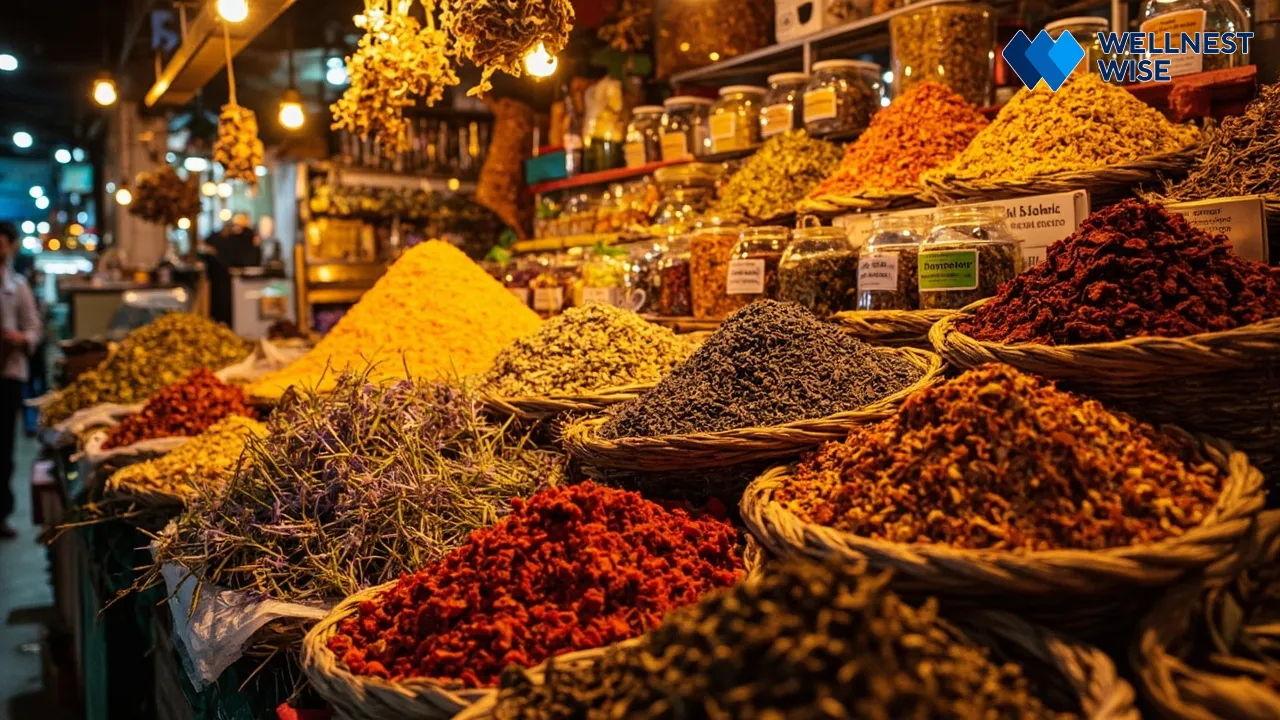
The effectiveness of your Masala Chai largely depends on the quality of its ingredients. Opt for whole spices whenever possible, as they retain their essential oils and potency better than pre-ground varieties. Look for organic, fair-trade options from reputable spice merchants. Freshly grinding your spices before brewing will release the most vibrant aromas and flavors, enhancing both your experience and the holistic health benefits.
Decoding Caffeine Content in Your Daily Brew
The caffeine content in chai is a common question. A standard 8-ounce serving of Masala Chai typically contains between 30-60 mg of caffeine, originating from the black tea base [1]. This is less than a cup of coffee (which can range from 95-200 mg) but more than most herbal teas. It provides a gentle lift, making it a good choice for a morning pick-me-up or an afternoon energizer without excessive stimulation.
Comparing Masala Chai with Other Warming Beverages
To put Masala Chai’s unique profile into perspective, let’s compare it with a few other popular warming drinks.
| Beverage Name | Key Ingredients | Primary Health Benefits | Caffeine Content (approx. per 8 oz) | Typical Caloric Range (per 8 oz) |
|---|---|---|---|---|
| :—————— | :———————————————- | :——————————————————— | :———————————- | :——————————- |
| Masala Chai | Black tea, ginger, cardamom, cinnamon, milk | Digestion, anti-inflammatory, antioxidant, immune support | 30-60 mg | 60-150 kcal |
| Turmeric Latte | Turmeric, ginger, black pepper, milk | Anti-inflammatory, antioxidant, immune support | 0 mg (if no tea) | 80-180 kcal |
| Plain Black Tea | Black tea | Antioxidant, alertness, cardiovascular support | 30-60 mg | 0-10 kcal |
| Herbal Infusion | Various herbs (e.g., chamomile, peppermint) | Calming, digestive, specific herbal benefits | 0 mg | 0-5 kcal |
This table highlights Masala Chai’s distinct combination of caffeine, milk, and a broad spectrum of potent spices, offering a diverse array of benefits.
Embracing a Warming Tradition for Holistic Well-being
From the bustling streets of Tehran where tea is a way of life, to a quiet kitchen in North America, the allure of Masala Chai transcends borders. It’s more than just a drink; it’s an invitation to slow down, connect with ancient traditions, and nourish your body with wholesome, natural ingredients.

Masala Chai as Part of a Balanced Diet and Lifestyle
Integrating Masala Chai into your daily routine can be a delightful way to support a balanced diet and a holistic lifestyle. By choosing quality ingredients and mindful preparation, you can enjoy its rich flavors and extensive health benefits without excess. Think of it not just as a beverage, but as a small act of self-care, a moment of warmth and nourishment that contributes to your overall well-being. It can be a comforting start to your day or a soothing afternoon treat, always offering that unique blend of flavor and wellness.
Key Takeaways: The Enduring Charm and Benefits of This Spiced Tea
The holistic health benefits of traditional Masala Chai are truly remarkable. We’ve seen how its core ingredients — black tea and a blend of warming spices like ginger, cardamom, cinnamon, cloves, and black pepper — work in synergy to offer:
- Digestive Comfort: Soothing the gut and aiding digestion.
- Anti-inflammatory Action: Reducing inflammation and cellular damage.
- Immune Support: Strengthening the body’s natural defenses.
- Stress Reduction: Calming the mind and promoting relaxation.
- Cardiovascular Health: Potentially supporting heart function.
By understanding its components and crafting it with care, you can transform a simple cup of Masala Chai into a potent elixir for both body and mind. So, next time you brew a cup, remember the rich tradition and scientific backing behind every aromatic sip.
FAQ
Practical, scientific Q&A
Is Masala Chai truly an anti-inflammatory drink?
Yes, Masala Chai is considered an anti-inflammatory drink due to its rich blend of spices. Key ingredients like ginger, cinnamon, and cloves contain potent compounds (e.g., gingerol, cinnamaldehyde, eugenol) that have scientifically documented anti-inflammatory and antioxidant properties [1, 2]. These compounds work together to help reduce oxidative stress and inflammation in the body.
How does Masala Chai compare to regular black tea for health?
Masala Chai offers a distinct advantage over regular black tea due to its added spices and milk. While black tea itself provides antioxidants and caffeine, the spices in chai (ginger, cardamom, cinnamon, cloves, black pepper) introduce additional benefits such as improved digestion, blood sugar regulation, and enhanced anti-inflammatory effects [1]. The milk also adds protein and calcium, making it a more nutritionally complete, albeit calorically denser, beverage.
Can Masala Chai really help with digestion or inflammation?
Absolutely. Many people experience relief from digestive discomfort after drinking Masala Chai, thanks to spices like ginger and cardamom which are known for their carminative and digestive-aid properties [1]. For inflammation, the combined antioxidant and anti-inflammatory compounds from spices like cinnamon, ginger, and cloves contribute to reducing systemic inflammation [2]. While more direct clinical studies on the beverage as a whole are beneficial, the individual spice benefits are well-established.
What are the main benefits of the spices in Masala Chai?
The main Masala Chai benefits from its spices include:
- Ginger: Aids digestion, reduces nausea, anti-inflammatory.
- Cardamom: Supports gut health, antimicrobial properties, aromatic stress reduction.
- Cinnamon: Helps regulate blood sugar, high in antioxidants.
- Cloves: Rich in antioxidants, antimicrobial potential.
- Black Pepper: Enhances nutrient absorption and bioavailability of other spices [1, 2, 3].
What is the typical caffeine content in a cup of Masala Chai?
An 8-ounce cup of Masala Chai typically contains between 30-60 mg of caffeine. This comes primarily from the black tea base. It’s generally less caffeine than a standard cup of coffee, offering a milder energizing effect [1].
Is Masala Chai suitable for daily consumption?
Yes, in moderation and with mindful preparation, Masala Chai can be enjoyed daily as part of a balanced diet. To maximize health benefits, opt for fresh, whole spices, minimize added sugars, and consider healthier milk alternatives. If you have caffeine sensitivity or specific health concerns, consult a healthcare professional.