The aroma of fried onions and roasted eggplant, a scent that instantly transports you to a vibrant Iranian kitchen, often signals the making of Kashk-e Bademjan. My own first encounter with this beloved Persian eggplant dip was a revelation: a creamy, tangy, and deeply satisfying experience that transformed my view of vegetarian cuisine. It’s a dish that embodies both comfort and sophisticated flavor, offering a taste of Iran’s rich culinary heritage. This article will guide you through crafting this authentic creamy eggplant dish, exploring its unique ingredients, health benefits, and adaptable preparation methods. Let’s dive into the heart of Persian cooking.
Unveiling Kashk-e Bademjan: A Culinary Journey into Iranian Cuisine
Step into any Iranian home or restaurant, and you’re likely to find Kashk-e Bademjan proudly gracing the table. More than just an appetizer, this versatile dish showcases the intricate balance of flavors and textures characteristic of Iranian cuisine. It’s a testament to how simple, wholesome ingredients can be transformed into something truly extraordinary, making it a favorite among those exploring Middle Eastern vegetarian options. Prepare to discover the allure behind this culinary gem.
Defining Kashk-e Bademjan: A Beloved Persian Vegetarian Delicacy
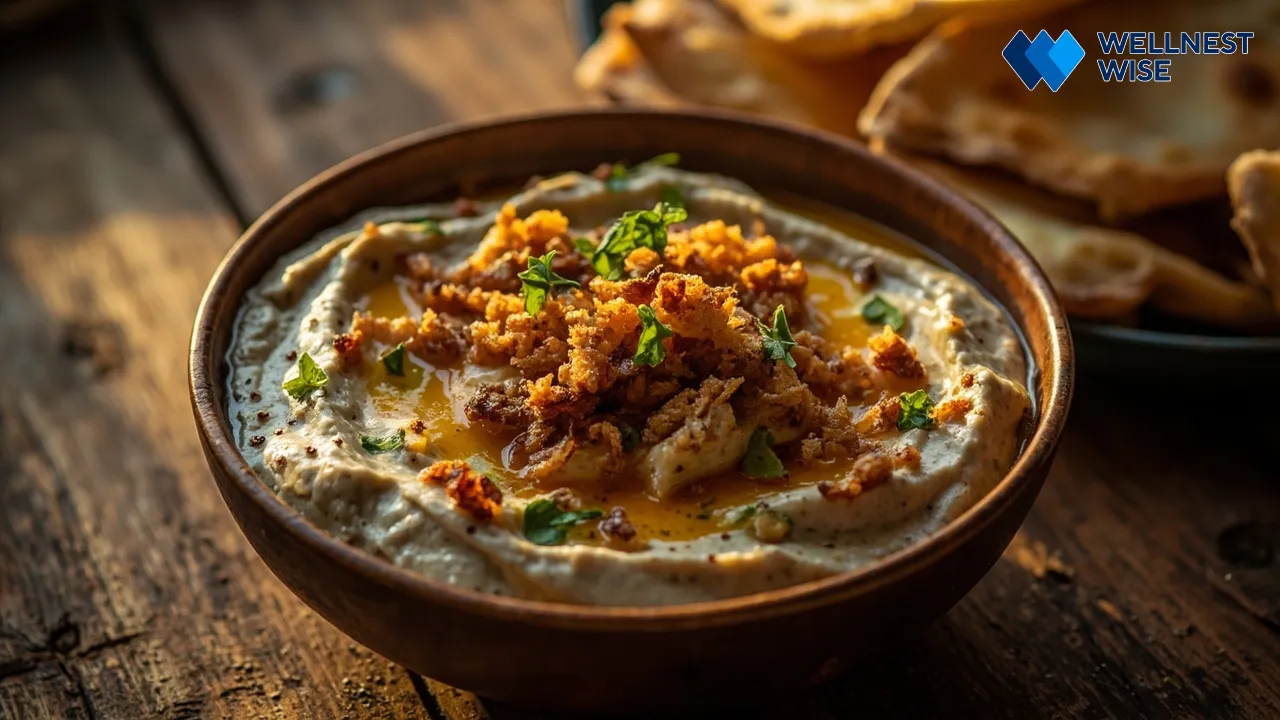
At its core, Kashk-e Bademjan is a rich, savory dip or spread made from mashed eggplants (Bademjan) combined with kashk, a unique fermented whey product. The dish is typically seasoned with fried onions, garlic, dried mint, and turmeric, creating a complex flavor profile that is both earthy and tangy. Often served warm, it’s a cornerstone of Persian vegetarian dishes, cherished for its comforting appeal and satisfying depth. It’s an excellent way to savor a flavorful plant-based meal.
The Distinctive Flavor Profile and Creamy Texture
What truly sets Kashk-e Bademjan apart is its remarkable interplay of flavors and textures. The eggplant, whether roasted or fried, lends a smoky, tender base that almost melts in your mouth. This is beautifully complemented by the kashk, which introduces a distinctive sour and salty tang, balancing the richness of the eggplant. The sautéed mint and crispy fried onions add layers of aromatic freshness and delightful textural contrast, creating a complex and incredibly addictive experience that makes this creamy eggplant dish unforgettable.
Cultural Significance: More Than Just a Dish
Beyond its delicious taste, Kashk-e Bademjan holds a special place in Iranian culture. It’s a symbol of hospitality, frequently prepared for family gatherings, celebrations, and as an inviting offering to guests. Sharing a plate of this fragrant dip with warm flatbread is a gesture of warmth and togetherness, reflecting the deep culinary traditions and the heart of Iranian homes. It’s a dish that narrates stories and creates lasting memories.
The Nutritional Powerhouse: Health Benefits of this Persian Eggplant Dip [Gut Health & Nutrition]
Many traditional dishes, like Kashk-e Bademjan, are surprisingly rich in nutrients, offering more than just delicious flavors. This Persian eggplant dip beautifully combines the goodness of vegetables with the benefits of fermented dairy, making it an excellent choice for supporting overall well-being. From aiding digestion to boosting immunity, its core ingredients contribute significantly to a balanced diet. Let’s explore how this delightful dish can be a true ally for your gut and general health.
Core Ingredients and Their Wellness Contributions to a Balanced Diet
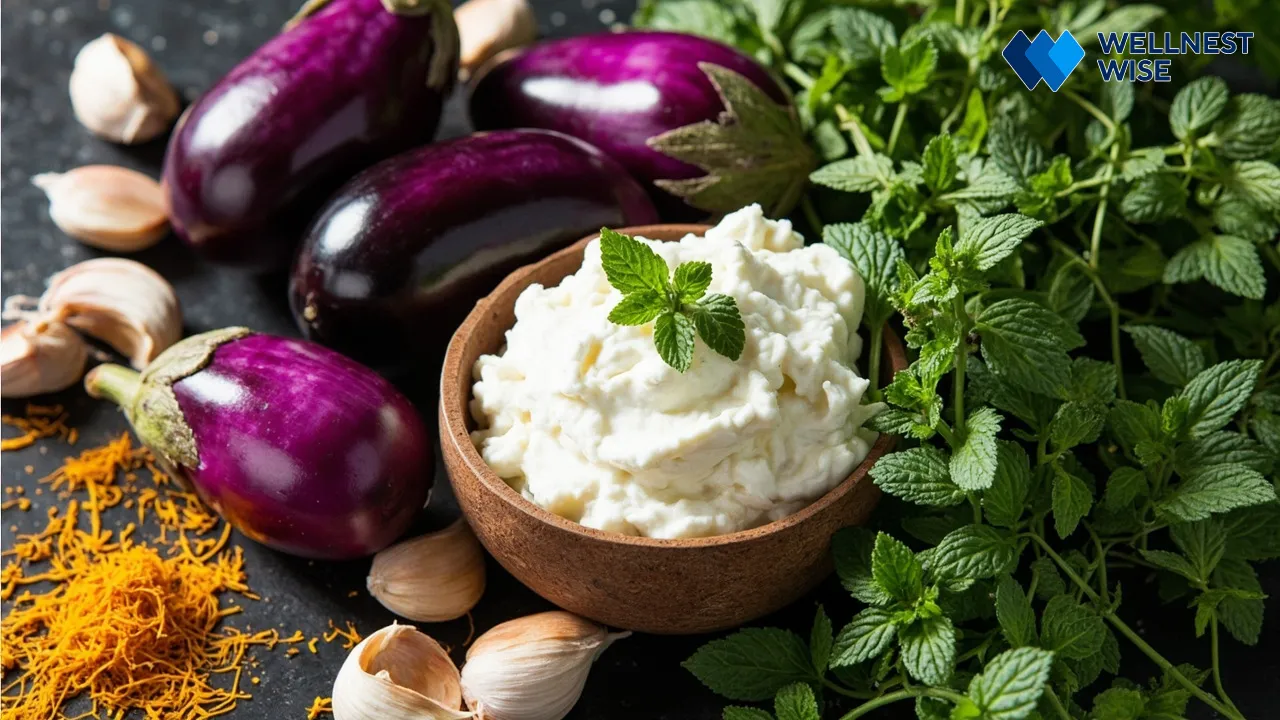
The strength of Kashk-e Bademjan lies in its simple yet powerful ingredients. Each component, from the star eggplant (Bademjan) to the unique kashk and vibrant spices, plays a crucial role in providing essential nutrients. This synergy of ingredients not only creates an incredible taste but also offers a spectrum of vitamins, minerals, fiber, and probiotics, making it a truly holistic addition to any meal plan focused on gut health and nutrition.
Dietary Fiber from Eggplant (Bademjan): Supporting Digestive Health
Eggplants, the primary ingredient in Kashk-e Bademjan, are an excellent source of dietary fiber, providing around 3 grams per 100g [3]. This fiber is vital for maintaining a healthy digestive system, aiding in regular bowel movements, and preventing constipation. Moreover, a diet rich in fiber can contribute to a feeling of fullness, potentially assisting with weight management, and is linked to a reduced risk of cardiovascular disease [3]. The antioxidants like nasunin in eggplant skin also protect cells from damage [1].
Probiotics from Kashk: Aiding Gut Microbiota Balance and Immunity
The distinctive kashk is a traditional fermented whey product, making it a valuable source of beneficial probiotics. These live cultures are known to support a healthy gut microbiota, fostering a balanced environment that can enhance digestion and nutrient absorption. Furthermore, a robust gut microbiome is intrinsically linked to a stronger immune system, helping the body ward off infections and maintain overall health [2]. Kashk is also rich in calcium and protein, offering further nutritional advantages [2].
Antioxidants and Anti-inflammatory Properties in Traditional Herbs and Spices
Beyond the eggplant and kashk, the traditional herbs and spices used in Kashk-e Bademjan contribute significantly to its health benefits. Turmeric, for instance, is renowned for its potent anti-inflammatory and antioxidant properties. Garlic and onions add not only incredible flavor but also compounds that support immune function and heart health. The inclusion of fresh or dried mint provides additional antioxidants and aids in digestion, creating a truly nourishing and healthful Persian eggplant dip [1].
I remember the first time I tried Kashk Bademjan at a small family-run Iranian restaurant. The creamy yet tangy texture immediately caught my attention—it was unlike any other eggplant dish I had tasted before. As someone who usually approaches fermented foods cautiously, the kashk’s slightly sour undertone pleasantly surprised me, adding a depth of flavor without overwhelming the palate. After eating it regularly during a short stay in Iran, I felt a noticeable improvement in my digestion and less bloating, which I later associated with the probiotic properties of kashk combined with the fiber from eggplants. It became a comforting dish that connected me with Iranian culture while contributing positively to my nutritional well-being.
Mastering Authentic Kashk-e Bademjan: A Step-by-Step Culinary Guide
Creating truly authentic Kashk-e Bademjan is a rewarding culinary adventure that hinges on quality ingredients and traditional techniques. This guide will walk you through each crucial step, from selecting the perfect eggplant to achieving that ideal creamy consistency and rich flavor. Whether you’re a seasoned chef or a curious home cook, mastering this Kashk-e Bademjan recipe will bring a taste of Iran right into your kitchen. Let’s get cooking!
Essential Ingredients for an Authentic Persian Taste
To achieve that truly traditional flavor, selecting the right Kashk bademjan ingredients is paramount. Each component plays a vital role in building the dish’s unique character.
- Two large, firm eggplants (Bademjan): Look for glossy, heavy eggplants without blemishes.
- One cup traditional Kashk (fermented whey): The heart of the dish, providing its signature tang.
- One large yellow onion, thinly sliced or finely chopped: Forms the aromatic base.
- Four cloves of garlic, minced: Essential for depth of flavor.
- Two tablespoons dried mint (Na’na Daagh): Crucial for the aromatic garnish and flavor.
- One teaspoon turmeric powder: Adds color and earthy notes.
- Olive oil or vegetable oil for cooking: For frying or roasting.
- Salt and black pepper to taste: To enhance all the flavors.
- Optional garnishes: Chopped walnuts, fried onions, extra dried mint for a beautiful presentation.
Choosing the Best Eggplants (Bademjan) for Optimal Texture
The quality of your eggplant significantly impacts the final texture of your Kashk-e Bademjan. Opt for firm, heavy eggplants with shiny, taut skin. Avoid those that are soft, bruised, or appear wrinkly, as these may be bitter or have a mealy texture. Smaller to medium-sized eggplants tend to have fewer seeds and a milder flavor, contributing to a smoother, more palatable dip.
Understanding Kashk: The Heart of the Flavor
Kashk is the defining ingredient, a concentrated, tangy fermented whey product that gives the dish its unique sour and salty kick. It’s typically white, thick, and can be found in Iranian or Middle Eastern grocery stores, often in liquid or dried forms. If using dried kashk, reconstitute it with water overnight. Its distinct savory flavor is irreplaceable, though we’ll discuss substitutions later.
Aromatic Enhancers: The Role of Onion, Garlic, and Mint
The interplay of onion, garlic, and mint creates the aromatic foundation of Kashk-e Bademjan. Finely chopped or sliced onions are slowly caramelized to bring out their sweetness, which balances the tang of the kashk. Garlic adds a pungent depth, while dried mint, often fried briefly in oil (Na’na Daagh), contributes a crisp, refreshing, and deeply aromatic finish that is truly Persian.
Spice Essentials: Turmeric for Color and Depth
Turmeric is more than just a spice for color in this dish; it adds a warm, earthy undertone that complements the other flavors. Just a teaspoon of high-quality turmeric powder gives the Kashk-e Bademjan its characteristic golden hue and a subtle, appealing depth, without overpowering the delicate balance of the other ingredients.
Traditional Preparation Methods: Roasting vs. Frying Eggplant for Flavor and Texture
Traditionally, eggplants for Kashk-e Bademjan are often fried until golden brown and tender, which yields a rich, deep flavor and a wonderfully soft texture. However, many contemporary recipes, mindful of health, opt for roasting or grilling the eggplant. While frying imparts a distinct richness, roasting can achieve a similar smoky depth with significantly less oil, making for a healthier eggplant recipe without compromising too much on flavor.
Detailed Recipe: Crafting Your Creamy Kashk-e Bademjan
Follow these steps to create an authentic and delicious Kashk-e Bademjan. This how to make Kashk-e Bademjan guide ensures a rich, creamy, and flavorful result.
Preparing the Eggplant: Salting, Rinsing, and Cooking
- Peel and Slice: Peel the eggplants and slice them lengthwise into ½-inch thick pieces.
- Salt and Rest: Generously sprinkle salt on both sides of the eggplant slices. Let them sit for 30-60 minutes to draw out excess moisture and bitterness.
- Rinse and Dry: Rinse the eggplant slices thoroughly under cold water to remove the salt, then pat them completely dry with paper towels. This step is crucial for preventing soggy eggplant.
- Cook Eggplant: You can either fry them in hot oil until golden brown and soft, or for a lighter option, roast them in a preheated oven at 400°F (200°C) with a drizzle of oil until tender (about 25-30 minutes). Once cooked, mash the eggplant using a fork or potato masher.
Sautéing Aromatics: Developing the Flavor Base
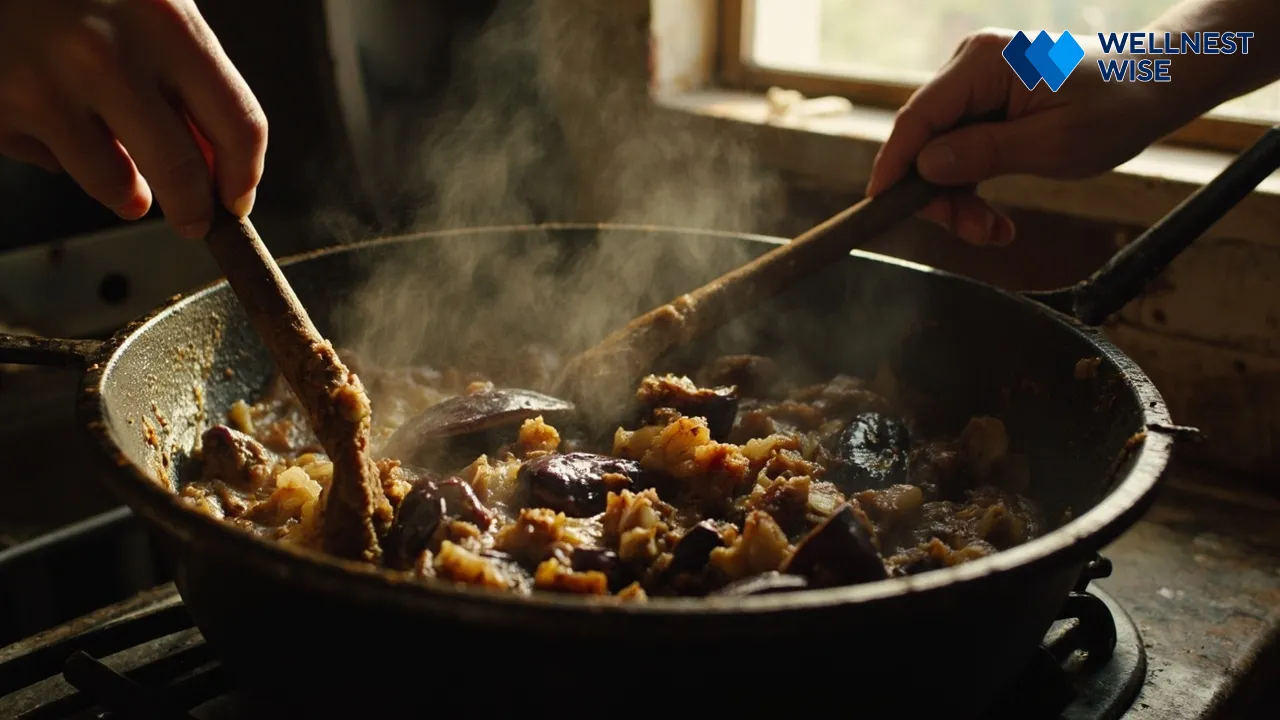
- Fry Onions: In a large pan, heat some oil over medium heat. Add the sliced onions and sauté slowly until they are deeply golden brown and caramelized (this can take 15-20 minutes). Set aside about a quarter of the fried onions for garnish.
- Sauté Garlic & Turmeric: Add the minced garlic to the pan with the remaining onions and sauté for 1-2 minutes until fragrant. Stir in the turmeric powder and cook for another minute.
Combining and Mashing the Ingredients to Perfection
- Combine: Add the mashed eggplant to the pan with the sautéed onions, garlic, and turmeric. Mix well.
- Simmer: Add about ½ cup of water (or vegetable broth for more flavor) to the mixture. Bring to a simmer, cover, and cook for 15-20 minutes over low heat, allowing the flavors to meld.
- Mash: Using a potato masher or the back of a spoon, mash the eggplant mixture vigorously until it reaches a creamy, somewhat chunky consistency. Some prefer it completely smooth, others a bit textured.
Finishing Touches with Kashk and Garnish for Presentation
- Add Kashk: Stir in the traditional kashk into the eggplant mixture. Cook for another 5-7 minutes, stirring occasionally, until the dip is heated through and slightly thickened. Taste and adjust salt and pepper.
- Prepare Mint Garnish (Na’na Daagh): In a small pan, heat a tablespoon of oil over medium heat. Add the dried mint and fry for just 30 seconds until fragrant and crispy (be careful not to burn it, as it turns bitter quickly).
- Serve and Garnish: Transfer the Kashk-e Bademjan to a serving bowl. Drizzle with a little extra liquid kashk (if desired) and garnish generously with the reserved fried onions, the fried mint (Na’na Daagh), and a sprinkle of chopped walnuts. Serve warm with warm flatbread.
Adapting Kashk-e Bademjan for Modern Lifestyles: Healthier & Dietary Options
While traditionally rich, Kashk-e Bademjan can easily be adapted to fit healthier and more diverse dietary preferences without losing its authentic charm. Whether you’re aiming to reduce fat, explore vegan alternatives, or simply lighten up your meals, there are simple adjustments you can make. This section delves into smart modifications that maintain the soul of this vegetarian Persian food while catering to contemporary health goals.
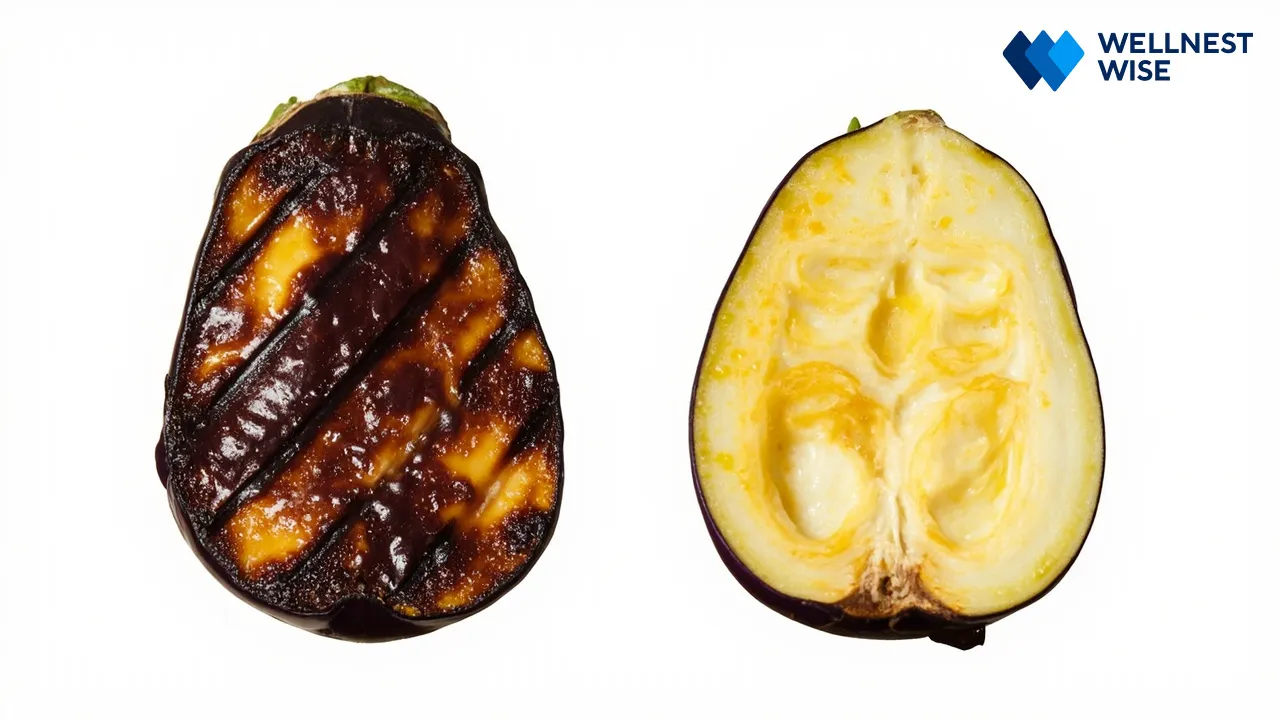
Lighter Eggplant Preparation: Baking or Grilling for Reduced Oil Content
To significantly reduce the calorie and fat content of your Kashk-e Bademjan, consider baking or grilling your eggplant instead of frying. Roasting eggplant halves in the oven until tender or grilling slices on a barbecue brings out a lovely smoky flavor with minimal oil. This approach creates a lighter yet equally flavorful base for your healthy eggplant recipe, making it more suitable for a balanced diet.
| Preparation Method | Flavor Profile | Texture | Oil Content | Effort/Time | Benefits |
|---|---|---|---|---|---|
| :—————– | :——————- | :——————- | :—————- | :————————— | :——————————————- |
| Traditional Frying | Rich, deep, slightly sweet | Very creamy, tender | High | Moderate, requires attention | Intense flavor, classic authenticity |
| Baking/Roasting | Earthy, smoky, mellow | Soft, slightly firm | Low | Low, hands-off | Healthier, preserves nutrients, less messy |
| Grilling | Distinctly smoky | Slightly chewy, tender | Very Low (optional) | Moderate, outdoor option | Lightest, unique char flavor, low-calorie |
Exploring Vegan Alternatives to Kashk: Achieving Similar Tang and Creaminess
For those following a vegan diet, replicating the unique tang and creaminess of kashk can be a challenge, but it’s certainly possible. A popular vegan alternative to kashk involves blending soaked cashews with lemon juice, a touch of apple cider vinegar, and a pinch of nutritional yeast. This mixture can mimic the sour, umami notes and creamy texture. Another option is a thick, unsweetened plain vegan yogurt (like almond or cashew-based) mixed with a bit of miso paste for depth. These substitutions allow everyone to enjoy this delicious Persian eggplant dip.
Reducing Fat Content without Compromising Authentic Persian Flavor
Beyond opting for baked or grilled eggplant, there are other ways to reduce the overall fat content in your Kashk-e Bademjan without sacrificing its authentic flavor.
- Use less oil when sautéing the onions and garlic, cooking them slowly over lower heat to prevent burning.
- Instead of frying dried mint in a pool of oil, you can dry-toast it lightly in a hot pan for a few seconds.
- Consider using a low-fat or vegan kashk alternative as described above. These small adjustments can make a significant difference, transforming your traditional dish into a guilt-free pleasure while retaining its wonderful taste.
Serving and Enhancing Your Kashk-e Bademjan Experience
The presentation and accompaniments can elevate your Kashk-e Bademjan from a simple dip to a true culinary centerpiece. The final touches are not just for aesthetics; they add layers of flavor, texture, and cultural authenticity. Whether you’re hosting a gathering or enjoying a quiet meal at home, knowing how to serve and store this creamy eggplant dish correctly will ensure maximum enjoyment and freshness.
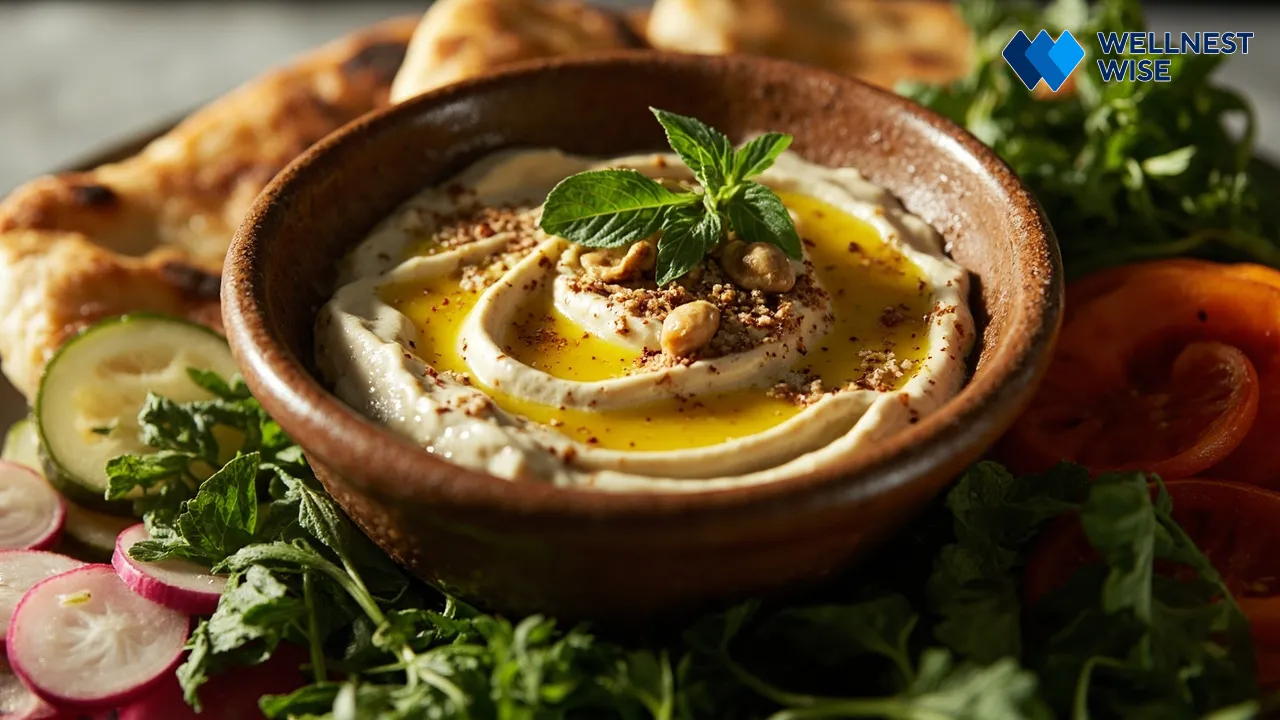
Traditional Garnishes: The Art of Fried Mint, Golden Onion, and Crushed Walnuts
Garnishing Kashk-e Bademjan is an art form in itself, crucial for both visual appeal and enhancing flavor. The most traditional garnishes include:
- Fried Mint (Na’na Daagh): Briefly fried dried mint leaves in oil, offering a fragrant, crispy contrast.
- Golden Fried Onions: Leftover caramelized onions, providing a sweet, savory crunch.
- Crushed Walnuts: Adding a lovely nutty texture and rich flavor.
A swirl of extra liquid kashk on top also creates an inviting pattern and reinforces the signature tang, making the Persian eggplant dip look as good as it tastes.
Ideal Pairings: What to Serve with this Versatile Middle Eastern Dip
Kashk-e Bademjan is incredibly versatile and pairs wonderfully with a variety of accompaniments, making it a perfect appetizer dip or even a light main course.
- Warm Persian flatbreads (Naan, Sangak, Lavash): Essential for scooping up the creamy dip.
- Fresh herbs platter (Sabzi Khordan): A mix of mint, basil, tarragon, and radishes offers a refreshing counterpoint.
- Pickled vegetables (Torshi): The sour and tangy flavors of Iranian pickles cut through the richness.
- Plain yogurt or Mast-o Khiar (cucumber yogurt dip): Provides a cooling, creamy balance.
- As an appetizer or side dish alongside rice-based meals: It complements stews and pilafs beautifully.
Storage and Reheating Tips for Optimal Enjoyment and Freshness
To keep your Kashk-e Bademjan tasting its best, store leftovers in an airtight container in the refrigerator for up to 3-4 days. When reheating, gently warm it on the stovetop over low heat, adding a splash of water or vegetable broth if it seems too thick. Avoid high heat, as it can cause the kashk to separate. For best results, add fresh garnishes just before serving to restore its vibrant flavors and textures.
Conclusion & Takeaways
From its humble ingredients to its cherished place in Iranian culture, Kashk-e Bademjan is a truly remarkable dish. This creamy Persian eggplant dip isn’t just a delight for the taste buds; it’s a nutritional powerhouse, offering fiber, probiotics, and antioxidants that support gut health and overall well-being. By embracing traditional methods while also exploring lighter, adaptable options, you can enjoy this versatile vegetarian Persian food in a way that perfectly suits your lifestyle.
So, gather your ingredients, follow our Kashk-e Bademjan recipe step-by-step, and embark on a flavorful journey. Whether you serve it as an elegant appetizer or a hearty main, this authentic dish promises to bring warmth, flavor, and a touch of Iranian hospitality to your table. Don’t hesitate—dive in and discover the magic of this healthy eggplant recipe for yourself!
FAQ
What is the Best Way to Store Leftovers and How Long Does It Last?
Store leftover Kashk-e Bademjan in an airtight container in the refrigerator. It typically lasts for 3-4 days. For optimal freshness, ensure it cools completely before refrigerating.
Can I Prepare Kashk-e Bademjan Ahead of Time for Entertaining?
Absolutely! Kashk-e Bademjan is an excellent make-ahead dish. You can prepare it a day or two in advance. Reheat gently on the stovetop over low heat, adding a little water or broth if needed, and add fresh garnishes just before serving to restore its appeal.
What if I Can’t Find Traditional Kashk? Exploring Substitutions
If traditional kashk isn’t available, you can use a thick, plain unsweetened yogurt (Greek yogurt or labneh) mixed with a pinch of salt and a squeeze of lemon juice to mimic the tang. For a vegan option, blended cashews with lemon juice and a hint of nutritional yeast offer a good alternative, as detailed earlier.
Is Kashk-e Bademjan Naturally Gluten-Free and Vegetarian?
Yes, authentic Kashk-e Bademjan is naturally vegetarian as its main ingredients are eggplant, kashk, and vegetables. It is also gluten-free, provided no gluten-containing ingredients are added during preparation. Always check ingredient labels for any processed items (like pre-made fried onions) to ensure they are free from gluten.