Many of us have wrestled with diet plans that promise much but deliver little, leaving us feeling restricted and frustrated. Imagine a strategy not focused on what you eat, but when. Intermittent fasting (IF), a dietary approach cycling between periods of eating and voluntary fasting, has garnered significant scientific interest for its potential beyond mere calorie restriction, particularly in metabolic health and weight management [describe]. This article will explore the scientific underpinnings and practical applications of IF, offering a clear roadmap for understanding its benefits and considerations.
Understanding Intermittent Fasting: Principles and Patterns
Intermittent fasting isn’t just another diet; it’s a strategic approach to when you eat, rather than a strict limitation on what you consume. By consciously creating periods of fasting, we can tap into our body’s ancient metabolic pathways, which have evolved over millennia. This method focuses on timing, offering a flexible framework to align eating with physiological needs and unlock various health benefits.
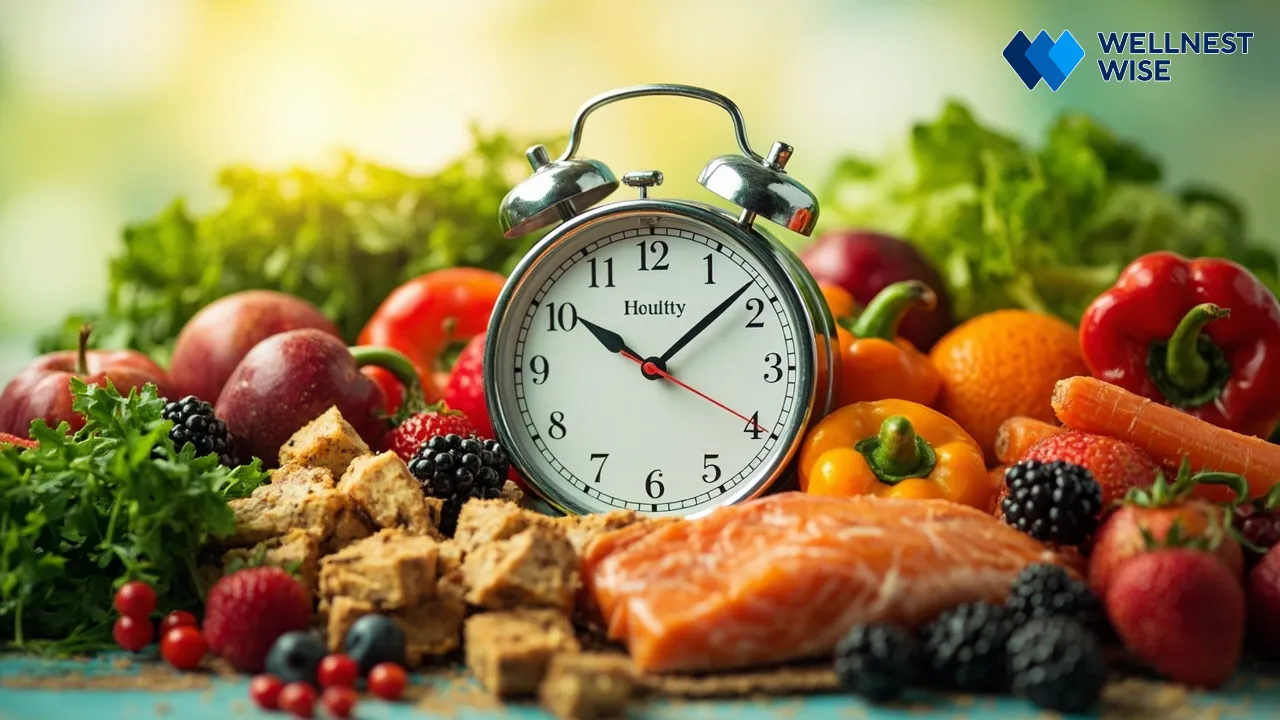
What Exactly is Intermittent Fasting (IF) and How Does it Work?
At its core, Intermittent Fasting (IF) involves a deliberate and recurring pattern of abstaining from food and calorie-containing beverages for specified periods. Unlike continuous calorie restriction, which focuses on daily caloric intake, IF emphasizes the timing of meals. This practice leverages our body’s natural processes, shifting its focus from constant digestion to repair and metabolic adaptation during fasting windows.
The Core Concept: Cycling Between Eating and Fasting States
The fundamental principle of IF is the cyclical alternation between an eating window and a fasting window. During the fasting period, the body uses up its readily available glucose stores and then begins to tap into stored fat for energy. This metabolic shift is central to many of the observed benefits. When practiced consistently, these cycles can influence everything from cellular function to hormone regulation.
Beyond Calorie Counting: The Role of Strategic Meal Timing
While calorie intake remains a crucial factor for weight loss, IF introduces the concept that when you eat can be as important as what and how much. By creating defined fasting periods, IF naturally leads to a reduction in overall calorie intake for many individuals [data and fact 2]. However, the real power lies in the physiological changes triggered by the fasting state, which extend beyond simple caloric deficits to impact metabolic flexibility, insulin sensitivity, and cellular repair processes.
The Biological Clock: How Intermittent Fasting Impacts Your Physiology
Our bodies are incredibly adaptable, and introducing periods of fasting triggers a cascade of sophisticated biological responses. This shift isn’t about deprivation; it’s about activating internal mechanisms that have been fine-tuned over evolutionary history to promote cellular resilience and metabolic efficiency. Understanding these internal processes helps explain why IF is gaining traction in scientific communities.

Metabolic Switching: Shifting from Glucose to Ketone Utilization
One of the most significant physiological adaptations during fasting is metabolic switching. After several hours without food, your body depletes its primary fuel source, glucose (sugar). It then transitions to burning stored fat for energy, producing compounds called ketones. This shift from glucose to ketone utilization not only aids in fat loss but also provides a stable, efficient energy source for the brain, potentially improving mental clarity and focus. Research published in PMC provides scientific explanations of these biological mechanisms [sources].
Cellular Repair and Renewal: The Autophagy Mechanism Explained
Beyond energy metabolism, fasting also kickstarts essential cellular maintenance. A process called autophagy (from Greek, meaning “self-eating”) is significantly enhanced during fasting periods. Autophagy is a natural, regulated mechanism that removes damaged cells, cellular debris, and dysfunctional proteins, recycling them for new cell components and energy. This cellular cleanup is vital for cellular health, rejuvenation, and potentially plays a role in disease prevention and longevity.
Hormonal Harmony: Insulin Sensitivity and Growth Hormone Regulation
Intermittent fasting profoundly impacts key hormones. During fasting, insulin levels drop significantly, improving insulin sensitivity. This means your cells become more responsive to insulin, requiring less of the hormone to process blood sugar. Elevated insulin sensitivity is crucial for preventing conditions like Type 2 diabetes. Additionally, fasting can lead to an increase in human growth hormone (HGH), a hormone vital for muscle growth, fat metabolism, and overall cellular repair [describe].
Reducing Oxidative Stress and Activating Anti-Inflammatory Pathways
Fasting can also reduce oxidative stress, a state of imbalance between free radicals and antioxidants in the body that can lead to cellular damage and chronic disease. By promoting the body’s natural antioxidant defenses, IF helps protect cells. Furthermore, some studies suggest that IF can activate anti-inflammatory pathways, potentially lowering markers of systemic inflammation [describe]. However, the extent of anti-inflammatory responses in humans is an area of ongoing research, with some studies showing mixed results when calorie intake is controlled [comparative analysis].
Unlocking Health Potential: Evidence-Based Benefits of Intermittent Fasting
The scientific community continues to explore the wide-ranging effects of intermittent fasting, and a growing body of evidence points to several compelling health benefits. From managing weight to improving metabolic markers, IF offers a multifaceted approach to wellness, though individual results can vary significantly.

Effective Strategies for Sustainable Weight Loss and Body Composition Improvement
Perhaps the most widely recognized benefit of intermittent fasting is its effectiveness for weight loss. By naturally reducing eating opportunities, many people find they consume fewer calories overall. Studies have shown that IF can lead to a significant reduction in body weight, approximately 8% of initial body weight over 8 weeks in overweight adults [data and fact 1]. This weight loss is often accompanied by a positive shift in body composition, reducing fat mass while helping to preserve lean muscle mass. Harvard Public Health highlights IF as a practical approach to caloric restriction with clinical relevance [sources].
“After several years of struggling with fluctuating weight and insulin resistance, I decided to try a 16:8 intermittent fasting protocol, eating only between noon and 8 p.m. Initially, the hardest part was the morning fasting period, but after about two weeks, I noticed my energy stabilizing throughout the day. Over three months, I lost about 10 pounds without changing the quality of my food dramatically. My blood glucose levels improved noticeably during routine check-ups, and I felt less bloated and more focused in the late morning hours. What surprised me most was the psychological benefit — feeling more in control without obsessing over constant snacking. However, while weight loss was clear, some days fasting felt mentally challenging, especially during social meals, highlighting the importance of personal adaptation and balance.”
– Personal Experience
Enhancing Insulin Sensitivity and Blood Sugar Control
One of the most consistent findings in IF research is its positive impact on insulin sensitivity and blood sugar control. By allowing insulin levels to drop for extended periods, the body becomes more efficient at responding to insulin, which is crucial for preventing and managing metabolic disorders. A landmark study, for instance, showed that pre-diabetic men improved blood sugar control with daily time-restricted eating [data and fact 5].
Potential for Managing Prediabetes and Type 2 Diabetes
For individuals with prediabetes or Type 2 diabetes, IF can be a powerful tool, always under medical supervision. Improved insulin sensitivity can help lower fasting glucose levels and reduce the need for certain medications. The consistent reduction in blood sugar spikes throughout the day can also contribute to better overall glycemic control, offering a promising avenue for disease management.
Cardiovascular Health Markers: Impact on Blood Pressure and Lipid Profiles
Beyond blood sugar, IF may also contribute to better cardiovascular health. Some research indicates that intermittent fasting can lead to reductions in blood pressure and improvements in lipid profiles, including lower levels of “bad” LDL cholesterol and triglycerides. These changes are vital for reducing the risk of heart disease, a leading global health concern.
The Nuance of Inflammation Reduction: What Scientific Research Indicates
While earlier research in animal models showed robust anti-inflammatory effects from IF, human studies present a more nuanced picture. Some interventions have observed a reduction in pro-inflammatory markers such as IL-6, TNF-α, and CRP [data and fact 3]. However, findings can be inconsistent, with some trials showing less pronounced anti-inflammatory responses in humans, especially when calorie intake is carefully controlled [comparative analysis]. This suggests that weight loss itself may be a key mediator of inflammation reduction, rather than fasting timing alone [describe, comparative analysis].
Brain Health and Neuroprotection: Emerging Areas of Study
The impact of intermittent fasting on brain health is an exciting and emerging area of research. Animal studies suggest that IF can enhance neuroprotection, potentially improving cognitive function and increasing resistance to neurodegenerative diseases. This may be linked to the increased production of brain-derived neurotrophic factor (BDNF), a protein that supports the growth and survival of neurons. While human studies are still limited, the potential for IF to support long-term brain health is a significant focus for future research.
Navigating Intermittent Fasting Protocols: Finding Your Fit
The beauty of intermittent fasting lies in its flexibility; there isn’t just one way to do it. Different IF protocols cater to various lifestyles and preferences, allowing individuals to find an approach that feels sustainable and effective for their unique needs. Understanding these methods is the first step towards personalizing your fasting journey.

Popular Intermittent Fasting Methods and Their Structures
| Protocol Name | Fasting Period | Eating Window | Frequency | Key Characteristics/Advantages |
|---|---|---|---|---|
| :———————- | :—————— | :—————– | :—————- | :—————————————————————————————————————————————————————————————————————————————————————————————————————————————- |
| 16/8 Method | 16 hours daily | 8 hours daily | Daily | Most popular and manageable. Often involves skipping breakfast and eating during an 8-hour window (e.g., 12 PM to 8 PM). Easy to integrate into daily life; good for beginners. |
| 14/10 Method | 14 hours daily | 10 hours daily | Daily | A gentler version of 16/8, often preferred by women or those new to IF. Shorter fasting window can be easier to sustain daily, still offering metabolic benefits. |
| 5:2 Method | 2 non-consecutive days (500-600 calories on fast days) | 5 days of normal eating | Weekly | Involves eating normally for five days a week and significantly restricting calories (to 500-600 for women, 600-700 for men) on two non-consecutive days. Offers flexibility for social events; less daily restriction. |
| Eat-Stop-Eat | 24 hours | Normal eating | 1-2 times weekly | Involves one or two non-consecutive 24-hour fasts per week (e.g., fasting from dinner on Monday until dinner on Tuesday). More intense, requires careful planning, but can be highly effective for those comfortable with longer fasts. |
| One Meal A Day (OMAD) | ~23 hours | ~1 hour | Daily | Eating all daily calories in a single, large meal. The most restrictive daily method. Can be effective for weight loss, but requires careful nutrient planning to ensure adequate intake within the short window; not for everyone. |
Time-Restricted Eating (TRE): The 16/8 and 14/10 Approaches for Daily Fasting
Time-Restricted Eating (TRE) is perhaps the most widely adopted form of IF. The 16/8 method involves fasting for 16 hours each day and consuming all meals within an 8-hour window (e.g., eating from 1 PM to 9 PM). The 14/10 approach is a slightly shorter fast, with a 14-hour fasting period and a 10-hour eating window, often favored by those just starting or those who find 16 hours too challenging. These daily methods are generally easy to integrate into a busy schedule, as they often just involve skipping one meal, like breakfast.
Alternate-Day Fasting and the 5:2 Method: Weekly Fasting Cycles
For those looking for less frequent but potentially more impactful fasting, methods like Alternate-Day Fasting (ADF) and the 5:2 method involve weekly cycles. ADF entails fasting every other day, often allowing for a small amount of calories (around 500) on “fasting” days. The 5:2 method is similar, but more structured: you eat normally for five days of the week and restrict calories significantly (to 500-600 calories) on two non-consecutive days. These approaches can offer more flexibility on “normal” eating days but require careful planning for fasting days.
Understanding Your Body’s Signals: Personalizing Your IF Schedule
The most effective intermittent fasting protocol is the one you can stick to long-term. This means listening to your body’s signals and adjusting your approach as needed. Consider your lifestyle, energy levels, hunger cues, and social commitments. Some people thrive on a daily TRE schedule, while others prefer weekly fasts. It’s not about forcing a strict regimen, but finding a sustainable pattern that supports your health goals without causing undue stress or discomfort. Experimentation and flexibility are key to personalizing your IF schedule.
Considerations and Cautions: Is Intermittent Fasting Right for Everyone?
While intermittent fasting offers compelling benefits for many, it’s not a one-size-fits-all solution. Just like any significant dietary change, IF requires careful consideration and, for some, professional medical guidance. It’s crucial to understand potential contraindications and be aware of how your body responds.

Who Should Avoid Intermittent Fasting? Key Contraindications and Health Considerations
Intermittent fasting is generally not recommended for everyone. Certain individuals or conditions require strict medical supervision or should avoid IF altogether:
- Pregnant or breastfeeding women: Adequate nutrition is critical during these periods for both mother and baby.
- Individuals with a history of eating disorders: IF can exacerbate disordered eating patterns and unhealthy relationships with food.
- Individuals with specific medical conditions like Type 1 diabetes: Fasting can lead to dangerous fluctuations in blood sugar.
- Individuals on certain medications: Especially those that affect blood sugar, blood pressure, or require food for absorption.
- Children and adolescents: Their growing bodies require consistent nutrient intake.
- Individuals with adrenal fatigue or chronic stress: Fasting can sometimes worsen stress responses.
- Individuals who are underweight or malnourished.
Always consult a healthcare professional before starting any new dietary regimen, especially if you have underlying health conditions.
Potential Side Effects and Practical Strategies for Management
When first starting IF, it’s common to experience some side effects as your body adjusts. These are usually temporary but can be uncomfortable.
Initial Adjustments: Managing Hunger, Fatigue, and Headaches
Many people report increased hunger, fatigue, and headaches during the initial days or weeks of intermittent fasting. These are often signs of your body transitioning to burning fat for fuel. To manage them:
- Hunger: Drink plenty of water, herbal teas, or black coffee. Distraction and keeping busy can also help.
- Fatigue: Ensure you’re getting adequate sleep. Keep your eating window meals nutrient-dense.
- Headaches: Often linked to dehydration or electrolyte imbalance. Increase water intake and consider a pinch of salt.
Maintaining Optimal Hydration and Electrolyte Balance During Fasting
Hydration is paramount during fasting periods. Water, herbal teas, and black coffee are permissible and encouraged. It’s also crucial to maintain electrolyte balance, as fasting can sometimes lead to losses of sodium, potassium, and magnesium. Adding a pinch of sea salt to water or consuming electrolyte-rich, calorie-free beverages can help mitigate symptoms like headaches and muscle cramps.
The Critical Role of Nutrient-Dense Food Choices During Eating Windows
The success of intermittent fasting isn’t just about when you eat; it’s also about what you eat during your eating windows. Filling up on highly processed foods, sugary drinks, and unhealthy fats can negate many of IF’s benefits. Prioritize nutrient-dense whole foods such as lean proteins, healthy fats, plenty of fruits and vegetables, and complex carbohydrates. This ensures your body receives essential vitamins, minerals, and macronutrients, supporting overall health and satiety.
When to Consult a Healthcare Professional or Registered Dietitian
It is always advisable to consult a healthcare professional or registered dietitian before embarking on an intermittent fasting regimen, especially if you have existing health conditions, are taking medications, or are unsure if IF is right for you. They can assess your individual health status, provide personalized guidance, and help you choose the safest and most effective protocol to meet your health goals without compromising your well-being.
Practical Steps for a Successful and Sustainable Intermittent Fasting Journey
Ready to explore intermittent fasting? Taking a thoughtful, gradual approach can make all the difference in achieving long-term success and making IF a sustainable part of your lifestyle. It’s about setting yourself up for success, not just for a few weeks, but for the long haul.

Preparing Your Body and Mind for an Intermittent Fasting Regimen
Before diving in, gradually ease your body and mind into the concept. Start by extending the time between meals for an hour or two, rather than jumping straight into a 16-hour fast. Consider a shorter fasting window like 12/12 or 14/10 for a week or two. Mentally prepare by understanding the “why” behind IF and anticipating initial adjustments like hunger pangs, knowing they are temporary. Planning your eating window meals in advance can also reduce stress.
Smart Food Choices: Maximizing Nutrition and Satiety During Eating Periods
During your eating windows, focus on nutrient-rich, whole foods. Prioritize:
- Lean proteins: Chicken, fish, eggs, legumes, tofu. These are crucial for satiety and muscle maintenance.
- Healthy fats: Avocados, nuts, seeds, olive oil. They provide sustained energy and support hormone function.
- Fiber-rich carbohydrates: Whole grains, fruits, and a wide variety of vegetables. Fiber helps you feel full and supports digestive health.
Avoid processed snacks, sugary drinks, and excessive refined carbohydrates, as they can lead to energy crashes and undermine your efforts.
Hydration Strategies: Essential Water, Herbal Teas, and Electrolytes During Fasting
Staying well-hydrated is non-negotiable during your fasting period.
- Water: Drink plenty of plain water throughout the day.
- Herbal Teas: Unsweetened herbal teas (like green tea, chamomile, peppermint) can help curb hunger and provide antioxidants.
- Black Coffee: In moderation, black coffee can be an appetite suppressant and energy booster.
- Electrolytes: If you experience headaches or muscle cramps, consider adding a pinch of sea salt to your water or using calorie-free electrolyte supplements to replenish essential minerals.
Incorporating Physical Activity: Exercise and Intermittent Fasting Synergy
Many people find that exercise and intermittent fasting can work synergistically. Moderate-intensity exercise, particularly strength training, can be beneficial during a fasted state as it may enhance fat burning and promote muscle protein synthesis when nutrients are consumed afterward. Listen to your body and adjust exercise intensity based on your energy levels. Avoid intense workouts if you feel significantly fatigued during a fast.
Listening to Your Body: Adapting and Adjusting Your Approach for Long-Term Success
The most important aspect of a successful IF journey is listening to your body. If a particular protocol causes undue stress, extreme fatigue, or negatively impacts your mood, it’s okay to adjust. This might mean shortening your fasting window, experimenting with different days, or even taking a break. Intermittent fasting should enhance your well-being, not detract from it. Flexibility and self-awareness are vital for making IF a sustainable and beneficial practice in your life.
Conclusion & Takeaways
Intermittent fasting offers a compelling, evidence-based strategy for enhancing metabolic health and achieving sustainable weight management. By strategically timing your meals, you can unlock powerful physiological adaptations, including metabolic switching, cellular repair through autophagy, and improved hormone regulation. While its benefits are increasingly recognized by scientific institutions like Harvard Public Health, it’s crucial to approach IF with an understanding of its nuances and potential limitations, especially regarding anti-inflammatory effects and individual variability.
The key takeaway is that IF is a flexible tool. There are various protocols, from daily time-restricted eating to weekly fasts, allowing for personalization. However, it’s not suitable for everyone, particularly those with certain medical conditions or a history of eating disorders. Prioritizing nutrient-dense foods during eating windows, staying hydrated, and most importantly, listening to your body’s unique signals are paramount for a safe and effective journey. Consulting a healthcare professional is always the wisest first step to ensure IF aligns with your individual health profile and goals.
FAQ
What exactly is “metabolic switching” in the context of intermittent fasting?
Metabolic switching refers to the body’s shift from using glucose (sugar) as its primary fuel source to burning stored fat and producing ketones for energy during periods of fasting. This typically occurs after 8-12 hours of not eating, once glycogen stores are depleted.
Can intermittent fasting cure Type 2 Diabetes?
While intermittent fasting can significantly improve insulin sensitivity and blood sugar control, potentially leading to remission of prediabetes or better management of Type 2 Diabetes, it is not a “cure.” It’s a powerful tool that can help, but it must be implemented under medical supervision and as part of a comprehensive treatment plan.
How quickly can one expect to see weight loss results with IF?
Weight loss results vary, but many individuals begin to see changes within a few weeks of consistent intermittent fasting, especially if combined with nutrient-dense food choices during eating windows. Studies suggest an average loss of about 8% of initial body weight over 8 weeks for overweight adults [data and fact 1].
Is it safe to exercise while in a fasted state?
For most healthy individuals, moderate-intensity exercise in a fasted state is generally safe and may even enhance fat burning. However, high-intensity or prolonged workouts might be challenging for some, especially when first adapting to IF. Listen to your body, prioritize hydration, and consider timing your more intense workouts during or closer to your eating window if you experience fatigue.
What are “nutrient-dense foods” and why are they important for IF?
Nutrient-dense foods are foods that provide a high amount of vitamins, minerals, and other beneficial compounds relative to their calorie content. Examples include lean proteins, fruits, vegetables, whole grains, nuts, and seeds. They are crucial during IF eating windows to ensure your body receives all necessary nutrients, prevent deficiencies, promote satiety, and maximize the overall health benefits of fasting.