
Have you ever felt caught in a relentless loop, replaying past conversations, dissecting worries, or fixating on future anxieties? This mental treadmill, known as rumination, isn’t just annoying; it can profoundly impact your well-being. Research suggests that while reflecting on issues can be helpful, chronic rumination can trap us, hindering solutions and escalating distress. This article will guide you through understanding, interrupting, and ultimately quieting these repetitive negative thoughts to help you regain mental clarity and control.
Understanding Rumination: What It Is and Why It Persists
Before we can effectively address the persistent churn of overthinking, we must first grasp its nature. Rumination isn’t just occasional contemplation; it’s a deep-seated pattern where the mind incessantly dwells on problems, perceived failures, or negative feelings without moving towards resolution. It’s like being stuck in a mental echo chamber, amplifying distress rather than diminishing it. Understanding this cycle is the first critical step toward breaking free and fostering a calmer mind.

Defining Rumination: The Cycle of Repetitive Negative Thoughts
Rumination is characterized by passively and repetitively focusing on symptoms of distress and possible causes and consequences of these symptoms, rather than on solutions. It’s a self-perpetuating mental loop where an individual dwells on their feelings and thoughts without taking action. Unlike constructive problem-solving, which is goal-oriented, rumination is often passive, abstract, and focused on “why” rather than “how to fix.” This can involve replaying past events, agonizing over what could have been, or catastrophizing future scenarios.
Common Triggers and Underlying Factors Contributing to Ruminative Thinking Patterns
Ruminative thinking patterns don’t appear in a vacuum; they often stem from a combination of internal and external triggers. Recognizing these roots is vital for developing effective interruption strategies.
Stress, Anxiety, and Emotional Regulation Challenges
High levels of stress and anxiety are powerful catalysts for rumination. When our bodies perceive a threat, the brain shifts into a problem-solving mode, which can unfortunately devolve into unproductive overthinking, especially if practical solutions aren’t immediately apparent. Individuals who struggle with emotional regulation may find themselves ruminating as a way to process intense feelings, even if it’s ineffective, because they lack alternative coping mechanisms. This can create a vicious cycle where stress feeds rumination, which in turn exacerbates stress and anxiety.
Perfectionism and Self-Criticism
For many, a strong internal critic fuels rumination. Perfectionism, while sometimes seen as a strength, can lead to constant self-evaluation and dwelling on perceived flaws or mistakes. This relentless self-criticism often involves replaying past events to identify errors, leading to feelings of inadequacy and regret.
“I used to spend hours replaying every little mistake I made at work. My nutritionist helped me realize this wasn’t problem-solving, but self-punishment. Learning to identify it as rumination was a huge first step.” – A client’s reflection on their journey
The Impact of Chronic Rumination on Mental and Physical Health
Persistent rumination isn’t just an unpleasant mental habit; it has significant, far-reaching consequences for both our psychological and physiological well-being.
- Increased risk of anxiety and depression: Rumination is a strong predictor and maintaining factor for both anxiety disorders and major depressive disorder.
- Impaired concentration and reduced problem-solving abilities: The constant mental chatter consumes cognitive resources, making it harder to focus, learn new information, and think creatively to find solutions.
- Sleep disturbances: The overactive mind often prevents falling asleep or staying asleep, leading to chronic fatigue.
- Decreased motivation: Feeling trapped in thought loops can drain energy and make it harder to initiate tasks or pursue goals.
- Potential physical symptoms: Prolonged stress from rumination can manifest as fatigue, muscle tension, tension headaches, or even digestive issues due to the mind-body connection.
- Reduced emotional resilience: Constant negative focus can make individuals less adaptable to life’s challenges.
Exacerbating Anxiety and Depressive Symptoms
Chronic rumination acts as a fertile ground for the escalation of anxiety and depressive symptoms. By constantly dwelling on negative thoughts and feelings, individuals prolong and intensify their negative emotional states. This mental pattern prevents emotional processing and acceptance, pushing the brain deeper into a state of distress, making it harder to break free from the grip of mood disorders.
Impairing Problem-Solving and Decision-Making Abilities
When the mind is consumed by repetitive negative thoughts, its capacity for effective problem-solving and clear decision-making is significantly diminished. Rumination diverts cognitive resources away from constructive thought processes, trapping individuals in an analysis paralysis. Instead of seeking solutions, the focus remains on the problem itself, leading to inaction and a sense of helplessness.
Cognitive Strategies to Interrupt Repetitive Thought Cycles: Practical Mental Tools
Breaking free from the grip of ruminative thinking often begins with a shift in how we interact with our thoughts. Cognitive strategies offer powerful, practical tools to interrupt those relentless loops and foster a greater sense of mental peace. These aren’t about stopping thoughts entirely, which is often impossible, but rather about changing our relationship with them, allowing us to detach and regain control.

Identifying Ruminative Thought Patterns: Catching the Mental Loop
The first step in any cognitive intervention is awareness. You can’t change what you don’t recognize. Identifying ruminative thought patterns means learning to “catch” yourself when you’re stuck in a mental loop. This involves noticing the signs: the repetitive nature of thoughts, the lack of progress toward a solution, and the accompanying feelings of frustration, sadness, or anxiety. Keep a mental note, or even a brief journal, of when these thoughts occur, what triggers them, and how they make you feel. This recognition empowers you to then choose a different mental path.
Challenging Negative Automatic Thoughts (NATs) with Cognitive Restructuring
Once identified, Negative Automatic Thoughts (NATs) – the spontaneous, often distorted thoughts that fuel rumination – can be challenged through cognitive restructuring. This technique, central to Cognitive Behavioral Therapy (CBT), involves questioning the validity and helpfulness of these thoughts. Ask yourself:
- “Is this thought 100% true, or am I jumping to conclusions?”
- “What evidence supports this thought, and what evidence contradicts it?”
- “Is there an alternative explanation?”
- “What would I tell a friend in this situation?”
- “Is this thought helping me, or just making me feel worse?”
By systematically evaluating these thoughts, you can gradually replace them with more balanced and realistic perspectives.
Mindfulness-Based Approaches: Observing Thoughts Without Judgment
Mindfulness offers a gentle yet powerful way to address rumination by cultivating present moment awareness. Instead of engaging with or trying to suppress ruminative thoughts, mindfulness teaches us to simply observe them as they arise, like clouds passing in the sky. The key is to notice thoughts without judgment, without getting tangled in their narrative, and without letting them define your identity. This practice creates a vital distance between you and your thoughts, allowing you to recognize that you are not your thoughts, and they don’t have to control you.
Mindfulness-Based Stress Reduction (MBSR) Techniques for Present Moment Awareness
Mindfulness-Based Stress Reduction (MBSR) offers structured practices like body scans, sitting meditation, and mindful movement (e.g., gentle yoga) that specifically train your attention. Regular engagement with these MBSR techniques helps develop the capacity for present moment awareness, strengthening your “attention muscle.” This increased awareness makes it easier to notice when rumination begins, and with practice, to gently redirect your focus back to the present, breaking the cycle of repetitive thinking.
Thought Defusion Techniques: Detaching from Overwhelming Thoughts
Thought defusion techniques help us change our relationship with overwhelming thoughts, seeing them as mental events rather than absolute truths. Instead of being “fused” with your thoughts, defusion helps you “unhook.” Simple exercises include:
- “Thank you, mind”: Acknowledging the thought, “Oh, there’s my mind telling me I’m a failure again. Thanks, mind, for sharing,” without engaging further.
- Adding “I am having the thought that…”: For instance, instead of “I am worthless,” try “I am having the thought that I am worthless.” This small linguistic shift creates distance.
- Singing thoughts: Silently singing a distressing thought to a silly tune (e.g., “Happy Birthday”) can quickly diminish its power and seriousness.
Behavioral Actions for Breaking Rumination Habits: Shifting Your Focus
While cognitive strategies help us reframe our thoughts, behavioral actions provide the concrete steps to physically and mentally shift focus, actively disrupting rumination habits. These actions are about redirecting energy, changing environments, and engaging in activities that naturally pull us out of the head and into the present moment. It’s about taking proactive control rather than passively enduring the mental loop.

Engaging in Distraction and Productive Activities: Redirecting Mental Energy
One of the most immediate ways to interrupt rumination is through engaging in distraction and productive activities. When you feel the mental loop starting, consciously switch to something that requires your attention. This could be:
- Creative pursuits: Painting, playing music, writing.
- Physical activities: Going for a walk, gardening, cleaning.
- Learning something new: A language lesson, a complex puzzle.
- Social interaction: Calling a friend, joining a group activity.
The goal is to provide your brain with a new, absorbing focus, thereby redirecting mental energy away from the ruminative thoughts.
Scheduling “Worry Time”: Containing Ruminative Thinking
Paradoxically, attempting to suppress thoughts often makes them stronger. A technique called scheduling “worry time” can be highly effective. Designate a specific 15-20 minute window each day (e.g., 4:00 PM) where you allow yourself to fully engage with your worries and ruminations. Outside of this time, if a ruminative thought arises, acknowledge it and tell yourself, “I’ll think about this during my worry time.” This approach helps contain ruminative thinking, preventing it from taking over your entire day and providing a sense of control over when and how you engage with troubling thoughts.
Problem-Solving Strategies for Actionable Concerns: Moving from Thought to Action
Not all repetitive thoughts are unproductive; some highlight genuine problems. The key is to distinguish between rumination (dwelling without action) and problem-solving (active search for solutions). For concerns that are actionable, shift from passive thought to active strategy.
- Define the problem clearly: What exactly is the issue?
- Brainstorm solutions: List all possible solutions, no matter how outlandish.
- Evaluate options: Consider pros and cons of each.
- Create an action plan: Choose the best solution and outline specific steps.
- Take action: Implement your plan, even if it’s a small first step.
This structured approach helps move from thought to action, replacing the stagnation of rumination with a sense of agency and progress.
Building Self-Compassion and Self-Care Practices for Emotional Regulation
Often, rumination is fueled by harsh self-judgment. Building self-compassion means treating yourself with the same kindness and understanding you would offer a good friend. This involves recognizing that suffering and imperfection are part of the human experience. Integrate self-care practices that nurture your emotional well-being:
- Mindful breaks: Short moments of quiet throughout the day.
- Positive affirmations: Countering self-critical thoughts.
- Engaging hobbies: Activities that bring joy and flow.
These practices are fundamental for emotional regulation, creating a more nurturing inner environment that makes rumination less likely to take root.
The Gut-Brain Axis: Nutritional Support for a Calmer Mind
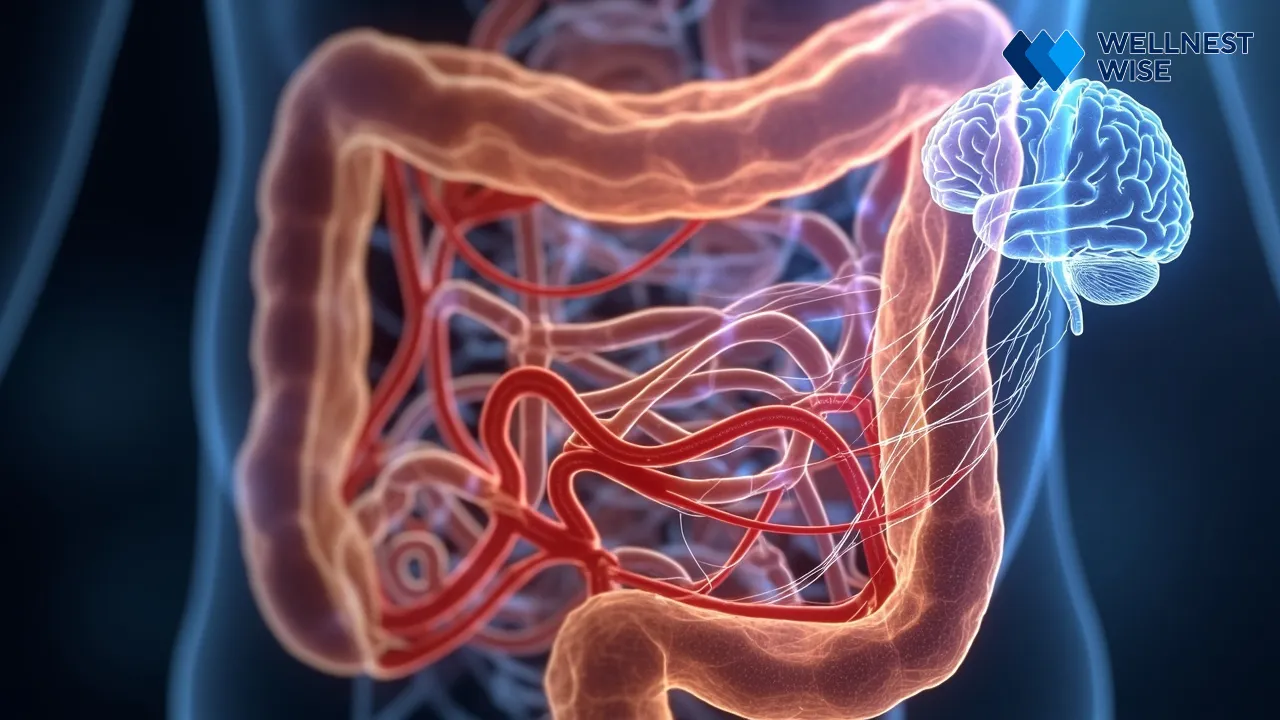
While cognitive and behavioral strategies are crucial, we cannot overlook the profound influence of our physical health on our mental state. Emerging science highlights the gut-brain axis, a bidirectional communication highway between our digestive system and our brain. What we eat directly impacts our mood, cognition, and even our tendency to ruminate. By understanding this connection and making conscious dietary choices, we can offer significant nutritional support for a calmer mind and help quiet the mental chatter.
Understanding the Bidirectional Communication Between Gut and Brain
The gut-brain axis is a complex network involving neural, endocrine, and immune pathways. Trillions of microorganisms in our gut, collectively known as the gut microbiome, produce various compounds, including short-chain fatty acids and neurotransmitters like serotonin and GABA. These substances can directly influence brain function, mood, and stress response. Conversely, stress and emotional states can impact gut motility and microbiota composition. A balanced, healthy gut microbiome is therefore critical not just for digestion, but for stable mood and mental clarity.
Key Nutrients for Neurotransmitter Balance and Brain Health
Specific nutrients play pivotal roles in maintaining neurotransmitter balance and overall brain health, directly impacting our capacity for emotional regulation and resilience against rumination.
| Nutrient | Physiological Role in Brain Health/Mood Regulation | Common Food Sources |
|---|---|---|
| :———————– | :——————————————————————— | :———————————————————————————- |
| Omega-3 Fatty Acids | Supports brain structure, reduces inflammation, modulates neurotransmitters | Fatty fish (salmon, mackerel), flaxseeds, chia seeds, walnuts |
| Magnesium | Aids relaxation, nerve function, muscle contraction; a natural stress reducer | Leafy green vegetables (spinach), nuts (almonds, cashews), seeds, legumes, whole grains |
| Tryptophan | Precursor to serotonin, promoting feelings of well-being and calmness | Turkey, chicken, eggs, cheese, nuts, seeds, tofu |
| B Vitamins (B6, B9, B12) | Essential for energy production, neurotransmitter synthesis (serotonin, dopamine) | Whole grains, lean meats, eggs, dairy, leafy greens, legumes |
| Zinc | Involved in neurotransmitter function, antioxidant defense | Oysters, beef, chicken, beans, nuts, fortified cereals |
| Vitamin D | Modulates mood, supports brain development and function | Fatty fish, fortified dairy/plant milks, sun exposure |
Omega-3 Fatty Acids: Supporting Mood and Cognitive Function
Omega-3 fatty acids, particularly EPA and DHA, are integral components of brain cell membranes. They are crucial for neuronal communication and possess potent anti-inflammatory properties. Research consistently links higher intake of omega-3s with improved mood, reduced symptoms of depression, and enhanced cognitive function. By supporting the structural integrity and optimal functioning of brain cells, omega-3s contribute directly to mental clarity and can help buffer the brain against the biochemical imbalances associated with repetitive negative thoughts.
Magnesium: Aiding Relaxation and Stress Reduction
Often called “nature’s tranquilizer,” magnesium is involved in over 300 enzymatic reactions in the body, many of which are critical for nerve function and relaxation. A deficiency in magnesium can exacerbate feelings of stress and anxiety, making the mind more susceptible to rumination. Supplementing with or increasing dietary magnesium can help calm the nervous system, promote restful sleep, and reduce the physiological symptoms of stress, thereby aiding relaxation and creating a more tranquil mental state.
B Vitamins: Essential for Energy and Serotonin Production
The complex of B vitamins plays a foundational role in brain health, acting as cofactors for numerous metabolic processes. Specifically, B6, B9 (folate), and B12 are critical for the synthesis of neurotransmitters like serotonin, dopamine, and GABA, which regulate mood and emotional stability. A deficiency can impair energy production in the brain and disrupt neurotransmitter balance, potentially contributing to fatigue, irritability, and an increased tendency for ruminative thinking.
The Role of Prebiotics and Probiotics in Gut Microbiome Health and Emotional Regulation
A thriving gut microbiome is paramount for mental well-being. Prebiotics are non-digestible fiber compounds that feed beneficial gut bacteria, while probiotics are live beneficial bacteria themselves. Together, they enhance the diversity and health of the gut flora. A balanced microbiome is linked to improved emotional regulation, reduced stress, and even a lower incidence of anxiety and depression, partly due to its influence on neurotransmitter production and inflammation along the gut-brain axis.
Dietary Patterns to Reduce Inflammation and Support Mental Clarity
Chronic low-grade inflammation in the body and brain has been implicated in mood disorders and cognitive dysfunction. Adopting dietary patterns to reduce inflammation is a powerful strategy for supporting mental well-being and reducing rumination. This primarily involves emphasizing whole, unprocessed foods:
- Fruits and vegetables: Rich in antioxidants and phytochemicals.
- Whole grains: Provide fiber and slow-release energy.
- Lean proteins: Support neurotransmitter production.
- Healthy fats: Especially omega-3s.
Simultaneously, minimize pro-inflammatory foods like refined sugars, unhealthy trans fats, and highly processed items. A diet rich in these anti-inflammatory components contributes to a stable mood and enhanced mental clarity.
Lifestyle Adjustments for Sustainable Mental Well-being: Beyond the Moment
While immediate strategies help in the heat of the moment, achieving sustainable mental well-being and effectively managing rumination requires a holistic approach that extends to our daily habits. Lifestyle adjustments are not quick fixes; they are foundational pillars that build resilience, reduce overall stress, and create an environment where the mind is less prone to getting stuck in repetitive negative thoughts. These changes are about nurturing your entire being for lasting peace.

Incorporating Regular Physical Activity: A Natural Stress Reducer
Regular physical activity is one of the most potent, natural remedies for a restless mind. Exercise releases endorphins, which have mood-boosting effects, and helps regulate stress hormones like cortisol. Even a brisk 30-minute walk can significantly reduce anxiety and the tendency to ruminate. Activities like running, swimming, or dancing offer a powerful outlet for pent-up energy and emotional tension, serving as a dynamic stress reducer that fosters a clearer, calmer mental state.
Prioritizing Quality Sleep: Essential for Cognitive Function and Emotional Resilience
The profound impact of quality sleep on mental health cannot be overstated. During sleep, our brains process emotions, consolidate memories, and clear out metabolic waste products. Chronic sleep deprivation impairs cognitive function, weakens emotional resilience, and makes us far more vulnerable to ruminative thinking. Aim for 7-9 hours of restorative sleep each night by establishing a consistent sleep schedule, creating a dark and quiet sleep environment, and avoiding stimulants before bed.
Stress Reduction Techniques: Deep Breathing, Yoga, and Meditation
Beyond physical activity, dedicated stress reduction techniques can train your body and mind to respond more calmly to triggers.
- Deep breathing exercises: Techniques like diaphragmatic breathing activate the parasympathetic nervous system, slowing heart rate and inducing relaxation.
- Yoga: Combines physical postures, breathing exercises, and meditation to improve flexibility, strength, and mental focus, reducing stress.
- Meditation: Regular practice can alter brain structure over time, increasing areas associated with attention and emotional regulation, making the mind less prone to rumination.
Integrating these practices daily, even for short periods, can build a powerful buffer against the onslaught of repetitive negative thoughts.
Fostering Social Connections and Support Systems for Emotional Health
Humans are inherently social beings, and strong social connections and support systems are vital for our emotional health. Isolation can amplify feelings of loneliness and distress, making rumination more likely. Reaching out to trusted friends, family, or joining community groups provides a sense of belonging and opportunities to share concerns, gain perspective, and receive empathy. This external processing can often break the internal cycle of rumination, reminding us we’re not alone in our struggles.
Seeking Professional Guidance for Persistent Rumination: When and How to Get Help
While self-help strategies are incredibly powerful, there are times when persistent rumination indicates a deeper issue that warrants professional support. Knowing when and how to get help is not a sign of weakness, but an act of profound self-care. Mental health professionals offer specialized tools and frameworks that can provide breakthrough insights and tailored strategies when you feel truly stuck, helping you navigate complex emotional landscapes.

Recognizing the Signs That Professional Intervention May Be Needed
It’s crucial to recognize when rumination has moved beyond a manageable habit into a debilitating pattern. Professional intervention may be needed if you experience:
- Significant distress or impairment: Rumination interferes with your daily functioning, work, relationships, or sleep.
- Intensifying symptoms: Your anxiety or depressive symptoms are worsening or becoming unmanageable.
- Inability to break the cycle: Despite trying self-help strategies, you can’t interrupt the ruminative thoughts.
- Co-occurring conditions: You suspect rumination is linked to underlying conditions like depression, anxiety disorders, OCD, or trauma.
- Thoughts of self-harm: If rumination ever leads to thoughts of harming yourself, seek immediate professional help.
Therapeutic Approaches: Cognitive Behavioral Therapy (CBT) and Beyond
A range of evidence-based therapeutic approaches are highly effective in addressing rumination.
- Cognitive Behavioral Therapy (CBT): Focuses on identifying and challenging distorted thought patterns and developing new coping behaviors. For rumination, CBT helps individuals recognize triggers and restructure negative automatic thoughts.
- Mindfulness-Based Cognitive Therapy (MBCT): Integrates mindfulness practices with CBT principles to help individuals observe ruminative thoughts without judgment, fostering a detached perspective.
- Acceptance and Commitment Therapy (ACT): Encourages individuals to accept difficult thoughts and feelings rather than fight them, while committing to values-driven actions. This helps reduce the struggle with rumination.
- Exposure-Based Techniques: For rumination linked to specific anxieties or traumas, these techniques can gradually expose individuals to feared situations or thoughts in a safe environment, reducing their power.
Consulting Healthcare Professionals: Psychiatrists, Psychologists, and Registered Dietitians
A comprehensive approach to persistent rumination may involve various specialists.
- Psychiatrists: Medical doctors who can diagnose mental health conditions and prescribe medication if appropriate, especially for severe anxiety or depression co-occurring with rumination.
- Psychologists/Therapists: Licensed professionals who provide psychotherapy (like CBT, MBCT, ACT) to help individuals understand and change their thinking and behavioral patterns.
- Registered Dietitians (RDs): Nutrition experts who can assess dietary patterns, identify potential nutrient deficiencies, and provide personalized guidance on how food choices can support brain health and mood regulation, particularly concerning the gut-brain axis.
Collaborating with these professionals ensures a holistic and well-rounded treatment plan.
The Importance of a Holistic and Personalized Treatment Plan
There’s no one-size-fits-all solution for rumination. The importance of a holistic and personalized treatment plan lies in addressing all contributing factors: psychological, behavioral, nutritional, and lifestyle. A personalized plan considers your unique history, triggers, and preferences, combining cognitive and behavioral strategies with nutritional support and lifestyle adjustments. This integrated approach, often developed in consultation with healthcare professionals, empowers you to build lasting resilience against rumination and cultivate a truly calmer, clearer mind.
Conclusion & Takeaways
Breaking free from the grip of rumination is a journey, not a destination, but one that profoundly impacts your peace of mind and overall well-being. We’ve explored how understanding the patterns of repetitive negative thoughts, employing cognitive strategies like challenging NATs, and taking behavioral actions such as active distraction can interrupt these cycles. Furthermore, recognizing the powerful connection of the gut-brain axis highlights how nourishing your body with key nutrients and adopting an anti-inflammatory diet provides crucial nutritional support for a calmer mind.
Ultimately, fostering a resilient mind involves a blend of awareness, actionable steps, and consistent self-care through lifestyle adjustments like exercise, sleep, and social connection. For persistent struggles, professional guidance offers tailored, evidence-based paths to healing. Embrace these strategies, be patient with yourself, and rediscover the profound peace that comes with a mind no longer trapped in endless loops. You have the power to regain control and quiet your mind. Start today.
FAQ
Practical, scientific Q&A
Q1: What is the main difference between rumination and healthy reflection?
A1: Healthy reflection is purposeful, often leading to insights or solutions, and tends to be time-limited. Rumination, in contrast, is passive, repetitive, and typically doesn’t lead to solutions. It’s characterized by dwelling on negative thoughts and feelings without progress, often increasing distress.
Q2: Can diet truly impact my tendency to ruminate?
A2: Absolutely. The gut-brain axis provides a direct link between your gut health and brain function. A diet rich in omega-3 fatty acids, B vitamins, magnesium, and probiotics supports neurotransmitter balance and reduces inflammation, which can positively influence mood regulation and reduce the likelihood of ruminative thinking.
Q3: How quickly can I expect to see results from these strategies?
A3: The timeline varies for everyone. While some cognitive and behavioral techniques like “thought defusion” can offer immediate relief, developing new habits and shifting ingrained ruminative patterns takes consistent effort and practice. You might notice small improvements within weeks, with more significant changes over several months, especially when combining multiple strategies.
Q4: Is “worry time” effective, or does it just encourage more rumination?
A4: “Worry time” is a scientifically-backed technique to contain rumination, not encourage it. By allocating a specific, limited period each day for worries, you train your brain to postpone intrusive thoughts, preventing them from consuming your entire day. Outside this window, you actively defer these thoughts, weakening their power over time.
Q5: When should I consider seeking professional help for rumination?
A5: You should seek professional guidance if your ruminative thinking is causing significant distress, interfering with your daily life (work, relationships, sleep), or if self-help strategies aren’t providing sufficient relief. Professionals like psychologists or psychiatrists can offer tailored interventions, such as Cognitive Behavioral Therapy (CBT), which are highly effective for managing persistent rumination.