For millennia, the acorn—that small, unassuming nut beneath the mighty oak—was a primary calorie source for cultures worldwide, sometimes accounting for 50% of the annual diet. Yet, most modern nutrition plans consider them inedible. The secret to safely eating acorns isn’t a complex ancient rite; it’s simply mastering the precise removal of bitter, toxic tannic acid. If you’re ready to unlock this ancestral superfood and integrate sustainable foraging into your kitchen, this comprehensive guide will show you exactly how to eat acorns, from forest floor to finished flour.
Foundational Knowledge and Foraging Safety for Acorns
Before you crack a single nut, foundational knowledge is non-negotiable. Foraging should always begin with strict safety protocols—identification is paramount, as is understanding the specific chemical structure that dictates the rest of your preparation journey. Failure to properly identify or clean your harvest can negate all subsequent efforts. This section sets the critical groundwork for turning a wild harvest into a safe, delicious meal.
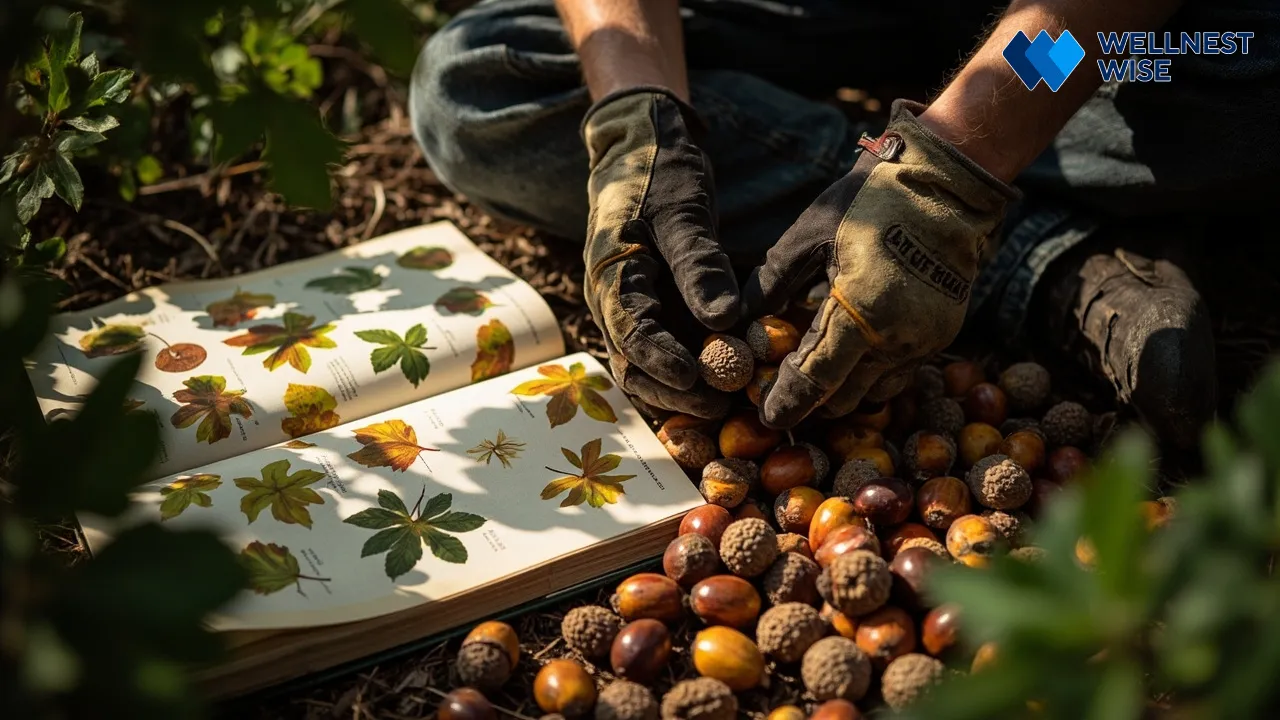
Identifying Edible Acorn Varieties: Red vs. White Oaks (Quercus species)
While nearly all acorns from the Quercus species are technically edible once properly processed, understanding the two main groups—Red and White Oaks—will significantly influence your preparation time.
White Oak Acorns (e.g., Quercus alba) are typically lower in tannins. They tend to be fatter, rounder, and mature faster. Because they are less bitter, they often only require cold water soaking or minimal leaching. These are the preferred choice for beginners seeking a faster turnaround time.
Red Oak Acorns (e.g., Quercus rubra) have higher concentrations of tannic acid. They are generally longer and narrower. While they offer a greater yield of fats and starches, they must undergo rigorous leaching, usually requiring the hot (boiling) water method. Always prioritize accurate identification using the corresponding leaves and caps.
The Chemical Danger: Why Tannic Acid Must Be Removed
The primary obstacle to consuming raw acorns is Tannic Acid. This polyphenol compound is the tree’s natural defense mechanism, protecting the seeds from pests and grazing animals. In humans, ingesting high quantities of raw tannins causes severe astringency (that cotton-mouth feeling) and significant gastrointestinal distress, including nausea, vomiting, and, in extreme cases, liver and kidney damage.
Proper preparation—known as leaching—is not just about flavor improvement; it is a critical safety protocol required to eliminate these water-soluble toxins and render the acorn digestible and safe.
Essential Safety Checks: Avoiding Mold, Pests, and Contaminants
Even the best-identified acorns can be unsafe if they have been compromised post-harvest. Before starting the acorn preparation guide, perform these simple checks:
- Float Test: Place shelled acorns in a bowl of water. Discard any that float. Floating usually indicates the presence of a weevil or internal air pockets left by decay or pests.
- Visual Inspection: Look for small, pin-sized holes (weevil exit points) or dark green/black spots, which indicate mold growth. Mold can produce dangerous mycotoxins.
- Smell and Texture: Properly harvested acorns should smell mildly earthy, not rancid or sour. They should feel dense and solid.
Understanding Tannins and the Necessity of Leaching
The transition from inedible bitter nut to delicious acorn flour rests entirely on effective leaching. Tannins are highly water-soluble polyphenols, meaning they dissolve readily when exposed to water. Mastering this step ensures not only the removal of the sharp, dry bitterness but, crucially, the elimination of potential digestive distress and toxicity.
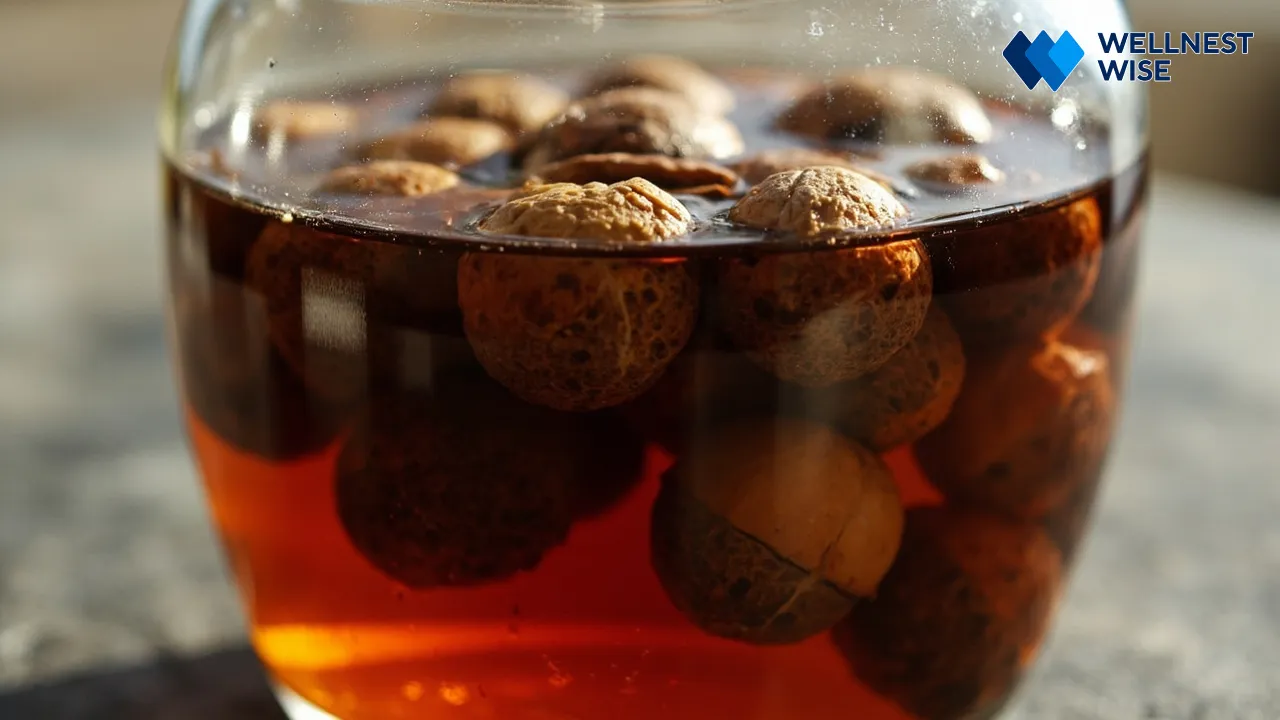
The Principle of Leaching: Dissolving Tannins for Palatability and Safety
Leaching is fundamentally a diffusion process. When the cracked, shelled nuts are immersed in water, the highly concentrated tannins migrate out of the acorn meat and into the surrounding liquid, moving from an area of high concentration to low concentration. This is why the water turns dark brown, resembling strong tea. The process continues until the concentration of tannins inside the acorn balances the concentration in the water (or, in practice, until the water is clear).
“The practice of leaching acorns has preserved human health for millennia. Ethnobiologists estimate that early Neolithic populations in regions like California and Korea relied heavily on these methods, understanding innately that boiling or running water was the key to safety.”
Comparison of Leaching Methods: Hot Water vs. Cold Water Soaking
The choice of method depends on your timeline and the type of acorn you collected.
| Method | Target Acorn Type | Speed | Nutrient Impact | Key Use Case |
|---|---|---|---|---|
| :— | :— | :— | :— | :— |
| Hot (Boiling) | Red Oak (High Tannin) | Fast (Hours) | Higher Starch Loss | Quick preparation for immediate use |
| Cold (Soaking) | White Oak (Lower Tannin) | Slow (Days/Weeks) | Better Nutrient Retention | Preserving maximum nutritional value |
Historical Context: Ethnobotany and Indigenous Acorn Processing Techniques
The knowledge of acorn preparation is rooted deep in Ethnobotany—the study of how people use plants. Indigenous populations worldwide, particularly those in North America and the Mediterranean, perfected these techniques. For example, many Native American tribes utilized complex cold-water leaching systems, often diverting streams or rivers over baskets of crushed acorns for days or weeks.
This slow, gentle cold water method allowed the resulting acorn meal to retain most of its starch and fat structure, yielding a smoother, richer-tasting flour ideal for making traditional gruel or bread. Modern foragers often prioritize the hot method for speed, but the cold soak remains the gold standard for superior flavor quality.
Step-by-Step Acorn Preparation Techniques
Proper preparation is an exercise in patience and precision. We’ve established that the goal is detoxification, but efficiency matters, too. This section breaks down the physical work involved, providing detailed, proven protocols for both fast (boiling) and slow (soaking) methods, ensuring your final product is sweet, earthy, and perfectly safe.
Pre-Leaching Prep: Shelling, Cleaning, and Initial Drying
Once you’ve collected and inspected your harvest, you must remove the hard, inedible outer shell. This can be tedious work.
- Cracking: Use a hammer, nutcracker, or a small stone on a solid surface to crack the shells.
- Removal: Peel away the shell and the thin, papery inner skin (the pellicle).
- Grinding/Crushing: For both methods, it is crucial to break up the acorn meat. For boiling, chop them into pea-sized chunks. For cold leaching, grinding the nuts into a coarse meal or acorn flour allows the water maximum surface area contact, significantly speeding up the process.
Detailed Protocol for Hot Water Leaching (The Boiling Method)
This method is best for red acorns and large batches where speed is essential.
- Boil: Place the chopped or cracked acorn pieces in a pot and cover with fresh, cold water. Bring the water to a rolling boil.
- Dump: After 10–15 minutes, the water will turn dark brown. Carefully drain the boiling water and immediately rinse the nuts.
- Repeat: Return the rinsed nuts to the pot and cover with fresh, cold water. Repeat the boiling and draining process.
- Completion: Continue repeating this cycle (usually 4–10 times, depending on the acorn type) until the water runs clear or nearly clear.
How to Test for Tannin Removal (The Critical Taste Test)
After the water appears clear, you must perform the definitive safety check. Remove a small piece of acorn meat and chew it. It should taste mild, nutty, and slightly sweet—not astringent, bitter, or dry. If you detect any strong bitterness, continue the leaching process immediately.
Detailed Protocol for Cold Water Leaching (The Long Soak Method)
The cold method preserves more flavor and nutrients but requires patience. It is ideal for white oak acorns.
- Bagging: Place the coarsely ground acorn meal into a fine mesh bag, cheesecloth, or a clean sock.
- Immersion: Submerge the bag in a basin or bucket of cool water. Alternatively, if available, place the bag in a clean stream or toilet tank where water is constantly refreshed (ensure the bag is securely tied).
- Soaking: If using a static basin, change the water at least twice daily. Squeeze the bag gently each time you change the water to encourage the release of tannins.
- Duration: This method can take anywhere from three days to two weeks. Continue until the meal tastes sweet and the water remains perfectly clear.
Turning Leached Acorns into Usable Acorn Flour and Meal
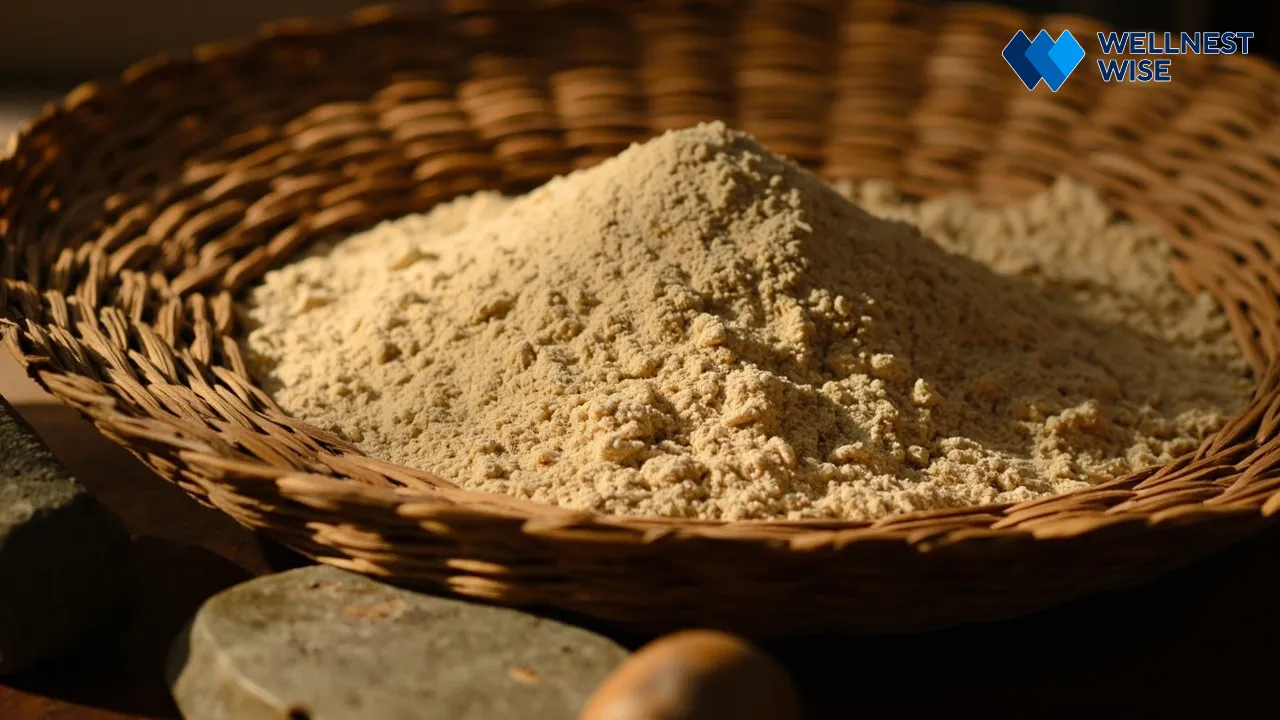
Once leached, the acorn meat will be wet and mushy. It must be dried completely before storage or grinding.
- Drying: Spread the wet acorn pieces or meal thinly on baking sheets. Dry them in a low oven (around 200°F or 95°C) or a food dehydrator until they are brittle and completely dry—this is non-negotiable for preventing mold.
- Grinding: Once dried, use a powerful blender, food processor, or grain mill to grind the pieces into fine acorn flour or coarse meal. Store in an airtight container.
Nutritional Profile and Health Benefits of Acorn Consumption
Once properly processed, acorns transform from a toxic nuisance into a potent, nutrient-dense food comparable to other high-energy tree nuts. Their true value lies in a unique blend of complex carbohydrates (making them feel more like grain than typical nuts) and healthy fats, positioning them perfectly for sustained energy and dietary balance.
Key Macronutrients: Healthy Fats, Complex Carbs, and Dietary Fiber Content
Acorns are a rare combination of nut and starch, providing a robust energy profile.
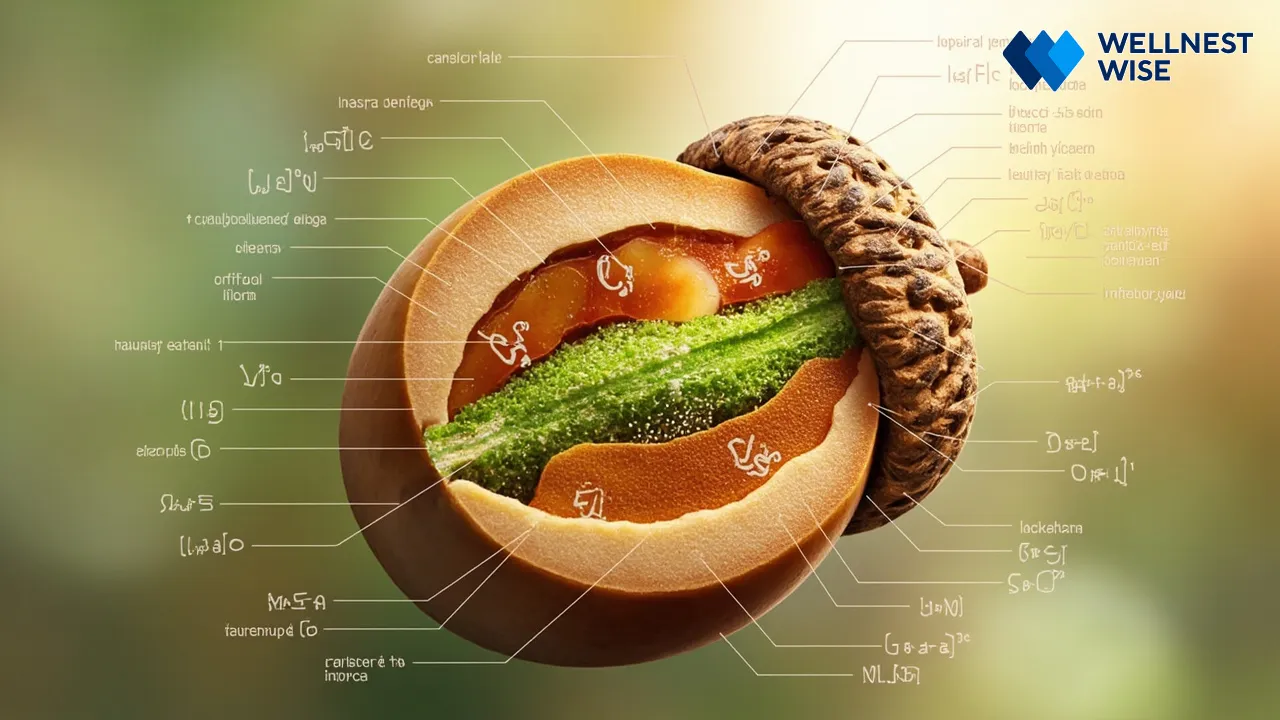
Approximately half of the dry weight of a prepared acorn is comprised of complex carbohydrates (starches), offering slow-releasing, sustained energy unlike the simple sugars found in many processed foods. The remaining bulk is composed of healthy fats, primarily monounsaturated and polyunsaturated fatty acids, similar to those found in olive oil and walnuts. Furthermore, acorns are exceptionally high in dietary fiber, which is crucial for promoting gut health, regulating blood sugar, and supporting satiety.
Bioavailable Micronutrients: Mineral and Vitamin Contributions
Acorns offer a valuable spectrum of micronutrients that are often lacking in contemporary processed diets:
- High levels of Potassium and Magnesium essential for cellular health, nerve transmission, and muscle function.
- Significant presence of B vitamins (e.g., Niacin and Riboflavin) crucial for converting macronutrients into usable energy (metabolism).
- Trace elements like Manganese and Copper, which act as cofactors for many important enzymes and support bone health.
The Role of Acorns in Gluten-Free, Low-Glycemic, and Ancestral Diets
Acorns fit seamlessly into several specialized dietary approaches. Since acorns are the fruit of the oak tree and not a grass, acorn flour is naturally gluten-free, making it an excellent option for those with celiac disease or gluten sensitivities.
Due to their high fiber and complex carbohydrate content, properly prepared acorns generally exhibit a lower glycemic index compared to refined white flour. This makes them beneficial for regulating blood sugar levels. Historically and today, they are revered in Ancestral Diets for their dense, sustainable energy profile and high mineral content, reconnecting the eater with sustainable wild food practices.
Culinary Uses, Recipe Ideas, and Optimized Storage
After the labor of leaching, you are left with a versatile ingredient boasting a mild, earthy, and slightly sweet flavor. Don’t let this precious resource go to waste. Acorn flour can replace conventional flours in numerous applications, offering a unique twist to baking, beverages, and traditional savory dishes.
Utilizing Acorn Flour in Baking and Thickening Applications
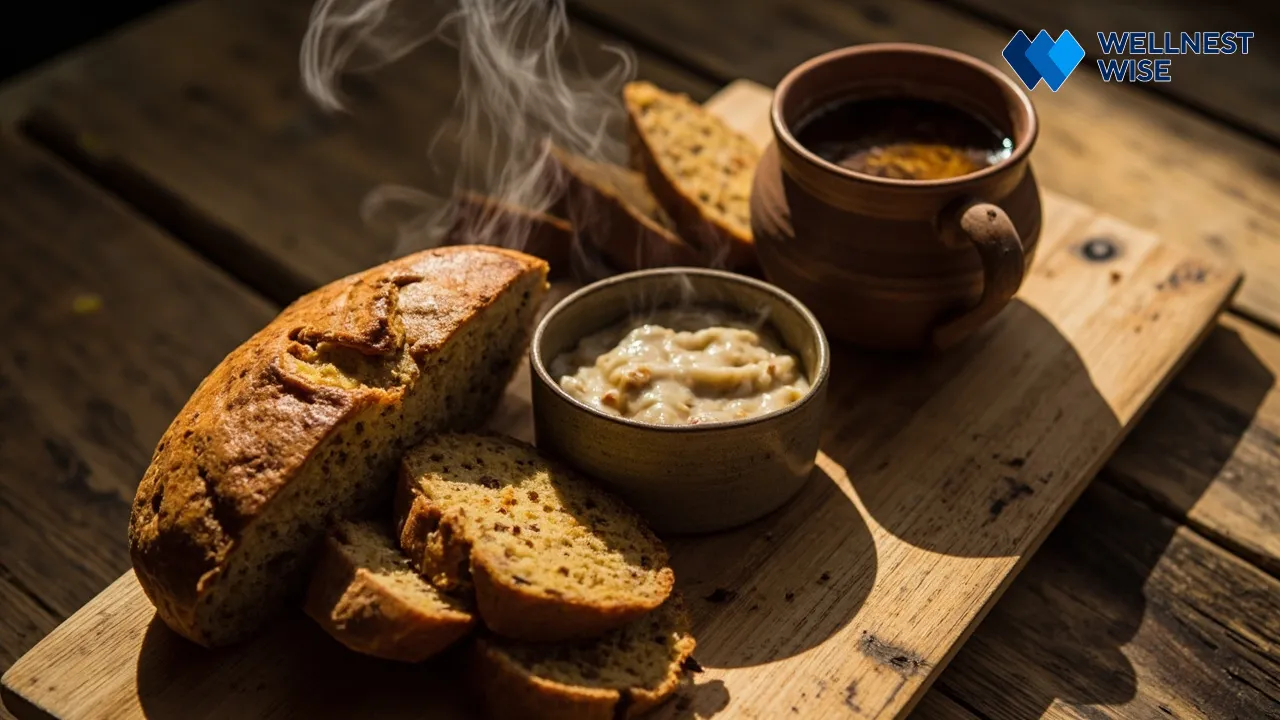
Acorn flour is heavy and lacks the elastic qualities of wheat flour. When baking, it is usually necessary to mix it with a lighter flour (like rice, tapioca, or conventional wheat flour) to achieve sufficient rise and texture. A ratio of 1:3 (one part acorn flour to three parts lighter flour) is a good starting point for yeast breads.
Its unique starch structure makes it an exceptional natural thickening agent. Use it to thicken stews, gravies, or sauces, imparting a subtle, nutty, earthy depth of flavor.
Recipes for Beginners: Simple Acorn Bread and Traditional Porridge (Gruel)
Simple Acorn Porridge (Gruel): The easiest way to utilize acorn meal is to make gruel—a staple food for many historical cultures. Simmer 1 part fine acorn meal with 3 parts water or milk, stirring until thick (10–15 minutes). Season with salt, honey, or fruit. This offers maximal nutritional bioavailability with minimal effort.
Acorn Drop Biscuits: Due to its dense nature, acorn flour excels in recipes that don’t require significant structural rise. Substitute up to 50% of your regular flour with acorn flour in a standard biscuit recipe for a robust, nutty flavor.
Acorn Coffee Substitute: Roasting Leached Nuts for a Caffeine-Free Beverage
This is a favorite among foragers looking for a naturally caffeine-free alternative. After the acorns have been thoroughly leached and dried, spread the pieces on a baking sheet. Roast them in the oven at 350°F (175°C) until they are dark brown, almost black, and brittle (similar to commercial coffee beans). Grind the roasted acorns in a coffee grinder and brew using a drip machine or French press. The result is a deep, rich, smoky, and slightly bittersweet beverage.
Maximizing Shelf Life: Proper Drying and Storing Techniques for Processed Acorn Flour
The single greatest threat to processed acorn flour is residual moisture, which encourages mold growth and rancidity of the healthy fats.
- Ensure Total Dryness: If there is any doubt about the dryness after baking, place the flour back in a very low oven (150°F / 65°C) for an hour.
- Airtight Storage: Store finished flour in an airtight container, such as a glass jar or vacuum-sealed bag.
- Temperature Control: For short-term use (up to 6 months), store in a cool, dark pantry. For long-term preservation, freezing the acorn flour will extend its shelf life indefinitely, protecting the delicate fats from oxidation.
Conclusion & Takeaways
The practice of incorporating acorns back into the modern diet is a beautiful blend of ancient wisdom and modern scientific understanding. By prioritizing safety through rigorous leaching and careful identification, we unlock a food source that is not only sustainable and local but also delivers a powerful nutritional punch of fiber, healthy fats, and essential minerals. The difference between a toxic wild food and a nutritious pantry staple is simply patience and water. Master the acorn leaching process, and you gain access to one of the most forgotten and valuable staple foods in human history. We encourage you to start with a small batch of cold-leached white oak acorns and discover the delicious, earthy flavor of true ancestral consumption.
FAQ
How do I know if the acorns I collected are safe to eat?
Safety relies on two factors: correct identification (knowing the general species, Quercus) and complete removal of tannic acid. You must perform a taste test after leaching: a safe, edible acorn piece will taste mild, nutty, and slightly sweet; any detectable bitterness or astringency means more leaching is required. Always inspect nuts visually for mold or pest damage before starting preparation.
Is boiling or cold water leaching better for tannin removal?
Neither method is universally “better”; they serve different purposes. The hot water leaching method (boiling) is significantly faster (hours) and is necessary for high-tannin Red Oak Acorns, though it causes greater loss of starch. Cold water leaching is slower (days or weeks) but is preferred for lower-tannin White Oak Acorns because it preserves more nutrients and delivers a superior, less “cooked” flavor profile in the final acorn flour.
What are the key health benefits of regular acorn consumption?
The primary benefits stem from their unique macro profile: complex carbohydrates provide sustained, slow-releasing energy, ideal for blood sugar management. They are also rich in dietary fiber (supporting gut health), and contain high levels of monounsaturated fats. Furthermore, acorns supply essential minerals like Magnesium, Potassium, and Manganese, making them a dense, nutrient-rich addition to any diet.