Imagine a golden-crusted rice dish, fragrant with saffron, tender chicken nestled within, a true masterpiece of Persian cuisine. For many, Tahchin Morgh evokes cherished memories of family gatherings and exquisite flavors. But what if we could enjoy this beloved comfort food, rich in tradition, with a modern, healthier approach? This article isn’t about sacrificing authenticity; it’s about making smart choices to create a nutritious Tahchin Morgh that still sings with all the flavors you adore. Let’s explore how to transform this classic into a balanced, satisfying meal.
The Culinary Heritage of Tahchin Morgh: A Balanced Introduction
Tahchin Morgh, a jewel in the crown of Persian cuisine, is far more than just a dish; it’s a celebration of flavors, textures, and the art of layered cooking. Traditionally known for its signature golden “tahdig” crust and the aromatic blend of saffron, yogurt, and tender chicken, it’s a staple at special occasions. Our journey here is to honor this rich heritage while strategically adapting it to fit a health-conscious lifestyle, proving that nourishing your body doesn’t mean compromising on delicious, authentic taste.
Unpacking the Beloved Persian Layered Rice Dish
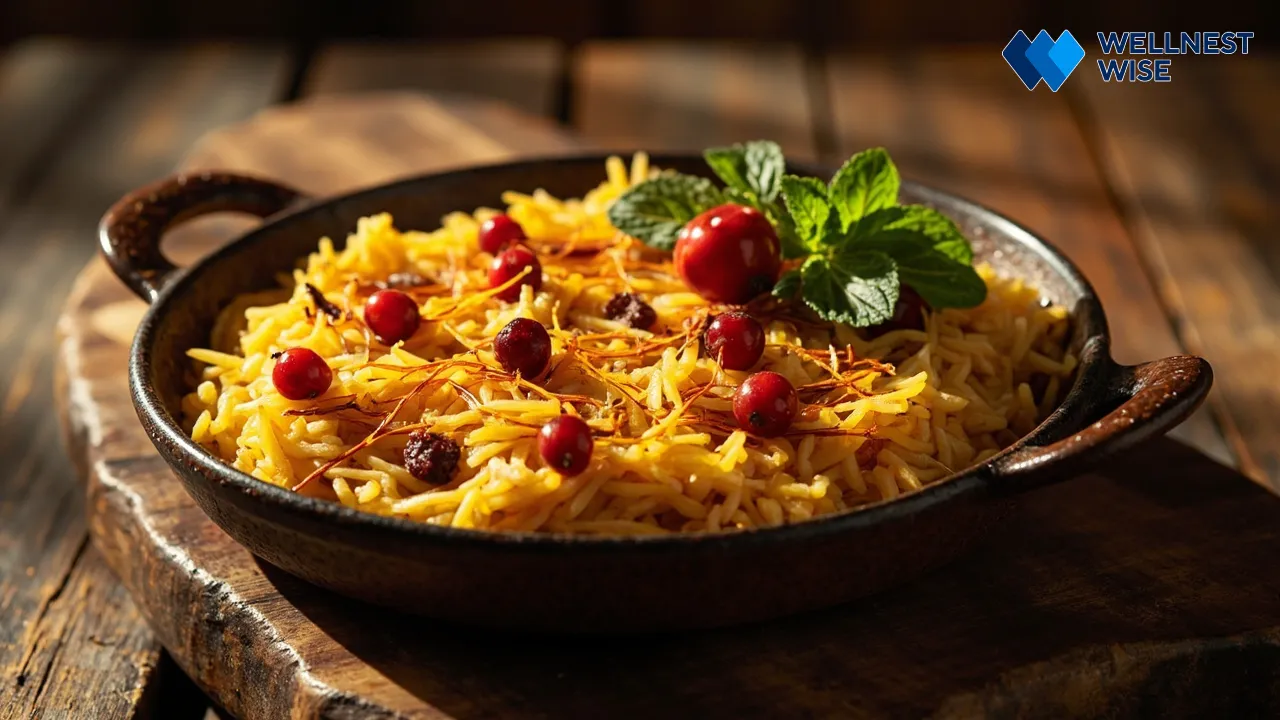
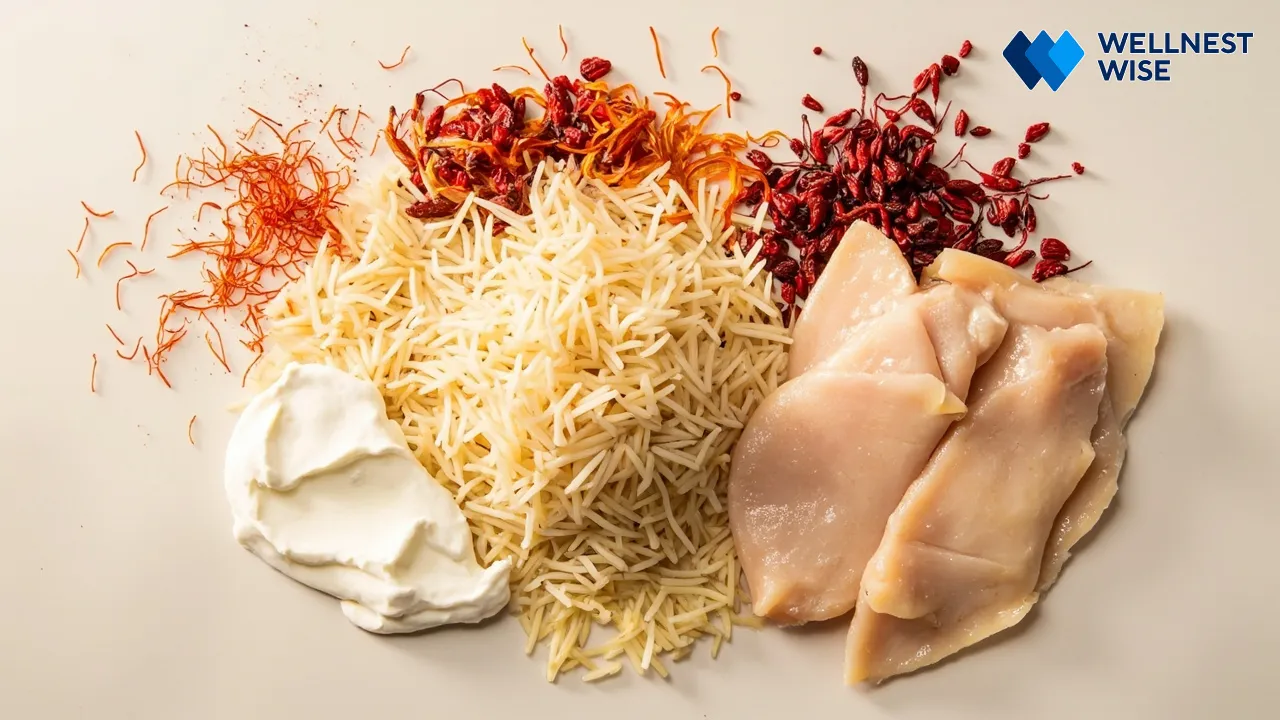
At its heart, Tahchin is a baked, savory rice cake, characterized by its distinctive tahdig – the crispy bottom layer that often incorporates yogurt and saffron, giving it a beautiful golden hue and unique texture. When Morgh (chicken) is added, it becomes a hearty, flavorful main course. The complexity of Tahchin Morgh comes from its layered structure, where par-cooked Basmati rice is combined with saffron-infused yogurt and eggs, then layered with seasoned chicken, often embellished with tart zereshk (barberries).
The Nutritional Opportunity: Why Adapt Traditional Tahchin?
While incredibly delicious, traditional Tahchin can sometimes be rich in saturated fats and refined carbohydrates due to generous amounts of oil, butter, and sometimes fattier cuts of chicken. For individuals aiming for a balanced diet or managing specific health conditions like heart disease or diabetes, these elements can be a concern. Adapting the recipe allows us to enjoy its cultural significance and incredible taste while reducing caloric density and increasing beneficial nutrients, aligning with modern dietary recommendations without losing its soul.
Retaining Authentic Flavors While Optimizing Health
The good news is that optimizing Tahchin Morgh for health doesn’t mean stripping away its iconic taste. The key lies in smart substitutions and thoughtful preparation methods. We’ll focus on lean proteins, healthier fats, fiber-rich ingredients, and natural flavor enhancers like herbs and spices. The goal is to preserve the intricate balance of flavors – the earthy saffron, the tangy yogurt, the tender chicken, and the fluffy Basmati – ensuring that every bite still feels wonderfully authentic, just a little lighter on the conscience.
Core Ingredients: Unveiling Their Nutritional Contributions
Every ingredient in Tahchin Morgh plays a vital role, not just in flavor and texture, but also in its overall nutritional profile. Understanding these contributions is the first step toward making informed choices for a healthier dish. From the energy-giving rice to the antioxidant-rich saffron, each component brings something valuable to the table, and when chosen wisely, can significantly boost the meal’s health benefits.
Basmati Rice: A Foundation of Energy and Fiber
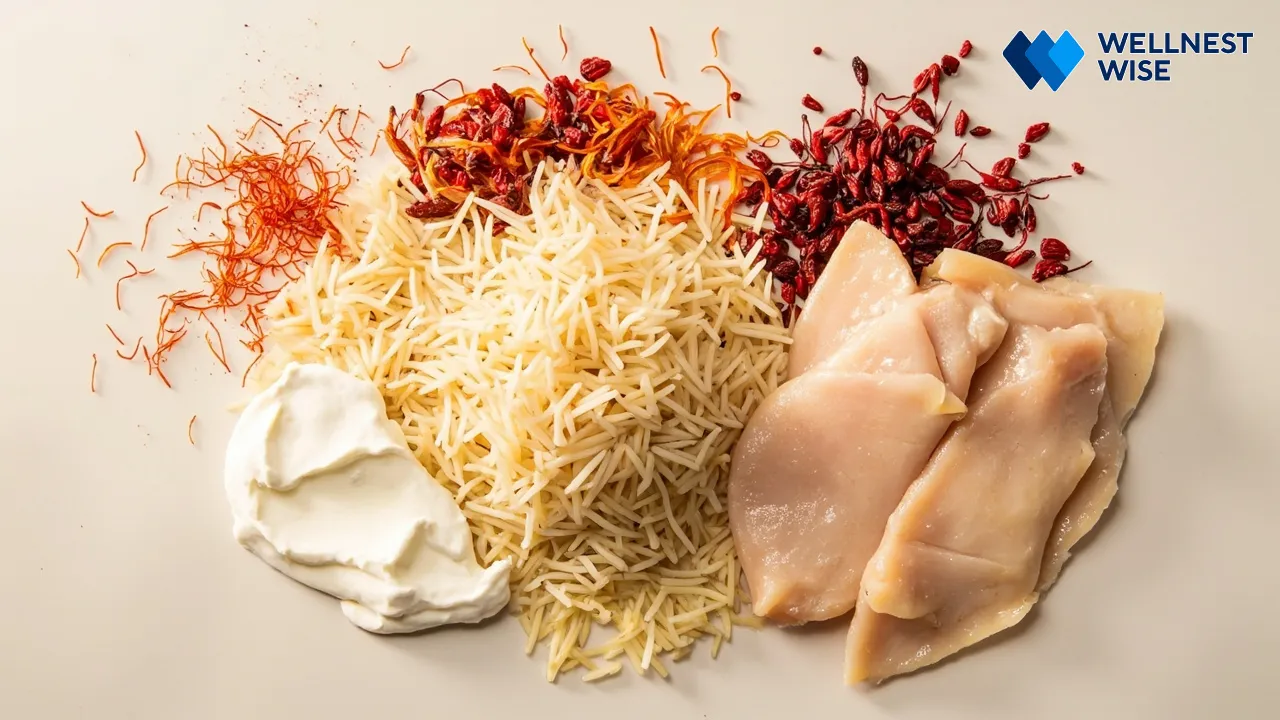
Basmati rice is the preferred choice for Tahchin due to its long, slender grains that cook up fluffy and separate. It’s primarily a source of carbohydrates, providing the body with readily available energy. While often seen as just a carb, Basmati actually offers some fiber, particularly when compared to other white rice varieties. It’s also naturally gluten-free, making it suitable for those with sensitivities.
Glycemic Index Considerations and Rice Preparation
Basmati rice typically has a medium glycemic index (GI), meaning it causes a more gradual rise in blood sugar compared to high-GI foods. Soaking and then par-boiling (or “chelow” method) the rice, as is traditional in Persian cooking, can further improve its GI response by removing some surface starch. Pairing it with protein and fiber, as we do in Tahchin, also helps to slow down digestion and stabilize blood sugar levels.
Chicken Breast: Lean Protein for Satiety and Muscle Health
For a healthier Tahchin, chicken breast is our go-to protein. It’s an excellent source of lean protein, essential for muscle repair, growth, and maintaining satiety. A serving of chicken breast provides vital amino acids, B vitamins (like niacin and B6), and minerals such as selenium and phosphorus, all crucial for various bodily functions. Opting for skinless, boneless breast significantly reduces the fat content compared to other cuts.
Saffron: More Than Flavor – An Antioxidant Powerhouse
The vibrant threads of saffron are synonymous with authentic Tahchin Morgh. Beyond its intoxicating aroma and beautiful golden hue, saffron is celebrated for its potent antioxidant properties. It contains compounds like crocin, crocetin, and safranal, which research suggests may have mood-boosting effects, protect against oxidative stress, and even support cognitive function. A little goes a long way, infusing both flavor and wellness into the dish.
Yogurt: Probiotic Richness for Digestive Health
Yogurt is a cornerstone of Tahchin, providing tanginess, moisture, and helping to bind the rice and form the tahdig. Opting for plain, low-fat, or Greek yogurt introduces beneficial probiotics into the dish. These live cultures support a healthy gut microbiome, which is linked to improved digestion, enhanced immunity, and even better mood regulation. The calcium content in yogurt also contributes to strong bones.
Zereshk (Barberries): Tartness, Fiber, and Phytonutrients
These tiny, tart barberries (zereshk) are often sprinkled over Tahchin, adding a burst of flavor and visual appeal. But their benefits extend beyond taste. Zereshk are packed with fiber, aiding digestive health, and are rich in phytonutrients and antioxidants, including berberine. This compound has been studied for its potential to help regulate blood sugar, lower cholesterol, and possess anti-inflammatory properties, making them a powerful addition to your meal.
Healthier Tahchin Morgh: Strategic Ingredient Swaps and Cooking Methods
Transforming traditional Tahchin into a healthier version is an exciting culinary challenge that focuses on thoughtful modifications without compromising the essence of the dish. It’s about making conscious choices, from the type of rice we use to the oils we cook with, all designed to enhance the nutritional value while preserving that beloved Persian flavor profile.
Optimizing the Rice Base: Reducing Fat and Enhancing Texture
The foundation of Tahchin is the rice, and here we can make significant improvements. Traditional recipes often call for generous amounts of oil or butter in the rice mixture and for the tahdig. By carefully adjusting these quantities and focusing on how we prepare the rice itself, we can reduce overall fat without sacrificing the characteristic fluffy texture.
Choosing Basmati: Quality and Pre-Soaking Benefits
Always opt for high-quality Basmati rice. Its long grains ensure a light, separate texture crucial for Tahchin. Before cooking, pre-soaking the rice for 30 minutes to an hour is a non-negotiable step. This not only shortens cooking time but, as mentioned earlier, can also help reduce the glycemic index by washing away some excess starch, leading to a more stable blood sugar response. After soaking, rinse the rice thoroughly until the water runs clear.
The Role of Yogurt and Eggs in the Tahdig Layer
For the iconic tahdig, the mixture of yogurt, eggs, and saffron is key. To make it healthier, use low-fat or non-fat plain Greek yogurt. Greek yogurt offers a thicker consistency and higher protein content. While eggs are essential for binding and structure, you can experiment with using a higher ratio of egg whites to yolks if you’re looking to further reduce cholesterol and fat, though a whole egg or two provides richness. The eggs are crucial for that beautiful golden crust, so don’t skip them entirely!
Lean Protein Choices: Beyond Standard Chicken Cuts
As discussed, skinless, boneless chicken breast is the preferred choice for a leaner Tahchin. It’s low in saturated fat and high in protein. If you prefer other parts, consider trimming all visible fat and removing the skin. You could even use ground chicken breast for a different texture, though traditional Tahchin typically uses shredded or diced pieces.
Marinating Chicken for Flavor and Tenderness
To ensure the lean chicken breast remains tender and flavorful, a good marinade is vital. A simple marinade of low-fat yogurt, a squeeze of lemon juice, a pinch of saffron, garlic, and a blend of spices like turmeric, paprika, and black pepper works wonders. Marinate the chicken for at least 30 minutes, or even overnight in the refrigerator, to allow the flavors to penetrate and the yogurt to tenderize the meat.
Mindful Fat Selection: Ghee Alternatives and Healthy Oils
Instead of traditional ghee or large amounts of butter, opt for heart-healthy oils like light olive oil or avocado oil. When creating the tahdig base, use just enough oil to coat the bottom of the pot, ensuring it browns without becoming excessively greasy. A thin layer is all you need for that crisp, golden finish. Some chefs even swear by a non-stick pot to minimize oil use for tahdig.
Enhancing Flavor Naturally: Herbs, Spices, and Aromatic Additions
The true magic of Persian cuisine lies in its aromatic spices. Beyond saffron, incorporate fragrant herbs and spices to boost flavor without adding fat or sodium. Consider:
- Turmeric: For warmth and color, a classic Persian spice.
- Cinnamon: A subtle hint can add depth, especially with chicken.
- Cardamom: A small pinch can introduce a unique fragrant note.
- Dried rose petals/buds: Crushed and added to the rice mixture for a delicate floral aroma.
- Fresh dill or parsley: Chopped and mixed into the rice or sprinkled as a garnish for freshness.
- Onions and garlic: Sautéed (with minimal oil) before adding to the chicken for a savory base.
These additions contribute layers of flavor, allowing you to reduce reliance on excessive salt while still achieving a rich, satisfying taste.
Healthier Cooking Techniques: Baking vs. Pan-Frying
While some versions of Tahchin might involve pan-frying parts of the chicken, we’ll focus on baking as the primary cooking method. Baking in a sealed pot or oven-safe dish allows the dish to cook evenly, steam the rice to perfection, and develop a crispy tahdig with minimal added fat. It’s a gentle, consistent heat that produces tender chicken and perfectly cooked rice, all while being a hands-off approach. This method reduces the need for constant stirring and the additional oil often associated with stovetop cooking.
Crafting Your Healthy Tahchin Morgh: A Step-by-Step Culinary Guide
Creating a beautiful and delicious Tahchin Morgh, even with a healthier focus, is a deeply rewarding experience. It’s an act of culinary artistry that combines precise steps with a little bit of patience. Follow this guide to layer your ingredients perfectly, ensuring every element contributes to a wholesome and flavorful masterpiece.
Preparing the Basmati Rice for Optimal Texture
First, rinse your high-quality Basmati rice until the water runs clear, then soak it for 30-60 minutes. Drain the soaked rice and par-boil it in a large pot of salted boiling water until it’s al dente – firm but pliable, not mushy. This usually takes about 5-7 minutes. Drain the rice immediately in a colander and rinse gently with cool water to stop the cooking process and prevent sticking. This par-cooked rice is crucial for the layering.
Marinating and Cooking the Chicken Breast
Cube or shred your skinless, boneless chicken breast. In a bowl, combine the chicken with low-fat plain yogurt, a pinch of saffron steeped in hot water, minced garlic, lemon juice, turmeric, salt, and pepper. Marinate for at least 30 minutes, or ideally 2-4 hours. Lightly sauté the marinated chicken in a non-stick pan with a minimal amount of light olive oil until just cooked through. Avoid overcooking, as it will continue to cook in the oven.
The Iconic Tahdig: Creating a Lower-Fat Golden Crust
This is arguably the most exciting part! In a non-stick oven-safe pot, lightly coat the bottom with a very thin layer of light olive oil. In a separate bowl, mix some of your par-cooked rice with the saffron-infused low-fat yogurt and a whole egg (or an egg white for even less fat). Season lightly. Press this mixture evenly onto the bottom of the oiled pot. This forms the base of your healthy tahdig.
Techniques for Non-Stick and Flavorful Tahdig
To ensure your tahdig comes out perfectly golden and doesn’t stick, here are a few tricks:
- Use a truly non-stick pot.
- Preheat the pot over medium heat for a minute or two before adding the oil and tahdig mixture.
- Ensure the yogurt-rice-egg mixture is pressed firmly and evenly into the bottom.
- Once assembled and before baking, place the pot over medium-low heat on the stovetop for about 5-7 minutes to initiate the crust formation. This step helps create a more robust tahdig.
Assembling the Layers: A Balanced Approach
With the tahdig base in place, it’s time to build your Tahchin. The key here is even distribution to ensure every serving gets a balanced mix of flavors and textures.
- First Layer (Tahdig): Start with the saffron-yogurt-egg-rice mixture pressed firmly into the bottom of the pot.
- Second Layer (Rice): Gently spoon about one-third of the plain par-cooked Basmati rice over the tahdig layer, spreading it evenly.
- Third Layer (Chicken & Zereshk): Distribute half of your cooked, marinated chicken pieces over the rice. If using zereshk (barberries), sprinkle half of them here.
- Fourth Layer (Rice): Add another third of the plain rice, gently covering the chicken.
- Fifth Layer (Chicken & Zereshk): Layer the remaining chicken and zereshk.
- Final Layer (Rice): Top with the remaining plain rice, forming a gentle mound. Create a few holes in the rice with the handle of a spoon to allow steam to escape and ensure even cooking. Drizzle a tablespoon or two of saffron water over the top.
Baking for Perfection: Temperature and Timing Guidelines
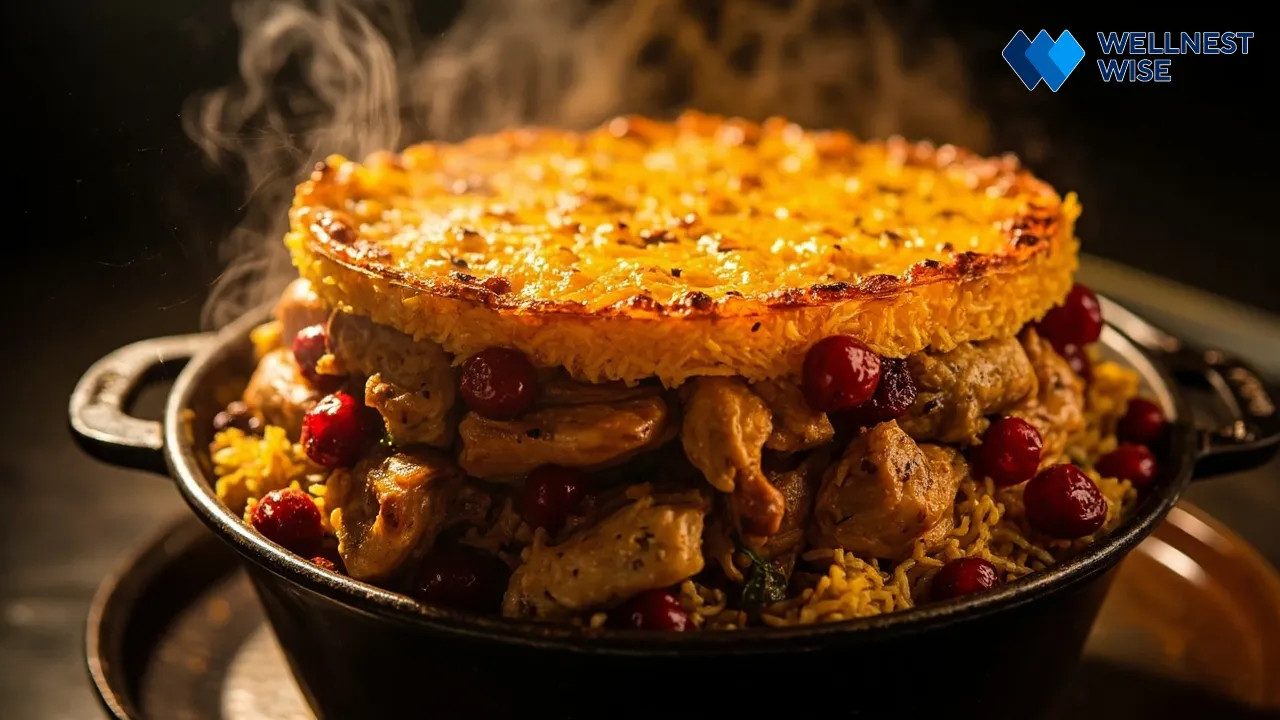
Cover the pot tightly with a lid, preferably one wrapped in a kitchen towel (damkoni) to trap moisture. Place the pot in a preheated oven at 350°F (175°C). Bake for approximately 45-60 minutes. The cooking time can vary based on your oven and pot. You’ll know it’s ready when the aroma fills your kitchen and a beautiful golden crust has formed. A good sign is if you can hear a gentle sizzling sound from the tahdig. Once done, remove from the oven and let it rest, covered, for 10-15 minutes before inverting onto a serving platter. This resting period helps the tahdig release cleanly and firms up the structure.
Elevating Your Meal: Serving, Adaptations, and Nutritional Insights
The moment of truth arrives when you invert your beautifully golden Tahchin Morgh onto a platter, revealing its perfectly cooked layers and fragrant steam. But the journey doesn’t end there. How you serve it, understand its nutritional impact, and adapt it to various dietary needs are all crucial aspects of truly elevating this healthy Persian classic.
Balanced Pairing: What to Serve with Healthy Tahchin Morgh
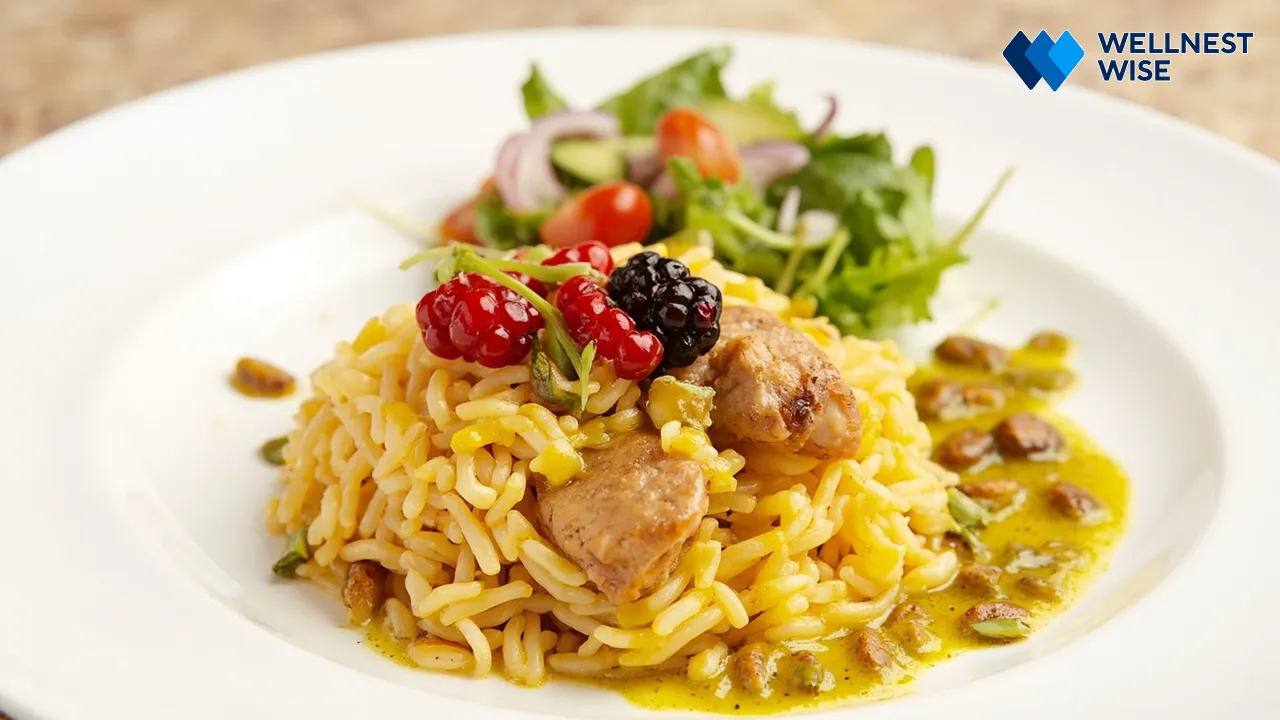
To complement your Healthy Tahchin Morgh and create a well-rounded meal, consider pairing it with fresh, vibrant sides. A simple Shirazi salad (diced cucumbers, tomatoes, and onions with a lemon-mint dressing) adds a refreshing crunch and essential vitamins. Plain yogurt or mast-o-khiar (yogurt with cucumber and mint) provides an additional probiotic boost and cooling contrast. Light vegetable-based soups or steamed green vegetables can also be excellent accompaniments, enhancing the meal’s fiber content without adding heavy calories.
Nutritional Breakdown: Estimating Values Per Serving
Understanding the nutritional profile of your healthier Tahchin Morgh empowers you to make informed dietary choices. While exact values will vary based on precise ingredients and portion sizes, this table provides an estimated breakdown for a typical serving of our adapted recipe (approximately 1.5 cups).
| Nutrient | Estimated Value Per Serving | Notes |
|---|---|---|
| :—————- | :————————– | :—————————————————————— |
| Calories | 380-450 kcal | Lowered due to less oil/butter and lean chicken. |
| Protein | 25-30 g | High, primarily from chicken and yogurt. |
| Total Fat | 10-15 g | Significantly reduced from traditional versions. |
| Saturated Fat | 3-5 g | Minimized by using lean chicken and healthy oils. |
| Carbohydrates | 45-55 g | Complex carbs from Basmati rice. |
| Fiber | 4-6 g | Enhanced by Basmati rice, zereshk, and potential vegetable sides. |
| Sodium | 350-500 mg | Can be controlled by limiting added salt and using natural spices. |
These values are estimates and can vary. Consult a registered dietitian for personalized dietary advice.
Dietary Adaptations: Catering to Specific Needs
One of the great aspects of home cooking is the ability to tailor recipes. Tahchin Morgh can be surprisingly adaptable to various dietary preferences and needs.
Gluten-Free Considerations for Tahchin
Fortunately, Tahchin Morgh is inherently gluten-free, as Basmati rice, chicken, yogurt, saffron, and zereshk are all naturally free of gluten. However, always double-check any pre-packaged spices or marinades to ensure they haven’t been processed in facilities that handle gluten-containing ingredients if you have severe sensitivities or celiac disease. This makes it a fantastic, safe option for those avoiding gluten.
Low-Carb Modifications: Exploring Alternatives
For a low-carb Tahchin, rice is the main challenge. While Basmati has a medium GI, true low-carb requires alternatives.
- Cauliflower Rice: A popular swap. You can par-steam cauliflower rice and mix it with the yogurt-egg-saffron mixture, then layer it with the chicken. The texture will be different, but the flavors remain.
- Shirataki Rice: A very low-carb option, but be mindful of its unique texture and ensure it’s well-drained and pan-fried before layering to remove excess moisture.
These modifications shift the dish’s character but allow for a low-carb indulgence.
Vegetarian and Vegan Tahchin Variations
Creating a vegetarian Tahchin is relatively straightforward:
- Replace chicken with sautéed mushrooms, lentils, chickpeas, or grilled eggplant. You can still use the saffron-yogurt-egg mixture for the tahdig.
For a vegan Tahchin, more substitutions are needed:
- Replace chicken with plant-based protein as above.
- Replace yogurt with a thick, plain, unsweetened plant-based yogurt (e.g., soy or almond-based).
- Replace eggs in the tahdig mixture with a ‘flax egg’ (1 tbsp ground flaxseed + 3 tbsp water, let sit) or a commercial egg replacer to help bind and crisp the tahdig. This requires careful testing for the best results.
Preserving Flavor and Freshness: Storage and Meal Prep Tips
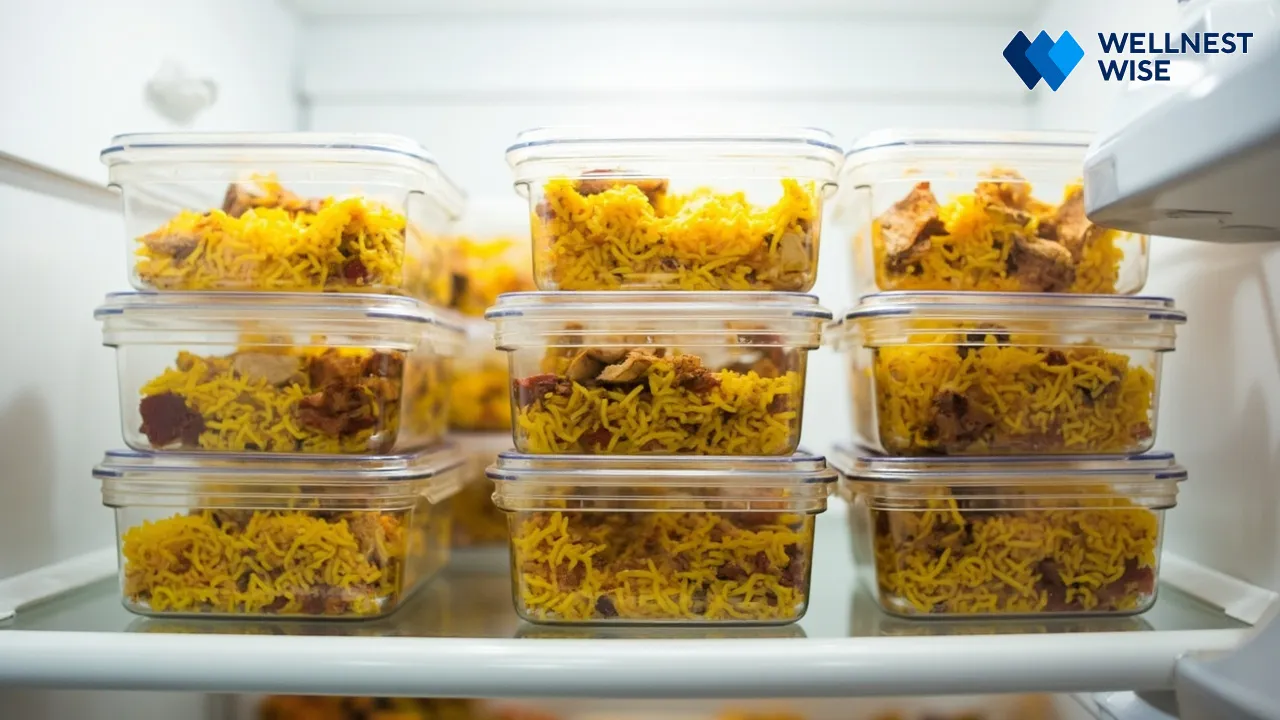
After all the effort of crafting your delicious, healthy Tahchin Morgh, you’ll want to ensure any leftovers are stored properly to maintain their flavor and freshness. This traditional dish actually lends itself quite well to meal prepping, making it a convenient option for healthy eating throughout the week.
Safe Food Handling Practices for Chicken and Rice
When dealing with cooked chicken and rice, food safety is paramount.
- Cool Quickly: Any leftover Tahchin should be cooled rapidly within one hour of cooking. Divide large portions into smaller, shallow containers to speed up the cooling process.
- Refrigerate Promptly: Transfer cooled Tahchin to airtight containers and refrigerate within two hours.
- Shelf Life: Cooked Tahchin Morgh can be safely stored in the refrigerator for up to 3-4 days. For longer storage, it can be frozen.
- Reheating: Always ensure leftovers are reheated thoroughly to an internal temperature of 165°F (74°C) to kill any potential bacteria.
Reheating Techniques to Maintain Quality
Reheating Tahchin without losing its texture and flavor can be a delicate balance.
- Oven: The best method for preserving the tahdig‘s crispness. Place individual servings in an oven-safe dish, cover loosely with foil, and reheat at 300°F (150°C) for 15-20 minutes, or until heated through. Remove foil for the last few minutes if you want to crisp the tahdig further.
- Microwave: Convenient for speed, but will soften the tahdig. Heat on medium power in 1-2 minute intervals, stirring if possible, until hot.
- Stovetop: For smaller portions, gently reheat in a non-stick pan over medium-low heat with a tablespoon of water, covered, until warmed through. This can also help recrisp the tahdig if done carefully.
Creative Ways to Repurpose Leftovers
Even though Tahchin Morgh is delicious on its own, sometimes a little creativity can breathe new life into leftovers.
- Tahchin Patties: Mash leftover Tahchin, form into small patties, and pan-fry until golden brown for a quick snack or light meal.
- Stuffed Peppers/Tomatoes: Use the rice and chicken mixture as a filling for bell peppers or large tomatoes, then bake.
- Quick “Chelow” Bowl: Break apart the Tahchin, add fresh herbs, a dollop of fresh yogurt, and maybe some toasted nuts for a deconstructed, quick lunch.
- Soup Base: Add leftover Tahchin to a simple chicken broth with some vegetables for a hearty, flavorful soup.
These tips help extend the enjoyment of your Healthy Tahchin Morgh while minimizing waste and supporting your meal prep efforts.
Conclusion & Takeaways
Creating a Healthy Tahchin Morgh is a beautiful testament to the idea that traditional cuisine can evolve without losing its heart. By making mindful choices – opting for lean chicken breast, low-fat yogurt, healthy oils, and an abundance of aromatic spices and zereshk – we’ve transformed a beloved Persian classic into a nourishing, balanced meal. We’ve shown that reducing fat and enhancing fiber doesn’t diminish the vibrant saffron fragrance or the satisfying crunch of a perfectly golden tahdig.
This journey through ingredient swaps and cooking techniques empowers you to enjoy the rich flavors of Iran while aligning with your health goals. It’s a dish that proves health-conscious eating can be as flavorful and culturally rich as traditional indulgence. So, go ahead, gather your ingredients, follow these steps, and bring the warmth and wellness of healthy Tahchin Morgh to your table tonight. Your taste buds, and your body, will thank you.
FAQ
How can I ensure my Tahchin Morgh has a crispy tahdig without excessive oil?
The secret to a crispy tahdig with minimal oil lies in using a good non-stick pot, and a precise ratio of par-cooked rice, low-fat Greek yogurt, and egg. Initiate the tahdig on the stovetop over medium-low heat for 5-7 minutes before baking, pressing it firmly onto the bottom. This initial direct heat helps create that coveted golden crust with less oil.
What are the main nutritional benefits of making Tahchin Morgh healthier?
By adapting the recipe, you significantly reduce saturated fat and total calorie count, thanks to lean chicken breast and healthier oil choices. You also boost protein content (from chicken and Greek yogurt) and often increase fiber (from Basmati rice, zereshk, and potential vegetable additions). This leads to a more heart-healthy, satisfying meal that supports stable blood sugar levels.
Can I prepare parts of the Healthy Tahchin Morgh ahead of time for easier cooking?
Absolutely! This dish is great for meal prepping. You can cook and shred the chicken breast, prepare the saffron infusion, and even pre-soak and par-boil the rice a day in advance. Store these components separately in airtight containers in the refrigerator. When you’re ready to cook, simply assemble the layers and bake. This significantly cuts down on active cooking time.
Is Basmati rice the only option, or can I use other rice types for Tahchin?
While Basmati rice is traditionally preferred for its long grain and fluffy texture, which is crucial for authentic Tahchin, you can experiment. Some individuals might use long-grain white rice. However, for the best texture and flavor, and considering its medium glycemic index, Basmati is highly recommended for retaining the dish’s integrity. Brown Basmati rice could also be used for increased fiber, but it would alter the texture and require longer cooking times.
What’s the best way to incorporate more vegetables into a healthy Tahchin Morgh?
To naturally boost your vegetable intake, consider adding finely diced or shredded vegetables to the chicken layer. Sautéed spinach, mushrooms, grated carrots, or even small florets of cauliflower can be gently folded into the chicken mixture before layering. Alternatively, serve your Tahchin with a large, vibrant side salad or a simple steamed vegetable dish to complement the meal.