
Imagine a single food that could not only delight your taste buds but also be a powerful ally for your heart, brain, and overall vitality. For many, salmon stands out as just that – a true superfood packed with essential nutrients. Far from being just a tasty dinner, this remarkable fish offers a treasure trove of health benefits of salmon, from its famed omega-3 fatty acids to a spectrum of crucial vitamins and minerals. It’s time to dive deeper and discover how this aquatic gem can profoundly impact your well-being, inviting you to make it a regular, cherished part of your journey toward optimal health.
Salmon: A Nutritional Powerhouse Unveiled
When we talk about foundational health, we often look to foods that provide a concentrated dose of essential nutrients. Salmon doesn’t just meet this expectation; it surpasses it, earning its reputation as a nutritional powerhouse. From its vibrant color to its rich texture, every aspect of this fish points to its incredible internal composition, offering a wide array of compounds critical for bodily function, energy, and disease prevention.

Salmon’s Key Nutritional Components: A Snapshot
Understanding the “why” behind salmon’s superfood status starts with a look at its precise makeup. This isn’t just about general goodness; it’s about specific, science-backed nutrients. Below, you’ll find a concise breakdown of the primary elements that contribute to the remarkable health benefits of salmon, providing clear answers to “What specific nutrients make salmon so healthy?” and illuminating the full spectrum of salmon nutrition facts.
| Nutrient | Approximate Amount per 3oz (85g) Cooked Serving | Key Health Benefit |
|---|---|---|
| :————————- | :———————————————– | :————————————————————- |
| Omega-3s (EPA & DHA) | 1.5 – 2.0 grams | Reduces inflammation, supports heart and brain function |
| High-Quality Protein | 20-22 grams | Muscle repair, satiety, enzyme production |
| Vitamin D | 500-1000 IU (60-125% DV) | Bone health, immune system modulation |
| Vitamin B12 | 2.5-3.0 mcg (100-125% DV) | Nerve function, red blood cell formation |
| Selenium | 35-50 mcg (60-90% DV) | Antioxidant defense, thyroid hormone metabolism |
| Astaxanthin | 0.5-4.0 mg | Potent antioxidant, anti-inflammatory, skin protection |
Omega-3 Fatty Acids: The Heart & Brain’s Best Friend
If there’s one nutrient salmon is most famous for, it’s its abundance of omega-3 fatty acids. These aren’t just any fats; they are essential fats, meaning our bodies can’t produce them on their own, and we must obtain them through diet. These particular fats play an absolutely crucial role in nearly every cell of our body, laying the groundwork for many of the health benefits of salmon.
EPA & DHA: Essential Fatty Acids for Cellular Health
Within the omega-3 family, two types are particularly noteworthy: Eicosapentaenoic Acid (EPA) and Docosahexaenoic Acid (DHA). These long-chain polyunsaturated fatty acids are the active powerhouses found in fatty fish like salmon. They are integral to the structure of cell membranes throughout the body, especially in the brain and eyes. Research consistently highlights their role in reducing systemic inflammation, supporting optimal neurological function, and maintaining overall cellular integrity.
High-Quality Protein: Building Blocks for Vitality and Muscle Health
Beyond its healthy fats, salmon is an outstanding source of high-quality protein. Protein is fundamental to life, acting as the building blocks for muscles, bones, skin, and blood. It’s also vital for producing enzymes, hormones, and other body chemicals. The protein in salmon is “complete,” meaning it contains all nine essential amino acids our bodies need but cannot synthesize themselves. This makes salmon an excellent choice for muscle repair, growth, and maintaining metabolic health, helping you feel fuller for longer.
Essential Vitamins & Minerals: Beyond the Basics for Overall Well-being
While omega-3s and protein often steal the spotlight, salmon’s contribution to our health extends far beyond these key players. It’s a comprehensive nutritional package, loaded with a variety of vitamins and minerals that perform critical, often interconnected, functions throughout the body. These micronutrients are the silent workhorses, ensuring everything from our bones to our thyroid operates smoothly.
Vitamin D: Harnessing “Sunshine” for Bone and Immune Support
Vitamin D is often called the “sunshine vitamin” because our bodies can produce it when exposed to sunlight. However, in many parts of the world, and during certain seasons, getting enough can be a challenge. Salmon stands out as one of the very few natural food sources rich in Vitamin D, which is crucial for calcium absorption and bone mineralization, thereby supporting strong bones. Furthermore, Vitamin D plays a significant role in modulating our immune system, helping our bodies fight off infections and potentially reducing the risk of chronic diseases.
B Vitamins (B6, B12, Niacin): Powering Energy Metabolism and Nerve Function
Salmon is an excellent source of several B vitamins, including B6, B12, and Niacin. These vitamins are not just important; they are absolutely essential for converting the food we eat into energy, a process known as energy metabolism. Specifically, Vitamin B12 is crucial for nerve function and the formation of red blood cells, which carry oxygen throughout the body. Niacin (B3) helps convert nutrients into energy and supports digestive and nerve function, while Vitamin B6 is involved in brain development and function, and maintaining the health of the nervous and immune systems.
Selenium: A Potent Antioxidant Mineral Supporting Thyroid Health
Rounding out salmon’s impressive micronutrient profile is selenium, a trace mineral that acts as a powerful antioxidant. In simple terms, antioxidants help protect our cells from damage caused by free radicals, which are unstable molecules linked to aging and various chronic diseases. Selenium is also vital for proper thyroid gland function, which regulates metabolism, energy levels, and growth. Its presence in salmon underscores the fish’s role in comprehensive bodily protection and metabolic regulation.
Targeted Health Benefits: How Salmon Supports Your Whole Body
The impressive array of nutrients in salmon doesn’t just exist in isolation; they work synergistically to provide targeted, profound benefits across multiple bodily systems. From the rhythmic beat of your heart to the intricate workings of your mind, salmon offers support that can truly transform your health from the inside out. It’s a testament to nature’s design that such a delicious food can deliver such widespread wellness.

Cardiovascular Wellness: Protecting Your Heart and Blood Vessels
For anyone looking to safeguard their heart health, salmon is practically a prescription from nature. Heart disease remains a leading health concern globally, but dietary choices, like regular consumption of fish rich in healthy fats, can make a significant difference. The omega-3s in salmon are particularly beneficial, acting like tiny guardians for your entire cardiovascular system.
Omega-3 Benefits for Heart Health: Reducing Inflammation and Triglycerides
The primary mechanism by which salmon supports cardiovascular health lies in its high concentration of EPA and DHA. These fatty acids have been shown to significantly reduce levels of triglycerides (a type of fat in the blood) and lower blood pressure. Moreover, they possess potent anti-inflammatory properties, which are critical because chronic inflammation is a key driver of arterial damage and the development of heart disease. Integrating salmon into your diet regularly can contribute to a healthier heart and more flexible blood vessels.
Cognitive Function & Mood Regulation: Fueling a Sharper Mind
Our brains, like our hearts, thrive on specific nutrients. For optimal brain power, memory, and even mood stability, what we eat plays a monumental role. Salmon’s unique nutritional profile makes it an exceptional choice for supporting neurological health, often earning it the moniker of “brain food.”
Salmon as “Brain Food”: Supporting Memory and Neurotransmitter Activity
The DHA found so abundantly in salmon is a major structural component of the brain and retina. It’s absolutely essential for brain development in infants and for maintaining normal brain function throughout life. Regular intake of DHA-rich foods has been linked to improved memory, enhanced learning, and a reduced risk of age-related cognitive decline. Furthermore, omega-3s influence neurotransmitter activity, which can play a role in mood regulation and potentially help alleviate symptoms of depression and anxiety. It’s truly food for thought!
Potent Anti-inflammatory & Antioxidant Effects: Harnessing Astaxanthin and Beyond
Chronic inflammation and oxidative stress are silent enemies, contributing to numerous chronic diseases from arthritis to certain cancers. The good news is that diet can be a powerful tool in combating these processes. Salmon is not just about its famous omega-3s; it also brings a powerful, lesser-known compound to the fight: Astaxanthin.
Astaxanthin: Salmon’s Unique Pigment with Powerful Protective Properties
The beautiful pink-orange hue of salmon isn’t just for show; it’s thanks to astaxanthin, a potent carotenoid antioxidant. This compound is what salmon consume through their diet (e.g., microalgae and krill), and it’s then stored in their flesh. Astaxanthin is incredibly powerful – often cited as being many times more effective than other antioxidants like Vitamin E. It crosses the blood-brain barrier and blood-retinal barrier, offering protective effects to both the brain and eyes. Its anti-inflammatory capabilities further amplify the health benefits of salmon, working in tandem with omega-3s to create a formidable defense against cellular damage.
Bone Health, Eye Health, and Skin Radiance: Supporting Long-Term Vitality
The journey to long-term vitality isn’t just about avoiding illness; it’s about actively supporting every part of your body to function at its best. Salmon’s comprehensive nutrient profile extends its benefits to areas you might not immediately consider, from the strength of your skeleton to the glow of your skin and the clarity of your vision.
Combating Oxidative Stress for Youthful Skin and Healthy Vision
The astaxanthin in salmon, combined with its omega-3s and Vitamin D, offers significant support for both eye health and skin radiance. Astaxanthin helps protect the eyes from oxidative damage caused by light exposure, which can contribute to age-related macular degeneration and cataracts. For the skin, its antioxidant power helps combat the effects of UV radiation and environmental pollutants, potentially reducing visible signs of aging and contributing to a more youthful complexion. Meanwhile, Vitamin D plays a role in skin cell growth and repair, and the high-quality protein provides the necessary amino acids for collagen and elastin production, which are crucial for skin elasticity and firmness.
Making Informed Choices: Wild vs. Farmed and Sustainable Consumption
As popular as salmon is, making informed choices about where your fish comes from is increasingly important. The conversation around wild-caught vs. farmed salmon can be complex, touching upon nutritional profiles, environmental impact, and potential contaminants. Navigating these options allows you to make decisions that are not only good for your health but also for the planet.

Wild-Caught vs. Farmed Salmon: Understanding the Nutritional Nuances
Both wild-caught and farmed salmon are excellent sources of nutrients, but there are some distinctions worth noting. Wild salmon, like Alaskan sockeye, generally feed on smaller fish and crustaceans in their natural habitat, while farmed salmon are raised in pens and fed a controlled, processed diet. These differences can translate into variations in their nutritional composition, particularly concerning fat content and specific micronutrients.
Differences in Fat Content, Omega-3 Profiles, and Contaminant Levels
Generally, wild-caught salmon tends to be leaner and may have a slightly higher concentration of minerals. Farmed salmon, due to their controlled diet, often have a higher overall fat content, which can sometimes lead to a higher amount of omega-3s (though the type of omega-3s might differ slightly in their ratios) but also potentially more omega-6 fatty acids. When considering wild salmon vs farmed salmon health, there’s also the discussion of potential contaminants. Wild salmon are subject to environmental factors, while farmed salmon’s contaminant levels can be influenced by feed quality and farming practices. Both are generally safe to eat, but understanding these nuances helps make an educated choice.
Sustainable Sourcing: Making Responsible Dietary Decisions for Planetary Health
Beyond personal health, the environmental impact of our food choices is a growing concern. Sustainable sourcing of salmon ensures that current consumption doesn’t compromise the health of marine ecosystems for future generations. It’s about enjoying this delicious superfood with a clear conscience, knowing you’re supporting responsible fishing and aquaculture practices.
Understanding Certifications and Eco-Labels for Salmon Products
When shopping for salmon, looking for specific certifications and eco-labels can guide your choice. Organizations like the Marine Stewardship Council (MSC) certify wild-caught fish that meet strict sustainability standards, ensuring healthy fish populations and minimal ecosystem impact. For farmed salmon, the Aquaculture Stewardship Council (ASC) provides certification for farms that adhere to responsible environmental and social practices. These labels are invaluable tools for consumers aiming to make responsible dietary decisions that benefit both their health and the health of our oceans.
Minimizing Contaminant Concerns: Safe Practices for Enjoying Salmon
Concerns about contaminants like mercury and PCBs (polychlorinated biphenyls) in seafood are valid and important to address. While salmon is generally considered a low-mercury fish, especially compared to larger predatory fish, understanding how to minimize exposure is key to safely enjoying its abundant health benefits.
Guidelines for Mercury and PCB Consumption
The good news is that for most people, the benefits of eating salmon far outweigh any potential risks from contaminants. Wild salmon, particularly smaller species or those from pristine waters, generally have lower levels of mercury. For farmed salmon, reputable farms often test their fish and feed to ensure contaminant levels are well within safe limits. Experts often recommend a varied diet, including 2-3 servings of fatty fish like salmon per week, as a healthy balance. Pregnant women and young children should consult health guidelines, but salmon remains a highly recommended part of a healthy diet due to its low mercury content and high nutrient density.
Integrating Salmon into Your Healthy Lifestyle: Delicious & Practical Approaches
Knowing about the incredible health benefits of salmon is one thing; actually incorporating it into your daily life is another. Thankfully, salmon is remarkably versatile, lending itself to a myriad of delicious and healthy preparations that are both easy to make and satisfying. Making it a regular part of your diet doesn’t have to be a chore; it can be an exciting culinary adventure!
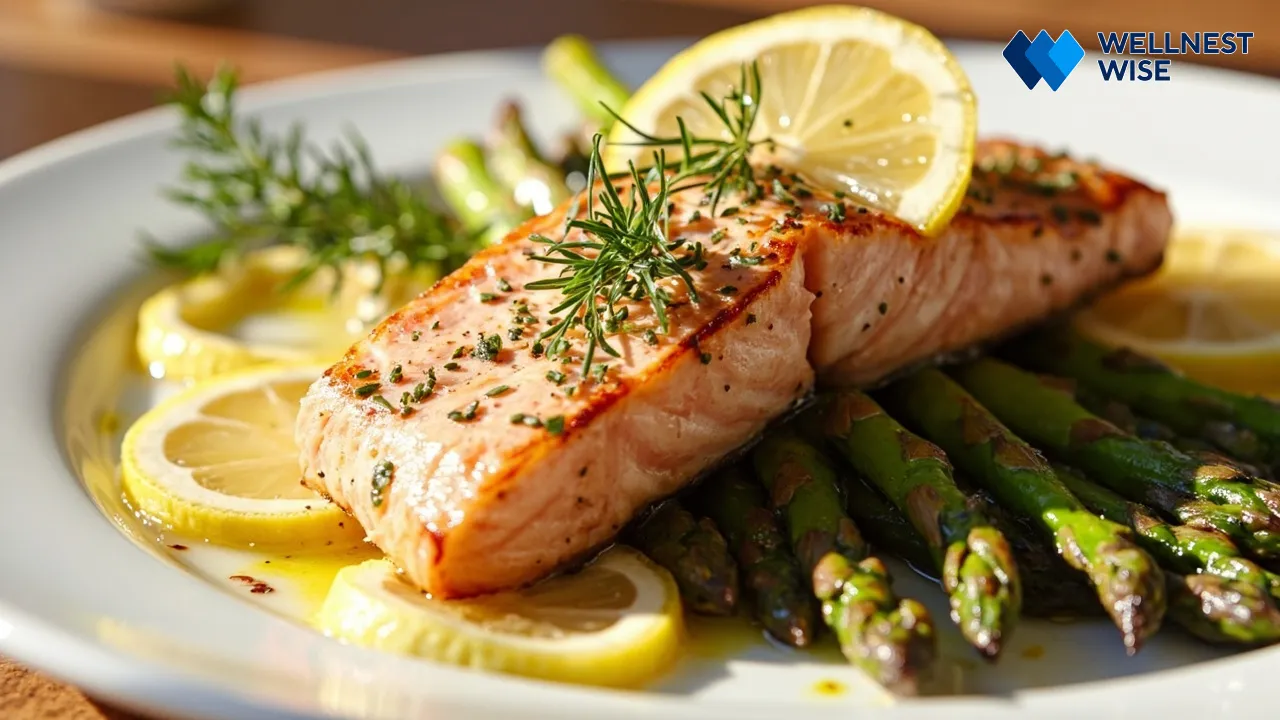
Healthy & Delicious Salmon Preparations: Maximizing Nutrient Retention
The way you cook salmon can influence its taste, texture, and even its nutritional integrity. The goal is to prepare it in a way that preserves its delicate fats and nutrients while bringing out its natural flavors. Here are some of the best ways to cook salmon healthy:
- Baking: A simple and hands-off method that’s great for nutrient retention. Baking at moderate temperatures (around 400°F or 200°C) helps keep the flesh moist and preserves omega-3s.
- Grilling: Imparts a wonderful smoky flavor and a nice sear. Quick grilling keeps the fish tender on the inside, preventing overcooking and nutrient loss.
- Pan-Searing: Creates a deliciously crispy skin while keeping the inside flaky. Use a healthy oil like olive oil and avoid excessive heat to protect delicate fats.
- Poaching: A gentle, moist-heat method that’s excellent for nutrient preservation and a tender result. Poaching in broth or water infused with herbs keeps it light and flavorful.
- Steaming: Considered one of the healthiest methods, steaming cooks the salmon gently with minimal fat, locking in moisture and maximizing nutrient retention.
Incorporating Salmon into Weekly Meal Plans: Tips for Consistency
Making salmon a regular fixture in your diet doesn’t require gourmet chef skills. With a little planning, you can easily enjoy its benefits multiple times a week. Think about how you typically structure your meals and find natural spots for this nutrient-dense fish.
Meal Prep Strategies: Making Salmon a Regular Part of Your Diet
One of the easiest ways to ensure you’re eating salmon consistently is through meal prep. Cook a larger batch of salmon fillets on a Sunday, and then portion them out for lunches or quick dinners throughout the week. Baked or grilled salmon can be stored in the refrigerator for up to 3-4 days. This strategy makes it incredibly convenient to toss salmon into salads, wraps, or pair with pre-cooked grains and vegetables for a balanced meal, ensuring salmon is a regular and effortless part of your diet.
Creative Salmon Recipes for the Whole Family: Beyond the Fillet
While a perfectly seared or baked salmon fillet is a classic, don’t limit your imagination! Salmon is a incredibly versatile ingredient that can shine in a variety of dishes, ensuring that even picky eaters can find a way to enjoy its health benefits. Think outside the traditional dinner plate to keep things fresh and exciting.
Diversifying Salmon Dishes: From Salads to Stir-fries and More
Get creative with your salmon recipes! Flaked cooked salmon can elevate a simple green salad into a hearty main course or be mixed with Greek yogurt and herbs for a healthier “tuna” salad alternative. Cubed salmon is excellent in a vibrant stir-fry with plenty of vegetables, or skewered and grilled with bell peppers and onions. For breakfast, consider smoked salmon with scrambled eggs or on whole-grain toast. Even salmon burgers or fish tacos are fantastic ways to enjoy this nutritious fish, providing endless opportunities to incorporate the health benefits of salmon into delicious, varied family meals.
Conclusion & Takeaways
From its heart-protecting omega-3s to its brain-boosting DHA and potent anti-inflammatory astaxanthin, salmon truly stands out as a foundational food for wellness. It’s a complete package, offering high-quality protein, essential vitamins like D and B12, and vital minerals such as selenium. By understanding the profound health benefits of salmon and making informed choices about sourcing, you’re not just choosing a meal; you’re investing in your long-term health and vitality. Make room for this incredible superfood in your kitchen—your body will thank you for it. Start incorporating salmon into your diet this week and experience the difference!
FAQ
Practical, scientific Q&A
Q: What specific nutrients make salmon so healthy?
A: Salmon is exceptionally rich in several key nutrients. Its most famous are the omega-3 fatty acids EPA and DHA, crucial for heart and brain health. It’s also an excellent source of high-quality protein, providing all essential amino acids. Furthermore, salmon is one of the best dietary sources of Vitamin D, vital for bone and immune support, and contains significant amounts of B vitamins (B12, B6, Niacin) for energy, selenium for antioxidant defense, and the powerful antioxidant astaxanthin.
Q: How often should I eat salmon to reap its benefits?
A: Most dietary guidelines recommend consuming fatty fish like salmon 2-3 times per week to optimize your intake of omega-3 fatty acids and other essential nutrients. This frequency provides a consistent supply of beneficial compounds without overdoing it, allowing you to fully enjoy the health benefits of salmon as part of a balanced diet.
Q: Are there differences in health benefits between wild-caught and farmed salmon?
A: Yes, there can be subtle differences. Wild-caught salmon typically has a slightly leaner profile and may offer a more varied micronutrient content reflective of its natural diet. Farmed salmon often contains more overall fat, which can translate to higher omega-3 levels, though the omega-6 to omega-3 ratio might differ. Both are excellent sources of nutrients, but understanding their origins and looking for sustainable certifications can help you make an informed choice based on your priorities for wild salmon vs farmed salmon health.