Imagine a small, humble pulse that has nourished civilizations for millennia, a tiny powerhouse packed with goodness. Lentils, often overlooked, are precisely that – a resilient staple capable of transforming your health from the inside out. From boosting your heart health to fine-tuning your digestion and even aiding in weight management, the health benefits of lentils are extensive and scientifically supported. Ready to discover why this remarkable legume deserves a starring role in your diet? Keep reading.
The Nutritional Powerhouse: Why Lentils Are a Core Plant-Based Superfood
In a world increasingly seeking sustainable and health-conscious food choices, lentils stand out as an undeniable champion. These small, disk-shaped legumes are a cornerstone of many diets globally, and for good reason. They offer a potent combination of macronutrients and essential vitamins and minerals, making them an incredibly efficient and nutrient-dense pulse. Let’s dive into what makes them such a nutritional star.
Deconstructing Lentil Nutrition Facts: A Comprehensive Overview
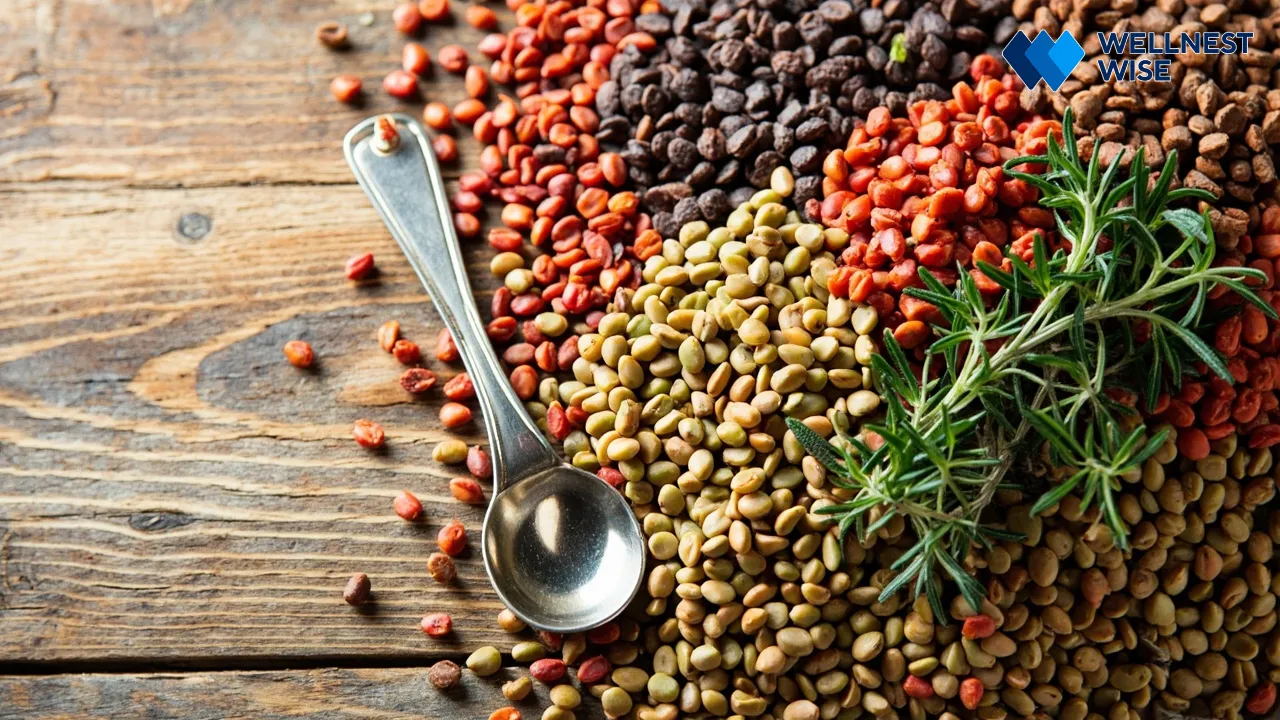
Understanding the lentil nutrition facts reveals why they’re so highly regarded. A mere 100 grams of cooked lentils (about ½ cup) provides a substantial portion of your daily nutritional needs, especially in terms of fiber and plant-based protein source.
| Nutrient | Amount per 100g Cooked Lentils | Key Benefits |
|---|---|---|
| :————- | :—————————– | :———————————————— |
| Energy | 116 kcal | Sustainable energy for daily activities. |
| Protein | 9.0 g | Muscle repair, growth, and satiety. |
| Fiber | 7.9 g | Digestive health, blood sugar control, satiety. |
| Carbohydrates | 20.1 g | Primary energy source. |
| Fat | 0.4 g | Minimal, making them heart-healthy. |
| Iron | 3.3 mg (18% DV) | Oxygen transport, energy, prevents anemia. |
| Folate | 181 µg (45% DV) | Cell growth, DNA synthesis, crucial for pregnancy. |
| Potassium | 369 mg (8% DV) | Blood pressure regulation, nerve function. |
| Magnesium | 36 mg (9% DV) | Muscle and nerve function, bone health. |
| Zinc | 1.3 mg (12% DV) | Immune function, wound healing. |
Note: Daily Values (DV) are based on a 2,000 calorie diet and can vary.
The Abundance of Plant-Based Protein: Fueling Your Body Naturally
For those seeking to reduce meat consumption or embrace a vegetarian/vegan lifestyle, protein in lentils is a game-changer. Lentils are one of the richest plant-based protein sources available, crucial for muscle repair, growth, and overall bodily function. While not a complete protein on their own (meaning they don’t contain all nine essential amino acids in sufficient quantities), pairing them with whole grains like rice or bread completes their amino acid profile, making them just as effective as animal proteins for building and maintaining muscle mass.
“As a runner, I’ve found that incorporating lentils into my diet provides sustained energy and helps my muscles recover faster after long runs. It’s an affordable and effective way to get high-quality plant-based protein without feeling heavy.” – An avid marathoner’s experience.
A Fiber Feast: Understanding Soluble and Insoluble Dietary Fiber
Lentils are renowned for their impressive fiber in lentils content, a blend of both soluble and insoluble dietary fiber rich foods. Soluble fiber dissolves in water, forming a gel-like substance that helps lower cholesterol and stabilize blood sugar. Insoluble fiber, on the other hand, adds bulk to your stool, promoting regularity and preventing constipation. Together, they create a powerful duo for digestive health, satiety, and metabolic balance.
Nurturing Your Gut Health: Lentils as a Digestive System Ally
Our gut is often called our “second brain” due to its profound impact on overall health, mood, and immunity. Nurturing a healthy gut microbiome is paramount, and this is where lentils truly shine. Their unique fiber profile and nutrient density make them an excellent gut health superfoods for supporting a happy, thriving digestive system.

Supporting a Thriving Gut Microbiome: The Prebiotic Power of Lentils
The fiber in lentils acts as a prebiotic, meaning it feeds the beneficial bacteria in your Gut Microbiome. These friendly bacteria then produce short-chain fatty acids (SCFAs) like butyrate, which are vital for maintaining the integrity of your gut lining, reducing inflammation, and even influencing mood and brain health. A diverse and robust gut microbiome is a hallmark of good health, and lentils are a fantastic way to cultivate it.
Easing Digestion: The Role of Fiber in Regularity and Comfort
Regular bowel movements are a sign of a healthy digestive system, and the insoluble fiber in lentils plays a critical role here. By adding bulk and softening stool, it helps food pass more smoothly through your digestive tract, preventing constipation and promoting regularity. This can significantly reduce discomfort and contribute to a feeling of lightness and wellness.
Minimizing Digestive Discomfort: Tips for Soaking and Proper Preparation
While incredibly beneficial, some people might experience mild gas or bloating when first introducing lentils due to their high fiber content. To minimize this discomfort, consider these tips: soaking lentils (especially larger varieties like green or brown) for a few hours before cooking can help break down some of the complex carbohydrates. Thorough rinsing before and after soaking, and cooking them until very tender, also aids in digestibility. Starting with small portions and gradually increasing intake allows your gut to adapt.
Protecting Your Heart and Stabilizing Blood Sugar: Cardiovascular and Metabolic Benefits
In the quest for a long and healthy life, protecting our heart and maintaining stable blood sugar levels are paramount. Lentils offer a potent defense on both fronts, making them a crucial component of any diet focused on cardiovascular health and metabolic balance. Their unique blend of fiber, minerals, and antioxidants works synergistically to support these vital functions.
Championing Heart Health: How Lentils Contribute to Cardiovascular Wellness
Lentils are truly a friend to your heart. Their multifaceted benefits contribute significantly to overall cardiovascular wellness, helping to reduce the risk factors associated with heart disease.
Managing Cholesterol Levels: The Impact of Soluble Fiber
The soluble fiber in lentils is particularly adept at managing cholesterol. It binds to cholesterol in the digestive tract, preventing its absorption and carrying it out of the body. This process helps to lower LDL (“bad”) cholesterol levels without affecting HDL (“good”) cholesterol, a key factor in reducing the risk of atherosclerosis and heart disease. Research published in the Journal of Nutrition often highlights this beneficial effect.
Supporting Blood Pressure Regulation: Lentils and Essential Minerals
Lentils are rich in potassium and magnesium, two minerals vital for healthy blood pressure. Potassium helps to counteract the effects of sodium, while magnesium relaxes blood vessels, both contributing to optimal blood pressure regulation. Maintaining healthy blood pressure is crucial for preventing hypertension, a major risk factor for heart attacks and strokes.
Steady Energy, Stable Blood Sugar: The Low Glycemic Index Advantage
One of the most impressive legumes benefits for metabolic health is their low Glycemic Index (GI). Foods with a low GI are digested and absorbed slowly, leading to a gradual and sustained rise in blood sugar rather than sharp spikes. This makes lentils an excellent choice for blood sugar control foods, particularly beneficial for individuals managing diabetes or seeking to maintain steady energy levels throughout the day. You’ll feel fuller longer and avoid the energy crashes often associated with high-GI foods.
Antioxidant Power: Harnessing the Benefits of Polyphenols in Lentils
Beyond their macronutrient profile, lentils are brimming with health-promoting compounds called polyphenols. These powerful antioxidants help combat oxidative stress and inflammation in the body, protecting cells from damage caused by free radicals. Certain polyphenols found in lentils, like proanthocyanidins and flavonoids, have been linked to anti-carcinogenic, anti-inflammatory, and neuroprotective effects, adding another layer to their incredible health benefits.
Achieving and Maintaining a Healthy Weight: Lentils for Satiety and Management
If are lentils good for weight loss is a question on your mind, the answer is a resounding yes. Lentils offer a trifecta of benefits that make them an ideal food for managing and maintaining a healthy weight: their high fiber and protein content contribute to satiety, and their nutrient density ensures you’re getting essential vitamins and minerals without excess calories.
The Satiety Factor: How Lentils Keep You Feeling Full Longer
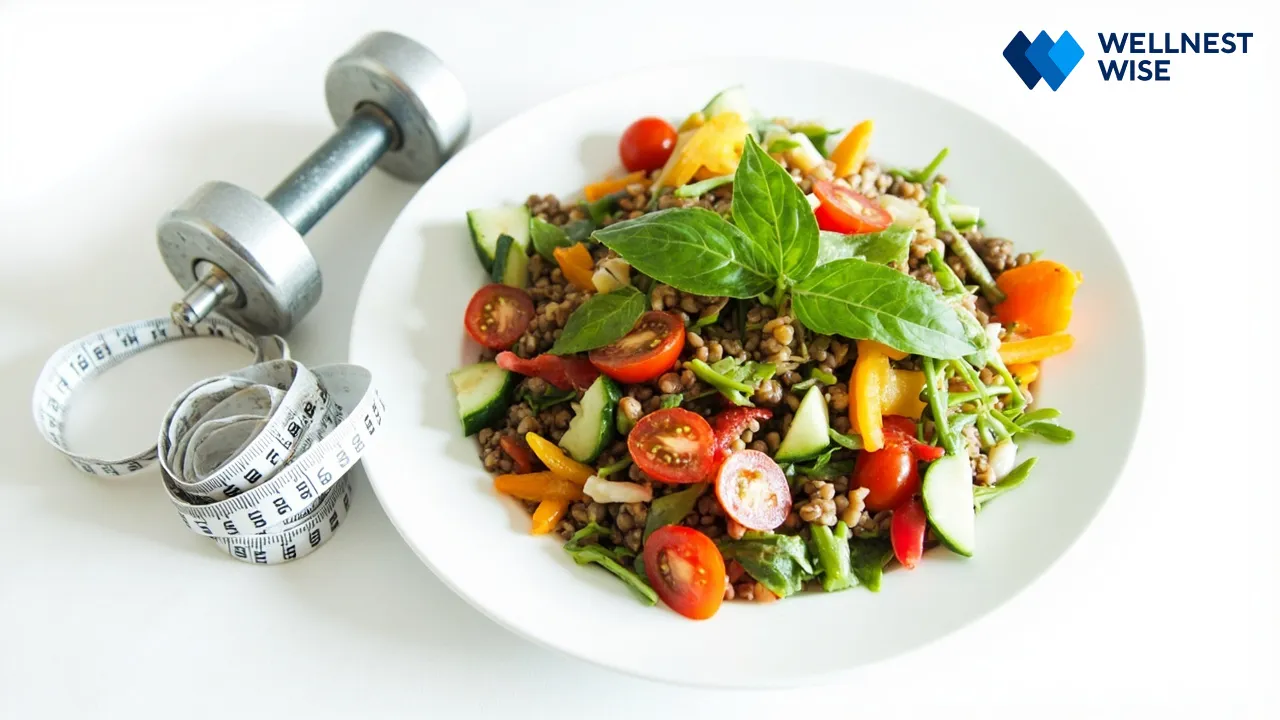
The combination of significant protein and fiber in lentils creates a powerful satiety effect. Protein is known to reduce appetite, while fiber adds bulk to your meals and slows digestion. This means that after eating a lentil-rich meal, you’ll feel full and satisfied for longer, reducing the likelihood of overeating or snacking on unhealthy options between meals. This natural appetite control is a cornerstone of sustainable weight management.
Boosting Metabolism: The Protein and Fiber Connection for Weight Loss
Digesting protein requires more energy from your body than digesting fats or carbohydrates, a phenomenon known as the thermic effect of food. By consuming a diet rich in protein, you can slightly boost your metabolism. Coupled with fiber’s ability to promote digestive health, lentils support a well-functioning metabolism, which is crucial for efficient calorie burning and weight loss efforts.
A Nutrient-Dense Choice: Replacing Less Healthy Alternatives with Lentils
Choosing lentils over less nutritious, calorie-dense foods is a smart move for weight management. For example, replacing a portion of meat in a dish with lentils can significantly reduce saturated fat and cholesterol intake while boosting fiber. Using lentils as a base for vegetarian burgers or replacing processed snacks with a hearty lentil salad allows you to eat a satisfying volume of food without consuming excess calories, providing essential nutrients that support overall health during your weight loss journey.
Beyond Macronutrients: Unveiling Essential Micronutrients and Their Roles
While the protein and fiber in lentils often steal the spotlight, it’s their impressive array of micronutrients that truly makes them a complete package. These vital vitamins and minerals play countless roles in bodily functions, from energy production to immune defense, making lentils a truly holistic addition to your diet.
Energizing Your Body: The Importance of Iron Absorption and Folate
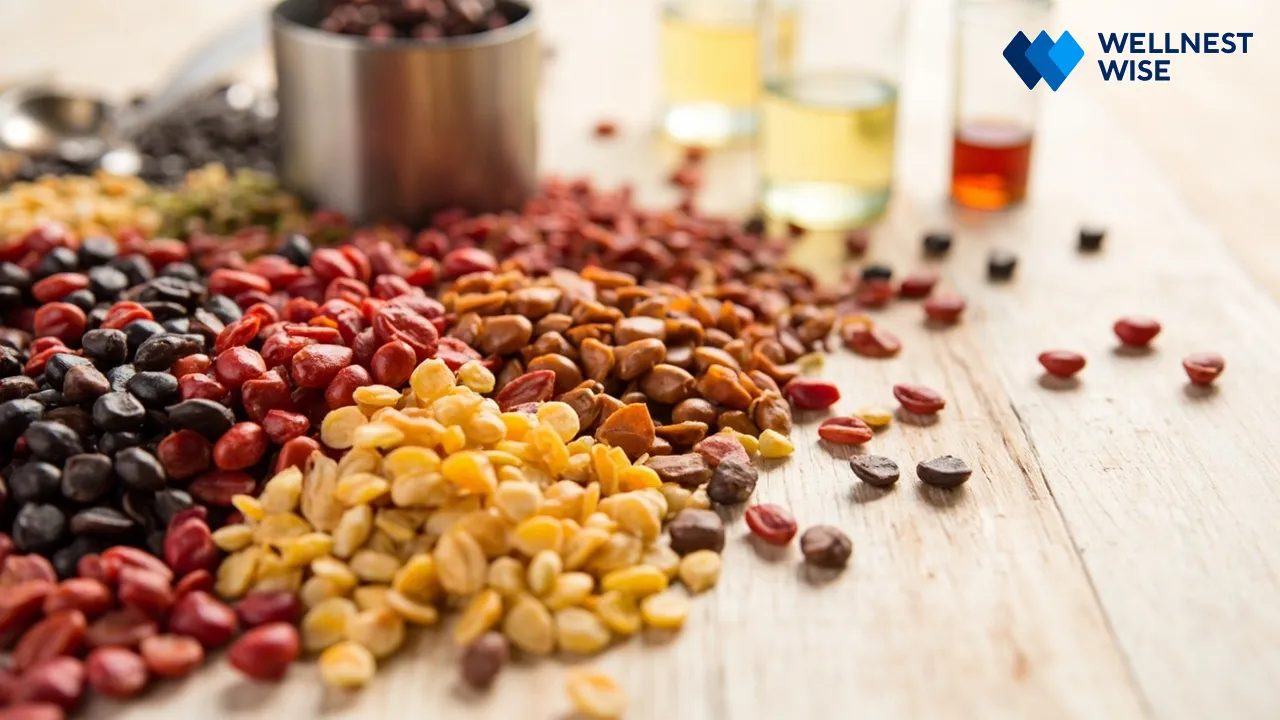
Lentils are an excellent source of iron, particularly crucial for individuals following plant-based diets who need to pay attention to their iron intake. Iron is essential for producing hemoglobin, the protein in red blood cells that carries oxygen throughout the body. Adequate iron prevents fatigue and iron-deficiency anemia. Lentils are also rich in folate (Vitamin B9), a B-vitamin vital for DNA synthesis, cell division, and red blood cell formation. It’s particularly important for pregnant women to support fetal development.
Muscle Function and Beyond: Magnesium, Potassium, and Other Vital Minerals
Beyond iron and folate, lentils supply other critical minerals. Magnesium is involved in over 300 enzymatic reactions, crucial for muscle and nerve function, blood glucose control, and blood pressure regulation. Potassium works with sodium to maintain fluid balance and nerve signals. You’ll also find smaller but significant amounts of zinc (important for immune function and wound healing), phosphorus (for bones and teeth), and manganese (an antioxidant that supports metabolism).
A Spectrum of Vitamins: Contributing to Overall Health and Vitality
While B vitamins like folate are prominent, lentils also contain smaller amounts of other vitamins that contribute to overall health. These include trace amounts of Vitamin K (for blood clotting and bone health) and B vitamins like thiamine (B1) and niacin (B3), which are essential for converting food into energy. This comprehensive nutrient profile ensures that lentils contribute to your overall vitality and help your body function optimally.
Integrating Lentils into Your Lifestyle: Types, Preparation, and Everyday Meals
Lentils are incredibly versatile, budget-friendly, and easy to incorporate into a wide array of dishes. From hearty stews reminiscent of Iranian comfort food to light, refreshing salads, understanding the different types of lentils and simple preparation methods will open up a world of culinary possibilities, making it simple to enjoy their health benefits of lentils daily.
Exploring the Rich Diversity: Common Types of Lentils and Their Uses
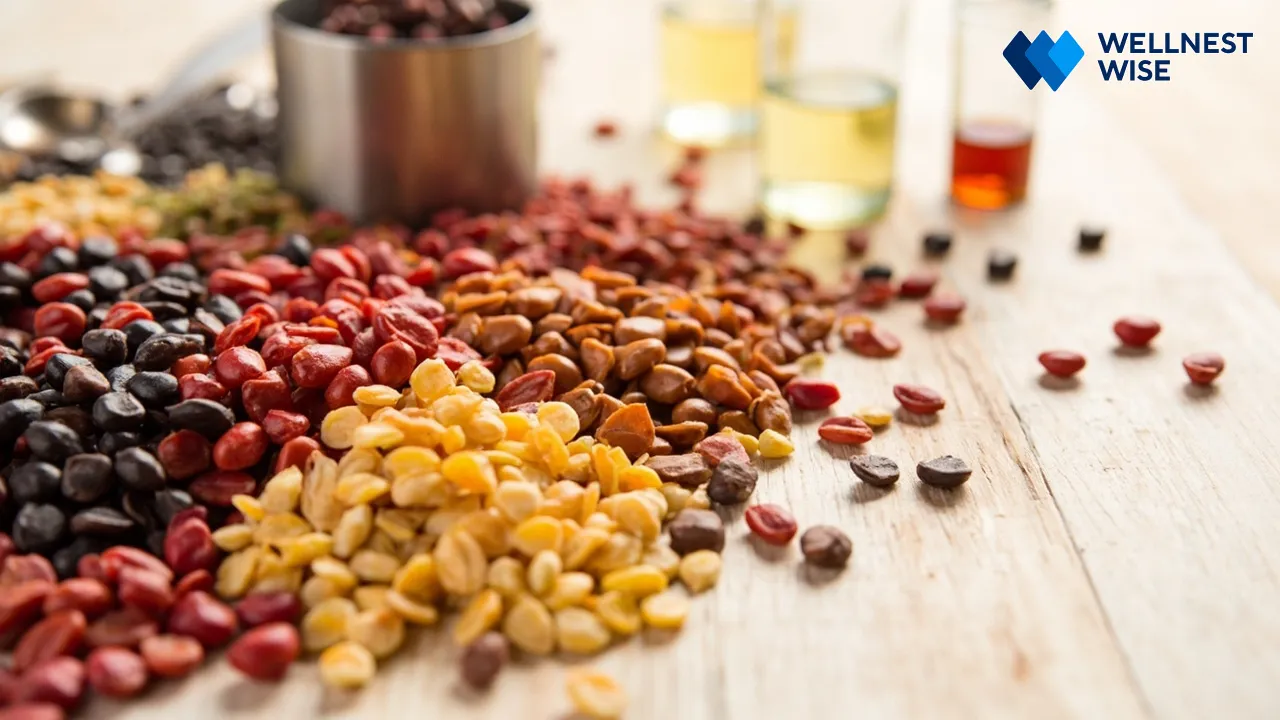
Each lentil variety brings its own unique texture, flavor, and cooking properties to the table:
- Brown Lentils: The most common variety, holding their shape relatively well. Ideal for hearty soups, stews, and side dishes.
- Green Lentils: Larger than brown, with a slightly peppery taste and firmer texture, making them excellent for salads or as a meat substitute. Think French-style stews.
- Red Lentils: Split and cook quickly, becoming very soft and creamy. Perfect for purées, Indian dals, and thickening soups. Their color fades to a golden yellow when cooked.
- Black Lentils (Beluga Lentils): Small, glossy, and resembling caviar, they have a rich, earthy flavor and retain their shape well. Great for elegant salads and side dishes.
- French Green (Puy) Lentils: A specific variety of green lentil, prized for their rich, earthy flavor and ability to hold their shape even after cooking. Often used in gourmet dishes.
Simple Preparation Methods: From Soaking to Cooking Perfection
Most lentils, especially red and split varieties, don’t require pre-soaking, which makes them incredibly convenient for quick meals. Simply rinse them thoroughly under cold water to remove any debris. For larger varieties like green or brown lentils, a quick soak for 30 minutes to an hour can reduce cooking time and improve digestibility, though it’s not strictly necessary. Cook lentils in a ratio of 1 part lentils to 2-3 parts water or broth, simmering until tender. Cooking times vary from 15-20 minutes for red lentils to 25-45 minutes for green or brown.
Creative Culinary Ideas: Incorporating Lentils into Everyday Iranian and Global Dishes
Lentils’ mild flavor makes them highly adaptable, easily absorbing the spices and aromatics of your chosen cuisine.
Hearty Soups and Stews: A Warming and Nutritious Base
Lentils are a natural fit for comforting soups and stews. Think traditional Ash-e Reshteh or Ash-e Anar (Pomegranate Soup) from Iranian cuisine, where lentils add depth and nutrition. A simple lentil soup with carrots, celery, and a bay leaf is a timeless classic. You can also thicken stews or chilies with red lentils for added body and protein.
Flavorful Salads and Side Dishes: Adding Texture and Protein
Cooked green or black lentils make a superb base for vibrant salads. Toss them with fresh herbs like parsley and mint, chopped tomatoes, cucumbers, and a lemon-tahini dressing for a Mediterranean twist. They can also be a fantastic side dish to grilled fish or chicken, offering a fiber-rich alternative to rice or potatoes.
Plant-Based Main Courses: Innovative Lentil-Centered Meals
Beyond soups and salads, lentils can be the star of your main course. Use them to create savory lentil “meatballs” or burger patties, or incorporate them into vegetable curries and stews. Adas Polo (Lentil Rice) with dates and raisins is a beloved Iranian dish that showcases the delicious versatility of lentils as a main. They can even be used in fillings for savory pastries or as a base for a hearty shepherd’s pie.
Conclusion & Takeaways
From a humble pantry staple to a nutritional powerhouse, lentils truly earn their title as the “mighty lentil.” Their profound health benefits of lentils span across crucial areas: fortifying your gut, safeguarding your heart, stabilizing blood sugar, aiding in weight management, and providing a rich spectrum of essential micronutrients. Versatile, affordable, and incredibly delicious, lentils are more than just a food; they’re an investment in your well-being. By embracing this ancient legume, you’re not just cooking a meal; you’re building a foundation for a healthier, more vibrant life. Start integrating them into your diet today and unlock their incredible potential!
FAQ
Practical, scientific Q&A
Q: Are lentils a complete protein source?
A: Lentils are not considered a “complete protein” on their own, meaning they don’t contain all nine essential amino acids in sufficient quantities. However, they are rich in most essential amino acids. When combined with whole grains like rice or bread (which are typically rich in the amino acids lentils are lower in), they form a complete protein, providing all necessary building blocks for your body.
Q: How can lentils help with blood sugar control?
A: Lentils have a low glycemic index (GI), which means they cause a slower and more gradual rise in blood sugar compared to high-GI foods. This is primarily due to their high fiber content, especially soluble fiber, which slows down digestion and the absorption of glucose. This makes them excellent for maintaining stable blood sugar levels, beneficial for everyone, particularly individuals with diabetes.
Q: What’s the best way to cook lentils to preserve their nutrients?
A: To preserve their nutrients, cook lentils until they are tender but not mushy. Boiling them gently rather than vigorously, and avoiding overcooking, helps retain vitamins and minerals. While soaking can reduce cooking time and improve digestibility for some varieties, it also causes a minor loss of water-soluble vitamins. Rinsing thoroughly before cooking is always recommended.
Q: Can lentils cause digestive issues, and how can I prevent them?
A: Due to their high fiber content, lentils can sometimes cause gas or bloating, especially if you’re not used to eating fiber-rich foods. To minimize this, gradually increase your lentil intake, ensure they are cooked thoroughly, and try soaking them before cooking (especially larger varieties like green or brown). Rinsing them well before and after soaking, and discarding the soaking water, can also help. Drinking plenty of water aids digestion.