
Imagine a tiny seed, no bigger than a sesame seed, yet packed with an incredible array of nutrients capable of transforming your health. For centuries, this unassuming powerhouse has been a staple in diets around the globe, revered for its remarkable contributions to well-being. Today, as we increasingly seek natural ways to support our bodies, the flaxseed benefits shine brighter than ever. Dive in with us to discover how this ancient superfood can enhance your digestion, bolster heart health, and much more.
Understanding Flaxseed: A Nutritional Powerhouse
Delving into the world of flaxseed reveals a botanical marvel whose modest size belies its profound nutritional impact. Often lauded as one of nature’s original superfoods, understanding its composition and unique characteristics is the first step toward harnessing its full potential. From its historical roots to its modern-day applications, flaxseed offers a fascinating journey through health and wellness.
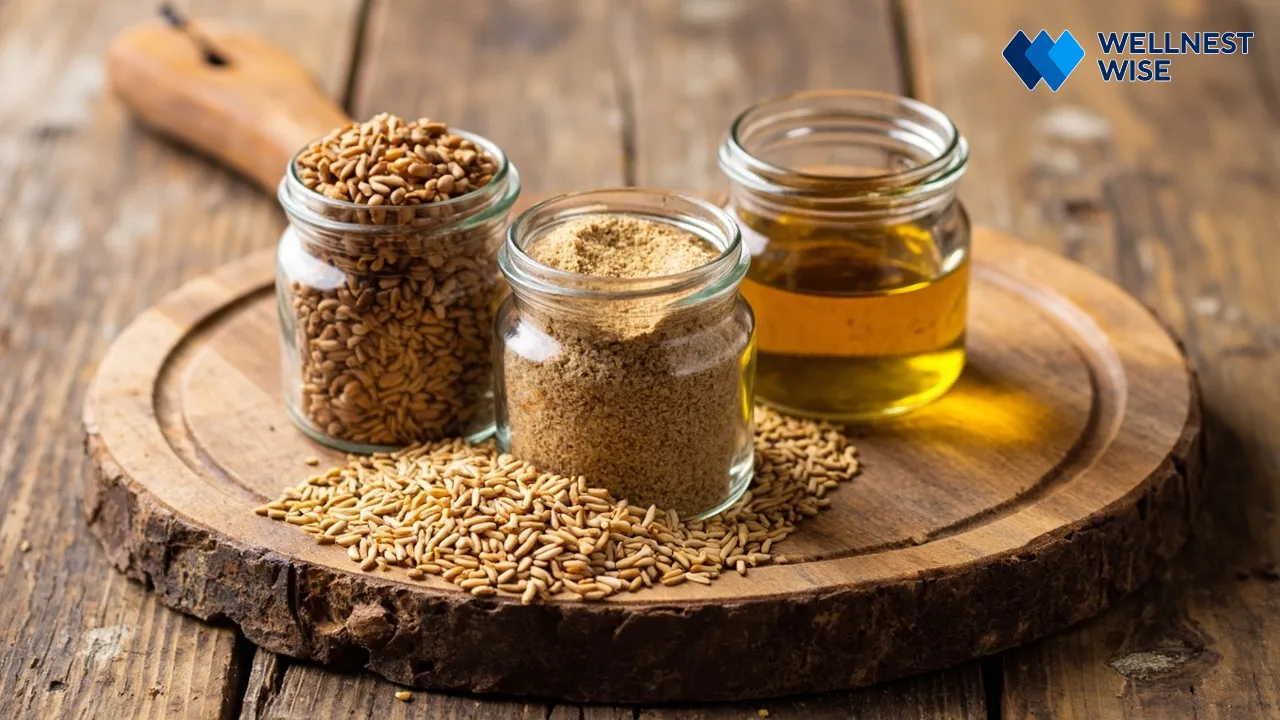
What is Flaxseed? Decoding This Ancient Seed
Flaxseed, derived from the flax plant (Linum usitatissimum), is an incredibly versatile crop cultivated for both its fiber and its nutritionally rich seeds. These small, golden or brown seeds have been consumed by humans for thousands of years, prized for their unique blend of healthy fats, fiber, and potent plant compounds. Often referred to as linseed, flaxseed has earned its reputation as a cornerstone of a healthy diet.
The Origin and Cultivation of Linum Usitatissimum
The history of flaxseed traces back to ancient civilizations, with evidence of its cultivation in Mesopotamia and Egypt dating back over 6,000 years. Linum usitatissimum, meaning “most useful flax,” aptly describes this plant. It was cultivated not only for its seeds but also for its strong fibers, used to make linen textiles. Historically, flax was a vital resource, supporting both dietary needs and practical applications across various cultures, a tradition that continues to this day.
Whole Flaxseed vs. Ground Flaxseed: Key Differences for Bioavailability
When considering how to eat flaxseed, a crucial distinction lies between its whole and ground forms. Whole flaxseeds, while fibrous, often pass through the digestive system largely intact, meaning many of their valuable nutrients, particularly the omega-3 fatty acids, remain locked away. Grinding the seeds, however, breaks down their tough outer shell, significantly enhancing the bioavailability of these beneficial compounds and allowing your body to absorb them more effectively.
Unveiling the Robust Nutritional Profile of Flaxseed
Per ounce (about 2 tablespoons or 28 grams) of ground flaxseed, you’re getting a remarkable nutritional package. This tiny seed is a powerhouse of essential nutrients, offering a balance of macronutrients and an impressive array of micronutrients. Understanding this flaxseed nutrition facts is key to appreciating its role in promoting overall health.
| Nutrient | Amount (per 1 tbsp / 7g ground flaxseed) | Key Benefit |
|---|---|---|
| :———————– | :————————————— | :——————————————— |
| Calories | 37 kcal | Energy |
| Protein | 1.3 g | Muscle repair, satiety |
| Total Fat | 3 g | Essential fatty acids, energy |
| Alpha-Linolenic Acid (ALA) | 1.6 g | Crucial plant-based Omega-3 fatty acid |
| Carbohydrates | 2 g | Energy |
| Dietary Fiber | 1.9 g | Digestive health, satiety |
| Magnesium | 40 mg (10% DV) | Muscle & nerve function, blood sugar control |
| Phosphorus | 66 mg (9% DV) | Bone health, energy metabolism |
| Thiamine (Vitamin B1) | 0.1 mg (8% DV) | Energy production, nerve function |
| Lignans | ~50-100 mg | Antioxidant, phytoestrogenic properties |
The Star Components: Omega-3 Fatty Acids, Dietary Fiber, and Lignans
At the heart of flaxseed’s benefits are its three primary components: alpha-linolenic acid (ALA), dietary fiber, and lignans. These synergistic elements work together to deliver a wide spectrum of health advantages, distinguishing flaxseed as a true nutritional standout. Each component plays a vital role, from supporting heart health to balancing hormones.
Alpha-Linolenic Acid (ALA): A Crucial Plant-Based Omega-3
Alpha-linolenic acid (ALA) is an essential omega-3 fatty acid that your body cannot produce on its own, meaning it must be obtained through diet. Flaxseed is one of the richest plant-based sources of ALA, which is a precursor to other omega-3s like EPA and DHA found in fish oil. While the conversion rate can vary, consuming ALA is vital for reducing inflammation, supporting brain function, and promoting cardiovascular health.
The Dual Power of Dietary Fiber: Soluble and Insoluble for Gut Health
The flaxseed dietary fiber content is exceptionally high, providing both soluble and insoluble forms. Soluble fiber forms a gel-like substance in the gut, which can help regulate blood sugar levels and lower cholesterol. Insoluble fiber, on the other hand, adds bulk to stool, promoting regularity and preventing constipation. Together, these fibers are crucial for overall digestive health benefits and maintaining a healthy gut.
Lignans: Unique Phytoestrogens with Significant Antioxidant Properties
Lignans in flaxseed are unique plant compounds classified as phytoestrogens, which means they have a structure similar to estrogen and can exert mild estrogenic or anti-estrogenic effects in the body. Beyond their hormonal influence, lignans are powerful antioxidants, helping to protect cells from damage caused by free radicals and reducing inflammation throughout the body.
“A small daily addition of ground flaxseed transformed my client’s energy levels and regularity. It’s often the simplest changes that yield the most profound results for gut health.” — A Registered Dietitian’s Observation.
The Science-Backed Health Advantages of Flaxseed Consumption
Beyond its impressive nutritional makeup, flaxseed offers a compelling array of science-backed health advantages that address some of the most pressing health concerns today. From maintaining a robust heart to nurturing a thriving digestive system, incorporating this small seed into your diet can lead to significant improvements in overall well-being. Let’s explore the key areas where flaxseed truly shines.

Promoting Optimal Cardiovascular Health with Flaxseed Omega-3s
The cardiovascular benefits of flaxseed are well-documented, primarily due to its high content of Alpha-Linolenic Acid (ALA), an essential plant-based omega-3 fatty acid, and its rich fiber profile. Regular consumption can play a significant role in reducing risk factors for heart disease, making it a valuable addition to a heart-healthy diet.
Lowering Cholesterol Levels: The Synergistic Role of Soluble Fiber and ALA
One of the most notable flaxseed benefits for heart health is its ability to help lower cholesterol. The soluble fiber in flaxseed binds with cholesterol in the digestive tract, preventing its absorption and aiding in its excretion. Furthermore, the ALA content contributes to maintaining healthy arteries and reducing inflammatory markers, collectively supporting overall cholesterol lowering flaxseed effects. Research published in the Journal of Nutrition suggests that flaxseed can significantly reduce LDL (“bad”) cholesterol levels.
Supporting Healthy Blood Pressure Regulation for Heart Wellness
High blood pressure is a major risk factor for heart disease and stroke. Studies indicate that regular flaxseed consumption can contribute to healthy blood pressure regulation. This effect is attributed to both its omega-3 fatty acids, which promote elasticity in blood vessels, and its fiber content, which can indirectly support cardiovascular function. This dual action makes flaxseed a powerful ally in maintaining optimal heart wellness.
Enhancing Digestive Wellness: Flaxseed Dietary Fiber for a Thriving Gut
For many, achieving optimal digestive health benefits is a constant goal, and flaxseed dietary fiber is a star player in this arena. The unique combination of soluble and insoluble fiber in flaxseed provides a comprehensive approach to supporting a healthy and efficient digestive system, addressing common complaints and promoting long-term gut vitality.
Relieving Constipation and Promoting Regularity with Flaxseed Mucilage
If you’ve ever struggled with constipation, you know how uncomfortable it can be. Flaxseed’s rich mucilage content, a gel-forming soluble fiber, acts as a natural laxative. When mixed with water, it swells, softening stool and allowing it to pass more easily, thus promoting regular bowel movements. This gentle yet effective action makes it a popular natural remedy for relieving constipation.
Nurturing a Balanced Gut Microbiome: The Prebiotic Effects of Flaxseed
Beyond simple regularity, flaxseed plays a crucial role in nurturing a balanced gut microbiome. The fiber acts as a prebiotic, feeding the beneficial bacteria in your gut. A healthy and diverse microbiome is linked to improved immunity, better nutrient absorption, and even mood regulation. By fostering a thriving internal ecosystem, flaxseed contributes significantly to overall wellness.
Flaxseed for Weight Management: Satiety and Metabolic Support
In the journey toward a healthy weight, flaxseed for weight loss and maintenance has emerged as a valuable tool, primarily due to its exceptional fiber content and its potential impact on metabolism. It’s not a magic bullet, but rather a supportive addition to a balanced diet and active lifestyle.
How Flaxseed’s High Fiber Content Contributes to Feelings of Fullness
The high dietary fiber in flaxseed is a game-changer for weight management. Soluble fiber, in particular, slows down digestion and creates a feeling of fullness, or satiety, which can help reduce overall calorie intake. When you feel satisfied longer, you’re less likely to snack impulsively, making it easier to stick to your dietary goals. Many people report feeling fuller for hours after adding ground flaxseed to their breakfast.
Potential Impact on Metabolism and Sustaining a Healthy Weight
While not a dramatic metabolism booster, the combination of fiber, omega-3s, and other nutrients in flaxseed can support metabolic health. A stable blood sugar response, aided by fiber, prevents energy crashes and subsequent cravings. The anti-inflammatory properties of ALA can also contribute to a healthier metabolic state, making it easier to sustain a healthy weight over time.
Balancing Hormones and Supporting Women’s Health
For women across different life stages, flaxseed offers unique flaxseed benefits, particularly concerning hormonal balance and overall well-being. Its lignans, in particular, are the star compounds here, providing a natural and gentle approach to managing various hormonal fluctuations.
The Phytoestrogenic Effects of Lignans in Hormonal Equilibrium
The lignans in flaxseed are remarkable phytoestrogens that can subtly interact with estrogen receptors in the body. This interaction can help modulate hormone levels, potentially reducing symptoms associated with estrogen dominance or providing mild estrogenic support when levels are low. This makes flaxseed a fascinating area of study for women’s hormonal equilibrium.
Addressing Menopausal Symptoms and Contributing to Bone Health
For women experiencing menopause, flaxseed has shown promise in addressing symptoms like hot flashes and night sweats. Its phytoestrogenic effects may offer a natural alternative to hormone replacement therapy for some individuals. Furthermore, lignans also possess antioxidant properties that contribute to bone health, helping to protect against bone density loss often seen post-menopause.
“During my late 40s, I started experiencing increasingly uncomfortable menopausal symptoms. Adding a spoonful of ground flaxseed to my morning yogurt felt like a small step, but over a few weeks, I genuinely noticed a subtle calming effect on my hot flashes. It wasn’t a cure, but it was a relief.” — An Iranian woman’s personal experience.
Antioxidant Power: Protecting Cells from Oxidative Stress and Inflammation
Our bodies are constantly under attack from environmental toxins and metabolic processes that generate harmful free radicals. Flaxseed’s antioxidant capacity provides a robust defense against this oxidative stress and the inflammation it can trigger, contributing significantly to cellular health and disease prevention.
Flaxseed’s Contribution to Reducing Systemic Inflammation and Cell Damage
The lignans and omega-3 fatty acids (ALA) in flaxseed are potent anti-inflammatory agents. Chronic low-grade inflammation is implicated in numerous chronic diseases, including heart disease, diabetes, and certain cancers. By actively reducing systemic inflammation and neutralizing free radicals, flaxseed helps protect cells from damage, supports cellular repair, and fortifies the body’s natural defenses, promoting long-term health.
How to Safely and Effectively Integrate Flaxseed into Your Daily Diet
Integrating a new ingredient into your diet should be both simple and enjoyable. When it comes to flaxseed, maximizing its nutritional punch requires a few key practices, particularly around preparation and consumption. Understanding the best ways to enjoy this superfood ensures you’re harnessing its full spectrum of flaxseed benefits without any guesswork.
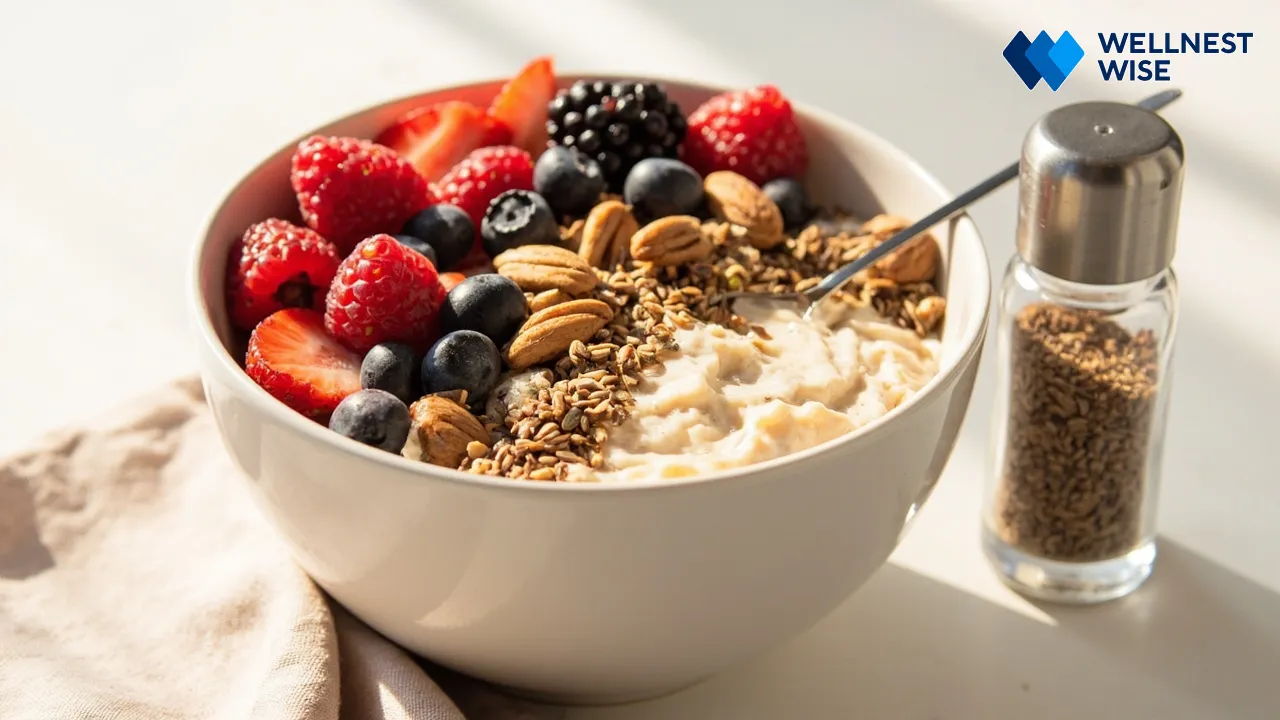
Optimal Consumption: Ground Flaxseed for Maximum Nutrient Absorption
While whole flaxseeds can add texture to some dishes, their tough outer shell makes it difficult for our bodies to digest and absorb the valuable nutrients inside. To truly unlock the flaxseed benefits, grinding is non-negotiable. This simple step ensures you get the most out of every tiny seed.
Why Grinding is Essential for Unlocking Flaxseed’s Nutritional Value
As discussed earlier, the hard outer shell of whole flaxseeds can prevent proper digestion, leading to many of the seeds passing through your system undigested. Grinding flaxseed before consumption breaks this barrier, making its omega-3 fatty acids, fiber, and lignans readily available for absorption. Think of it as peeling a tough fruit before eating it – you wouldn’t eat a whole orange with its peel, and the same principle applies here.
Best Practices for Grinding and Storing Ground Flaxseed to Preserve Potency
For optimal freshness and potency, it’s best to grind whole flaxseeds yourself using a coffee grinder or a dedicated spice grinder. Grind only what you plan to use within a few days. Store ground flaxseed meal in an opaque, airtight container in the refrigerator or freezer to prevent the delicate omega-3s from oxidizing and going rancid. This preserves its fresh, nutty flavor and its full nutritional value.
Recommended Daily Intake: Finding Your Healthy Dose
When embarking on your flaxseed journey, moderation and a gradual approach are key. While it’s a superfood, your digestive system needs time to adjust to its high fiber content. Finding your personal “healthy dose” will ensure you reap the flaxseed benefits without discomfort.
Starting Slowly: A Gradual Approach to Adding Flaxseed to Your Diet
If you’re new to flaxseed, begin with a small amount, perhaps 1 teaspoon of ground flaxseed per day, and gradually increase it over several weeks. This allows your digestive system to adapt to the increased dietary fiber. Remember to also increase your water intake when adding more fiber to your diet to prevent potential constipation or bloating.
General Guidelines for Adults and Considerations for Specific Dietary Needs
Most experts recommend 1-2 tablespoons (7-14 grams) of ground flaxseed per day for adults to experience the full range of flaxseed benefits. For specific dietary needs, such as managing cholesterol or menopausal symptoms, some studies have used higher doses, but it’s always wise to consult a healthcare professional. People with certain health conditions or those on medications should also seek professional advice before making significant dietary changes.
Easy and Delicious Ways to Incorporate Flaxseed into Meals
How to eat flaxseed is often simpler than people imagine. Its mild, nutty flavor makes it a versatile ingredient that can be seamlessly integrated into many dishes, enhancing both nutrition and taste, especially for those looking for culturally relevant ideas.
- Morning Boost: Stir ground flaxseed into your morning oatmeal (Jo-parak), yogurt (Mast), or blend it into your favorite fruit smoothies.
- Baking & Breads: Mix it into doughs for traditional Iranian breads like Nan-e Barbari or Nan-e Lavash for added fiber and omega-3s.
- Savory Sprinkles: Sprinkle a tablespoon over fresh salads (Salad-e Shirazi), hearty soups like Ash-e Reshteh, or even comforting Abgoosht after cooking.
- Egg Substitute & Binder: For vegans or those reducing egg intake, a “flax egg” (1 tbsp ground flaxseed + 3 tbsp water, let sit for 5 mins) can be used in baking. It also works as a binder in meatballs (Koofteh) or patties (Kotlet).
- Stir-Ins: Stir a spoonful into warm rice dishes like Chelo or lentil stews like Adasi just before serving for an invisible nutritional boost.
Flaxseed Oil vs. Whole/Ground Flaxseed: Understanding the Key Differences
While both flaxseed oil and whole or ground flaxseed come from the same plant, their nutritional profiles and uses differ significantly. Knowing these distinctions is crucial for making informed choices about which form best suits your dietary goals.
Uses and Limitations of Flaxseed Oil for Omega-3 Intake
Flaxseed oil is primarily prized for its concentrated Alpha-Linolenic Acid (ALA) content, making it a powerful source of plant-based omega-3s. It’s best used as a finishing oil, drizzled over salads or cooked dishes after they’ve been heated, as its delicate omega-3s are sensitive to high temperatures and can degrade. However, it completely lacks the fiber and lignans found in the whole seed, meaning it won’t offer the same digestive or hormonal flaxseed benefits.
When to Choose Whole Flaxseed for Specific Culinary Applications and Fiber Benefits
Whole flaxseeds, though less bioavailable for omega-3 absorption, can be excellent for adding texture to baked goods, granola, or as a garnish. When incorporated into baking, their fiber content still contributes to satiety and digestive health. If your primary goal is digestive regularity or benefiting from lignans, using freshly ground flaxseed is the superior choice, as it provides a comprehensive nutritional package that the oil cannot match.
Addressing Common Questions and Considerations for Flaxseed Use
As with any powerful dietary addition, understanding the nuances of flaxseed consumption—including potential side effects, interactions, and specific population guidelines—is essential for safe and effective integration. Being informed helps you maximize the flaxseed benefits while minimizing any risks.

Potential Side Effects and Precautions of Flaxseed Consumption
While generally safe, some individuals might experience mild side effects, especially when starting flaxseed or consuming it in large quantities. Understanding these can help you adjust your intake and prevent discomfort.
Gastrointestinal Considerations: Managing Bloating and Gas
The high dietary fiber content of flaxseed, while beneficial, can sometimes lead to bloating, gas, or stomach discomfort, particularly if introduced too quickly or without adequate hydration. To manage this, start with a small dose (e.g., 1 teaspoon) and gradually increase it. Crucially, ensure you drink plenty of water throughout the day, as fiber needs fluid to work effectively and prevent constipation.
Understanding Allergic Reactions and Sensitivities to Flaxseed
Although rare, some individuals may experience allergic reactions to flaxseed, presenting symptoms like hives, swelling, or difficulty breathing. If you have known allergies to other seeds or nuts, introduce flaxseed cautiously. If any allergic symptoms arise, discontinue use immediately and seek medical attention. Always listen to your body and consult a healthcare professional if you suspect a sensitivity.
Drug Interactions: What You Need to Know Before Adding Flaxseed
Flaxseed’s active compounds can interact with certain medications, particularly those that affect blood clotting or blood sugar. It’s vital to be aware of these potential interactions and to consult your doctor or pharmacist if you are on any prescribed drugs.
Flaxseed’s Potential Impact on Medication Absorption
The soluble fiber in flaxseed can form a gel in the digestive tract, which might slow down or reduce the absorption of some oral medications. To minimize this effect, it’s generally recommended to consume flaxseed at least one to two hours apart from any medications. This simple timing adjustment can help ensure your medications are absorbed effectively.
Important Considerations for Individuals on Blood Thinners and Diabetes Medications
Because flaxseed contains omega-3 fatty acids (ALA), which can have mild blood-thinning effects, individuals on anticoagulant medications (blood thinners) like Warfarin should exercise caution and consult their doctor. Additionally, flaxseed’s fiber content can help lower blood sugar levels, which is beneficial, but diabetic individuals on glucose-lowering medications should monitor their blood sugar closely to avoid hypoglycemia and adjust medication doses as advised by their physician.
Flaxseed for Specific Populations: Pregnancy, Children, and Health Conditions
The use of flaxseed in specific populations requires careful consideration due to varying physiological needs and potential sensitivities. Always prioritize safety and seek professional medical advice when in doubt.
Guidance for Pregnant and Breastfeeding Individuals
While generally considered safe in moderate amounts, data on flaxseed use during pregnancy and breastfeeding is somewhat limited. Due to its phytoestrogenic lignans, some sources suggest caution, although moderate intake is often deemed acceptable. Pregnant and breastfeeding individuals should consult their healthcare provider before adding significant amounts of flaxseed to their diet.
Safe Consumption Guidelines for Children and Adolescents
Small amounts of ground flaxseed can be safely introduced into the diets of children and adolescents, primarily for its fiber and omega-3 content. Start with very small quantities (e.g., ½ teaspoon for toddlers) and ensure adequate fluid intake. Always consult a pediatrician before making significant dietary changes for children, especially if they have pre-existing health conditions.
Consulting Healthcare Professionals for Chronic Health Conditions
If you have chronic health conditions such as diverticulitis, inflammatory bowel disease, or any gastrointestinal issues, or if you are undergoing treatment for hormone-sensitive cancers, it is imperative to consult healthcare professionals before incorporating flaxseed into your diet. They can provide personalized advice based on your specific health status and medication regimen.
Flaxseed vs. Chia Seeds: A Comparative Nutritional Insight
Often grouped as “super seeds,” flaxseed vs. chia seeds are both nutritional powerhouses, but they have distinct differences that might make one a better choice for your specific dietary goals. Understanding their unique profiles can help you choose wisely.
Key Similarities and Differences in Nutritional Profile and Health Benefits
Both flaxseed and chia seeds are excellent sources of plant-based omega-3 fatty acids (ALA), dietary fiber, and provide valuable protein. However, flaxseed boasts significantly higher levels of lignans, giving it unique hormonal and antioxidant benefits not found to the same extent in chia. Chia seeds, on the other hand, are particularly rich in calcium and can be eaten whole without grinding, as their outer shell is softer and more permeable.
Deciding Between Flaxseed and Chia for Your Specific Dietary Goals
If your focus is on hormonal balance, prostate health, or robust antioxidant activity due to lignans, flaxseed might be your preferred choice. If convenience (no grinding needed), higher calcium content, or a slightly different texture for recipes is more important, chia seeds could be the better fit. Both are fantastic additions to a healthy diet, and many people successfully incorporate both for a broader spectrum of nutrients.
Conclusion & Takeaways
From bolstering heart health to enhancing digestion and potentially balancing hormones, the flaxseed benefits are truly remarkable. This tiny seed, rich in omega-3 fatty acids, dietary fiber, and unique lignans, offers a natural and scientifically supported path to improved well-being. By opting for freshly ground flaxseed and gradually incorporating 1-2 tablespoons into your daily meals, you can unlock its full nutritional potential. Remember the importance of hydration and, if you have any health concerns or are on medication, always consult with a healthcare professional. Embrace this ancient superfood, and take a simple, yet powerful, step towards a healthier you.
FAQ
Practical, scientific Q&A
Q: What are the main health benefits of consuming flaxseed?
A: Flaxseed offers a wide range of benefits, primarily due to its rich content of Alpha-Linolenic Acid (ALA) omega-3s, dietary fiber, and lignans. Key advantages include promoting cardiovascular health (by lowering cholesterol and supporting healthy blood pressure), enhancing digestive wellness (relieving constipation and nurturing a healthy gut microbiome), aiding in weight management (through increased satiety), balancing hormones, and providing potent antioxidant and anti-inflammatory effects.
Q: How should I eat flaxseed (whole vs. ground) and how much daily?
A: For maximum nutrient absorption, ground flaxseed is recommended over whole seeds, as grinding breaks down the tough outer shell, making its beneficial compounds more bioavailable. Most experts suggest consuming 1 to 2 tablespoons (7-14 grams) of ground flaxseed per day for adults. Start with a smaller amount (e.g., 1 teaspoon) and gradually increase your intake while ensuring adequate water consumption to allow your body to adjust to the high fiber content.
Q: Are there any side effects or precautions when adding flaxseed to my diet?
A: While generally safe, some individuals may experience gastrointestinal discomfort like bloating or gas if they introduce flaxseed too quickly or don’t drink enough water. It’s crucial to increase fluid intake with higher fiber consumption. Additionally, flaxseed can interact with certain medications, such as blood thinners and diabetes medications, and may affect the absorption of other oral drugs. Always consult your healthcare provider if you have existing health conditions, are pregnant or breastfeeding, or are on any medications before making significant dietary changes.