
When dealing with pervasive low mood, the energy to simply tie your shoes can feel unattainable. Yet, research consistently shows that physical activity is a powerful, natural antidepressant. Studies report that regular exercise can reduce symptoms of mild to moderate depression, often paralleling improvements achieved with medication. This isn’t just theory; it’s a biological imperative. Exercise regulates serotonin levels, reduces stress hormones, and builds cognitive resilience. We will translate the science into a practical, evidence-based exercise plan—your ultimate prescription for managing depression and boosting your overall well-being.
I. The Evidence-Based Connection: Why Physical Activity Acts as a Natural Antidepressant
Many people dismiss exercise as mere physical effort when they are struggling with severe low mood. However, the profound connection between exercise and mental health is fundamentally biological. Physical activity doesn’t just distract you; it chemically rewires the brain, directly influencing the same neurological pathways targeted by prescription antidepressants. Understanding these deep-seated mechanisms provides powerful motivation to start moving, even when internal drive is low.
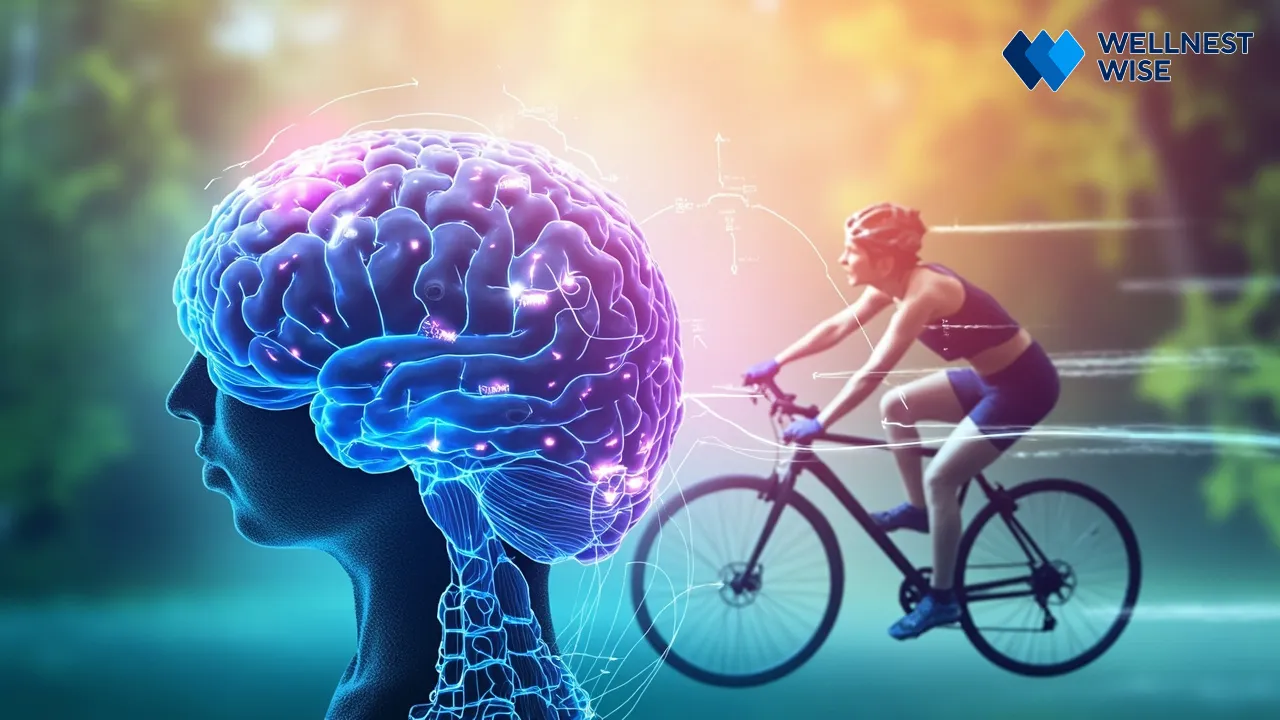
A. Unpacking the Biological Mechanisms of Mood Regulation
Physical exertion triggers a cascade of chemical responses essential for mood regulation. These processes directly counteract the chemical imbalances and inflammatory markers associated with depressive episodes.
The Role of Endorphin Release and the Natural “Runner’s High”
The immediate, temporary uplift many experience during vigorous activity comes from endorphin release, the body’s natural opiate-like peptides. These transient chemicals help dampen pain and anxiety, generating the famous (if slightly overhyped) “Runner’s High,” offering instant, albeit short-lived, mood relief.
Modulating Neurotransmitters: How Exercise Elevates Serotonin Levels
Exercise acts similarly to certain clinical antidepressants by modulating the uptake and availability of crucial neurotransmitters. Regular physical activity enhances the signaling pathways of chemicals like serotonin, norepinephrine, and dopamine—key players in regulating mood, motivation, and reward processing. This chronic upregulation helps stabilize emotional states.
Reducing Chronic Inflammation and Cortisol (The Stress Hormone)
Chronic, low-grade inflammation is increasingly recognized as a key contributor to depression severity. Regular activity is a potent anti-inflammatory agent. Simultaneously, exercise helps lower the stress hormone cortisol, which is often chronically elevated in states of stress and depression, thereby improving the brain’s ability to cope with psychological strain.
B. Neuroplasticity and Cognitive Resilience
Exercise doesn’t just manage existing brain chemistry; it actively supports the creation and survival of new brain cells, fundamentally increasing cognitive resilience.
Stimulating Brain-Derived Neurotrophic Factor (BDNF)
Known informally as the brain’s fertilizer, Brain-Derived Neurotrophic Factor (BDNF) is stimulated by physical activity, particularly aerobic exercise. BDNF promotes neurogenesis—the creation of new neurons—and enhances the connectivity between existing brain cells. This process is essential for learning, memory, and combating the neuronal atrophy often observed in Major Depressive Disorder (MDD).
Improving Sleep Quality and Circadian Rhythm Synchronization
Depression frequently leads to fragmented or non-restorative sleep. By synchronizing our circadian rhythm and promoting deeper, restorative non-REM sleep, consistent movement directly addresses this symptom. Better sleep allows the brain to consolidate memories and perform essential housekeeping functions, which stabilizes mood the following day.
C. Psychological and Social Benefits Beyond Biochemistry
While the biological shifts are critical, the psychological benefits of movement are equally powerful in breaking the cycle of depression.
Increasing Self-Efficacy and Sense of Control
Depression often involves feelings of helplessness and lack of control. Completing a workout, even a short 15-minute session, dramatically increases your self-efficacy—your belief in your ability to accomplish tasks. This ritualistic success restores a vital sense of mastery over your body and circumstances.
Reducing Rumination and Distraction from Negative Thoughts
Physical effort forces attention onto the present moment and physical sensations (like breathing or muscle fatigue). This shift acts as a powerful, active break from the cycle of negative and repetitive thoughts, known as rumination, providing temporary mental relief.
II. Determining the Optimal Exercise Dose: The Therapeutic Workout Prescription
We know exercise works, but how much is enough for the effect to qualify as a therapeutic dose? Just like any medicine, the anti-depressant effects of physical activity require precise dosage and consistency. This section breaks down the clinical recommendations into an actionable plan, ensuring you maximize mood-boosting potential without risking burnout or injury.

A. Applying the FITT Principle: Frequency, Intensity, Time, and Type
The FITT principle provides a simple framework for designing a clinically effective exercise program for mental health.
Recommended Frequency: Consistency Over Quantity for Mental Health
For significant improvements in mood, aim for 3–5 sessions per week. For mental health benefits, consistency over quantity is paramount. The goal is to establish a reliable rhythm that maintains elevated neurotransmitter levels. Missing one session is not a failure, but long gaps allow depressive symptoms to creep back.
Establishing the Ideal Intensity Level for Mood Enhancement
For most individuals dealing with depression, a moderate intensity level is ideal. This means your heart rate is elevated, you are breathing hard, and you can talk but cannot comfortably sing. If you push into the vigorous zone too quickly, you risk increasing anxiety or perceived exhaustion, which can undermine adherence.
B. Minimum Therapeutic Requirements: Duration and Accumulation
Many individuals feel overwhelmed by the thought of 60-minute workouts. Fortunately, the benefits start earlier, and accumulation counts.
How Much Exercise is Needed to Treat Mild to Moderate Depression?
Clinical evidence suggests a target of 150 minutes of moderate-intensity aerobic exercise per week (equivalent to five 30-minute sessions) provides a moderate-to-large reduction in depressive symptoms. Importantly, these 150 minutes can be accumulated throughout the day. For example, three 10-minute brisk walks are just as effective as one 30-minute session for neurological benefits.
C. Therapeutic Dosage Recommendations for Managing Symptoms of MDD
The effectiveness of exercise is often greatest when combining aerobic work with strength training. The following table provides minimum guidelines based on current research specifically for managing symptoms of Major Depressive Disorder (MDD):
| Exercise Type | Recommended Frequency | Duration (Minutes/Session) | Perceived Therapeutic Effect Size (for MDD) |
|---|---|---|---|
| :— | :— | :— | :— |
| Moderate-Intensity Aerobic | 3–5 times per week | 30–60 minutes | Moderate to Large |
| Resistance Training | 2–3 times per week | 20–45 minutes | Small to Moderate |
III. Effective Physical Activities for Managing Depressive Symptoms
Not all physical activity is created equal when the primary goal is mood management. While all movement is beneficial, certain activities maximize the anti-inflammatory and neurological benefits specifically needed to combat MDD symptoms. We evaluate the key modalities to help you select the most effective tools.

A. Aerobic Training: The Gold Standard for Mood Elevation
Aerobic exercise (often called cardio) is consistently cited in meta-analyses as the most powerful single modality for reducing symptoms of depression and anxiety, largely due to its significant impact on BDNF and serotonin production.
Brisk Walking, Cycling, and Running: Accessibility and Impact
Activities like brisk walking, light jogging, or cycling are highly accessible, require minimal equipment, and reliably deliver the needed increase in heart rate to release endorphins. For those struggling with low energy, brisk walking is an excellent starting point that minimizes joint stress while meeting the minimum requirements for therapeutic intensity.
The Benefits of Outdoor Physical Activity and Exposure to Nature
Exercising outside offers an added, powerful benefit: exposure to natural light and green spaces. This practice, often called “green exercise,” enhances mood regulation, reduces stress, and increases Vitamin D production far more effectively than indoor workouts alone. Utilizing local parks and accessible pathways maximizes these combined benefits.
B. Resistance Training and Strength Building
While aerobic exercise focuses on cardiac health, resistance training addresses overall metabolic health and increases psychological robustness.
How Muscle Building Contributes to Mental Resilience
Building muscle mass increases metabolic function and improves insulin sensitivity, both of which are often compromised in depressive states. Furthermore, achieving small, measurable strength goals boosts self-esteem and combats the feelings of physical weakness or helplessness that accompany depression.
Integrating Functional Strength Workouts into Your Routine
Focus on functional movements—such as bodyweight squats, push-ups, and weighted carries—that translate directly into better daily energy and reduced physical fatigue. These movements build practical strength, reinforcing the feeling that your body is capable and reliable.
C. Mind-Body Practices: Focus, Presence, and Stress Reduction
Activities that emphasize the connection between mind and body are exceptional for those whose depression is intertwined with chronic anxiety or excessive worry.
Yoga and Tai Chi: Combining Movement with Mindfulness
Practices like Yoga and Tai Chi combine physical movement with specific breath control and mindfulness. They train the mind to stay present, addressing the tendency for racing thoughts and rumination. They are effective tools for learning emotional regulation skills.
The Value of Controlled Breathing and Focused Movement
The focused, controlled breathing inherent in these practices directly impacts the vagus nerve and the parasympathetic nervous system. This activation helps the body switch from a state of physiological stress (“fight or flight”) to one of “rest and digest,” immediately helping to lower cortisol levels.
D. Specific Considerations: High-Intensity Interval Training (HIIT) and Anxiety
Weighing the Pros and Cons of Vigorous Activity for Mood Disorders
High-Intensity Interval Training (HIIT) is highly efficient for cardiovascular health, but its intense, demanding nature can sometimes be detrimental for individuals struggling primarily with high anxiety or severe fatigue. If vigorous exercise causes feelings of overwhelm, palpitations, or panic, opt for consistent, moderate-intensity cardio instead. Start gentle, ensure proper warm-up, and progress slowly.
IV. Overcoming Barriers: Practical Strategies for Consistency and Adherence
The hardest part of using exercise for depression is often simply starting. When low motivation and pervasive fatigue are symptoms of the illness, tying your shoes can feel like an impossible task. We need strategies that bypass perfectionism and focus entirely on adherence and small, sustainable actions.

A. Addressing Low Motivation and Fatigue (Common Symptoms of Depression)
Starting Small: The “5-Minute Rule” and Incremental Progress
Combat the paralysis of low motivation by committing to the “5-Minute Rule.” Commit to just 5 minutes of movement (a gentle stretch, a slow walk). Often, the resistance melts away once you start. If, after 5 minutes, you still genuinely want to stop, you can. The goal is to lower the barrier to entry so drastically that you never feel overwhelmed.
Scheduling Exercise Like a Non-Negotiable Appointment
Do not wait for motivation to strike. Schedule your exercise sessions into your calendar like a mandatory work meeting or a required medication dose. The goal is the establishment of a ritual, which eventually requires less willpower than relying on fleeting motivation.
B. Integrating Movement into Daily Life and Cultural Context
Making exercise habitual often depends on integrating it seamlessly into your environment and social life.
Utilizing Local Parks and Accessible Community Spaces
Look for accessible, appealing environments close to home. Utilizing local parks or public pathways can combine the mood benefits of nature exposure with the ease of proximity. A daily walk to the market or post office, for instance, can be structured to meet your moderate intensity goal.
Finding Accountability Partners or Group Classes
External accountability dramatically increases the likelihood that you will show up, even when your internal drive is low. Find a movement buddy or sign up for a fixed group class, such as a community walking club or a beginner’s yoga session, to combat the social isolation often associated with depression.
C. Listening to Your Body: Distinguishing Fatigue from Low Mood
Recognizing Signs of Overtraining and Burnout
The urge to “fix” your mood quickly can lead to overtraining. Recognizing signs of burnout—such as chronic soreness, irritability, disrupted sleep, or increased susceptibility to illness—is crucial. Over-exercising increases cortisol and can paradoxically worsen symptoms of anxiety and fatigue.
The Importance of Rest and Recovery in the Mental Health Journey
Recovery is not a sign of laziness; it is a vital part of the treatment. Adequate rest and recovery ensures that the brain has time to repair, consolidate the neurological gains from the workout, and capitalize on the BDNF released during the activity session.
V. Integrating Exercise into a Holistic Wellness Plan
While exercise is a powerful natural remedy, it is rarely a solitary cure for moderate to severe clinical depression. The most effective approach integrates movement seamlessly with professional guidance and other self-care practices.

A. When to Consult a Professional: Exercise as Complementary Care
Understanding that Exercise is Not a Substitute for Clinical Treatment
If you have been diagnosed with MDD, physical activity is an evidence-based complementary tool, not a substitute for professional clinical treatment (NIMH). Exercise should be viewed as one pillar of recovery alongside therapy and, potentially, medication. Always consult your healthcare provider or mental health professional before starting a new intense regimen.
The Synergy between Physical Activity and Cognitive Behavioral Therapy (CBT)
Exercise significantly enhances the efficacy of therapies like Cognitive Behavioral Therapy (CBT). The improved energy, focus, and cognitive clarity gained from consistent movement make therapeutic discussions, skill-building, and homework assignments more impactful and easier to implement in daily life.
B. Tracking Progress and Mental Health Outcomes
Focus on subjective, qualitative metrics rather than solely relying on physical changes or weight loss.
- Mood Journaling: Rate your daily mood and energy levels on a 1–10 scale before and after exercise sessions to identify the immediate mood-boosting effect.
- Sleep Quality Scores: Track how many times you wake up, how long it takes to fall asleep, and if you feel refreshed upon waking.
- Perceived Stress Reduction: Note the frequency or intensity of anxious thoughts or rumination episodes over the week.
- Non-Scale Victories: Record specific positive changes, such as improved focus at work, greater patience with family members, or successful social engagement.
C. Long-Term Maintenance: Making Physical Activity a Lifestyle Anchor
Setting Realistic, Sustainable Goals for Continued Mood Regulation
Shift your focus from short-term aesthetic goals to long-term mood regulation. The goal isn’t to achieve peak physical condition next month, but to ensure movement is habitual next year. Set realistic, sustainable goals that emphasize feeling better and maintaining energy, rather than external performance metrics.
Celebrating Non-Scale Victories and Mental Health Milestones
Continually reinforce the link between movement and mental health by celebrating mental health milestones. These include improvements in energy, focus, patience, resilience to stress, and reduced irritability—the true measure of success in using exercise as an antidepressant.
D. Final Expert Advice and Encouragement
The brain takes time to create new pathways and regulate chemicals like serotonin. This journey requires patience and self-compassion. Start small, be kind to yourself, and remember that even imperfect consistency is a profound and vital victory in the fight toward sustained mental well-being.
*
Conclusion & Takeaways
The evidence is clear: exercise is a foundational component of effective mental health management, acting as a potent, natural antidepressant. By strategically incorporating 150 minutes of moderate-intensity activity per week—focused on consistency, combining aerobic effort with strength training, and integrating mind-body practices—you can significantly alleviate symptoms of depression, boost neurogenesis, and enhance overall cognitive resilience. Remember to approach exercise as complementary care alongside professional support, track your internal mental victories, and prioritize sustainable habits over intense, unsustainable efforts. Take that first small step today; your mental health depends on it.
FAQ
How much exercise is needed to treat mild to moderate depression?
The minimum clinical recommendation for therapeutic benefit is 150 minutes per week of moderate-intensity aerobic activity (e.g., brisk walking or cycling). This can be broken down into five 30-minute sessions. Consistency is crucial; the effects of exercise on serotonin levels and BDNF are cumulative and dependent on regular repetition.
What are the scientific mechanisms of exercise on mood?
Exercise combats depression through three main mechanisms: 1) Neurochemical Modulation: It increases the availability of feel-good neurotransmitters like serotonin and dopamine; 2) Anti-Inflammation: It reduces chronic, low-grade inflammation and decreases cortisol (the stress hormone); and 3) Neurogenesis: It stimulates the production of BDNF, promoting the growth and survival of new brain cells, enhancing cognitive resilience.
Is high-intensity interval training (HIIT) good for depression?
While physically efficient, HIIT should be approached cautiously by those dealing with depression, especially if anxiety is a dominant symptom. Vigorous intensity can sometimes exacerbate anxiety or lead to physical burnout, undermining adherence. For most people focused on mood elevation, moderate-intensity aerobic exercise remains the safest and most consistently effective starting point.