
Imagine a plate brimming with vibrant, wholesome ingredients, rather than a packaged meal loaded with artificial additives. Ultra-processed foods (UPFs) now constitute a significant portion of modern diets, and this shift is deeply connected to a higher risk of obesity, type 2 diabetes, cardiovascular disease, and even increased mortality [1]. But transforming your diet doesn’t have to be daunting. This guide will empower you to identify these hidden health threats and embrace delicious, healthy food without ultra-processed food, paving the way for improved energy, better digestion, and a truly vibrant life.
Understanding Ultra-Processed Foods (UPFs): What Are They and Why Do They Matter?
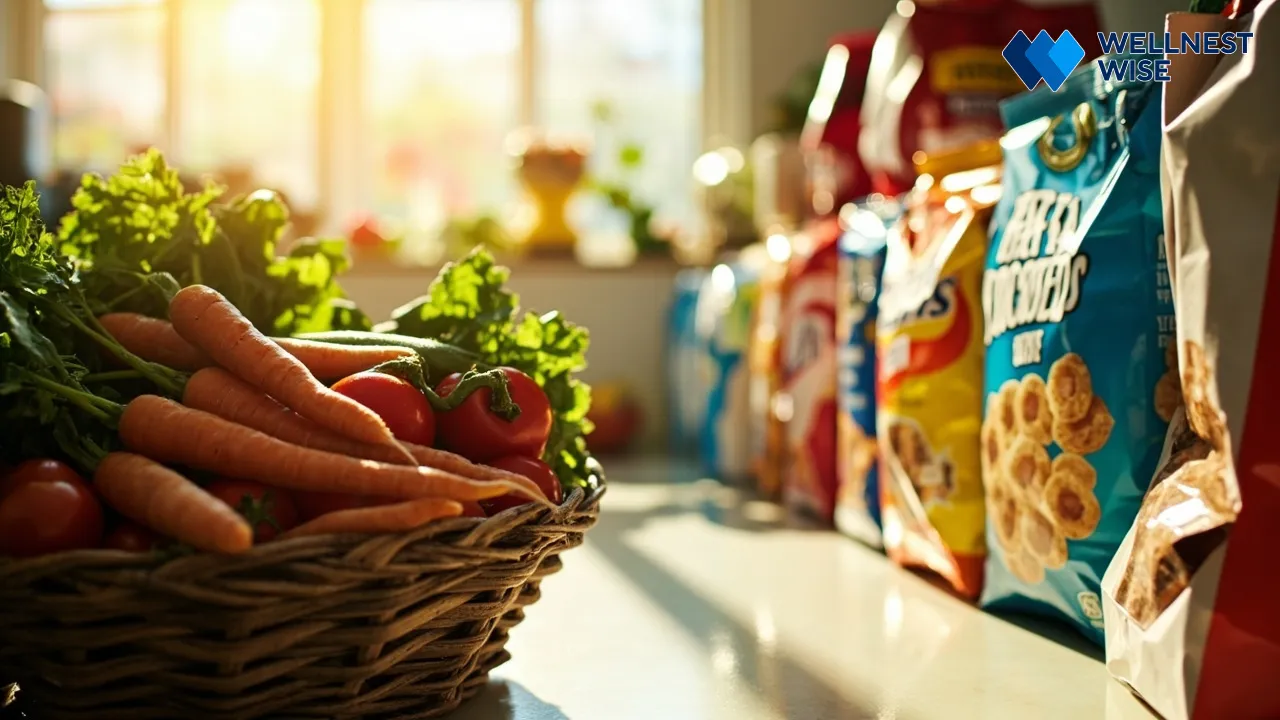
Before we can confidently choose healthy food without ultra-processed options, we first need to clearly understand what UPFs are and why they pose such a unique challenge to our well-being. These aren’t just “processed” foods in the traditional sense; they are industrial formulations designed for convenience, hyper-palatability, and long shelf life, often at the expense of genuine nutritional value.
Defining Ultra-Processed Foods: Beyond Simple Processing
Many foods undergo some form of processing – think grinding wheat into flour or pasteurizing milk. However, ultra-processed foods (UPFs) take this to an extreme, involving multiple industrial steps and ingredients rarely found in a home kitchen. They are fundamentally different from minimally processed foods like frozen vegetables or whole-grain bread with just a few ingredients.
The NOVA Classification System: A Scientific Framework
The NOVA classification system is a widely recognized scientific framework that categorizes foods based on the nature, extent, and purpose of their processing. It helps differentiate between foods that are simply processed to preserve them or make them edible, and those that are heavily manipulated industrial formulations. This system defines UPFs as formulations of ingredients, mostly industrial, that include flavors, colors, emulsifiers, and other cosmetic additives.
Key Characteristics of UPFs: Additives, Industrial Formulations, and Palatability
UPFs are characterized by their reliance on cheap, bulk ingredients like sugar, refined oils, and starches, combined with a host of food additives. These can include artificial flavors, colors, emulsifiers, thickeners, and non-nutritive sweeteners. These industrial formulations are expertly crafted to be hyper-palatable, often overriding our natural satiety signals, making them incredibly difficult to stop eating once you start.
The Silent Health Threats of UPFs: A Deep Dive into Their Impact
The pervasive presence of ultra-processed foods (UPFs) in our daily diets isn’t just about empty calories; it’s about a fundamental disruption to our body’s intricate systems. The dangers of ultra-processed foods extend far beyond simple weight gain, touching upon chronic disease development and overall systemic health.
Metabolic Disruption and the Risk of Chronic Diseases
Consuming a diet high in UPFs is strongly associated with metabolic health issues. These foods contribute to insulin resistance, which is a precursor to type 2 diabetes. Furthermore, the constant barrage of rapidly absorbed sugars and unhealthy fats leads to increased inflammation and oxidative stress, elevating the risk for cardiovascular disease and certain cancers [1]. A 6-week randomized trial on the Nordic diet, which is low in UPFs and high in whole foods, notably showed a significant reduction in total cholesterol, LDL cholesterol, and systolic blood pressure, illustrating the metabolic benefits of avoiding these industrial creations [2].
Unpacking the Role of Excessive Sugar, Unhealthy Fats, and Sodium
At their core, many UPFs are loaded with excessive amounts of added sugars, unhealthy fats (particularly saturated and industrially produced trans fats), and high levels of sodium. The WHO explicitly recommends limiting these components, advising that total fat intake should be less than 30% of total energy, with saturated fats below 10% and trans fats below 1%. Critically, industrially produced trans fats, common in many UPFs, should be replaced with polyunsaturated fats from natural sources [4]. This trio of problematic ingredients contributes directly to obesity, hypertension, and a heightened risk of heart disease.
Gut Microbiome Imbalance and Systemic Inflammation
Emerging research highlights the critical link between diet and gut health. UPFs, with their low fiber content and high levels of artificial ingredients, can negatively alter the composition and function of our gut microbiome. This imbalance, known as dysbiosis, can lead to increased gut permeability (“leaky gut”) and contributes to chronic inflammation throughout the body, which is a common underlying factor in many chronic diseases. Addressing gut health and UPF consumption is a vital step toward better overall immunity and reduced systemic inflammation.
Nutritional Void: Why UPFs Lack Essential Nutrient Density
Despite often being fortified with a few vitamins or minerals, UPFs are typically characterized by a profound nutritional void. They are formulated to be inexpensive and palatable, not to deliver genuine nutrient density. This means they are often low in essential micronutrients, dietary fiber, and beneficial phytochemicals found abundantly in whole, unprocessed foods. Consuming them frequently can lead to “hidden hunger,” where calories are plentiful, but the body is starved of the vital nutrients it needs to function optimally.
Decoding the Label: How to Identify and Avoid UPFs in Your Daily Life
Navigating the grocery store aisles can feel like a minefield when trying to select healthy food without ultra-processed options. However, with a few key strategies for how to avoid processed foods, you can become an expert at identifying and sidestepping these products, ensuring your cart is filled with wholesome goodness.
Reading Between the Lines: Essential Label Literacy
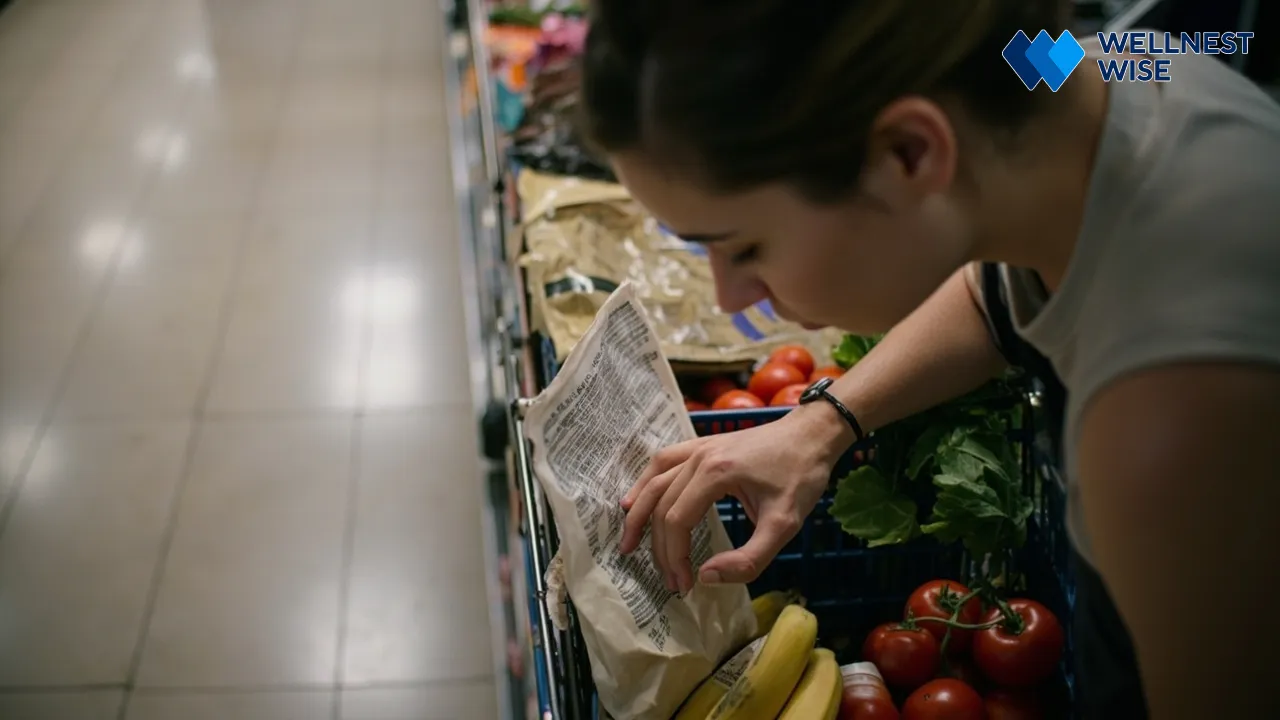
The ingredient list is your most powerful tool. Don’t be swayed by front-of-package marketing claims like “natural” or “healthy.” Instead, turn the package over and scrutinize the ingredients. A general rule of thumb: the shorter the ingredient list, and the more recognizable the items on that list, the less likely it is to be an ultra-processed food. Look for whole food ingredients you’d use in your own kitchen.
Recognizing Common UPF Ingredients and Artificial Additives
Many food additives list items are tell-tale signs of a UPF. Ingredients you can’t pronounce, or those that sound more like chemistry experiments than food, are usually a red flag. Be especially wary of common artificial ingredients that signal significant industrial processing.
| Common Artificial Ingredients/Additives | Primary Function or Health Concern |
|---|---|
| :————————————– | :——————————————————————————————————————————————————————————————— |
| High-Fructose Corn Syrup (HFCS) | Sweetener, often linked to metabolic dysfunction and liver fat accumulation. |
| Hydrogenated/Partially Hydrogenated Oils | Extend shelf life, create texture; source of unhealthy trans fats. |
| Artificial Flavors & Colors | Enhance palatability, visual appeal; some linked to behavioral issues in children. |
| Certain Emulsifiers (e.g., carrageenan, polysorbate 80) | Prevent separation; some research suggests gut inflammation. |
| Artificial Sweeteners (e.g., sucralose, aspartame) | Provide sweetness without calories; may impact gut microbiome and metabolic health. |
| Monosodium Glutamate (MSG) | Flavor enhancer; some individuals report sensitivity symptoms. |
| Sodium Nitrite/Nitrate | Preservative in processed meats; potential carcinogen when heated. |
The “Five-Ingredient Rule” and Beyond: Practical Identification Strategies
A simple yet effective strategy is the “five-ingredient rule”: if a product has more than five ingredients, or if you don’t recognize or can’t pronounce several of them, it’s likely an ultra-processed food. Beyond this, consider the food’s typical use: is it something that could realistically be made at home from scratch, or does it exist purely as a ready-to-eat convenience item with a long shelf life? If the latter, it’s probably a UPF.
Navigating Tricky Marketing: Buzzwords vs. Real Nutrition
Food manufacturers are adept at using marketing buzzwords to suggest health benefits where none exist. Terms like “natural,” “multigrain,” “fortified,” or “low fat” can be misleading. “Low fat,” for example, often means added sugar or artificial sweeteners to compensate for flavor. Always check the nutrition facts panel and the ingredient list, looking past the marketing hype to understand what’s truly inside. A truly healthy food without ultra-processed options won’t need to hide behind clever marketing.
Embracing Whole Foods: Your Guide to Nutrient-Dense Alternatives
Transitioning away from ultra-processed foods opens up a world of vibrant, delicious, and genuinely nourishing options. The journey to healthy food without ultra-processed food is truly about rediscovering the joy of eating real ingredients. Embracing whole foods is the cornerstone of a healthier lifestyle, offering unparalleled benefits.
The Foundation of a UPF-Free Diet: What Are Whole Foods?
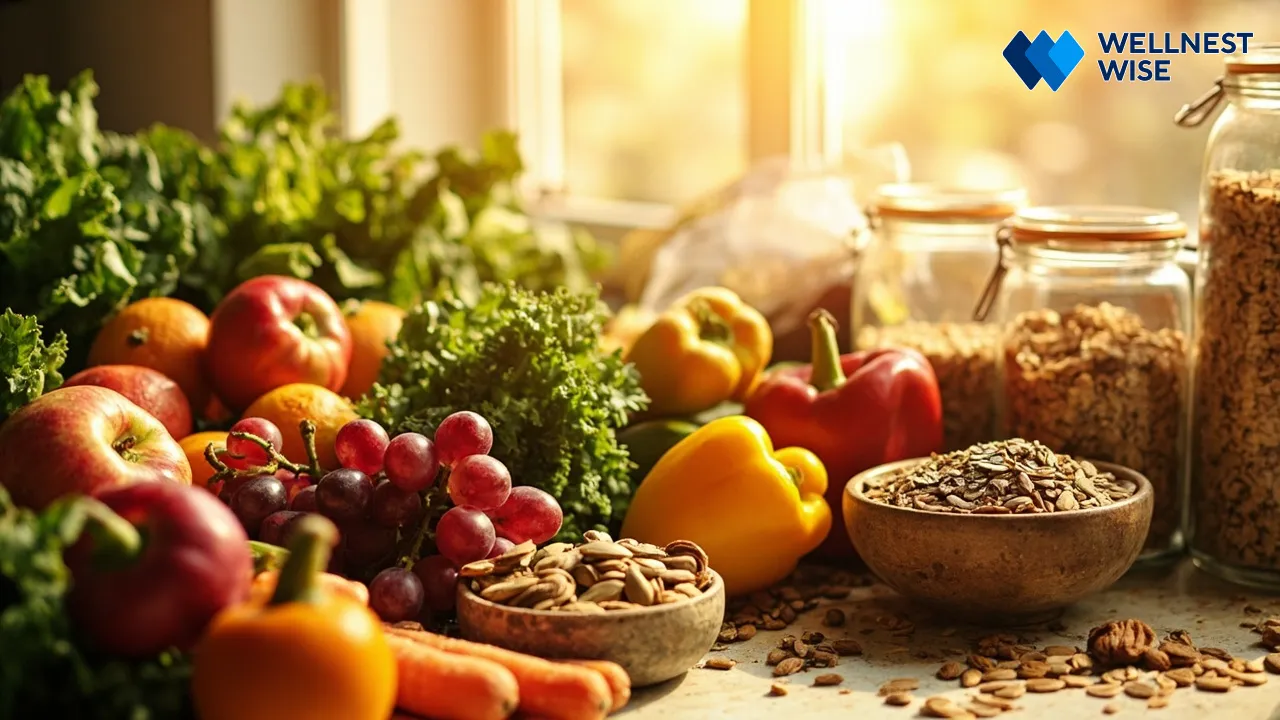
Whole foods are, simply put, foods in their natural, unprocessed state, or minimally processed in ways that don’t alter their intrinsic nutritional profile. This includes fresh fruits, vegetables, whole grains, legumes, nuts, seeds, and lean proteins like eggs, fish, and lean meats. These foods come packed with essential vitamins, minerals, fiber, and phytonutrients – everything your body needs to thrive.
Building Your Unprocessed Food List: Pantry Staples and Fresh Finds
Creating an unprocessed food list for your kitchen is a great first step. Focus on stocking your pantry and fridge with versatile, fundamental ingredients that form the basis of countless healthy meals.
- Grains: Opt for traditional, minimally processed grains.
- Oats (rolled or steel-cut, not instant with added sugars)
- Brown rice, wild rice, farro
- Quinoa, millet, buckwheat
- Whole-wheat bread (check ingredients: minimal, recognizable components)
- Legumes: Excellent sources of plant-based protein and fiber.
- Lentils (brown, green, red)
- Chickpeas
- Black beans, kidney beans, pinto beans
- Fruits: Prioritize fresh, seasonal options.
- Fresh fruits (apples, berries, oranges, bananas)
- Frozen fruits (unsweetened, without added syrups)
- Vegetables: The more colorful, the better!
- Fresh vegetables (leafy greens, carrots, broccoli, bell peppers)
- Frozen vegetables (without added sauces or butter)
- Proteins: Choose lean, clean sources.
- Lean meats (chicken breast, turkey, lean beef)
- Fish (salmon, cod, sardines)
- Eggs
- Tofu, tempeh
- Unsweetened plain yogurt, cottage cheese
- Nuts (almonds, walnuts, cashews)
- Seeds (chia, flax, pumpkin)
- Healthy Fats: Essential for hormone production and nutrient absorption.
- Olive oil (extra virgin)
- Avocados
- Nuts and seeds
Smart Swaps: Replacing Everyday UPFs with Wholesome Options
Making smart swaps is perhaps the easiest way to transition. Instead of reaching for a sugary cereal, choose plain rolled oats with berries and nuts. Swap out packaged cookies for a piece of fruit or a handful of almonds. Replace soda with water infused with cucumber and mint, or unsweetened tea. Over time, these small changes add up significantly. For instance, instead of a pre-made frozen pizza, try making your own with a whole-wheat crust, fresh tomato sauce, and your favorite vegetables and lean protein.
Understanding the “Good” Processing: Minimally Processed Foods
Not all processed foods are bad. In fact, some processing can enhance food safety, digestibility, or make nutrients more accessible. These are generally referred to as minimally processed foods. Examples include:
- Pre-cut vegetables or fruits
- Roasted nuts
- Pasteurized milk
- Whole-grain pasta
- Frozen plain fruits and vegetables
- Canned beans (rinsed to remove excess sodium)
The key is that these foods retain most of their natural nutritional integrity, without the addition of industrial additives or excessive sugars, fats, and sodium.
Practical Steps for a Smooth Transition: From Kitchen to Table
Shifting to healthy food without ultra-processed food is a journey, not an overnight switch. It requires intentional choices in your home and when you’re out. Taking practical steps, starting from your kitchen, can make this transition smooth, enjoyable, and sustainable.

Decluttering Your Kitchen: Eliminating UPF Temptations
Start by “decluttering” your pantry and refrigerator. Remove obvious UPFs like sugary cereals, packaged snacks, instant noodles, and ready-made meals. If they’re not in your house, you’re less likely to eat them. Replace them with the unprocessed food list staples you’ve identified, ensuring your environment supports your new eating habits. This simple act creates a positive feedback loop for healthier choices.
Mastering Smart Grocery Shopping: Strategies for the Perimeter
Think of your grocery store in terms of a perimeter and an interior. The perimeter typically houses the fresh, whole foods: produce, meat, dairy, and seafood. Focus the majority of your shopping here. When you venture into the interior aisles, stick to sections for whole grains, legumes, and healthy oils. Always go in with a list to minimize impulse buys, and never shop on an empty stomach!
Batch Cooking and Meal Prep: Efficiency for a Busy Lifestyle
One of the biggest hurdles to avoiding UPFs is convenience. This is where healthy meal prep ideas become your superpower. Dedicate a few hours one or two days a week to prepare ingredients or entire meals in advance. Cook a large batch of quinoa or brown rice, chop vegetables, grill chicken, or prepare a big pot of lentil soup. This ensures you always have nutritious options readily available, reducing the temptation to grab a quick, ultra-processed fix.
My own journey began with a simple commitment to cooking at home more often. Initially, it was challenging to forsake convenient snacks and ready meals. But I soon discovered the magic of batch cooking. Preparing a big pot of nourishing beans or a tray of roasted vegetables on a Sunday meant I had quick, healthy food without ultra-processed options to assemble throughout the week. This small change was a game-changer, increasing my energy and satisfaction with every meal.
Simple & Delicious Recipes for UPF-Free Meals
Embrace simple recipes that highlight natural flavors. Think roasted chicken with root vegetables, hearty lentil stews, vibrant salads with homemade vinaigrette, or stir-fries packed with fresh vegetables and lean protein. Look for recipes with minimal ingredients and straightforward cooking methods.
Snack Smart: Wholesome Bites for Sustained Energy
Snacks don’t have to be ultra-processed. Keep raw nuts, seeds, fresh fruit, vegetable sticks with hummus, or plain yogurt on hand. These provide sustained energy and satiety without the sugar crashes or hidden additives.
Dining Out and Social Gatherings: Making Informed Choices
Eating out doesn’t mean abandoning your commitment. Choose restaurants that emphasize fresh, seasonal ingredients. Look for dishes centered around grilled proteins, salads (dressing on the side), and steamed vegetables. Don’t hesitate to ask for modifications, like sauces on the side or substitutions for processed items. At social gatherings, bring a healthy dish to share, ensuring you have at least one UPF-free option. It’s about mindful engagement, not strict deprivation.
Beyond the Plate: Holistic Benefits of a UPF-Free Lifestyle
The decision to choose healthy food without ultra-processed food extends far beyond mere dietary changes. It’s a holistic shift that profoundly impacts your overall well-being, leading to tangible improvements in physical health, mental clarity, and a deeper connection to what you eat. This approach unlocks a cascade of positive effects, affirming the power of whole, real nourishment.

Enhanced Energy and Improved Mood: The Nutritional Uplift
When you replace the empty calories and artificial stimulants of UPFs with nutrient-dense whole foods, your body receives a steady supply of energy. Gone are the sugar spikes and crashes, replaced by sustained vitality. Many people report feeling more alert, focused, and experiencing a significant uplift in mood. The reduction in systemic inflammation and the consistent supply of essential micronutrients play a crucial role in supporting brain health and emotional stability.
Supporting Gut Health and a Robust Immune System
As we’ve discussed, UPFs can wreak havoc on the gut microbiome. By focusing on whole, fiber-rich foods like fruits, vegetables, and legumes, you feed the beneficial bacteria in your gut. A thriving gut health ecosystem is directly linked to a robust immune system, better digestion, and even improved mental health. This dietary shift helps to reduce gut inflammation, fostering an environment where your body can effectively absorb nutrients and defend against illness.
Sustainable Weight Management and Body Composition
One of the most common and welcomed benefits of a whole food diet benefits is sustainable weight management. Whole foods are naturally more filling due to their fiber and protein content, helping you feel satisfied on fewer calories. The absence of hyper-palatable, addiction-engineered UPFs naturally reduces overeating and unhealthy cravings. Research on the Nordic diet, which emphasizes whole foods and minimal processing, demonstrated a positive impact on body composition and a reduction in cardiovascular risk markers, showing that such a diet naturally supports a healthy weight [2].
Long-Term Health Outcomes: Reducing Chronic Disease Risk
Adopting a lifestyle centered around healthy food without ultra-processed food is a powerful preventative measure against a host of chronic diseases. By consistently nourishing your body with real ingredients, you significantly lower your risk for type 2 diabetes, cardiovascular disease, obesity, and certain cancers [1, 4]. This commitment to whole foods supports healthy aging, helping you maintain vitality and cognitive function well into your later years, ultimately extending a high quality of life.
A Mindful Approach: Reconnecting with Food and Its Origins
Beyond the physical benefits, this transition fosters a more mindful relationship with food. It encourages you to think about where your food comes from, how it’s prepared, and the impact it has on your body. Cooking from scratch, choosing seasonal produce, and savoring the natural flavors of real ingredients can transform eating from a routine necessity into an enjoyable and enriching experience, reconnecting you with the fundamental origins of your nourishment.
Conclusion & Takeaways
Embracing healthy food without ultra-processed options is one of the most impactful choices you can make for your health and well-being. By understanding what ultra-processed foods (UPFs) are, learning to decode food labels, and making conscious choices to swap them out for whole foods, you unlock a cascade of benefits—from enhanced energy and improved mood to robust gut health and a reduced risk of chronic diseases.
The journey might seem challenging at first, but with practical strategies like mastering smart grocery shopping, embracing batch cooking, and making mindful choices in social settings, it becomes an incredibly rewarding path. Start small, focus on progress over perfection, and enjoy rediscovering the vibrant, delicious world of real food. Your body, mind, and spirit will thank you for it.
Ready to transform your plate and your life? Begin by identifying just one UPF you regularly consume and commit to replacing it with a wholesome alternative this week.
FAQ
What exactly defines an “ultra-processed food”?
Ultra-processed foods (UPFs) are industrial formulations often containing five or more ingredients, including those not typically found in home kitchens, such as artificial colors, flavors, emulsifiers, and non-nutritive sweeteners. They are designed for convenience, hyper-palatability, and long shelf life, often lacking in essential nutrients. The NOVA classification system is a scientific framework used to categorize these foods based on their degree of processing.
Why are ultra-processed foods considered harmful to health?
UPFs are linked to various health issues because they are typically high in added sugars, unhealthy fats (including trans fats), and sodium, while being low in fiber and micronutrients. This composition can lead to metabolic disruption, promote inflammation, negatively impact gut health, and increase the risk of obesity, type 2 diabetes, cardiovascular disease, and certain cancers [1, 4].
How can I easily identify ultra-processed foods when shopping?
The best way is to read the ingredient list. Look for a short list of recognizable ingredients. If you see many unfamiliar names, numbers, or terms like “high-fructose corn syrup,” “hydrogenated oils,” “artificial flavors,” or several types of sugar, it’s likely a UPF. The “five-ingredient rule” is a practical guide: if it has more than five ingredients, it’s often ultra-processed.
What are some easy and affordable whole food alternatives to common UPFs?
Instead of sugary cereals, opt for rolled oats with fruit and nuts. Replace packaged snacks with fresh fruits, raw vegetables with hummus, or a handful of unsalted nuts. Swap soda for water or unsweetened tea. For meals, choose homemade dishes with lean proteins, whole grains like brown rice or quinoa, and plenty of fresh vegetables and legumes. Buying seasonal produce and cooking from scratch are often more cost-effective.
Can I still enjoy eating out or social gatherings while avoiding UPFs?
Absolutely. When dining out, choose restaurants that emphasize fresh ingredients. Opt for grilled meats, salads with dressing on the side, and steamed vegetables. Don’t hesitate to ask for modifications or substitutions for processed items. At social events, bring a healthy dish to share, or prioritize the whole food options available, like vegetable platters or lean protein skewers, to make informed choices without feeling deprived.