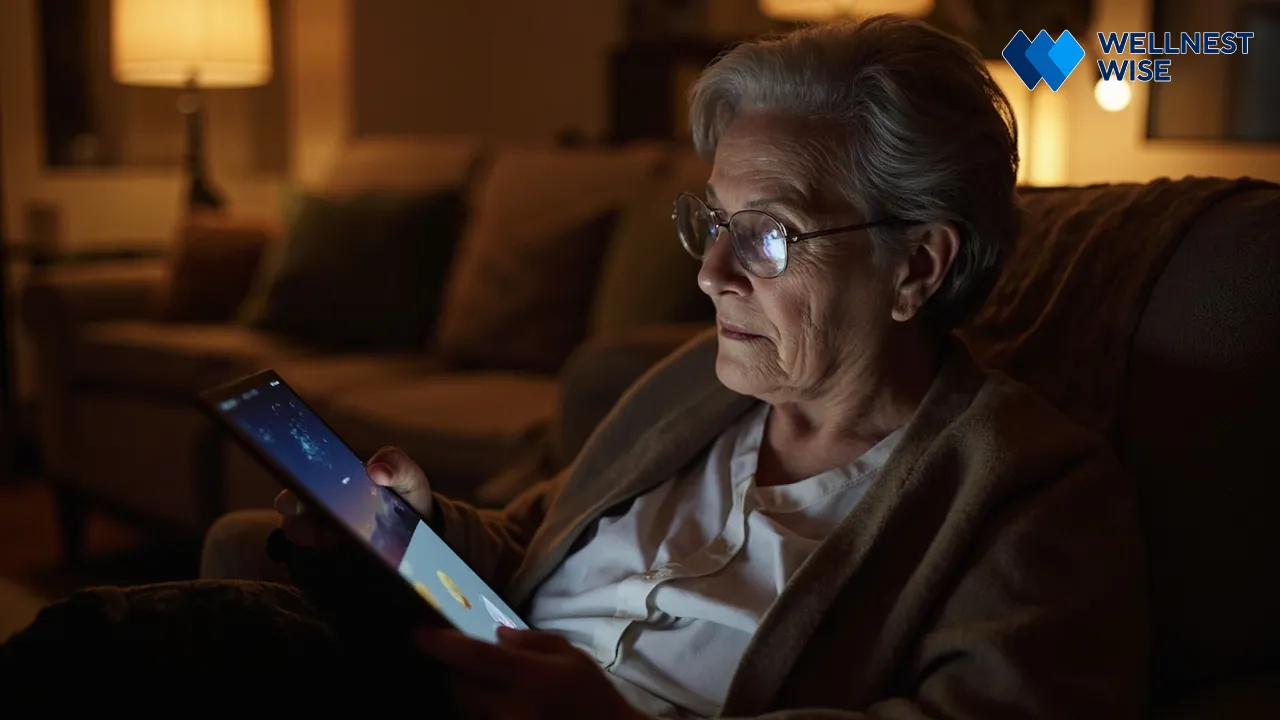
For many older adults, the once-simple act of falling asleep can become a nightly struggle, transforming bedrooms from sanctuaries into battlegrounds against persistent wakefulness. My own elderly relative, aged 72, experienced this firsthand after retirement; her chronic insomnia not only stole her nights but severely impacted her daytime mood and cognitive sharpness. With approximately 50-60% of older adults experiencing chronic insomnia symptoms, finding effective and accessible solutions is a critical need. Fortunately, a revolutionary approach known as Digital Cognitive Behavioral Therapy for Insomnia (CBT-I) for Seniors is emerging, offering a scientifically-backed, non-pharmacological pathway to restorative sleep. This guide will explore how this innovative online therapy can empower older adults to reclaim their nights and enhance their overall well-being.
Understanding Digital CBT-I: A Gentle Introduction to Online Sleep Therapy for Older Adults
As we age, navigating the complexities of health can sometimes feel overwhelming, especially when traditional solutions involve frequent appointments or potent medications. This is where Digital CBT-I steps in, offering a refreshing, accessible alternative designed to bring effective sleep therapy directly into the homes of older adults. It’s about adapting a proven therapeutic method into a user-friendly, convenient online format, ensuring that geographic distance or mobility challenges no longer stand between seniors and a good night’s rest.
What is Cognitive Behavioral Therapy for Insomnia (CBT-I) and Its Core Principles?
Cognitive Behavioral Therapy for Insomnia (CBT-I) is widely recognized as the gold standard for treating chronic insomnia. Unlike sleep medications that often mask symptoms, CBT-I addresses the underlying thoughts and behaviors that perpetuate poor sleep. Its core principles revolve around understanding the intricate connection between our minds, bodies, and sleep patterns. Key components include cognitive restructuring, which helps identify and challenge negative thoughts about sleep, and behavioral interventions like stimulus control and sleep restriction, designed to reset the body’s natural sleep-wake cycle. This holistic approach empowers individuals to develop healthier, sustainable sleep habits.
Bridging Traditional CBT-I to Digital Platforms for Geriatric Care
The transition of traditional, in-person CBT-I into digital platforms for geriatric care marks a significant advancement in accessibility. Digital CBT-I programs take the evidence-based components of face-to-face therapy—such as educational modules, sleep diaries, and guided exercises—and deliver them via apps, websites, or telehealth video sessions. For seniors, these platforms are often designed with larger fonts, simplified navigation, and clear instructions to enhance usability. This adaptation ensures that the benefits of cognitive behavioral therapy for insomnia are available to a wider older adult population, overcoming common barriers like transportation, mobility, and the stigma sometimes associated with seeking mental health support.
The Role of Digital Modalities in Addressing Chronic Insomnia in Older Adults
Digital modalities play a crucial role in tackling chronic insomnia in older adults by providing structured, consistent support that can be accessed at home. These programs leverage technology to deliver personalized guidance, track progress, and reinforce healthy sleep practices. This consistent engagement is vital, as maintaining new habits requires ongoing effort. Furthermore, digital approaches can integrate various elements like mindfulness exercises, relaxation techniques, and educational content on sleep hygiene, offering a comprehensive toolkit. By automating reminders and offering instant feedback, digital sleep programs for seniors help maintain engagement and adherence, fostering lasting improvements in sleep quality without constant direct clinician oversight.
Why Seniors Benefit from Digital CBT-I: Addressing Age-Related Sleep Challenges and Health Needs
As the years accumulate, our bodies and minds undergo natural shifts, and sleep is no exception. Many older adults find their sleep becoming lighter, more fragmented, and less refreshing, often compounded by chronic health conditions or medication side effects. Digital CBT-I offers a tailored solution, directly addressing these age-related sleep challenges and broader health needs. It’s not just about getting more sleep; it’s about improving the quality of that sleep, which profoundly impacts daytime vitality, mood, and cognitive function, ultimately enhancing their overall quality of life.

Navigating Common Sleep Pattern Changes and Disorders in Older Age
Older age often brings shifts in the body’s natural circadian rhythm, leading to earlier bedtimes and wake times, or a more fragmented sleep structure. Conditions such as restless legs syndrome, sleep apnea, and frequent nighttime urination can further disrupt sleep. Moreover, anxiety about not sleeping—often called sleep anxiety—can itself become a significant barrier. CBT-I for older adults specifically accounts for these physiological and psychological changes, offering strategies to manage them effectively. For instance, it provides tools to reduce nighttime awakenings and to cope with the worry that often accompanies poor sleep, helping seniors feel more in control of their sleep patterns.
Beyond Medication: The Appeal of Non-Pharmacological Sleep Solutions for Elderly Individuals
For elderly individuals, the appeal of non-pharmacological sleep solutions like digital CBT-I is substantial. Traditional sleep medications, while offering short-term relief, often come with a host of risks for older adults, including increased fall risk, cognitive impairment, daytime grogginess, and potential dependency. These concerns are particularly relevant in a population often managing multiple prescriptions. Digital CBT-I provides an effective, sustainable medication-free sleep solution that tackles the root causes of insomnia without introducing additional pharmacological side effects, aligning with a broader trend toward safer, long-term health management strategies in geriatrics.
Overcoming Accessibility Barriers with Telehealth Sleep Therapy for Seniors
Telehealth sleep therapy for seniors is a game-changer for overcoming traditional accessibility barriers. Many older adults face challenges like limited mobility, lack of transportation, or geographic isolation, which can make regular visits to a sleep specialist difficult or impossible. Digital CBT-I removes these obstacles by delivering therapy directly to the comfort of their home via the internet. This convenience not only increases access to much-needed care but also reduces the stress and logistical burden associated with appointments, making it a highly practical and appealing option for many older adults seeking insomnia treatment.
Enhancing Overall Well-being, Mood, and Cognitive Function through Restful Sleep
The benefits of restful sleep extend far beyond just feeling less tired. For seniors, consistent, quality sleep is foundational to enhancing overall well-being, mood, and cognitive function. Chronic insomnia can exacerbate symptoms of depression and anxiety, impair memory and concentration, and even increase the risk of dementia. By improving sleep, digital CBT-I directly contributes to better emotional regulation, sharper mental clarity, and an improved quality of life. “After completing the program, my relative not only slept better but was noticeably more cheerful and engaged in daily activities,” as observed in our personal experience, highlighting the profound positive ripple effect of effective sleep intervention.
The Mechanisms of Digital CBT-I: How Online Interventions Foster Better Sleep Habits
Understanding how digital CBT-I works is key to appreciating its effectiveness. It’s not magic, but a structured process based on well-established psychological principles, delivered through an intuitive online interface. These online interventions are meticulously designed to dismantle the maladaptive patterns and negative thought cycles that perpetuate insomnia, gradually guiding users toward better sleep habits. Each component builds upon the last, helping older adults systematically retrain their brains and bodies for restorative rest.

Deciphering the Key Components of an Effective Digital CBT-I Program
An effective digital CBT-I program typically integrates several key components. These include: sleep restriction, which temporarily limits time in bed to consolidate sleep; stimulus control, which helps break the association between the bed and wakefulness; cognitive restructuring, targeting anxious thoughts about sleep; and sleep hygiene education, focusing on environmental and behavioral factors. Many programs also incorporate relaxation techniques, such as progressive muscle relaxation or mindfulness, to reduce pre-sleep arousal. These components are usually delivered through interactive modules, video lessons, and digital sleep diaries, all tailored to be easily digestible for older adults.
Reclaiming Your Bed: Principles of Stimulus Control for Improved Sleep in Seniors
Stimulus control is a cornerstone of CBT-I, particularly effective for improved sleep in seniors. The principle is simple: your bed and bedroom should be strongly associated only with sleep and intimacy, not with wakeful activities. This means avoiding reading, watching TV, eating, or worrying in bed. If you’re awake for more than about 20 minutes, the strategy advises getting out of bed, moving to another room, and returning only when truly sleepy. This breaks the negative association between the bed and frustration, helping to “reclaim your bed” as a signal for restful sleep. This seemingly counterintuitive advice significantly strengthens the mind-body connection for sleep.
Reshaping Thoughts: Cognitive Restructuring to Alleviate Sleep Anxiety and Worry
Many seniors with insomnia develop a pattern of anxious thoughts surrounding sleep. “What if I can’t sleep again tonight?” or “I’ll be exhausted tomorrow if I don’t get enough rest” are common refrains that fuel sleep anxiety. Cognitive restructuring directly addresses these thoughts. Through digital modules, users learn to identify these negative, often unrealistic, thoughts and replace them with more balanced and helpful perspectives. For instance, rather than catastrophizing a sleepless night, one might reframe it as “One bad night won’t ruin my week, and I can still function.” This process helps to alleviate sleep anxiety and worry, reducing the mental arousal that prevents sleep.
Mastering Your Sleep Environment: Essential Sleep Hygiene Tips for Older Adults
Sleep hygiene refers to a set of practices necessary to have good nighttime sleep quality and full daytime alertness. For older adults, mastering these practices is vital. Digital CBT-I often provides detailed guidance on optimizing your sleep environment and daily routines.
- Maintain a Consistent Sleep Schedule: Go to bed and wake up at roughly the same time every day, even on weekends. This helps regulate your body’s natural circadian rhythm.
- Optimize Your Bedroom: Ensure your bedroom is dark, quiet, and cool. Use blackout curtains, earplugs, or a white noise machine if necessary. Keep the temperature between 60-67°F (15-19°C).
- Create a Relaxing Pre-Sleep Routine: Wind down before bed with calming activities like reading a book, listening to soft music, or taking a warm bath. Avoid stimulating activities like screen time or vigorous exercise close to bedtime.
- Manage Daytime Naps: If you nap, keep it short (20-30 minutes) and early in the afternoon to avoid interfering with nighttime sleep.
- Limit Stimulants and Heavy Meals: Reduce caffeine and alcohol intake, especially in the afternoon and evening. Avoid large meals close to bedtime, as digestion can disrupt sleep.
Structured Learning and Progress Tracking in Digital Sleep Programs for Sustained Improvement
The beauty of digital sleep programs lies in their structured learning and progress tracking capabilities. Instead of a one-off advice session, these platforms offer a progressive curriculum that builds knowledge and skills over several weeks. Users engage with interactive lessons, complete exercises, and maintain a digital sleep diary. This diary is crucial for tracking actual sleep patterns and identifying specific areas for improvement. The program can then provide personalized feedback and adjust recommendations. This systematic approach, combined with visual representations of progress, fosters motivation and empowers seniors to make sustained improvement in their sleep, transforming temporary fixes into lifelong healthy habits.
Effectiveness and Evidence: Is Digital CBT-I a Valid Solution for Elderly Insomnia?
When considering any health intervention, especially for an older population, evidence is paramount. The question often arises: is digital CBT-I a valid solution for elderly insomnia? The resounding answer from the scientific community is yes. Extensive research, including numerous NIH-funded studies, consistently demonstrates that digital CBT-I is not only effective but often comparable to traditional in-person therapy, offering a safe and potent alternative to pharmacological approaches that carry more risks for seniors. This section delves into the robust clinical data supporting its efficacy and expert recommendations.

Clinical Efficacy: Comparing Digital to Traditional Face-to-Face CBT-I in Older Adults
Numerous clinical trials have investigated the efficacy of digital CBT-I when comparing digital to traditional face-to-face CBT-I in older adults. The consensus from these studies, including those highlighted by the National Institute on Aging (NIA), is that digital delivery offers comparable effectiveness. Participants often experience similar significant reductions in sleep onset latency (the time it takes to fall asleep) and wake after sleep onset (time spent awake after initially falling asleep), alongside improvements in overall sleep quality and duration. This robust evidence suggests that the core therapeutic principles of CBT-I translate effectively across delivery methods, making the digital format a highly viable and scientifically sound option.
Measuring Success: Key Outcomes and Sustained Improvements in Sleep Quality and Duration
The success of digital CBT-I is measured by several key outcomes that reflect genuine improvement in sleep. Clinical trials funded by the NIH show that CBT-I improves sleep onset latency by up to 40% and reduces wake after sleep onset by 30% in older adults. Furthermore, studies track indicators like increased total sleep time, reduced time spent awake during the night, and subjective improvements in sleep satisfaction. Critically, these benefits are often sustained improvements long after the program concludes, unlike the temporary effects sometimes seen with medications. The goal is to equip seniors with lifelong skills, not just temporary fixes.
Expert Consensus: What Sleep Medicine Specialists and Geriatricians Recommend
The growing body of evidence has led to a strong expert consensus among sleep medicine specialists and geriatricians. They increasingly recommend digital CBT-I as a first-line treatment for chronic insomnia in older adults. Organizations like the American Academy of Sleep Medicine and the National Heart, Lung, and Blood Institute (NHLBI) endorse CBT-I due to its efficacy and excellent safety profile, especially for vulnerable populations like seniors. Its ability to provide a comprehensive, behavioral approach without the risks associated with long-term medication use makes it a preferred choice for managing insomnia treatment in the elderly.
A Safer Alternative: Avoiding Risks of Pharmacological Sleep Aids in Older Populations
For older adults, the risks associated with pharmacological sleep aids can outweigh their benefits. Digital CBT-I stands out as a demonstrably safer alternative, mitigating many common dangers.
| Feature | Digital CBT-I (for Seniors) | Common Pharmacological Sleep Aids (e.g., Benzodiazepines, Z-drugs) |
|---|---|---|
| :————————— | :————————————————————— | :—————————————————————– |
| Long-Term Effectiveness | Superior; teaches sustainable skills for lasting improvement. | Often diminishes over time; efficacy typically for short-term use. |
| Potential Side Effects | Minimal to none; may include temporary mild fatigue/frustration. | High; cognitive impairment, dizziness, sedation, increased fall risk. |
| Dependency/Withdrawal | None; empowers self-management. | High risk of physical/psychological dependence and withdrawal. |
| Cognitive Impact | Improves cognitive function indirectly through better sleep. | Can impair memory, concentration, and executive function. |
| Interaction with Meds | No drug interactions; safe with polypharmacy. | Significant; interacts with numerous medications, increasing risks. |
| Overall Safety Profile | Excellent; non-invasive, no systemic effects. | Poor; particularly in older adults due to slower metabolism. |
| Risk of Falls/Accidents | Reduces; improves alertness and balance. | Increases significantly due to sedation and impaired coordination. |
This comparison underscores why healthcare providers, aiming to enhance patient safety and quality of life, increasingly favor digital sleep programs for seniors over medication for chronic insomnia.
Navigating the Digital Landscape: Practical Considerations for Seniors and Caregivers
Embracing digital CBT-I means stepping into a new technological realm for some seniors. While the programs are designed to be user-friendly, a little preparation and support can make all the difference. This section offers practical advice for both seniors and caregivers, ensuring a smooth and successful journey through the digital landscape of online sleep therapy. From selecting the right program to overcoming initial technological hurdles, empowerment through guidance is key to unlocking the full potential of these innovative interventions.

Choosing the Right Digital CBT-I Program: Key Features and Adaptations for Older Adults
When choosing the right digital CBT-I program, several key features and adaptations for older adults should be prioritized. Look for platforms that offer: large, readable fonts; simple, intuitive navigation; clear audio instructions alongside text; and accessible customer support. Programs that include a structured, progressive curriculum, a user-friendly sleep diary, and interactive modules (rather than just passive reading) tend to be more engaging. Some programs also offer the option for limited human coaching or check-ins, which can be particularly beneficial for seniors seeking a blended approach. Ensure the program is evidence-based and ideally, clinically validated for its effectiveness.
Embracing Technology: Practical Tips for Seniors to Get Started with Online Therapy
Embracing technology for online therapy can seem daunting, but it’s often simpler than it appears. Here are practical tips for seniors to get started:
- Start Small: Begin with familiar devices like a tablet or smartphone.
- Get Comfortable: Choose a quiet, well-lit space for your sessions.
- Basic Skills First: Practice turning the device on/off, opening apps, and adjusting volume.
- Bookmark: Save the program’s website or app icon for quick access.
- Patience is Key: It’s okay to make mistakes. Learning something new takes time.
- Don’t Hesitate to Ask: Reach out to family, friends, or technical support for help. Many programs offer dedicated assistance.
Remember, the goal is gradual comfort and confidence, not immediate mastery.
The Vital Role of Support Systems: Family and Caregivers in the Digital Journey
Family and caregivers play a vital role in supporting seniors through their digital journey with CBT-I. Their involvement can range from providing technical assistance to offering encouragement and helping to interpret program instructions. A supportive presence can significantly boost adherence and engagement. For instance, caregivers can help set up devices, remind seniors to complete modules, or discuss insights from the program, reinforcing learned behaviors. This collaborative approach not only facilitates the senior’s progress but also strengthens their bond, turning a health challenge into a shared endeavor. Their gentle guidance, as observed with my relative, can transform initial hesitancy into successful engagement.
Addressing Potential Hurdles: Overcoming Technological and Engagement Challenges Effectively
While digital CBT-I offers immense benefits, potential hurdles like technological and engagement challenges can arise. For instance, some seniors may struggle with internet connectivity, remembering passwords, or navigating complex interfaces. To overcome these challenges effectively, programs should offer clear technical support hotlines or online FAQs. Caregivers can assist with troubleshooting. Engagement can be boosted by personalizing content, providing motivational messages, and highlighting progress visually. Simplicity in design, coupled with patient and consistent support from both the platform and personal networks, can ensure that these hurdles do not derail the valuable path to better sleep.
A Sustainable Future for Sleep: Long-Term Benefits and Quality of Life
The journey with digital CBT-I extends far beyond the initial program duration; it’s an investment in a sustainable future for sleep. By imparting lifelong skills and fostering self-efficacy, this modern approach offers enduring long-term benefits that profoundly enhance an older adult’s quality of life. It’s about empowering seniors to take proactive control of their sleep health, leading to not just better nights, but brighter, more engaged days, and ultimately, a more fulfilling later life.

Sustaining Improved Sleep: Strategies for Maintaining Gains from Digital CBT-I Interventions
Sustaining improved sleep after completing digital CBT-I interventions requires ongoing commitment to the learned strategies. Key approaches include periodically reviewing sleep hygiene principles, continuing to use a simplified sleep diary if patterns start to falter, and practicing cognitive restructuring techniques when anxious thoughts about sleep emerge. Many programs offer booster sessions or access to resources post-completion to help reinforce these habits. The goal is to internalize the techniques, making them an automatic part of one’s daily routine, ensuring the gains from digital CBT-I become a lasting foundation for healthy sleep.
Beyond Sleep: Broader Impacts on Mental Sharpness, Physical Health, and Social Engagement
The broader impacts of successful digital CBT-I stretch beyond sleep itself, creating a positive ripple effect throughout an older adult’s life. Improved sleep is directly linked to enhanced mental sharpness, better memory recall, and improved problem-solving abilities. It bolsters physical health by strengthening the immune system, reducing inflammation, and lowering the risk of chronic diseases. Furthermore, feeling well-rested often leads to increased energy and motivation for social engagement, reducing isolation and fostering a greater sense of connection and purpose. It truly transforms the fabric of daily living.
Empowerment Through Education: Taking Proactive Control of Your Sleep Health for Life
At its core, digital CBT-I offers empowerment through education. It equips seniors with the knowledge and tools to understand their sleep, identify obstacles, and implement effective solutions. This ability to take proactive control of your sleep health for life is invaluable. Instead of passively relying on external aids, older adults become active participants in their well-being, fostering a sense of self-efficacy and resilience. This newfound autonomy over one’s sleep not only resolves immediate insomnia but instills confidence that can extend to other areas of life, paving the way for healthier, happier aging.
Conclusion & Takeaways
Digital CBT-I for Seniors represents a profound advancement in how we approach insomnia treatment in the elderly. It combines the gold standard of cognitive behavioral therapy for insomnia with the accessibility and convenience of modern technology, offering a safe, effective, and non-pharmacological path to restorative sleep. By addressing age-related sleep challenges and empowering individuals with lasting skills, it significantly enhances sleep quality and duration, leading to improved mental sharpness, physical health, and overall well-being. For older adults and their caregivers seeking a sustainable solution, digital sleep programs are not just an alternative; they are a modern, evidence-backed imperative for a more rested and vibrant life. Explore how digital CBT-I can transform your nights and invigorate your days.
FAQ
Practical, scientific Q&A
Is Digital CBT-I effective for all types of insomnia in older adults?
Digital CBT-I is highly effective for chronic insomnia disorder, which involves difficulty initiating or maintaining sleep for at least three nights a week for three months or more. While generally beneficial, it may be less suitable for insomnia primarily caused by severe underlying medical conditions (e.g., untreated sleep apnea, severe chronic pain) or certain neurological disorders, which require specific medical interventions alongside behavioral therapy. It is always recommended to consult with a healthcare provider to ensure a proper diagnosis and the most appropriate treatment plan.
How long does it typically take to see results with Digital CBT-I?
Most individuals begin to see noticeable improvements in their sleep patterns within 2 to 4 weeks of consistently engaging with a digital CBT-I program. Significant and more sustained benefits, such as reduced time to fall asleep and fewer nighttime awakenings, are often observed after completing the full 6 to 8-week program. The speed of results can vary based on individual adherence, the severity of insomnia, and unique personal factors.
Are there any prerequisites for seniors to use Digital CBT-I effectively?
While digital CBT-I programs for seniors are designed to be user-friendly, a few prerequisites can enhance effectiveness. Basic digital literacy (comfort with a tablet or computer), access to a reliable internet connection, and the ability to read and understand instructions are generally helpful. For those with limited technological experience, the involvement of a supportive family member or caregiver who can assist with setup and navigation can significantly improve adherence and outcomes, as highlighted by expert recommendations from the NIA.
Can Digital CBT-I be combined with other sleep treatments or medications?
Yes, digital CBT-I can often be combined with other treatments, but careful consideration is crucial. If currently taking sleep medications, a physician will typically guide a gradual tapering process as CBT-I techniques begin to take effect. It can also complement treatments for underlying conditions that affect sleep, such as Continuous Positive Airway Pressure (CPAP) for sleep apnea. Always consult with your doctor or a sleep specialist before starting any new treatment or making changes to existing medications.
What happens if I miss a module or fall behind in a Digital CBT-I program?
Digital CBT-I programs are often structured with flexibility in mind. If you miss a module or fall behind, most platforms allow you to pick up where you left off. It’s not about rigid adherence to a strict timeline, but consistent engagement with the principles over time. Some programs may offer gentle reminders or adaptive scheduling. The key is to resume as soon as possible and continue applying the learned strategies. If persistent difficulties arise, leveraging any available human support (e.g., coaches, caregivers) can help you get back on track.