
Imagine a single spice that outperforms nearly every fruit and vegetable in antioxidant power. That spice is the humble clove (Syzygium aromaticum). Historically valued in traditional Persian and global medicine not just for flavor, but for its profound therapeutic potential, modern science confirms the impressive cloves health benefits. Driven primarily by the compound eugenol, cloves offer potent anti-inflammatory relief and unique support for digestion and blood sugar management. If you’re seeking a natural, evidence-based boost to your wellness routine, this guide will show you how to safely harness this powerhouse pantry staple.
Understanding Cloves: From Spice Rack to Pharmacological Powerhouse
Most people know cloves simply as a holiday seasoning, but scientifically, this spice deserves a more formal introduction. Moving cloves from the spice rack into the realm of medicine requires understanding its unique botanical identity and the dense chemical blueprint that grants it extraordinary therapeutic capabilities. It is the sophisticated nature of its compounds that allows cloves to act as one of the most effective natural anti-inflammatory spices available today.
Defining Syzygium Aromaticum: Botanical Identity and Origin
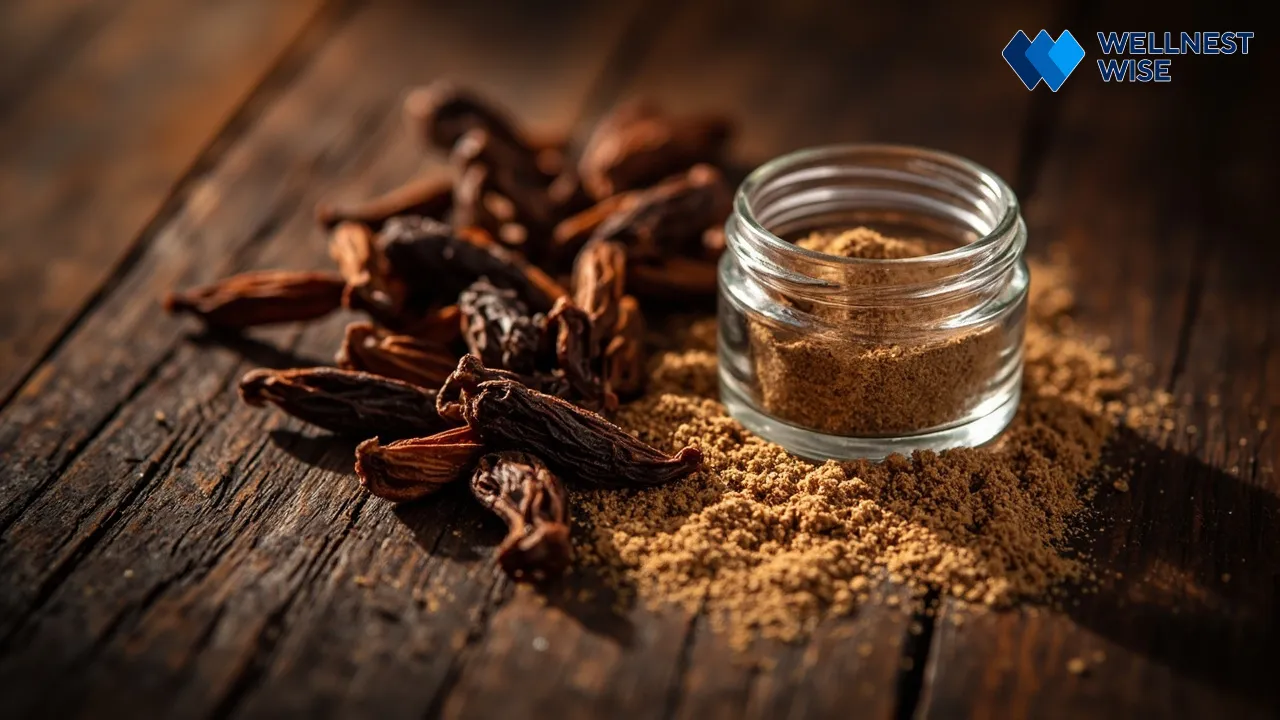
The clove is the dried, unopened flower bud of the evergreen tree Syzygium aromaticum. Native to the Maluku Islands (the Spice Islands) in Indonesia, cloves have been traded globally for millennia, prized for their strong, pungent aroma and warming flavor profile. What distinguishes this plant is its remarkable ability to concentrate essential oils and phenolic compounds within its dense structure, which is the source of its therapeutic value. The quality and potency of cloves are directly linked to these concentrated volatile oils.
The Chemical Engine: Eugenol and the Profile of Key Polyphenols
The vast majority of the therapeutic properties associated with cloves can be attributed to eugenol, a phenylpropene that constitutes 70% to 90% of the essential oil extracted from the buds. Eugenol is classified as a powerful antioxidant and anti-inflammatory agent. However, cloves are not a one-trick pony; they also contain an impressive array of other health-promoting polyphenols, including gallic acid, kaempferol, and quercetin. These compounds work synergistically to enhance the overall protective effect against cellular damage and chronic disease.
Quantifying Power: Why Cloves Rank Highly on the Antioxidant Capacity (ORAC) Scale
In nutritional science, the Antioxidant capacity (ORAC) scale measures the ability of a substance to neutralize free radicals. Cloves consistently rank among the highest of all tested foods. While ORAC values can vary based on sourcing and testing methodology, cloves have been shown in some analyses to possess an ORAC score exponentially higher than popular high-antioxidant foods like blueberries or acai. This extreme power explains why even small, daily culinary doses can contribute significantly to reducing oxidative stress.
The Mechanism of Action: How Eugenol Delivers Potent Anti-inflammatory and Antioxidant Effects
The true magic of cloves lies not in its presence but in its action. To be EEAT-compliant, we must move beyond simply listing benefits and examine the precise molecular pathways. Eugenol acts as a sophisticated molecular switch, directly interfering with the processes that drive chronic inflammation and oxidative damage within the body. This targeted approach makes cloves a subject of increasing pharmacological interest.

Interrupting Inflammation: Eugenol’s Role in Modulating Key Inflammatory Pathways
Chronic, low-grade inflammation is the root cause of many modern diseases. Research strongly suggests that eugenol possesses significant anti-inflammatory properties by inhibiting specific enzymes and signaling molecules. Crucially, studies indicate eugenol can help suppress the activity of pro-inflammatory enzymes like COX-2 and interrupt the nuclear factor kappa B (NF-kB) signaling pathway—a central controller of the body’s inflammatory response. By dampening these central pathways, eugenol effectively reduces the production of inflammatory mediators before they can cause widespread cellular damage.
Free Radical Scavenging: Protecting Cellular Integrity and Reducing Oxidative Stress
As a potent antioxidant, eugenol excels at neutralizing harmful free radicals. Free radicals are unstable molecules that steal electrons from cell structures, leading to DNA damage and accelerated aging—a process known as oxidative stress. The molecular structure of eugenol allows it to donate an electron to these unstable radicals, stabilizing them and terminating the destructive chain reaction. This cellular protection is fundamental to the comprehensive cloves health benefits, contributing to everything from cardiovascular protection to general longevity.
The Potential of Cloves in Managing Chronic Pain Symptoms
Because inflammation is often inextricably linked to pain, the anti-inflammatory action of cloves naturally extends to pain management. While not a replacement for prescription pain relievers, the anti-nociceptive (pain-blocking) properties of eugenol have been observed in several animal models. For humans, this translates into potential relief for generalized joint pain or muscle aches caused by inflammatory conditions, positioning cloves as a valuable component of a dietary regimen focused on reducing systemic inflammation.
Targeted Therapeutic Applications of Cloves for Metabolic and Digestive Health
Traditional uses of clove often center on digestion and pain, and modern research strongly validates these applications. Cloves offer targeted therapeutic relief, supporting two major pillars of wellness: metabolic stability and a harmonious gut environment. This section focuses on the most clinically relevant uses, offering practical insights into how to use clove oil and the whole spice.

Supporting Gastrointestinal Motility: Cloves for Digestion and Bloating Relief
The aromatic oils in cloves are categorized as carminatives, meaning they help soothe the digestive tract and reduce the formation of intestinal gas. Cloves support Gastrointestinal motility by promoting the proper movement of food through the gut. If you frequently experience gas, bloating, or indigestion, using a small amount of powdered clove (or a clove infusion) can stimulate the secretion of digestive enzymes, making cloves for digestion a highly effective, natural remedy.
“In traditional Persian medicine, cloves have long been utilized not just for flavoring sweets and meats, but specifically as a digestif after heavy meals. Modern studies confirm that the volatile oils stimulate digestive enzyme secretion, making this traditional practice surprisingly effective.”
Investigating Cloves’ Role in Glucose Metabolism and Blood Sugar Regulation
One of the most promising areas of research for cloves health benefits involves metabolic support. Certain compounds within the spice, separate from eugenol, appear to mimic insulin action or improve the efficiency of glucose uptake into cells. While not a cure for diabetes, regular intake of cloves may help improve insulin sensitivity and contribute to better post-meal blood sugar control. This makes cloves for blood sugar a worthy addition to the diets of individuals managing metabolic syndrome or pre-diabetes.
Antimicrobial and Antifungal Properties: A Natural Defense Against Pathogens
Cloves exhibit a broad spectrum of activity against various microorganisms. Studies demonstrate potent inhibitory effects against common foodborne pathogens and certain strains of fungi, including Candida. This powerful antimicrobial properties of spices is largely driven by eugenol, which disrupts the cell membranes of bacteria and fungi, inhibiting their growth. This biological defense mechanism is why cloves were historically used as a natural preservative.
Oral Health and Pain Relief: The Science Behind Clove Oil for Toothaches
The traditional use of clove oil as a topical anesthetic for toothaches is perhaps its most famous application. The eugenol content provides temporary analgesic (pain-relieving) and antiseptic properties. It works by temporarily numbing the nerve endings in the affected area, offering immediate, though short-lived, relief until professional dental care can be sought.
Topical Application Methods for Immediate Relief
Using clove oil safely requires proper dilution, as concentrated oil can irritate gum tissue.
- Dilute 2-3 drops of pure clove essential oil in 1 teaspoon of a carrier oil (like olive oil or almond oil).
- Dip a clean cotton swab into the diluted solution.
- Gently apply the swab directly to the painful tooth or the surrounding gum area.
- Hold in place for 5-10 seconds. Spit out any excess.
Combining Clove with Other Spices for Enhanced Oral Hygiene
For daily hygiene, clove powder can be incorporated into homemade toothpaste formulations alongside baking soda or other gentle abrasives. Its antimicrobial power helps fight plaque-forming bacteria, contributing to fresher breath and better overall gum health.
Culinary Integration and Traditional Uses: Maximizing Clove Bioavailability in Daily Recipes
Maximizing the cloves health benefits is dependent on proper preparation. Unlike some other spices, clove’s powerful compounds, particularly eugenol, are volatile and fat-soluble. Understanding how to best extract and protect these compounds ensures that your daily consumption transitions from merely seasoning to genuinely therapeutic dosing, focusing on maximizing bioavailability.

Enhancing Bioavailability: Best Methods for Preparing and Consuming Cloves
Since eugenol is a volatile oil, heat and fat are your friends when preparing cloves for therapeutic use. Infusing cloves in hot water (as in a spiced tea or chai) or simmering them in a dish that contains healthy fats (such as a slow-cooked stew or curry) allows for optimal extraction of the beneficial compounds. Avoid adding cloves early in a very high-heat cooking process, as excessive, prolonged heat can cause some of the beneficial oils to evaporate.
Integrating Whole vs. Ground Cloves: Practical Culinary Tips for Flavor and Health
Whole cloves retain their flavor and volatile oils much longer than ground cloves. Once ground, the surface area increases rapidly, accelerating the oxidation and degradation of eugenol.
- For Maximum Potency: Store whole cloves in an airtight container away from light. Grind them fresh just before use.
- For Infusions: Use whole cloves for slow, steady release of flavor (e.g., sticking them into an orange or simmering in broth).
Traditional Uses of Clove in Iranian and Global Dietetics
In traditional Iranian cuisine, cloves are prized for their warmth and complexity, often appearing in sweet rice dishes, spiced teas, and savory meat marinades, where they balance richer flavors. The traditional practice of drinking spiced tea or damnoosh is an excellent way to harness the therapeutic benefits, providing hydration alongside the potent anti-inflammatory effects. This centuries-old traditional medicine uses of clove aligns perfectly with modern nutritional science.
Simple Recipes to Incorporate Therapeutic Doses Daily
- Clove Tea Infusion: Steep 4-5 whole cloves in 8 ounces of hot water for 10 minutes. Add a squeeze of lemon and a dash of honey (optional). This is ideal for supporting digestion after a heavy meal.
- Clove and Cinnamon Smoothie: Add 1/4 teaspoon of freshly ground clove powder to your morning smoothie for a potent antioxidant boost and improved blood sugar support.
- Spiced Coffee: Place 2 whole cloves in your coffee grounds before brewing. The brewing process extracts the eugenol, adding flavor and benefit without overpowering the coffee.
Safety, Dosage, and Expert Guidelines for Clove Consumption
While cloves are generally recognized as safe in culinary amounts, transitioning to therapeutic doses requires careful attention to measurement and concentration. Eugenol is potent, and like any concentrated compound, misuse can lead to adverse effects. We adhere strictly to guidelines to ensure safety, particularly when differentiating between whole spice and concentrated clove oil.

Recommended Daily Dosage of Clove Powder for Therapeutic Benefit
It is crucial to differentiate between general culinary use (a pinch for flavor) and therapeutic dosing. The following guidelines represent the upper limit for regular, supplemental use in healthy adults, based on safety data and Registered Dietitian (RD) reviews of spice tolerance.
| Population | Maximum Daily Clove (Ground) | Notes |
|---|---|---|
| :— | :— | :— |
| Healthy Adults (General Use) | Up to 1–2 grams (approx. 1/2 tsp) | Best consumed mixed with food or liquid. |
| Sensitive Individuals/Elderly | 0.5 grams (approx. 1/4 tsp) | Start low, monitor digestive response. |
| Children/Infants | Not recommended in therapeutic doses | Culinary amounts only. |
Understanding the Risks: When Concentrated Clove Oil Can Become Toxic
The primary risk associated with eugenol benefits and risks is related to the use of concentrated clove essential oil. Ingesting large amounts of pure clove oil can cause severe side effects, including central nervous system depression, liver damage, and seizures. This is especially true for young children. Always keep pure essential oils out of reach, and if using internally, seek professional medical guidance on extreme dilution. For daily supplementation, stick to the whole spice or ground powder.
Drug Interactions and Contraindications: Guidance for Specific Health Conditions
Due to its concentrated compounds, clove should be used cautiously by individuals with certain health conditions:
- Blood Thinners: Cloves may have mild antiplatelet effects, potentially slowing blood clotting. Individuals taking anticoagulant medications (e.g., Warfarin, Aspirin) should consult their physician before incorporating high daily doses of clove.
- Surgery: Discontinue use two weeks prior to any scheduled surgery due to the potential effect on clotting.
- Allergies: While rare, some individuals may be allergic to the essential oil components.
Conclusion & Takeaways
The cloves health benefits are truly profound, extending far beyond the holiday kitchen. Backed by solid scientific evidence, cloves—and specifically their primary compound eugenol—are powerful tools for fighting chronic inflammation, supporting metabolic health, and aiding digestion. By understanding its potent mechanisms of action and adhering to safe daily dosage guidelines, you can effectively integrate this highly ranked antioxidant into your regular diet, turning a simple seasoning into a fundamental pillar of natural health support. Start slow, enjoy the flavor, and recognize that sometimes, the most potent medicine comes from the most ancient sources.
*
FAQ
Are cloves safe to consume daily, and if so, what is the recommended dosage?
Yes, cloves are safe for daily consumption in culinary amounts. For therapeutic benefit, healthy adults can generally consume up to 1-2 grams of ground clove powder per day (about half a teaspoon), preferably mixed into food or drinks. It is vital to avoid ingesting concentrated clove oil, which is toxic in high doses.
How does eugenol in cloves help reduce inflammation?
Eugenol reduces inflammation by modulating key molecular pathways. Specifically, it has been shown to inhibit pro-inflammatory enzymes like COX-2 and interfere with the NF-kB signaling pathway. By suppressing these central regulators, eugenol effectively minimizes the body’s inflammatory response at the cellular level, leading to reduced systemic inflammation and oxidative stress.
What is the science behind using cloves for toothaches and oral health?
Clove oil contains a high concentration of eugenol, which acts as a powerful topical anesthetic and antiseptic. When applied to a painful area, eugenol temporarily numbs the sensory nerve endings, providing immediate pain relief. Furthermore, its antiseptic properties help clean the area and prevent the growth of oral bacteria responsible for infections and plaque.