
The relentless, often debilitating itch of eczema—or atopic dermatitis—is far more than a skin deep issue. It is a sign of an overwhelmed immune system responding to inflammation, a condition that affects over 30 million people in the U.S. alone. I remember my four-year-old niece’s raw, red cheeks after starting daycare; the physical discomfort was matched only by the exhaustion of sleepless nights. While topical creams provide relief, true, long-term healing requires addressing the root cause, which often lies in the food we eat and the health of our Gut Microbiome. This guide provides the scientific, actionable steps needed to leverage the Best Diet for Eczema relief.
Understanding Eczema and the Critical Role of Systemic Inflammation
Many patients see eczema as a localized skin problem, but the most effective treatment strategies understand it as a condition driven by systemic inflammation. Eczema flares, characterized by redness, swelling, and relentless itching, are not random; they are immunological responses triggered internally. We have learned that controlling the environment inside the body—especially through dietary adjustments—can dramatically reduce the frequency and severity of these flares.

Eczema: More Than Skin Deep—The Immune System’s Role
Eczema is fundamentally an immune disorder characterized by an overactive response, primarily involving T-helper type 2 (Th2) cells. When the body encounters a perceived threat (whether inhaled, topical, or ingested), these immune cells release inflammatory signaling molecules like interleukins (IL-4 and IL-13). This cascade drives the classic signs of atopic dermatitis. For chronic sufferers, this mechanism is constantly primed, meaning minor triggers can lead to major flare-ups. This is why calming the internal inflammatory state is crucial for long-term management, a process heavily influenced by diet.
The Concept of Leaky Skin: Impaired Skin Barrier Function
A major hallmark of eczema is the defective Skin Barrier Function, often described metaphorically as “leaky skin.” The top layer of your skin (the stratum corneum) is meant to be a robust shield. However, genetic variations, particularly in the filaggrin gene, occur in 20–30% of moderate to severe cases, weakening this barrier. This allows environmental irritants, pathogens, and allergens to penetrate the deeper layers of the skin more easily, triggering the hyperactive immune response we just discussed. Effective nutrition supports the physical structure of this barrier, helping the skin retain moisture and repel invaders.
Recognizing the Most Common Types and Symptom Patterns of Atopic Dermatitis
While eczema symptoms often overlap, recognizing patterns can inform both topical and dietary strategies. Infantile eczema frequently appears on the cheeks and extensor surfaces (outside of elbows and knees), often resolving by adolescence. Adult-onset eczema typically favors flexural areas (creases of elbows and knees) and may involve thickening of the skin (lichenification) due to chronic scratching. Knowing your specific pattern helps track whether a change in your eczema diet is actually working, as reduction in symptoms like nighttime itching or overall redness are key indicators of success.
Identifying and Safely Eliminating Common Dietary Triggers for Flare Reduction
Dietary triggers are highly individual, yet approximately 80% of patients report that certain foods worsen their symptoms. The challenge is discerning a true immunological reaction from simple irritation, which requires systematic observation and, often, temporary exclusion. The goal is not permanent, painful restriction, but targeted identification.

Major Food Allergens Often Mistaken for Eczema Triggers
In children, classic IgE-mediated food allergies (the rapid, anaphylactic-type reaction) are often clear eczema trigger foods. These include milk, eggs, peanuts, soy, and wheat. For adults, the link is usually less direct and involves delayed sensitivities, which can manifest up to 72 hours after consumption. Many patients mistakenly assume a favorite food is safe because it doesn’t cause immediate swelling. However, delayed reactions can slowly fuel chronic skin inflammation.
Foods That Drive Inflammation Pathways (Including Gluten and Dairy)
Dairy and gluten are arguably the most commonly cited non-allergy triggers. Dairy proteins (like casein and whey) and the gluten protein (gliadin) can be difficult to digest and may contribute to increased intestinal permeability (a “leaky gut”). When the intestinal barrier is compromised, larger food particles escape into the bloodstream, where the immune system flags them, contributing to the systemic inflammatory burden that worsens skin conditions. For many individuals battling chronic eczema, temporarily eliminating these two staples is a logical first step in any eczema elimination diet.
High-Histamine Foods and Their Impact on Itching and Redness
Histamine is a chemical released by the body (specifically mast cells) that plays a central role in allergic reactions, causing dilation of blood vessels and, crucially, itching. Certain foods are naturally high in histamine or cause the release of histamine from your body’s stores. If you suffer from frequent redness and intense itching immediately after meals, you may have an increased sensitivity to histamine.
Common high-histamine foods include:
- Aged and fermented products (aged cheese, yogurt, sauerkraut, alcohol).
- Cured meats and smoked fish.
- Citrus fruits, spinach, tomatoes, and avocado.
Foods to Consider Removing During a Temporary Elimination Period
| Food Category | Common Examples | Mechanism of Potential Sensitivity | Suggested Replacements |
|---|---|---|---|
| :— | :— | :— | :— |
| Dairy | Cow’s milk, cheese, yogurt | Casein (protein), Lactose (sugar) intolerance, IgE reaction. | Oat milk, coconut milk, nut-based cheeses (in moderation). |
| Gluten/Wheat | Bread, pasta, barley | Gliadin (protein) causing gut permeability, IgG sensitivity. | Rice, quinoa, cassava flour, certified gluten-free oats. |
| Soy | Tofu, edamame, soy sauce | Common IgE allergen; enzyme inhibitors affecting digestion. | Legumes (lentils), small amounts of quality organic poultry. |
| Eggs | Whole eggs, baked goods | Highly common trigger, often related to the white (albumin). | Flax egg, unsweetened applesauce, chia seeds (for binding). |
| Nuts | Peanuts, almonds, walnuts | IgE allergy risk; high lectin content in some varieties. | Pumpkin seeds, sunflower seed butter, hemp seeds. |
Nutritional Pillars for Skin Barrier Function and Anti-Inflammatory Support
Once you identify and remove the major triggers, the second step is to actively rebuild and nourish the skin and the immune system. This involves adopting an anti-inflammatory diet skin health approach, focusing on key nutrients that directly support cellular integrity and reduce inflammation.

Essential Fatty Acids: Leveraging Omega-3s for Anti-Inflammatory Balance
The balance between Omega-6 and Omega-3 Fatty Acids is critical for managing inflammation. A typical Western diet is heavily skewed toward Omega-6 (found in vegetable oils and processed foods), which promotes pro-inflammatory compounds. Omega-3s, specifically eicosapentaenoic acid (EPA) and docosahexaenoic acid (DHA), are necessary to produce anti-inflammatory signaling molecules. Clinical studies suggest that supplementing with high-quality fish oil containing EPA and DHA can reduce the severity of eczema symptoms by stabilizing cell membranes and decreasing inflammatory markers.
Best Dietary Sources for Optimal Omega-3 Fatty Acids
To achieve therapeutic levels, focus on consistently incorporating oily fish like wild-caught salmon, mackerel, sardines, and anchovies into your weekly menu. For vegetarians or vegans, seek out microalgae supplements for DHA, and consume ground flaxseeds, chia seeds, and walnuts, which provide the precursor alpha-linolenic acid (ALA).
Vitamins and Minerals Critical for Skin Integrity (Zinc, Selenium, and Vitamin D)
Nutritional deficiencies can severely compromise the body’s ability to heal skin lesions. Vitamin D deficiency is particularly common among eczema sufferers and has been linked to impaired immune function and skin barrier defects. Supplementation may improve both the severity and quality of life for those with eczema, acting as an immune modulator. Zinc is vital for wound healing and immune response, while selenium acts as a powerful antioxidant, protecting skin cells from oxidative damage caused by chronic inflammation.
The Power of Antioxidants: Polyphenols and Flavonoids in Fruits and Vegetables
Inflammation produces harmful free radicals. Antioxidants neutralize these compounds, offering protective effects to skin cells. Polyphenols and flavonoids are powerful plant compounds found in deeply colored fruits and vegetables. Aim for a wide spectrum of colors daily—think blue/purple berries (blueberries, blackberries), deep greens (kale, spinach), and turmeric. These compounds actively support the immune system and promote cellular resilience, lessening the overall immune burden.
Hydration and Its Underestimated Role in Maintaining Skin Barrier Function
While often overlooked, maintaining adequate hydration is foundational for Skin Barrier Function. When the body is dehydrated, the skin is less resilient, leading to increased Transepidermal Water Loss (TEWL). Dry skin is more prone to micro-fissures, making it easier for irritants to penetrate and trigger itching. Simply drinking enough clean water, coupled with the application of appropriate emollients, is an essential, zero-cost strategy for managing dryness and improving the overall texture of eczematous skin.
The Gut-Skin Axis: Restoring the Microbiome for Long-Term Eczema Relief
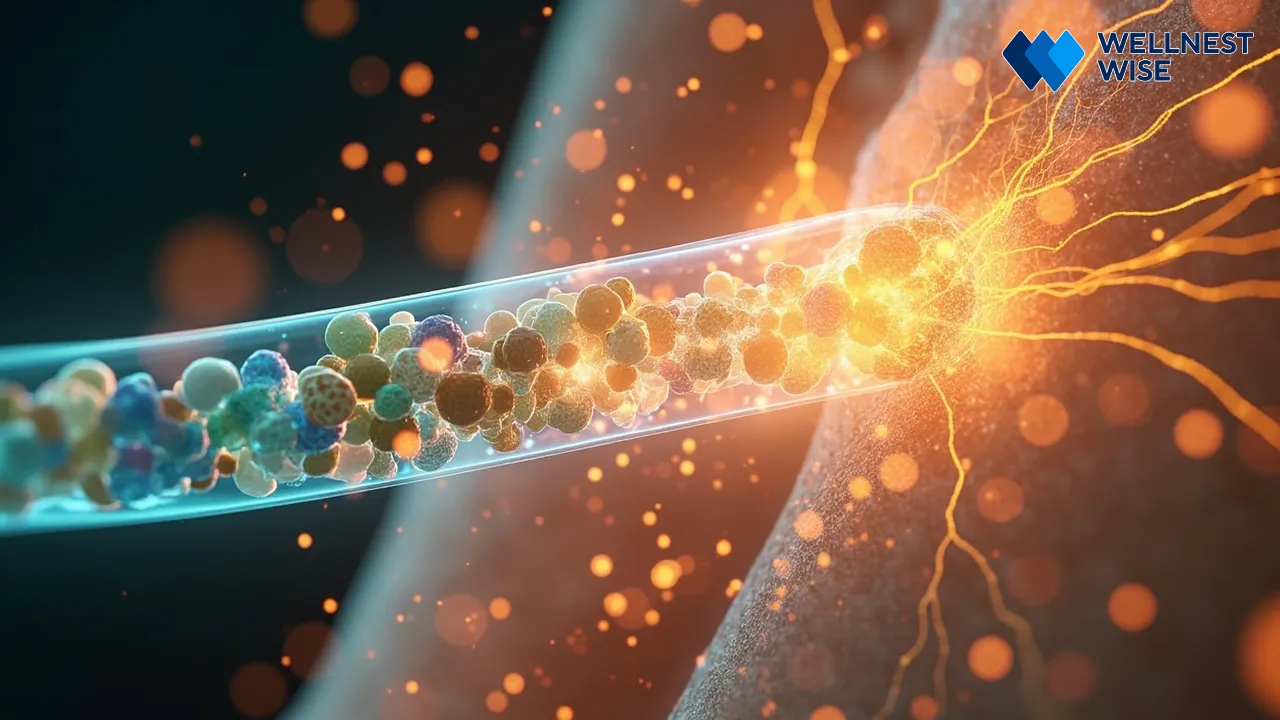
The connection between digestive health and skin health—the Gut-Skin Axis—is arguably the most crucial area for achieving long-term eczema remission. Research shows that the composition of your Gut Microbiome directly influences systemic inflammation and immune regulation throughout the body.
Gut Dysbiosis and Its Link to Systemic Inflammation
Gut Dysbiosis refers to an imbalance in the ratio of beneficial to harmful microorganisms in the digestive tract. When harmful bacteria thrive, they can damage the gut lining, promoting chronic, low-grade systemic inflammation. This inflammation signals the immune system to remain on high alert, creating a continuous feedback loop that manifests as skin flares. Restoring balance is key to dampening this systemic overreaction.
Prebiotics and Fermented Foods: Fueling a Healthy Gut Microbiome
To heal the gut, we must feed the beneficial bacteria. Prebiotics are non-digestible fibers (found in garlic, onions, asparagus, and bananas) that serve as food for gut flora, helping them multiply. Fermented foods contain live, beneficial cultures (probiotics). Adding traditionally fermented foods like kefir, high-quality sauerkraut, and kimchi (if you are not sensitive to histamines) can introduce diverse strains of helpful bacteria, fostering a healthier, more resilient gut ecosystem.
Probiotics for Eczema: Strain-Specific Recommendations and Efficacy
Not all probiotics are created equal. Research increasingly points toward specific strains that have demonstrated efficacy in modulating the immune response associated with eczema, particularly in infants and children.
- Lactobacillus rhamnosus GG (LGG): One of the most studied strains, proven effective in reducing the incidence of atopic dermatitis when given prenatally or to infants at high risk. Suggested dosage: 10 billion CFUs/day.
- Bifidobacterium lactis (B. lactis): Often used in combination with L. rhamnosus; evidence supports its role in reducing eczema severity scores (SCORAD) in young children. Suggested dosage: 5–15 billion CFUs/day.
- Lactobacillus fermentum: Some studies suggest this strain can help modulate the Th2 immune response, potentially lessening the inflammatory cascade.
- Safety Note: Always consult a healthcare professional before starting high-dose probiotic supplements, especially for children. Ensure the product is third-party tested and refrigerated if required.
Targeted Nutritional Strategies to Repair the Intestinal Lining
In addition to rebalancing the microbiome, specific nutrients help physically rebuild the intestinal wall, addressing the underlying “leaky gut” issue. The amino acid L-Glutamine is the preferred fuel source for the cells lining the intestines (enterocytes) and is crucial for healing the mucosa. Additionally, consuming collagen-rich foods like homemade bone broth provides amino acids that support the structural integrity of the gut lining, effectively sealing the barrier and reducing the flow of inflammatory triggers into the bloodstream.
Implementing a Structured Eczema Elimination Diet and Reintroduction Protocol
Moving from theory to practice requires structure. Implementing an eczema elimination diet without professional guidance can lead to nutritional deficiencies and unnecessary anxiety. A structured approach ensures accurate identification of triggers and maintains nutritional completeness.

Preparing for the Elimination Diet: Professional Consultation and Planning
Before restricting major food groups, it is highly advisable to consult a registered dietitian (RD) or a functional nutrition practitioner specializing in skin conditions. They can ensure the restricted diet remains nutrient-dense and provide a safe roadmap. Success hinges on meticulous tracking: keep a detailed food and symptom journal, noting changes in itching, redness, sleep quality, and gut health daily.
Phase 1: The Strict Elimination Phase (Understanding the 3-6 Week Period)
This phase involves strictly removing all major common triggers (dairy, gluten, soy, eggs, nuts, and possibly corn/nightshades) for a defined period, typically three to six weeks. The goal here is complete immune system calm. You won’t know if a food is a trigger until all inflammation has subsided. If your skin shows significant improvement within this window, you have strong evidence that one or more eliminated foods were driving your flares. If there is no improvement after six weeks, it suggests that diet is not the primary driver, and other factors (stress, environmental irritants, or genetics) need further investigation.
Phase 2: Systematic Reintroduction and Identifying Specific Sensitivities
Once the skin is calm, you begin the reintroduction phase—the most critical part of the process. Introduce only one eliminated food at a time, consuming a small amount (a “challenge dose”) on Day 1, then increasing the dose on Day 2, and observing symptoms for the next 72 hours.
- If symptoms (itching, redness, gut upset) return, that food is identified as a sensitivity, and it should be removed long-term.
- If no reaction occurs, that food is safe and can be incorporated back into the diet.
Food Sensitivity Testing for Skin Conditions: When is it Useful?
Patients frequently ask about Food Sensitivity Testing for Skin Conditions, specifically IgG antibody testing. While appealing, IgG tests are controversial. They measure exposure, not necessarily clinical reactivity, meaning they might flag foods you eat often, even if they aren’t causing symptoms. True gold-standard methods remain the supervised elimination and reintroduction diet, or specific patch testing performed by an allergist for contact sensitivities.
Long-Term Maintenance: Balancing Restriction with Nutritional Completeness and Enjoyment
Long-term success relies on sustainability. After identifying your specific triggers, the goal is to maintain a diverse diet rich in anti-inflammatory foods while permanently avoiding or heavily limiting your specific sensitivities. Focus on variety to prevent nutrient deficiencies and ensure life satisfaction. Dietary management for eczema is a journey, not a destination; allow flexibility and celebrate small victories in achieving clear, comfortable skin.
Conclusion & Takeaways
Eczema is a challenging chronic condition, but managing it through precise nutritional intervention offers one of the most powerful pathways to lasting relief. By tackling the Gut-Skin Axis, eliminating inflammatory triggers like dairy and gluten, and prioritizing foods rich in Omega-3s and antioxidants, you are actively supporting your immune system and restoring your skin’s natural barrier. Start small: begin tracking your symptoms today, and commit to a 30-day elimination period to find clarity. Your skin will thank you.
FAQ
How does my gut health affect my skin?
The gut is home to about 70% of the immune system. When the gut is imbalanced (dysbiosis) or damaged (“leaky gut”), inflammatory compounds and toxins can enter the bloodstream, driving systemic inflammation. This chronic, low-grade inflammation often manifests externally, exacerbating skin conditions like eczema. Healing the gut lining helps reduce the inflammatory burden on the entire body.
What specific foods should I avoid if I have eczema?
While triggers are personal, the most common eczema trigger foods to temporarily remove during an elimination phase are dairy, gluten/wheat, eggs, and soy. You should also monitor highly processed foods and excessive sugar, as these directly fuel general inflammation pathways in the body.
Are supplements effective for reducing eczema symptoms?
Yes, targeted supplementation can be highly effective, especially when dietary intake is insufficient. High-quality fish oil (EPA/DHA) and specific probiotic strains (like Lactobacillus rhamnosus GG and Bifidobacterium lactis) show clinical evidence of reducing eczema severity by modulating the immune response and repairing the Skin Barrier Function. Always seek professional guidance on dosage.