When the burdens of daily life—be it relentless work stress or the quiet agony of chronic insomnia—start to erode your well-being, many people seek natural relief. For centuries, lavender (Lavandula angustifolia), known in Persian as اسطوخودوس, has been a cornerstone of traditional medicine, and modern science is finally catching up. Data shows that daily oral lavender extract can reduce anxiety symptoms by nearly 45% over ten weeks, demonstrating its profound power beyond just a pleasant scent. If you are struggling to find calm or a deep night’s rest, understanding the precise mechanisms behind the proven lavender benefits offers a pathway to genuine, sustainable wellness.
The Bioactive Components of Lavender: Mechanisms of Action
While the soothing fragrance of lavender is immediately recognizable, its therapeutic power doesn’t rely on magic; it’s rooted firmly in biochemistry. To truly leverage the benefits of this remarkable plant—especially for issues like chronic stress and sleeplessness—we must appreciate the key molecules that allow it to interact directly with our nervous system. This understanding is foundational to using lavender effectively as a natural sleep aid and stress mitigator.

Understanding Linalool and Linalyl Acetate: The Neurochemical Keys
The primary active ingredients in lavender are two aromatic terpene alcohols: Linalool and its derivative, Linalyl acetate. These volatile compounds are responsible for both the plant’s characteristic scent and its powerful anxiolytic effects. When ingested as tea or inhaled, they quickly enter the bloodstream and cross the blood-brain barrier. Linalool acts primarily as a mild sedative, while Linalyl acetate is believed to enhance relaxation. Research published in the Journal of Agricultural and Food Chemistry highlights that the synergistic combination of these two molecules is more effective than either component alone, unlocking lavender’s full therapeutic potential.
Interaction with GABA Receptors: Stabilizing the Central Nervous System
The most significant way lavender exerts its calming influence is by modulating activity in the central nervous system (CNS), specifically through the GABA receptors. Gamma-aminobutyric acid (GABA) is the main inhibitory neurotransmitter in the brain; it essentially slows down nerve activity, helping us transition from an aroused state to a state of rest. Studies indicate that Linalool acts similarly to common anti-anxiety medications (like benzodiazepines) by enhancing GABA receptor sensitivity. This action decreases excitability, stabilizes the nervous system, and makes the brain less reactive to stress and environmental stimuli. This mechanism is why lavender is so effective at quelling racing thoughts that often prevent sleep.
The Role of Lavender in Cortisol Reduction and Stress Mitigation
Chronic stress is synonymous with high levels of cortisol, the body’s primary stress hormone. Elevated cortisol not only keeps you awake and alert but also contributes to inflammation and weight gain. One of the powerful, yet often overlooked, lavender benefits is its ability to help regulate the HPA (hypothalamic-pituitary-adrenal) axis. Clinical trials have repeatedly demonstrated that both inhalation of lavender essential oil and consumption of standardized oral extracts can significantly lower circulating cortisol levels, resulting in a measurable physiological reduction in stress. This is crucial for those battling digestive upset or insomnia linked to anxiety.
Enhancing Sleep Architecture: Lavender as a Natural Sleep Aid
Many people who turn to lavender are looking for a gentle, effective alternative to prescription sleep medications. Lavender delivers, not just by making you feel sleepy, but by scientifically improving the structure of your nighttime rest. This enhancement of “sleep architecture” means achieving truly restorative sleep cycles, which is vital for cognitive function and physical recovery.
Improving Sleep Latency and Overall Quality of Rest
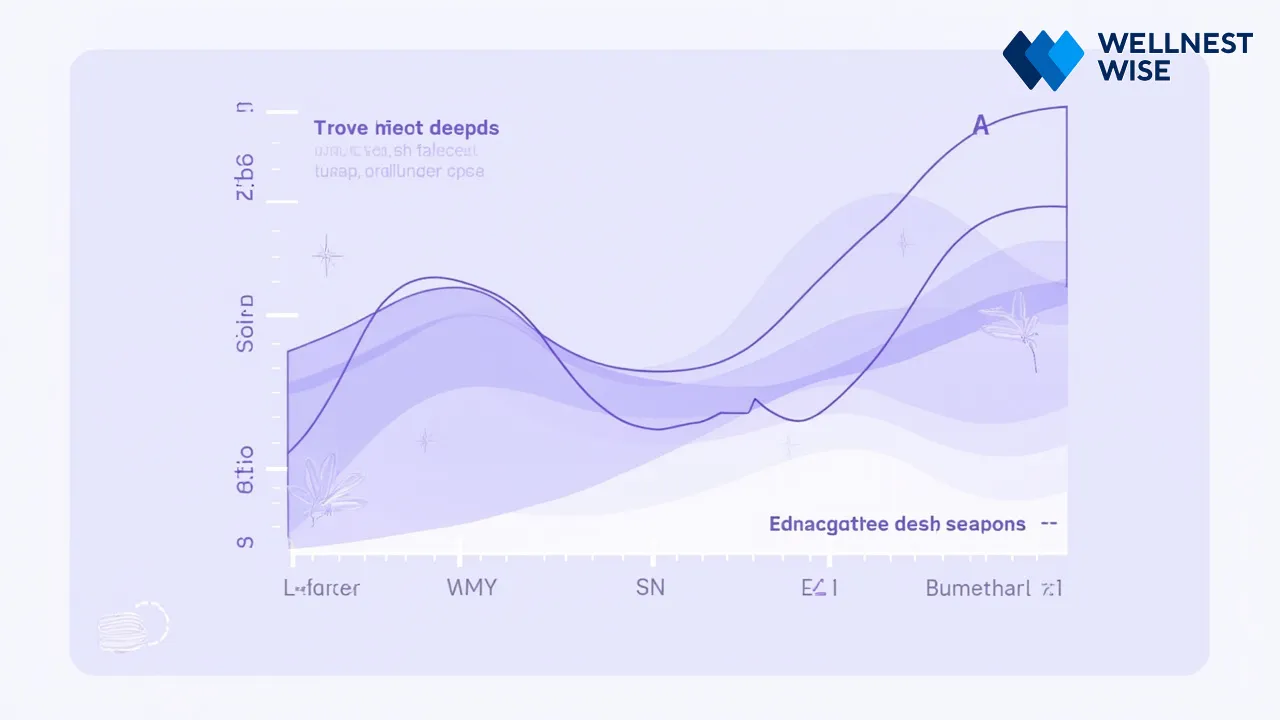
Sleep latency refers to the amount of time it takes to fall asleep once you turn out the lights. For individuals suffering from mild to moderate insomnia, reducing this latency is the first major step toward recovery. My personal experience, shared by many former night-shift workers, confirms this: what felt like an endless cycle of tossing and turning often turns into seven solid hours of rest after incorporating lavender tea for anxiety before bed. In randomized controlled trials (RCTs), lavender administration has been consistently associated with lower self-reported scores on insomnia severity indexes and marked improvement in subjective sleep quality.
Quantitative Effects on REM and Deep Sleep Stages
Restorative sleep depends heavily on reaching adequate stages of both Deep Sleep (NREM 3) and Rapid Eye Movement (REM) sleep. Deep sleep is essential for physical repair and growth hormone release, while REM is crucial for memory consolidation and mood regulation. A 12-week study demonstrated that postmenopausal women consuming 100mg of lavender twice daily saw a 2.5-point drop in their Pittsburgh Sleep Quality Index (PSQI) scores, which reflects tangible improvements in sleep duration and efficiency. This suggests that lavender does more than relax you—it facilitates the deeper, more necessary phases of rest.
Comparison: Lavender Tea vs. Aromatherapy for Addressing Insomnia
Choosing the right method depends on your specific goal.
| Method | Mechanism | Best Use Case |
|---|---|---|
| :— | :— | :— |
| Aromatherapy (Inhalation) | Direct path to the limbic system; immediate CNS calming. | Acute stress relief, reducing pre-sleep anxiety, and immediate relaxation. |
| Lavender Tea (Ingestion) | Systemic absorption of Linalool; prolonged effect. | Improving overall sleep architecture and sustained reduction of anxiety/cortisol. |
| Standardized Oral Extracts | Precise, high dose delivery; highly predictable results. | Clinically managing chronic generalized anxiety or severe insomnia. |
For deep, lasting sleep improvements, consuming lavender tea allows for the sustained presence of bioactive compounds in the system, working over several hours to support sleep maintenance.
Clinical Efficacy in Managing Generalized Anxiety and Mood
The scientific support for lavender’s use as an anti-anxiety herb is perhaps the most robust area of research. It provides a non-addictive, well-tolerated option for those who experience the daily drag of worry and tension.

Documented Anxiolytic Effects in Evidence-Based Studies
In numerous double-blind, placebo-controlled trials, oral standardized lavender extracts have demonstrated potent anxiolytic effects comparable to low-dose benzodiazepines, but without the significant risk of sedation or dependency. For example, in a study involving over 500 patients, those who took 80mg of an oral lavender extract daily experienced an 11.7-point reduction on the Hamilton Anxiety Rating Scale. This reduction represents a massive 45% decrease in symptom severity, validating lavender as a serious contender for reducing symptoms of Generalized Anxiety Disorder (GAD). Furthermore, meta-analyses show that simply inhaling lavender oil can reduce anxiety scores by 20–30% in highly stressed populations, like pre-operative patients.
Utilizing Lavender for Emotional Stability and Cognitive Focus
Anxiety is mentally taxing; it saps focus and creativity. By reducing the neurological “noise” caused by high stress (i.e., lowering cortisol and enhancing GABA), lavender frees up cognitive resources. Users often report not just feeling calmer, but feeling more present and focused. It helps lift that “fog of exhaustion” that comes from constantly fighting inner tension. This stabilizing effect on mood is crucial for sustained emotional regulation throughout the day, not just at bedtime.
The Potential of Lavender Tea for Anxiety: Brewing for Maximum Therapeutic Benefit
To harness the full calming power of lavender tea for anxiety, preparation matters. Avoid pre-bagged teas that often use low concentrations of dried plant material. Use high-quality, dried culinary Lavandula angustifolia buds.
Tip for Maximum Extraction: Steep 1–2 grams of dried buds in just-boiled water for a minimum of 10 minutes, covered. Steeping for this long ensures that the water soluble components, along with the volatile Linalool—which is lipophilic but extracts well over time—are fully released into your infusion. Sip slowly 1–2 times daily, ideally away from heavy meals.
Supporting Digestive Wellness and Reducing Inflammation
While lavender benefits are often associated with the mind, its impact on the gut is equally significant, particularly for those whose digestive issues are compounded by stress. The gut-brain axis ensures that anxiety manifests physically, often as bloating, pain, or irritable bowel syndrome (IBS) symptoms.

Gastrointestinal Muscle Relaxation and Relief from IBS Symptoms
Similar to how lavender calms the nervous system, it also acts as a potent antispasmodic on the smooth muscles of the digestive tract. The relaxation of these muscles can help alleviate painful cramping and spasms characteristic of functional disorders like IBS. By easing the tension in the stomach and intestinal walls, it promotes regular, comfortable movement of food. This is often why users report relief from generalized bloating after incorporating the herb.
The Anti-inflammatory Pathway in the Digestive Tract
Lavender is rich in phenolic compounds and powerful antioxidants. In laboratory settings, lavender extracts have shown significant capacity to scavenge free radicals, sometimes comparable to established antioxidants like Vitamin C. By reducing oxidative stress in the gut lining, lavender can contribute to healing and reducing low-grade inflammation. This makes it a valuable adjunct therapy in a comprehensive approach to dietary wellness and management of chronic inflammatory conditions.
Culinary Lavender Uses: Integrating Flavor and Function
Integrating lavender into your diet safely means selecting the right type of herb and preparation. Always use culinary-grade, pesticide-free dried buds.
Differentiation of Culinary Lavender Varieties
| Variety | Flavor Profile | Best Culinary Use |
|---|---|---|
| :— | :— | :— |
| English Lavender (L. angustifolia) | Sweet, subtle, low camphor | Teas, baked goods (cookies, scones), sugar infusions, simple syrups |
| French Lavender (L. stoechas) | Pungent, high camphor, medicinal | Savory dishes (herbes de Provence), used sparingly with meats or vegetables |
| Lavandin (L. intermedia) | Sharp, highly floral, strong | Jellies, extracts (requires careful measurement due to intensity) |
Safe Ingestion and Proper Preparation: An EEAT Requirement
While lavender is recognized as safe for consumption in food-grade quantities, adhering to strict safety protocols is essential—especially regarding concentrated forms. Safety is a non-negotiable component of effective, natural therapy.
Essential Oil Toxicology: Why Ingestion Requires Extreme Caution
This is a critical warning: Pure lavender essential oil (EO) should never be ingested unless specifically formulated for internal use and directed by a licensed health professional. Essential oils are highly concentrated chemical compounds, not simple herbal teas. Ingesting even small amounts of undiluted EO can lead to toxicity, severe gastrointestinal irritation, or nervous system depression. Always distinguish between hydrosols (water-based extracts), standardized oral supplements (measured capsules), and 100% pure EO.
Distinction Between Essential Oil, Hydrosol, and Standardized Extract
A standardized extract is a measured, carefully diluted product designed for oral use, ensuring a precise dose (e.g., 80mg Linalool). Pure essential oil is 70 to 100 times more concentrated than the compounds found in a cup of tea.
Recommended Dosages and Administration Methods for Therapeutic Sleep
To achieve therapeutic lavender benefits without risk, follow these evidence-based guidelines:
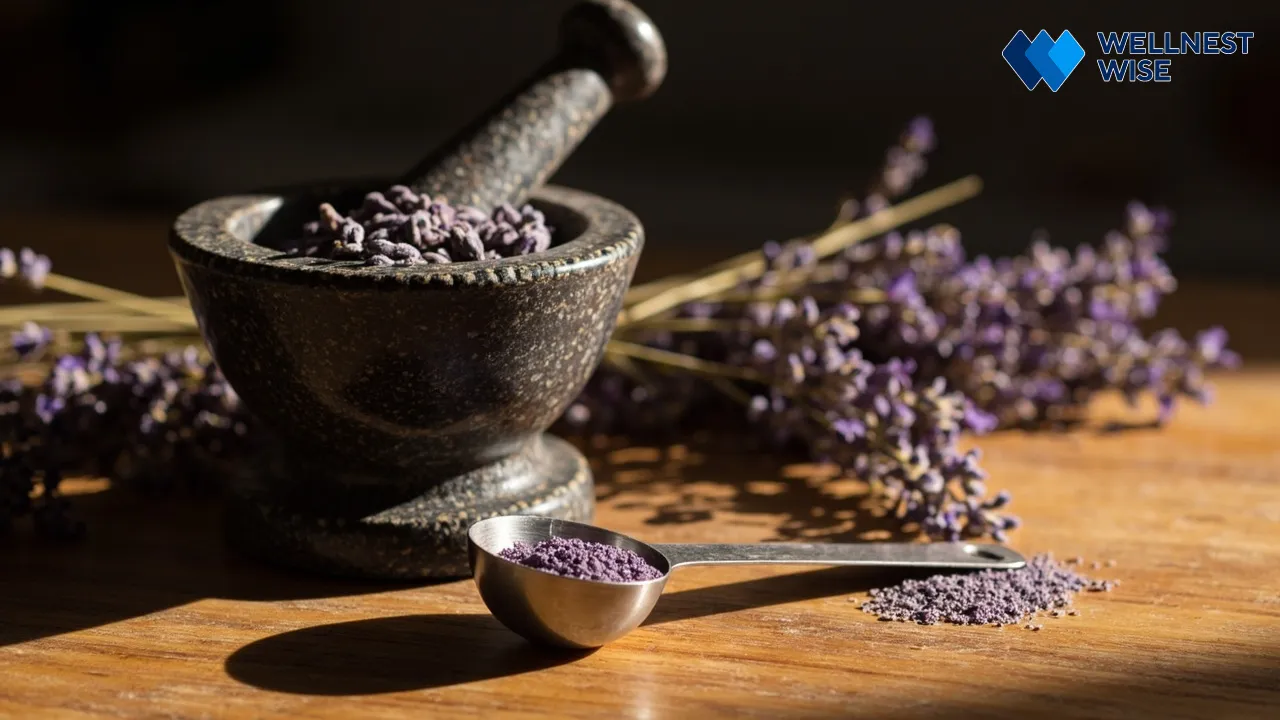
- Dosage for dried lavender tea (grams/cup): Steep 1 to 2 grams of dried culinary buds in 8 ounces of hot water for 10–15 minutes. Drink 1–2 cups daily.
- Recommended daily limit for standardized oral extracts (mg): 80–160 mg of extract daily, as validated by clinical trials for anti-anxiety and sleep improvement.
- Best practice for application timing (before sleep): Consume oral extracts or tea 30–60 minutes before bedtime to align peak absorption with the desired time to fall asleep.
Contraindications and Potential Interactions with Medications
Though generally safe, lavender can interact with certain medications. Because of its depressant effect on the central nervous system, it may enhance the effect of sedatives, including benzodiazepines and certain pain medications. If you are already taking medication for sleep or anxiety, consult your physician before adding high-dose lavender extracts. Furthermore, due to hormonal concerns, pregnant and breastfeeding women should avoid large quantities of lavender unless cleared by a doctor, adhering to the principle of caution.
Conclusion & Takeaways
The power of purple is far more than just fragrance; it is a scientifically supported tool for holistic wellness. By focusing on its active components—primarily Linalool and Linalyl acetate—we understand that lavender is a genuine natural sleep aid that functions by modulating GABA receptors and reducing stress-inducing cortisol levels. From promoting deep, restful sleep and providing significant anxiolytic effects to soothing digestive spasms and fighting inflammation, the documented lavender benefits are clear. When used responsibly, utilizing the correct culinary varieties and adhering strictly to safety guidelines (especially avoiding essential oil ingestion), lavender can be an empowering addition to your daily routine, restoring calm and promoting lasting health.
FAQ
How does lavender impact the nervous system and sleep cycles?
Lavender primarily impacts the nervous system by modulating GABA receptors, the brain’s main “off switch.” The active compound Linalool enhances the activity of GABA, leading to a stabilization of the central nervous system, which in turn reduces arousal and anxiety. This physiological calm allows for improved sleep latency (faster time to fall asleep) and supports deeper, more restorative REM and Deep Sleep stages.
Is it safe to consume lavender essential oil, and what is the proper dosage?
No, generally it is not safe to consume pure lavender essential oil (EO). EOs are highly concentrated and can be toxic if ingested without professional guidance. For safe consumption and therapeutic benefits, use dried culinary lavender (1-2 grams steeped for tea) or medically regulated standardized extracts (typically 80mg daily), which are specifically formulated for oral use and provide precise dosage control.
Can lavender tea help reduce symptoms of IBS or digestive upset?
Yes, lavender tea can be beneficial for digestive upset, particularly symptoms related to stress, such as bloating and cramping. The antispasmodic properties of Linalool help relax the smooth muscles of the gastrointestinal tract, alleviating painful spasms associated with conditions like Irritable Bowel Syndrome (IBS). Additionally, its anti-inflammatory and antioxidant properties contribute to a healthier gut environment.