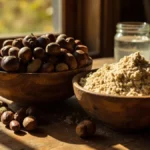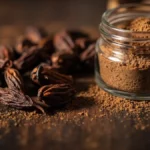
When we look at ancient wisdom, certain foods stand out for their endurance. In Persian tradition, the silverberry (Senjed), or Elaeagnus angustifolia, has been valued not just as a staple of celebratory tables but as a cornerstone of natural wellness. Historically revered for supporting joint comfort and digestive regulation, modern nutritional science is now isolating the specific compounds—from dense dietary fiber to potent flavonoids—that validate these long-held beliefs. Dive in to explore the evidence behind the 7 most compelling silverberry benefits and how to integrate this functional food into your diet.
Unpacking the Nutritional Profile of Silverberry (Elaeagnus Angustifolia)
Before diving into the functional benefits, it is crucial to understand what exactly makes Senjed such a valuable food source. Unlike many common berries, the whole Elaeagnus angustifolia fruit offers a unique blend of structural components and essential micronutrients, creating a profile highly relevant to musculoskeletal and gut health. This comprehensive nutritional density is the foundation of its traditional medicinal use and its status as a superfruit.
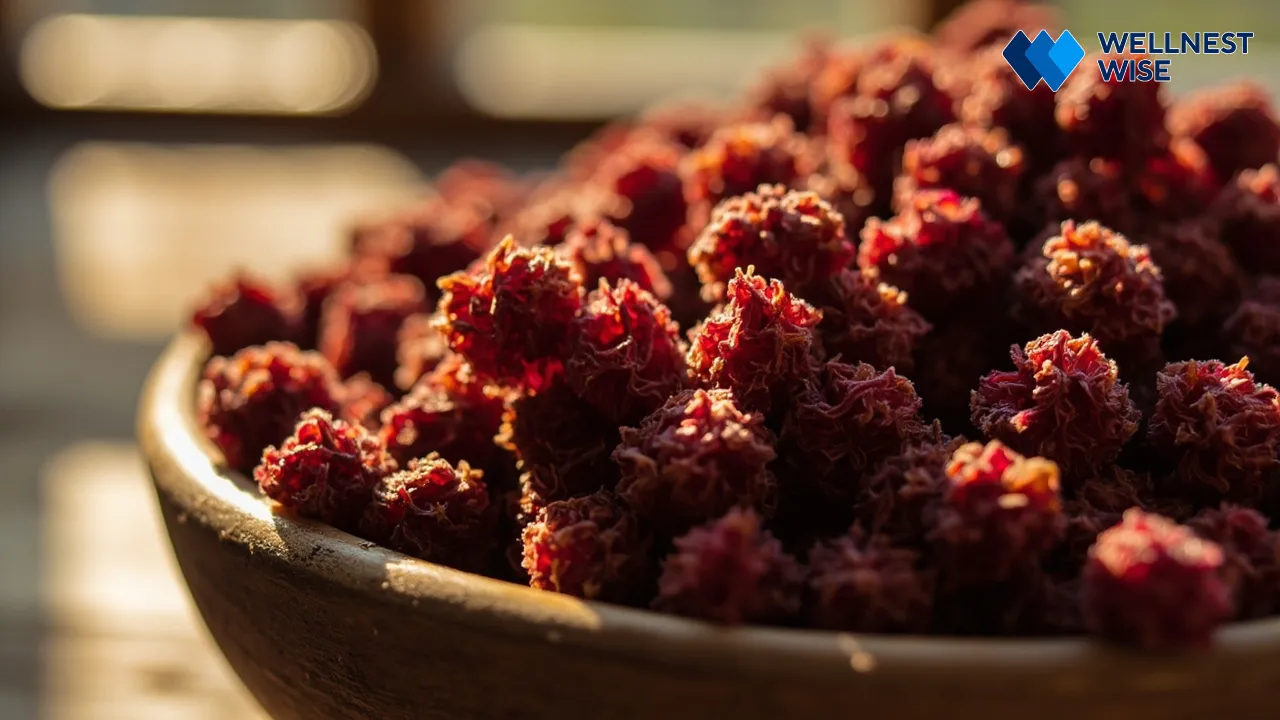
Scientific Taxonomy and Traditional Use in Iranian Medicine
The botanical name, Elaeagnus Angustifolia, refers to the family of Russian olives, though the specific preparation for medicinal and nutritional use often focuses on the dried fruit (Senjed). In traditional Iranian medicine (TIM), Senjed was classified as a natural remedy for joint stiffness and diarrhea—uses that align precisely with its dense fiber and micronutrient composition. This deep historical usage provides a crucial framework for modern scientific investigation, lending experience-driven validity to its functional properties.
Key Macronutrients: Fiber, Carbohydrates, and Proteins in Senjed
While sometimes overlooked, Senjed fruit provides a robust macronutrient profile, particularly in its whole, dried form. It is notably high in complex carbohydrates, providing sustainable energy. Crucially, the fruit peel and flour are incredibly rich in dietary fiber, often surpassing that found in many common fruits. This high fiber content is critical for satiety and, as detailed later, for regulating bowel movements. Furthermore, it contains a measurable amount of plant-based protein, contributing to the fruit’s overall structural integrity and nutritional value.
Micronutrient Density: Essential Vitamins and Minerals
The true power of silverberry lies in its micronutrient density. Studies comparing Senjed with other common dried fruits often highlight its surprisingly high concentration of certain essential minerals, particularly those vital for bone density and immune function.
| Key Micronutrient | Approximate Quantity (per 100g of Senjed Powder) | Primary Health Benefit |
|---|---|---|
| :— | :— | :— |
| Calcium | 300–400 mg | Essential for bone structure, nerve, and muscle function. |
| Vitamin C | 60–80 mg | Potent antioxidant, crucial for immune system function and collagen production. |
| Iron | 2–3 mg | Supports red blood cell formation and energy metabolism. |
| Potassium | High concentration | Regulates fluid balance and supports cardiovascular health. |
| Vitamin K | Trace amounts | Important cofactor for bone metabolism and blood clotting. |
Targeted Support for Musculoskeletal Health and Joint Pain Relief
For many seeking natural ways to support aging bodies, the promise of joint pain relief is the most compelling reason to explore silverberry. This benefit isn’t anecdotal; it’s rooted in the fruit’s unique chemical profile. The presence of powerful bioactive compounds allows Senjed to address the underlying cause of many joint ailments: chronic inflammation.

Anti-Inflammatory Properties of Senjed for Arthritis and Rheumatism
Chronic low-grade inflammation is a major driver of conditions like arthritis and rheumatism. Research focusing on Elaeagnus angustifolia extracts suggests that the fruit possesses significant anti-inflammatory properties. These effects stem from its ability to inhibit key inflammatory pathways in the body. Specifically, studies have shown that Senjed extracts can modulate the production of inflammatory mediators, offering a potential natural pathway to reduce swelling and improve mobility, supporting the traditional uses cited in TIM.
The Role of Senjed in Supporting Bone Density and Preventing Osteoporosis
Beyond managing inflammation, silverberry contributes directly to bone health—a particularly relevant concern for aging populations globally. As noted in its nutritional profile, Senjed contains high levels of Calcium, the primary mineral needed for bone strength. Furthermore, the anti-inflammatory action may indirectly benefit bone health, as chronic inflammation can contribute to increased bone resorption (loss).
“A 2020 review published in PMC highlighted that the specific polyphenolic fraction found in Elaeagnus angustifolia extract exhibited notable protective effects against bone damage models, reinforcing the traditional application of Senjed for supporting the integrity of the musculoskeletal system.”
Bioactive Compounds: Flavonoids and Polyphenols as Anti-inflammatory Agents
The heavy lifting in fighting inflammation is done by flavonoids and polyphenols. These compounds are powerful antioxidants that neutralize harmful free radicals, thereby minimizing cellular damage that triggers inflammatory responses. Senjed contains specific compounds like quercetin and kaempferol derivatives, which are widely recognized in nutritional science for their potent health-protective effects. By targeting oxidative stress, Senjed helps maintain cellular homeostasis, reducing the burden of chronic disease.
Scientific Evidence Supporting Elaeagnus Angustifolia Extract for Joint Health
Modern studies often utilize concentrated extracts of Senjed powder to demonstrate efficacy. These extracts have been shown in controlled settings to reduce pain thresholds and improve mobility indicators. While further large-scale human trials are always needed, the current scientific consensus supports the fruit’s role as a potent anti-inflammatory agent, directly backing its traditional use for joint pain relief.
Promoting Digestive Health and Gut Barrier Function
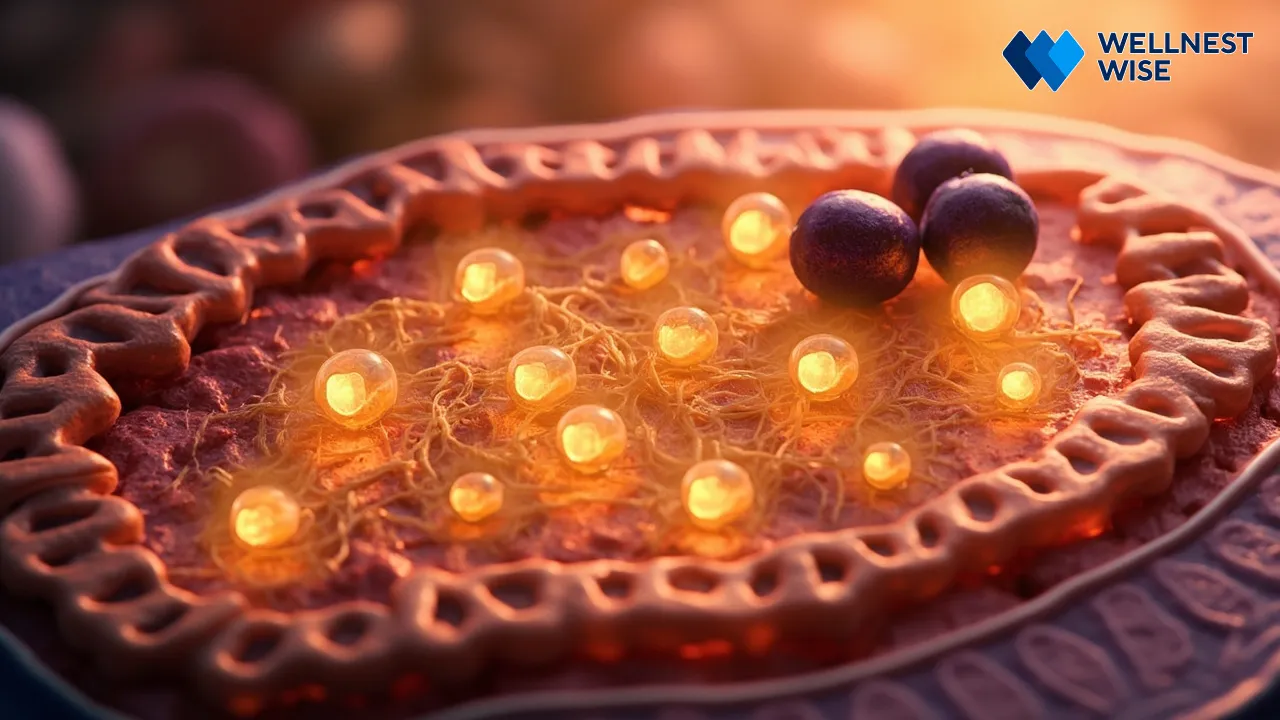
The journey toward holistic health begins in the gut, and here, too, silverberry proves indispensable. Its textural composition—especially the slightly fuzzy skin and inner seed—translates directly into powerful mechanical and chemical support for the digestive tract. This fruit effectively works as a functional food, leveraging its high fiber and unique carbohydrate structure to regulate the entire system, from absorption to elimination.
High Dietary Fiber Content and Its Effect on Bowel Regulation
The substantial dietary fiber in Senjed acts as a gentle bulk-forming agent. This is essential for promoting regular bowel movements and preventing constipation, a common modern complaint. By absorbing water, the fiber softens stool and increases its volume, which stimulates intestinal contractions. This mechanical action is fundamental to maintaining a healthy, efficient digestive system, aligning with guidelines from organizations like the NIDDK that stress the necessity of adequate fiber intake.
Senjed’s Traditional Use in Managing Diarrhea and Digestive Distress
While fiber usually treats constipation, Senjed holds a unique traditional application: managing diarrhea. This apparent contradiction is resolved by considering the role of specific tannins and soluble fibers in the fruit. These compounds can help absorb excess fluid in the colon and tighten the mucosal lining, slowing transit time and promoting stool consistency, demonstrating its remarkable balancing act within the GI tract.
Potential Prebiotic Effects and Modulation of the Gut Microbiota
Certain non-digestible carbohydrates found in silverberry may act as prebiotics. These are the “food” that nourishes beneficial bacteria residing in the gut—the gut microbiota. A healthy, diverse microbiota is crucial for nutrient absorption, immune defense, and even mood regulation. By feeding these beneficial organisms, consuming Senjed may help modulate the gut environment, enhancing the barrier function and overall digestive wellness.
The Core Mechanism: Silverberry’s Powerful Antioxidant Activity
Every benefit attributed to Senjed, from reducing joint inflammation to supporting cardiac health, ultimately traces back to its exceptional ability to fight oxidative stress. This molecular process, where unstable free radicals damage cells, is the root cause of aging and many chronic diseases. The density of polyphenols in the silverberry makes it an extremely effective natural defender against this continuous cellular damage.

Reducing Oxidative Stress: How Senjed Protects Cellular Health
Senjed’s extracts demonstrate a high Oxygen Radical Absorbance Capacity (ORAC) value, a scientific measure of antioxidant power. By effectively scavenging free radicals, the fruit’s antioxidant complex helps maintain the integrity of cellular membranes and DNA. This cellular protection is fundamental, impacting everything from skin health to neurological function, positioning silverberry as a crucial component of a preventative, holistic health diet.
Cardiovascular Benefits Associated with Polyphenolic Intake
Diets rich in plant polyphenols are strongly correlated with reduced risk of cardiovascular disease (CVD). The antioxidants in Senjed can help protect LDL cholesterol from oxidation, a key step in the development of atherosclerosis (hardening of the arteries). Furthermore, these compounds may help improve endothelial function (the lining of blood vessels), promoting better blood flow and supporting healthy blood pressure levels, aligning with global health recommendations from the WHO.
Senjed and Metabolic Syndrome: Supporting Healthy Blood Glucose Levels
Metabolic syndrome involves a cluster of conditions, including high blood sugar and poor lipid profiles. The combination of high dietary fiber and specific polyphenols in silverberry offers dual support. The fiber slows glucose absorption, preventing blood sugar spikes, while the bioactive compounds may improve insulin sensitivity, contributing to better long-term metabolic control. This suggests that adding Senjed to the diet can be a valuable strategy for those managing or seeking to prevent type 2 diabetes.
Practical Incorporation: Methods of Consuming Senjed Powder and Fruit
Understanding the benefits of silverberry is only the first step; effective integration into your daily routine is key. While the whole, dried fruit is traditionally eaten as a snack, the modern popularity of the finely ground Senjed powder offers concentrated delivery of its nutrients. Choosing the right preparation method depends on your health goals and culinary preference.
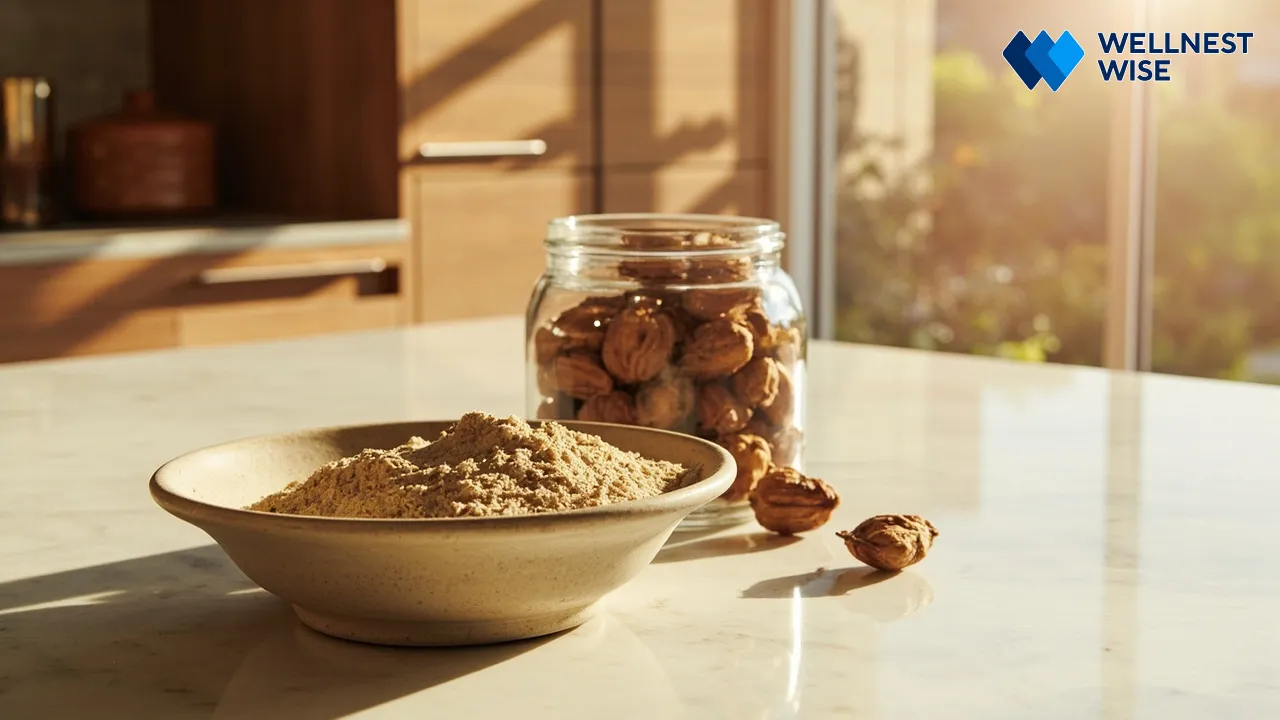
Preparation Methods: Dried Fruit, Powder, and Traditional Senjed Juice
The most common form is the dried whole fruit, which provides both the beneficial pulp and the highly fibrous skin and seed. Senjed powder is created by grinding the entire dried fruit, resulting in an intense concentration of minerals and fiber—often favored when specifically targeting bone support. Less commonly, the fruit can be steeped or blended into a traditional juice or beverage, offering a refreshing way to absorb its water-soluble vitamins and antioxidants.
Recommended Dosage: Guidelines Based on Traditional Use and Safety Data
Because silverberry is categorized as a functional food rather than a pharmaceutical drug, standardized dosing is still being established clinically. However, guidelines can be drawn from effective traditional consumption and safety data:
- Senjed Powder (for Bone/Joint Support): Start with 1 teaspoon (approx. 3–5 grams) mixed into water, yogurt, or a smoothie daily. Gradually increase to 2 teaspoons, monitoring digestive tolerance.
- Whole Dried Fruit: A typical serving size for general wellness is 10–15 pieces of dried fruit daily, preferably consumed with water to aid fiber digestion.
- Consistency is Key: Due to its role in structural support (bone density and inflammation modulation), results are typically seen only after consistent, daily consumption over several weeks or months.
- Always consult a healthcare professional, especially if using Senjed powder to manage specific chronic conditions like osteoporosis or severe arthritis.
Culinary Uses: Integrating Russian Olive Fruit into Modern Recipes
The mildly sweet, slightly astringent flavor of the Russian olive fruit (Senjed) pairs excellently with dairy and fermented foods. Senjed powder is easily integrated as a nutritional booster.
Recipes for Senjed Yogurt Bowls and Smoothie Additions
For a protein-rich snack, stir 1 teaspoon of Senjed powder into a cup of Greek yogurt, topped with walnuts and a drizzle of honey. The powder adds a pleasingly earthy texture and significantly boosts the Calcium and fiber content. It also blends seamlessly into breakfast smoothies, masking its dry flavor with bananas or berries while delivering concentrated silverberry benefits.
Safety, Side Effects, and Responsible Consumption
While Senjed is generally recognized as safe for consumption, especially within cultural dietary norms, responsible usage requires awareness of potential side effects and contraindications. Its potency, particularly in powdered extract form, demands caution. Understanding when to consult a medical professional ensures that you reap the full silverberry benefits without encountering unexpected complications.
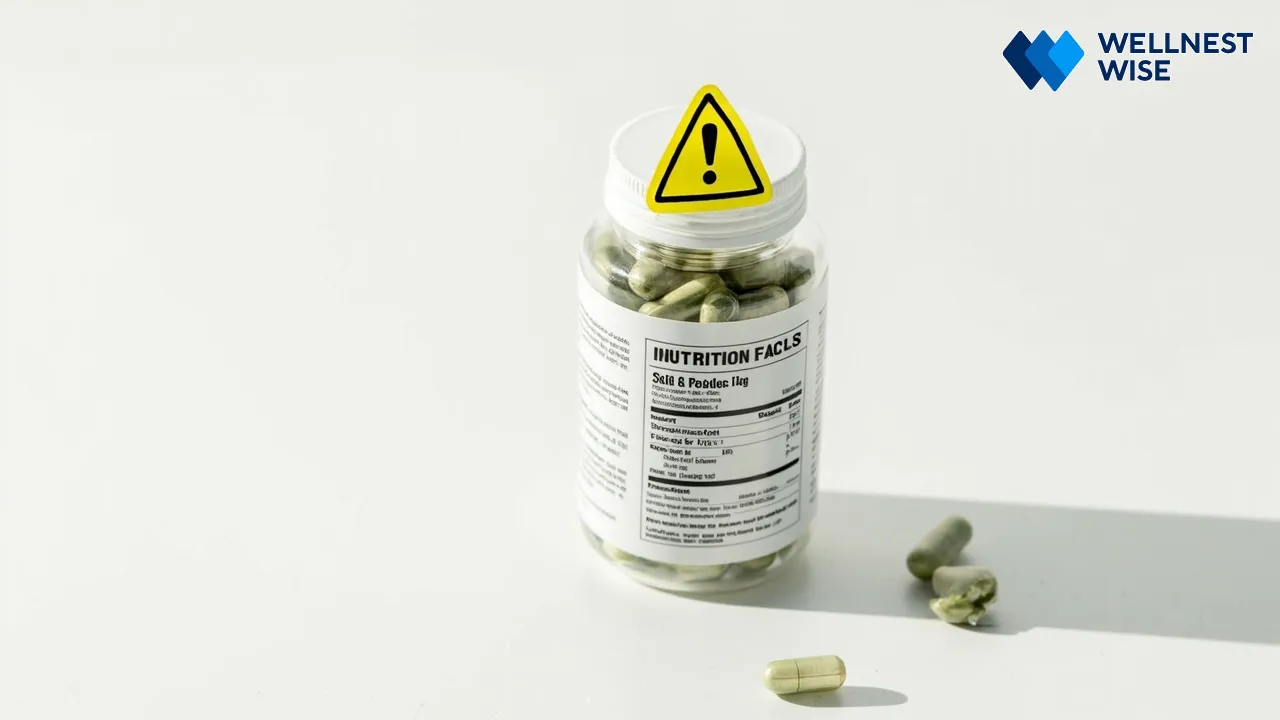
Known Side Effects and Potential Gastrointestinal Reactions
The primary side effect associated with overconsumption of silverberry powder is gastrointestinal distress, mainly due to its extremely high dietary fiber content. Symptoms can include bloating, gas, and mild stomach discomfort, particularly if introduced quickly without adequate hydration. To minimize this, start with a low dose and ensure you drink plenty of water throughout the day.
Contraindications: Who Should Avoid Elaeagnus Angustifolia?
Individuals with known allergies to the Elaeagnaceae family should avoid Senjed. Furthermore, due to the high fiber and potential astringent properties, caution is advised for those with acute inflammatory bowel conditions (like Crohn’s disease or colitis) unless directed by a physician. Pregnant or breastfeeding women should also exercise caution, as specific clinical data on these populations is limited.
Potential Drug Interactions and Consultation with Healthcare Professionals
Because Senjed can influence blood glucose levels and potentially modulate inflammatory markers, individuals taking medications for diabetes, high blood pressure, or blood thinners should seek professional medical advice before incorporating large doses of silverberry extract. A knowledgeable herbalist or physician can assess potential interactions and guide responsible use, ensuring safety alongside the pursuit of holistic health.
Conclusion & Takeaways
Synthesis of Traditional Wisdom and Modern Nutritional Science
The journey of silverberry (Senjed), from ancient traditional remedy to modern functional food, showcases a beautiful synergy between cultural wisdom and scientific validation. Its high concentration of Calcium, fiber, and polyphenols provides measurable benefits, especially in supporting musculoskeletal integrity and combating chronic inflammation. Senjed isn’t just a nostalgic fruit; it’s a powerful, naturally sourced tool for preventative wellness.
Final Takeaways: Integrating Senjed into a Holistic Diet
The seven science-backed benefits—ranging from bone support to metabolic regulation—confirm that integrating Senjed into a balanced diet is a worthwhile investment in long-term health. Whether you choose the dried fruit for digestive fiber or the concentrated Senjed powder for targeted bone benefits, embracing this ancient superfruit helps bridge the gap between nutritional science and tradition.
FAQ
Practical, scientific Q&A
Is silverberry scientifically proven to help joint pain?
While large-scale human clinical trials are still emerging, numerous biochemical and animal studies confirm that extracts from Elaeagnus angustifolia possess significant anti-inflammatory properties. These effects, driven by high levels of flavonoids and polyphenols, scientifically support its traditional use in reducing symptoms associated with arthritis and rheumatism.
What is the best way to consume silverberry (powder vs. fruit)?
The best method depends on your goal. If you are seeking the highest concentration of Calcium and antioxidants for bone density support or joint relief, the finely ground Senjed powder (consuming the whole seed and skin) is generally recommended. If your primary goal is digestive health and increasing general dietary fiber intake, consuming the whole, dried fruit is an excellent choice.
Are there any known side effects or contraindications for Senjed?
Yes. The most common side effect is gastrointestinal discomfort (bloating, gas) if too much silverberry powder is consumed too quickly, due to its high fiber content. Contraindications include known allergies to the Elaeagnaceae family, and cautious use is advised for individuals on medications for blood pressure or diabetes, requiring consultation with a healthcare professional.