
Think about the countless hours people spend doing crunches, desperately trying to shrink their waistline, often with minimal success. The reason? That stubborn middle section—the metabolically active visceral fat surrounding your organs—is often a symptom of underlying hormonal imbalance, not simply a lack of exercise. We aren’t aiming for a temporary, restrictive solution; we’re aiming for sustainable metabolic transformation. If you’re tired of strategies that focus only on calorie restriction and don’t work, stick with us to learn the science behind how to lose belly fat effectively.
Understanding Abdominal Fat: The Science of Central Obesity
For too long, the fitness conversation has treated all fat equally. But the fat that gathers around your midsection and sides is often genetically and metabolically distinct. Understanding the crucial difference between surface fat and deep, dangerous fat is the first critical step in developing a strategy that actually works to protect your long-term health and achieve genuine abdominal fat reduction.
(تصویر پیشنهادی : An illustration showing the difference between superficial subcutaneous fat (under the skin) and deep visceral fat (surrounding organs) in the abdominal area, highlighting the health implications. – Diagram distinguishing visceral and subcutaneous abdominal fat distribution – visceral-vs-subcutaneous-fat-diagram)
Differentiating Visceral Fat vs. Subcutaneous Fat and Their Health Risks
When we talk about fat, we are dealing with two main types. Subcutaneous fat is the soft, pinchable layer located just under the skin. While often a cosmetic concern, it is generally considered less dangerous. Conversely, visceral fat is stored deep within your torso, wrapping around major organs like the liver and intestines. This type is highly inflammatory and metabolically active. It releases hormones and inflammatory markers that directly enter the portal circulation, influencing liver function and increasing systemic health risks.
Why Central Fat Distribution is a Key Marker of Metabolic Syndrome Risk
High levels of visceral fat are not just aesthetically displeasing; they are a direct driver of metabolic dysfunction. When fat cells are stored centrally, they flood the bloodstream with free fatty acids and inflammatory signaling molecules. This environment significantly increases the risk for Metabolic Syndrome, a cluster of conditions that includes high blood pressure, high blood sugar, excess abdominal fat, and abnormal cholesterol or triglyceride levels. For many clinicians, a patient’s waist circumference is considered a more vital predictor of cardiovascular disease than weight alone.
Debunking the Myth: Can You Truly Spot-Reduce Fat from Your Midsection?
This is one of the most persistent myths in fitness. The simple, scientific answer is no. Fat mobilization—the process of breaking down stored triglycerides into usable energy—is controlled by hormonal signals (like adrenaline and noradrenaline) sent across the entire body. You cannot target a specific fat cell in your abdomen to break down simply by performing core exercises.
Real-world experience shows us the truth here: I personally chased spot reduction for years, spending hours on oblique twists and sit-ups. The effort would have been better spent lifting heavy weights and focusing on deep, consistent sleep. Fat loss is a whole-body phenomenon, and abdominal fat reduction occurs when you achieve a sustained energy deficit.
The Hormonal Drivers: Insulin Sensitivity and Chronic Stress (Cortisol)
When we talk about stubborn belly fat, we are really talking about hormonal communication gone awry. Your body stores fat centrally not usually because you ate too much yesterday, but because key hormonal signals—primarily Insulin and Cortisol—are constantly telling the body that danger is present and reserves must be stockpiled specifically around the liver and major organs. Addressing these hormones is the key to shrinking your waistline.
The Vicious Cycle of High Insulin and Abdominal Fat Storage
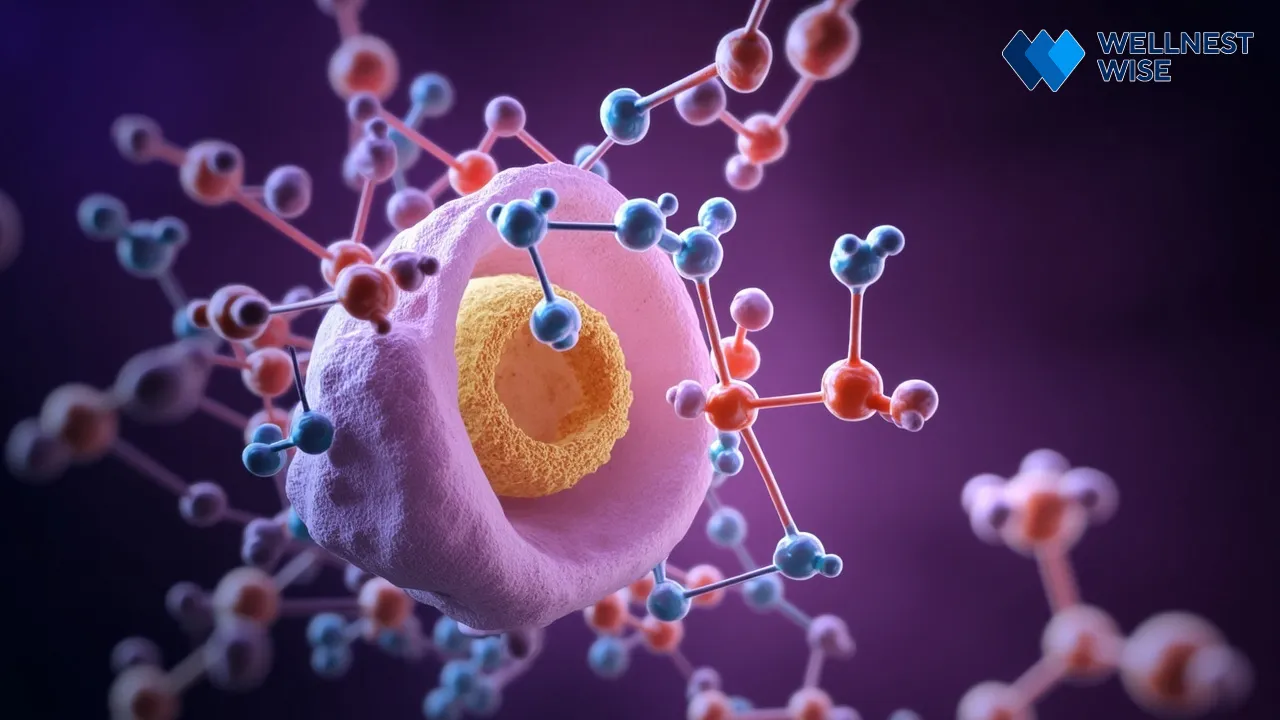
Insulin is a powerful hormone responsible for regulating blood sugar and shuttling nutrients into cells. However, when we constantly consume high amounts of rapidly digestible carbohydrates and sugars, our cells become resistant to insulin’s signal (Insulin Resistance). The pancreas then overproduces insulin to compensate. High insulin levels are anabolic—they lock fat storage cells down and specifically encourage the accumulation of visceral fat. Until you improve Insulin Sensitivity, your body will struggle to release that stored energy.
Strategic Dietary Shifts to Enhance Insulin Sensitivity
The goal is not to eliminate all carbohydrates, but to manage the speed at which glucose enters your system. This means favoring high-fiber foods that slow digestion. Incorporate apple cider vinegar before meals (if tolerated) or focus on starting meals with a large portion of fibrous vegetables. Intermittent fasting, for some people, can also be a powerful tool for giving insulin levels a break.
How Cortisol, Sleep Deprivation, and Stress Accumulate Visceral Fat
Cortisol, the body’s primary stress hormone, plays a direct role in central fat deposition. When you experience chronic stress (whether from emotional strain, overtraining, or poor sleep), the body believes it is facing a survival threat. Cortisol mobilizes energy reserves but preferentially instructs the body to store fat in the abdominal area, near the liver, where it can be quickly accessed. Sleep deprivation amplifies this effect, keeping cortisol elevated and disrupting appetite-regulating hormones like ghrelin and leptin. This is why managing stress is as critical as diet when tackling abdominal fat reduction.
Evidence-Based Nutritional Strategies for Visceral Fat Reduction
You cannot out-exercise a poor diet, especially when fighting metabolically active fat. Effective reduction of the midsection relies fundamentally on eating foods that stabilize blood sugar, manage inflammation, and promote long-term satiety. This isn’t about short-term deprivation; it’s about choosing nutrient density, which drastically changes the hormonal messages your body receives.
Prioritizing Quality Protein and Fiber for Satiety and Gut Health
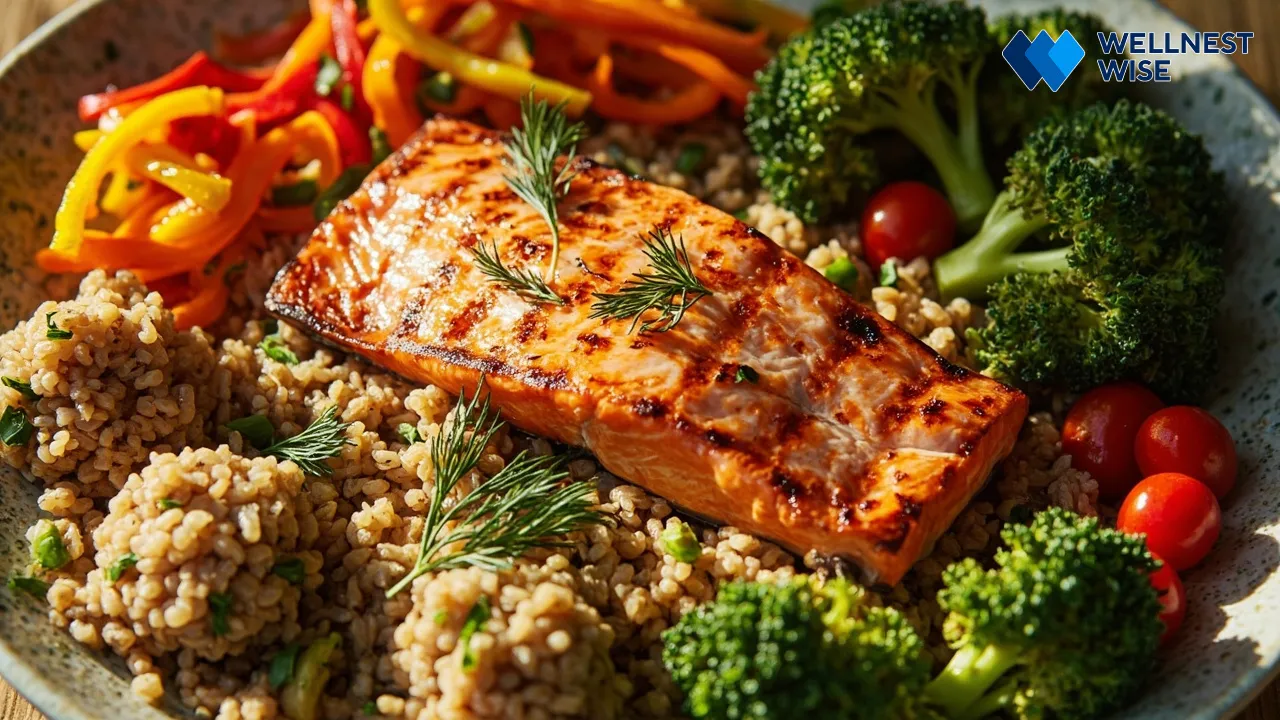
Protein is thermogenic, meaning it requires more energy to digest, and it is crucial for preserving lean muscle mass during fat loss. High fiber intake (found in vegetables, fruits, and legumes) is perhaps the single most powerful tool for improving Insulin Sensitivity. Fiber slows down the absorption of sugars and feeds beneficial gut bacteria, which can positively influence hormone signaling (like Adiponectin, a fat-burning hormone). Aim for 25–35 grams of fiber per day.
The Critical Role of Healthy Fats (Monounsaturated and Omega-3s) in Reducing Inflammation
Contrary to decades of bad advice, healthy fats do not make you fat. They are essential for hormone production and reducing systemic inflammation, a primary driver of visceral fat storage. Focus on sources rich in monounsaturated fats (avocados, olives, olive oil, nuts) and Omega-3 fatty acids (fatty fish like salmon, sardines, and walnuts). Omega-3s are clinically proven to help reduce inflammation and may slightly reduce abdominal fat accumulation when paired with a healthy overall diet.
Carbohydrate Timing and Quality: Managing Glycemic Load
Instead of eliminating carbohydrates entirely, focus on managing the glycemic load—how quickly a food converts to sugar. Eating the right carbohydrates post-workout can actually aid muscle recovery and nutrient absorption, while high-fiber carbs consumed throughout the day help maintain stable blood sugar levels, reducing insulin spikes.
Selecting Whole Grains and Complex Carbohydrates Over Refined Alternatives
Always choose complex, whole sources over refined flour products. Good choices include oats, quinoa, barley, brown rice, and legumes. These provide sustained energy and large amounts of fiber, minimizing the rapid insulin response that promotes fat storage. Avoid the trap of “low-fat” products that often compensate for flavor by adding sugar and refined starch.
Foods to Minimize: The Impact of Refined Sugars and Processed Oils
Certain ingredients actively impair metabolic health and encourage the central deposition of fat. Minimizing these is the fastest way to improve Insulin Sensitivity and reduce liver stress.
- Added Sugars and High-Fructose Corn Syrup: Found primarily in sodas, fruit juices, packaged cereals, desserts, and sweetened coffee drinks. Fructose is metabolized directly by the liver, contributing significantly to visceral fat storage and potentially non-alcoholic fatty liver disease (NAFLD).
- Ultra-Processed Snacks: Chips, crackers, and packaged baked goods that are low in fiber and high in refined starch.
- Artificial Trans Fats: Often listed as “partially hydrogenated oils,” these are strongly linked to chronic inflammation and increased cardiac risk.
- Excessive Alcohol Consumption: Especially sugar-laden cocktails and beer, which provide large amounts of empty calories and dramatically impair the liver’s ability to metabolize fats.
Physical Activity: Moving Beyond Crunches for a Smaller Waistline
While exercise is vital for creating an overall energy deficit and improving Insulin Sensitivity, the type of activity matters profoundly when targeting abdominal fat. Forget endless sit-ups. The most effective workouts are those that build muscle mass and trigger significant metabolic shifts across the entire body, leading to systemic fat loss.

High-Intensity Interval Training (HIIT) vs. Steady-State Cardio for Fat Oxidation
Both types of cardio play a role, but for sheer efficiency in burning calories and improving metabolic flexibility, HIIT often wins. HIIT involves short bursts of near-maximum effort followed by brief recovery periods. This training style creates a larger “afterburn” effect (Excess Post-exercise Oxygen Consumption, or EPOC), boosting your metabolism long after you finish exercising. Steady-state cardio (like long, brisk walks) is still invaluable for managing stress and avoiding the Cortisol spike that can come from overtraining, making it a great daily addition.
Why Resistance and Strength Training is Essential for Metabolic Health and Body Composition
Muscle is metabolically expensive—it burns more calories at rest than fat tissue. Building lean muscle mass through resistance training (lifting weights, using resistance bands, or bodyweight exercises) is the most powerful long-term strategy for increasing your resting metabolic rate. Furthermore, resistance training enhances glucose uptake by muscles, making your cells more responsive to insulin and directly attacking the hormonal drivers of visceral fat.
Targeted Core Activation: Improving Posture and Abdominal Tone (Not Fat Loss)
Crunches and sit-ups should be viewed as exercises to strengthen the muscles underneath the fat, improving posture and protecting the spine—not as a means to burn fat. While they improve tone, they do not preferentially mobilize fat from the abdominal region.
Effective Exercises for Engaging Deep Stabilizer Muscles
Focus on compound movements and exercises that engage the deep stabilizing muscles of the core, known as the transverse abdominis. These movements improve functional strength and the appearance of a flatter abdomen by teaching you to hold your body correctly. Excellent choices include planks (all variations), bird-dogs, farmer’s carries (walking while holding heavy dumbbells), and kettlebell swings.
Addressing Side Fat (Flank Fat): The Importance of Overall Energy Deficit
The fat stored on your sides, often called “love handles,” is typically a mixture of subcutaneous and some visceral fat, depending on severity. Just like belly fat, this side fat cannot be “wished away” with side bends or rotational movements. It responds best to the overall strategy: achieving a consistent, moderate energy deficit coupled with the hormonal balancing acts provided by resistance training and proper nutrition.
Holistic Lifestyle Changes for Long-Term Abdominal Fat Management
You can eat perfectly and exercise daily, but if you neglect the foundational pillars of health—sleep and stress management—your body will continue to protect its energy reserves by storing fat centrally, thanks to Cortisol. These lifestyle tweaks are often the missing link in achieving a truly reduced waistline.

Optimizing Sleep Hygiene to Lower Evening Cortisol and Manage Appetite Hormones
Sleep is when your body repairs, regulates, and resets hormones. Lack of quality sleep (less than 7 hours) increases daytime Cortisol and throws key appetite hormones (ghrelin, which stimulates hunger, and leptin, which signals fullness) into chaos. Aim for a cool, dark room, limit screen time an hour before bed, and try to maintain a consistent sleep and wake schedule, even on weekends. This simple consistency can drastically reduce the hormonal drive to store visceral fat.
Effective Stress Mitigation Techniques for Reducing Central Fat Accumulation
Chronic stress acts as a persistent metabolic block. If you are constantly in “fight or flight” mode, your body prioritizes survival, meaning it holds onto energy reserves. Finding sustainable ways to mitigate stress is vital for lowering chronic cortisol levels.
Mindfulness, Breathwork, and Connecting with Community
Specific techniques, like diaphragmatic breathing exercises or a few minutes of daily meditation, can signal the parasympathetic nervous system (rest and digest) to activate. Furthermore, maintaining strong social bonds and connecting with community has measurable positive effects on stress response and overall longevity. Schedule dedicated time for hobbies, relaxation, and genuine human connection.
Hydration and Electrolytes: Supporting Metabolism and Reducing Bloating
Water plays a role in nearly every metabolic process, including fat burning. Being adequately hydrated supports kidney function and helps flush out metabolic waste. While not a direct fat burner, drinking enough water throughout the day can significantly reduce bloating and water retention, sometimes providing a visual slimming effect to the abdomen, and ensures optimal function for your body’s fat-burning machinery.
Creating a Personalized Action Plan and Tracking Progress
Fat loss can be highly nonlinear, leading to frustration if you rely solely on the scale. To maintain motivation and ensure your hard work is impacting that critical visceral fat, it is essential to track objective health markers beyond simple weight, focusing instead on circumference measurements and sustained behavioral changes.

Realistic Goal Setting and the Sustainable Rate of Healthy Fat Loss
Sustainable fat loss, which is essential for keeping the weight off and targeting visceral fat, typically occurs at a rate of 0.5 to 1 kilogram (1–2 pounds) per week. Aggressive, rapid weight loss usually results in muscle loss and rebound weight gain. Set process goals (e.g., “I will exercise three times this week” or “I will eat protein and fiber at every meal”) rather than just outcome goals (e.g., “I will lose 5 kg”).
Measuring Success Beyond the Scale: Waist Circumference and Health Markers
Since muscle weighs more than fat, the scale can be misleading. Tracking your waist circumference is the most objective and health-relevant metric for monitoring abdominal fat reduction. Measure your waist midway between the lowest rib and the top of the hip bone.
| Health Risk Category | Men (WHO/Clinical Cutoff) | Women (WHO/Clinical Cutoff) | Significance |
|---|---|---|---|
| :— | :— | :— | :— |
| Low Risk | Below 94 cm (37 inches) | Below 80 cm (31.5 inches) | Optimal cardiometabolic health. |
| High Risk | 94–102 cm (37–40 inches) | 80–88 cm (31.5–34.6 inches) | Increased risk of Type 2 Diabetes and Cardiovascular Disease. |
| Very High Risk | Above 102 cm (40 inches) | Above 88 cm (34.6 inches) | Immediate need for intervention due to high visceral fat load. |
When to Consult a Specialist: Understanding Persistent Abdominal Weight Gain
If you have diligently implemented these strategies for several months and still see no reduction in your waist circumference or weight, it may be time to consult a healthcare professional, such as an endocrinologist or specialized dietitian. Persistent central weight gain can sometimes signal underlying issues like thyroid dysfunction, Polycystic Ovary Syndrome (PCOS), or severe, unmanaged Cortisol imbalances that require medical intervention.
Conclusion & Takeaways
Losing stubborn belly and side fat requires a focused strategy that moves beyond simplistic calorie counting and endless crunches. The true battle against visceral fat is won through hormonal balance—optimizing Insulin Sensitivity through diet quality and reducing chronic Cortisol exposure through stress management and superior sleep. By prioritizing whole foods, resistance training, and consistent lifestyle changes, you stop battling your body and start working with its natural metabolic rhythms, achieving sustainable results that dramatically improve your overall health. Start small, be consistent, and track your circumference—your body will thank you.
FAQ
Practical, scientific Q&A
Does intermittent fasting help with visceral fat loss?
Yes, intermittent fasting (IF), particularly time-restricted eating, can be highly effective for reducing visceral fat because it provides extended periods during which insulin levels are low. This prolonged fasting window improves Insulin Sensitivity and forces the body to switch from burning glucose to burning stored fat. However, IF must be practiced sustainably and should not be combined with extreme caloric restriction.
Can supplements help me lose belly fat faster?
While no supplement is a magic bullet, certain compounds support the foundational processes necessary for fat loss. Magnesium and berberine may help improve Insulin Sensitivity, and Omega-3 fatty acids (DHA/EPA) help reduce inflammation. Stress-reducing adaptogens like ashwagandha may help modulate Cortisol levels. Always discuss new supplements with a doctor, especially if you have pre-existing conditions.
Is cycling effective for reducing abdominal fat?
Cycling is an excellent form of aerobic exercise that contributes significantly to overall energy expenditure and cardiovascular health, which is critical for systemic fat loss. Since fat loss is systemic, consistent cycling helps reduce fat from all areas, including the abdomen. Pairing cycling with resistance training will yield the best results for body composition and Metabolic Syndrome prevention.