Imagine a shield protecting your most vital assets from unseen daily threats. That’s essentially what Vitamin E does for your body, a powerful antioxidant working tirelessly at a cellular level. Often celebrated for its role in skin health, its benefits extend far beyond surface beauty, touching everything from a robust immune system to a healthy heart. Join us as we explore the scientific backing and practical ways to harness this essential nutrient for long-term vitality and undeniable radiance.
Understanding Vitamin E: Your Cellular Guardian
Every day, our cells face an onslaught from environmental factors and metabolic processes that can lead to damage. This is where Vitamin E steps in, acting as a crucial defense mechanism. It’s not just a single compound but a family of fat-soluble vitamins, each playing a vital role in protecting your body from within.
(تصویر پیشنهادی : A microscopic, stylized illustration depicting robust cell membranes being shielded by tiny, glowing shields, while jagged, dark “free radical” particles are deflected away. The background is a soft, scientific blue-green gradient, suggesting protection and vitality. – Microscopic view of cells protected by Vitamin E from free radicals. – vitamin-e-cellular-protection)
What is Vitamin E? A Vital Fat-Soluble Nutrient
At its core, Vitamin E is a group of eight fat-soluble compounds, primarily known for their potent antioxidant properties. These compounds are essential micronutrients, meaning your body can’t produce them on its own, so you must obtain them through diet. Being fat-soluble, Vitamin E is absorbed with fats and stored in the body’s fatty tissues, ready to deploy its protective powers. It’s truly a cornerstone for maintaining healthy cells and tissues throughout your system.
The Science Behind its Antioxidant Action: Neutralizing Free Radicals
The magic of Vitamin E lies in its ability to combat free radicals. These unstable molecules, generated by normal bodily processes, stress, and environmental toxins, can cause oxidative stress, leading to cellular damage. This damage is implicated in aging and various chronic diseases. Vitamin E, particularly alpha-tocopherol, bravely donates an electron to these free radicals, neutralizing them and preventing them from harming cell membranes, DNA, and proteins [NIH]. This fundamental protective role makes it an indispensable component of cellular health.
Different Forms of Vitamin E: Tocopherols vs. Tocotrienols
When we talk about Vitamin E, we’re actually referring to two main groups: tocopherols and tocotrienols. Each group contains four distinct forms: alpha, beta, gamma, and delta. While alpha-tocopherol is the most biologically active form in humans and is what’s typically measured for the Recommended Dietary Allowance (RDA) [NIH], all eight forms possess antioxidant properties. Tocotrienols, though less common in supplements, are gaining attention for their unique health benefits, especially in areas like cardiovascular support and neuroprotection, due to their slightly different chemical structures and cellular interactions.
Unveiling the Diverse Health Benefits of Vitamin E
Beyond its primary role as a cellular protector, Vitamin E influences numerous bodily functions, contributing to overall well-being in remarkable ways. From the visible radiance of your skin to the unseen strength of your immune system, this nutrient is a quiet powerhouse, working behind the scenes to keep you healthy and vibrant.

Vitamin E for Radiant Skin: Beyond Surface Beauty
When it comes to skin, Vitamin E benefits are widely recognized. It’s a common ingredient in many skincare products, but its true power shines from within. Adequate intake contributes to your skin’s health and appearance by supporting its natural protective barriers and combating damaging elements, helping you achieve that healthy glow.
Protecting Skin from Environmental Damage and Oxidative Stress
Our skin is constantly exposed to environmental aggressors like UV radiation and pollution, which generate free radicals and lead to oxidative stress. Vitamin E acts as a crucial defense, helping to neutralize these harmful agents and mitigate their damaging effects. By reducing lipid peroxidation – the damage to fats in skin cell membranes – it helps keep your skin resilient and looking youthful. This protection is a key factor in preventing premature skin aging.
Supporting Skin Barrier Function and Hydration
Beyond antioxidant protection, Vitamin E plays a role in maintaining the integrity of your skin’s barrier. A healthy skin barrier is essential for retaining moisture, preventing dryness, and protecting against irritants. By supporting this barrier, Vitamin E helps keep your skin hydrated and smooth. For years, I struggled with dry and irritated skin, especially during winter months. After consulting a dermatologist, I started incorporating Vitamin E-rich foods such as almonds and sunflower seeds into my daily diet, along with occasional topical Vitamin E oil. Over a few months, I noticed a significant improvement in skin hydration and texture. The persistent redness and flakiness diminished, making my skin feel healthier and more resilient.
Boosting Your Immune System: Vitamin E’s Role in Cellular Defense
A robust immune system is your body’s first line of defense against infections and illnesses. Vitamin E plays a significant role here, particularly in older adults, by enhancing immune cell function. It helps protect immune cells, like lymphocytes, from oxidative damage, allowing them to effectively identify and destroy pathogens. This improved cellular defense contributes to a stronger, more efficient immune response, keeping you healthier throughout the year.
Cardiovascular Health: Supporting a Strong Heart and Blood Vessels
The heart is a hardworking organ, and Vitamin E offers valuable support. Its antioxidant properties help protect low-density lipoprotein (LDL) cholesterol from oxidation, a process that is a key step in the development of atherosclerosis, or hardening of the arteries. While studies on supplementation have shown mixed results, consuming Vitamin E through natural food sources is consistently associated with better cardiovascular health outcomes and a reduced risk of heart disease [NCBI]. It contributes to maintaining the elasticity of blood vessels and supporting healthy blood flow.
Eye Health: Safeguarding Vision from Age-Related Degeneration
Our eyes are particularly susceptible to oxidative damage from light exposure and aging. Vitamin E, along with other antioxidants, is thought to play a protective role, especially in preventing or slowing the progression of age-related macular degeneration (AMD) and cataracts. It works by shielding the delicate cells in the eyes from free radical damage, contributing to long-term eye health and potentially preserving sharp vision as you age.
Cellular Protection: Reducing Systemic Oxidative Stress and Inflammation
At a foundational level, Vitamin E is instrumental in reducing systemic oxidative stress and inflammation throughout the body. By neutralizing free radicals wherever they occur, it prevents widespread cellular damage that can lead to chronic inflammation. This deep-seated protection is crucial for the health of all organs and tissues, underpinning overall longevity and reducing the risk of numerous chronic conditions. It truly acts as a silent guardian for your entire cellular landscape.
Harnessing Vitamin E Through Optimal Dietary Sources
While Vitamin E supplements are available, the most effective and recommended way to ensure adequate intake is through a balanced diet rich in natural food sources. Integrating these foods into your daily meals not only provides Vitamin E but also a host of other beneficial nutrients, creating a synergistic effect for optimal health.
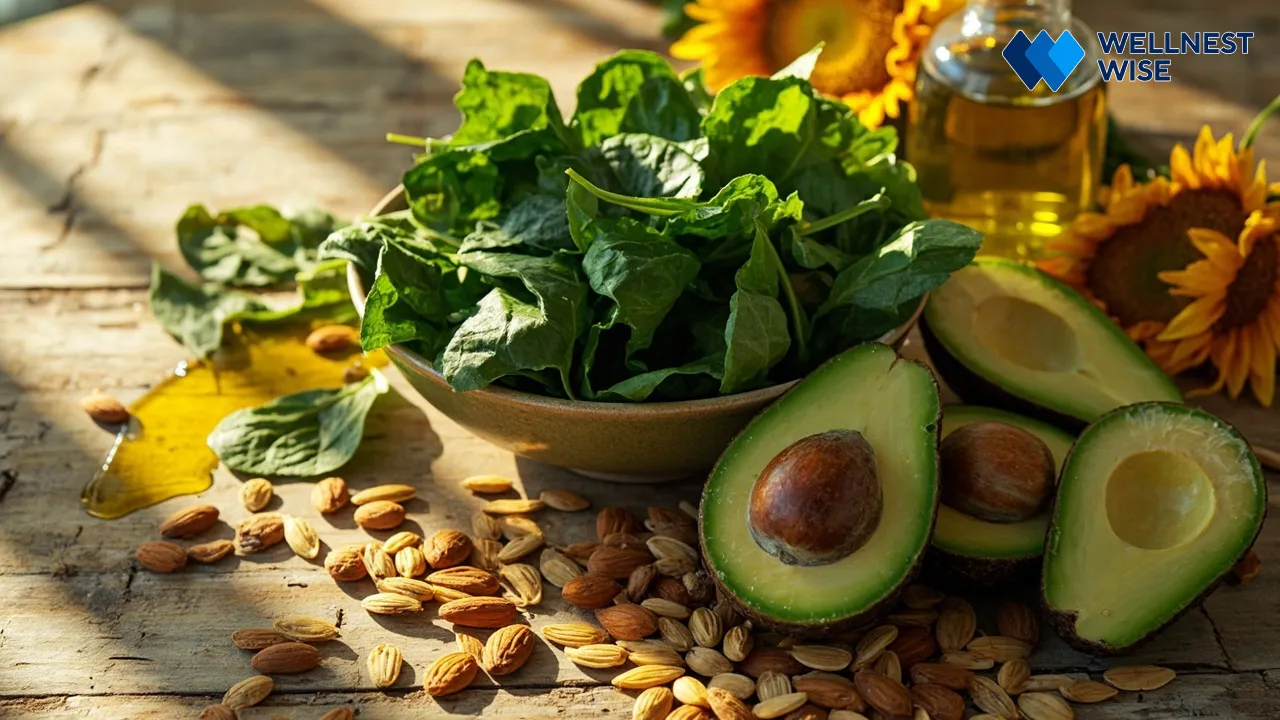
Top Natural Food Sources Rich in Vitamin E
Discovering which foods pack the most Vitamin E is the first step toward a nutrient-rich diet. Many delicious and readily available options can help you meet your daily requirements.
| Food Item | Key Vitamin E Form (e.g., alpha-tocopherol) | Typical Serving Size | Approximate Vitamin E Content (mg) |
|---|---|---|---|
| :—————— | :—————————————— | :——————- | :——————————— |
| Sunflower Seeds | Alpha-tocopherol | 1/4 cup | 7.4 |
| Almonds | Alpha-tocopherol | 1 ounce (23 almonds) | 6.8 |
| Spinach | Alpha-tocopherol | 1/2 cup cooked | 1.9 |
| Avocado | Alpha-tocopherol | 1/2 medium | 2.1 |
| Olive Oil | Alpha-tocopherol | 1 tablespoon | 1.9 |
| Wheat Germ Oil | Alpha-tocopherol | 1 tablespoon | 20.3 |
| Hazelnuts | Alpha-tocopherol | 1 ounce | 4.3 |
| Peanuts | Alpha-tocopherol | 1 ounce | 2.4 |
| Broccoli | Alpha-tocopherol | 1/2 cup cooked | 1.2 |
Incorporating Vitamin E into Your Daily Meals: Practical Tips
Making Vitamin E a staple in your diet is easier than you might think. Small adjustments to your eating habits can make a big difference:
- Add nuts and seeds to your morning oatmeal, yogurt, or salads for a quick and nutritious boost. Sunflower seeds and almonds are excellent choices.
- Use nutrient-dense vegetable oils like olive oil, sunflower oil, or wheat germ oil for cooking, baking, and salad dressings. Remember to store oils properly to prevent oxidation.
- Snack smartly on a handful of almonds or hazelnuts instead of processed treats.
- Integrate leafy greens like spinach and kale into main dishes, smoothies, or omelets.
- Enjoy avocados in sandwiches, salads, or as a creamy base for dips.
- Don’t forget broccoli, a versatile vegetable that can be steamed, roasted, or added to stir-fries.
Maximizing Absorption: Pairing Vitamin E with Healthy Fats
Since Vitamin E is fat-soluble, its absorption is significantly enhanced when consumed with dietary fats. This means that having your spinach salad with an olive oil dressing, or snacking on almonds, isn’t just tasty – it’s smart nutrition. The healthy fats help transport Vitamin E from your digestive tract into your bloodstream, making sure your body can fully utilize this valuable antioxidant. Don’t be shy about adding a little avocado to your meals!
Navigating Vitamin E Supplementation: When and How
While food sources are generally preferred, there are instances when Vitamin E supplementation might be considered. However, it’s crucial to approach supplements with caution and informed decision-making, always under the guidance of a healthcare professional.
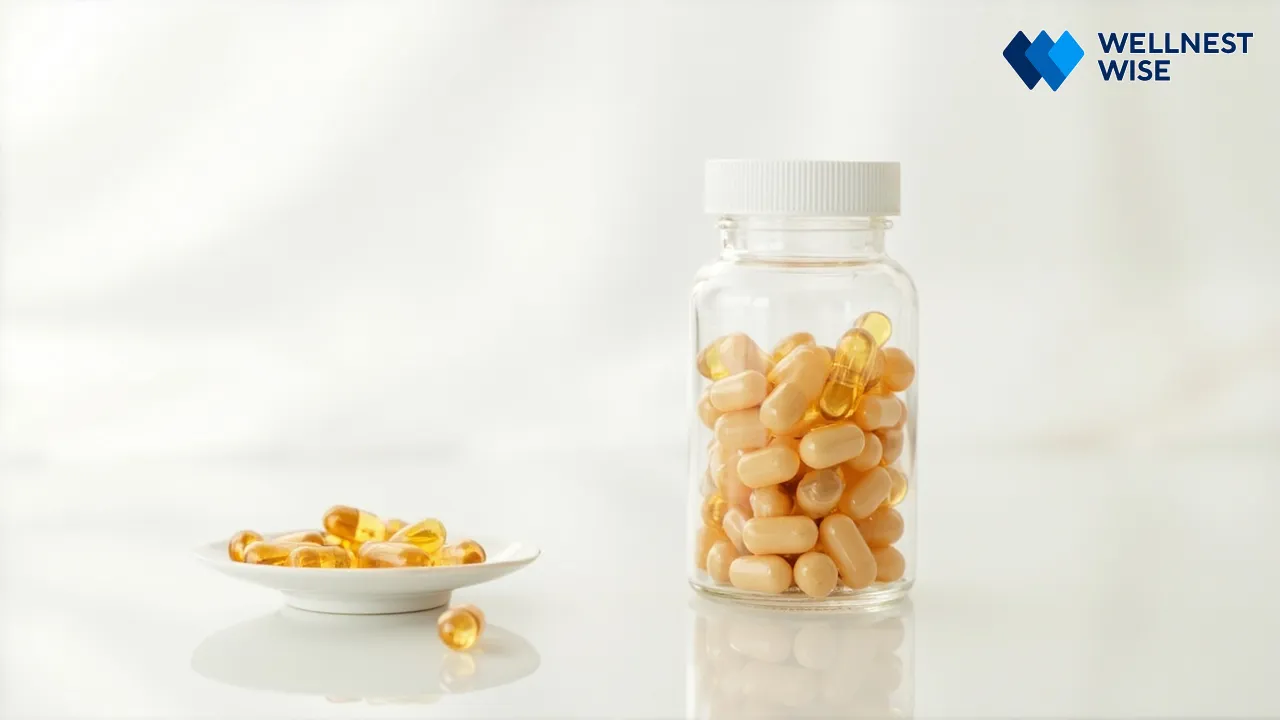
When Might a Vitamin E Supplement Be Considered?
Most healthy adults can meet their Vitamin E needs through diet alone. However, individuals with certain medical conditions, such as fat malabsorption disorders (e.g., cystic fibrosis, Crohn’s disease, or some liver diseases), may struggle to absorb enough from food and could develop a deficiency [CDC]. In these cases, a supplement might be recommended by a doctor. Additionally, some specific research contexts or very targeted therapeutic uses might call for supplementation, but this should never be self-prescribed.
Choosing the Right Supplement: Natural vs. Synthetic Alpha-Tocopherol
When selecting a Vitamin E supplement, you’ll often encounter “natural” (d-alpha-tocopherol) and “synthetic” (dl-alpha-tocopherol) forms. The natural form is generally considered more potent and better absorbed by the body. The label will typically indicate “d-alpha-tocopherol” for natural sources and “dl-alpha-tocopherol” for synthetic ones. Look for reputable brands and ensure the supplement primarily contains alpha-tocopherol, as it’s the most biologically active form for humans, aligning with the RDA [NIH].
Recommended Dosages and Important Safety Considerations
The Recommended Dietary Allowance (RDA) for Vitamin E in adults is 15 mg (22.4 IU) daily [NIH]. This level is usually achievable through a balanced diet. For supplementation, it’s critical to stick to recommended dosages and avoid high doses, which can be risky. The tolerable upper intake level (UL) for adults is 1,000 mg (1,500 IU) per day, but exceeding this can lead to adverse effects [NIH]. Always consult a healthcare provider before starting any supplement, especially if you have existing health conditions or are taking medications.
Potential Interactions and Contraindications with Medications
High doses of Vitamin E can interact negatively with certain medications, particularly blood thinners like warfarin, increasing the risk of bleeding [NIH]. It can also interfere with lipid-lowering drugs and other antioxidants. If you are on any medication, it is absolutely essential to discuss Vitamin E supplementation with your doctor to prevent potentially serious complications and ensure your safety.
Expert Insight: “The Recommended Dietary Allowance (RDA) for Vitamin E in adults is 15 mg (22.4 IU) daily, based primarily on alpha-tocopherol activity [NIH]. While Vitamin E reduces oxidative stress by neutralizing free radicals [NCBI], excess supplementation (>1000 mg/day) can increase bleeding risk by antagonizing Vitamin K, hence caution is advised [NIH]. This personal experience aligns with Vitamin E’s reputed function in supporting skin repair and reducing oxidative stress. It also highlighted for me the importance of obtaining nutrients through natural food sources rather than relying solely on supplements, which my doctor had warned could cause imbalances if not carefully managed.”
Recognizing Deficiency and Avoiding Excess: A Balanced Approach to Vitamin E
Like many essential nutrients, the key to optimizing Vitamin E benefits lies in finding the right balance. Both too little and too much can lead to health concerns, underscoring the importance of a thoughtful and informed approach to your intake.
Signs and Symptoms of Vitamin E Deficiency: What to Look For
Vitamin E deficiency is rare in healthy individuals, as it’s widely available in many foods. However, it can occur in people with conditions that impair fat absorption. Signs to look for include neurological problems like difficulty with coordination and walking (ataxia), muscle weakness (myopathy), visual disturbances, and an impaired immune response [CDC]. If you suspect a deficiency, it’s crucial to consult a medical professional for proper diagnosis and treatment.
Risks of Excessive Vitamin E Intake: Understanding Potential Adverse Effects
While Vitamin E is generally safe at recommended dietary levels, high-dose supplementation can carry risks. The most significant concern is an increased risk of bleeding, especially for individuals taking anticoagulant medications [NIH]. Other potential adverse effects include nausea, diarrhea, stomach cramps, fatigue, and headache. It’s important to remember that more is not always better when it comes to vitamins, and exceeding the tolerable upper intake level of 1,000 mg per day for alpha-tocopherol is not advised.
The Importance of a Balanced Diet Over High-Dose Supplements
The most effective and safest way to benefit from Vitamin E is through a balanced diet rich in natural, whole foods. This approach provides the nutrient in its natural complex with other vitamins, minerals, and antioxidants, creating a synergistic effect that cannot be replicated by isolated high-dose supplements. Focusing on a diet that includes a variety of Vitamin E food sources supports overall health and helps prevent both deficiency and the risks associated with excessive intake.
Embracing a Holistic Lifestyle for Optimal Vitamin E Benefits
Integrating Vitamin E into a broader holistic health strategy can amplify its positive effects, contributing to long-term vitality and an age-defying impact. It’s about more than just one nutrient; it’s about a complete picture of well-being that truly empowers your health journey.

Synergistic Effects: Vitamin E with Other Antioxidants and Nutrients
Vitamin E doesn’t work in isolation; it thrives in synergy with other antioxidants and nutrients. For instance, Vitamin C helps regenerate the antioxidant form of Vitamin E, extending its protective lifespan. Similarly, minerals like selenium are crucial for antioxidant enzyme systems that complement Vitamin E’s action. A diet rich in a variety of fruits, vegetables, nuts, and seeds ensures you’re getting a full spectrum of these protective compounds, leading to a more robust free radical protection network within your body.
Long-Term Cellular Vitality and Age-Defying Impact
By consistently protecting your cells from oxidative stress and damage, Vitamin E plays a significant role in promoting long-term cellular vitality. This sustained cellular health translates into an age-defying impact, not just on your skin, but on the functional integrity of your organs and overall well-being. It’s about maintaining the youthful resilience of your cells, allowing your body to function optimally for years to come and potentially slowing down the cellular aging process.
Empowering Your Health Journey with Informed Choices
Understanding the nuances of Vitamin E empowers you to make informed decisions about your diet and lifestyle. From choosing the right Vitamin E food sources to knowing when and how to consider supplementation, every choice contributes to your health journey. By prioritizing a balanced, whole-food diet and consulting healthcare professionals when needed, you harness the full potential of this incredible nutrient to support your health, radiance, and longevity.
Conclusion & Takeaways
Vitamin E is far more than just a skin vitamin; it’s a critical antioxidant that acts as your body’s cellular guardian, protecting against oxidative stress and supporting a myriad of vital functions. From enhancing skin health and boosting the immune system to safeguarding cardiovascular health and promoting cellular vitality, its benefits are truly comprehensive. The best way to embrace these advantages is through a diet rich in natural Vitamin E food sources like nuts, seeds, and leafy greens. While supplements have their place for specific needs, always prioritize whole foods and consult with a healthcare professional to ensure safe and effective intake. Empower yourself with informed choices, and let Vitamin E unlock a new level of health and radiance for you.
FAQ
Practical, scientific Q&A
Q1: What are the most significant health benefits of adequate Vitamin E intake?
A1: Adequate Vitamin E intake offers several significant health benefits, primarily due to its potent antioxidant properties. It protects cells from damage caused by free radicals and oxidative stress, which contributes to radiant skin health, a stronger immune system, and improved cardiovascular health. It also supports eye health and overall cellular vitality.
Q2: Which foods are the best natural sources of Vitamin E, and how can I incorporate them into my diet?
A2: Top natural Vitamin E food sources include sunflower seeds, almonds, wheat germ oil, spinach, avocado, olive oil, and hazelnuts. You can easily incorporate them by adding nuts and seeds to salads or yogurts, using nutrient-dense vegetable oils for cooking, snacking on almonds, or adding leafy greens like spinach to your main dishes. Remember to pair them with healthy fats for optimal absorption.
Q3: When should I consider taking a Vitamin E supplement, and what are the potential risks or side effects?
A3: Most healthy individuals get enough Vitamin E from their diet. Supplementation might be considered only for those with specific medical conditions causing fat malabsorption, and always under a doctor’s guidance. Potential risks of excessive Vitamin E supplementation include an increased risk of bleeding, especially with blood-thinning medications, and gastrointestinal issues. Always adhere to recommended dosages and consult a healthcare provider.