Few herbs embody the wisdom of generations and the rigor of modern science quite like plantain, specifically Plantago major. For centuries, this common “weed” has been a quiet hero in traditional medicine, cherished for its remarkable ability to soothe the gut and heal the skin. Imagine a time before pharmacies, when a simple leaf could bring profound relief to a bee sting or calm an upset stomach. Today, scientific inquiry is revealing the powerful compounds within Plantago major that make these age-old remedies so effective. Dive in to uncover how this unassuming plant can become a valuable ally in your quest for natural wellness.
The Ancient Wisdom and Modern Science of Broadleaf Plantain (Plantago Major)
Often overlooked as a mere lawn intruder, broadleaf plantain (Plantago major) is, in fact, a powerhouse of natural medicine, bridging millennia of traditional knowledge with contemporary scientific understanding. This resilient herb has grown alongside humanity, offering its healing properties across diverse cultures, from Native American remedies to European folk medicine. Understanding its composition and historical significance unlocks a deeper appreciation for its place in holistic health.
What is Plantain (Plantago Major)? Unveiling Nature’s Resilient Healer
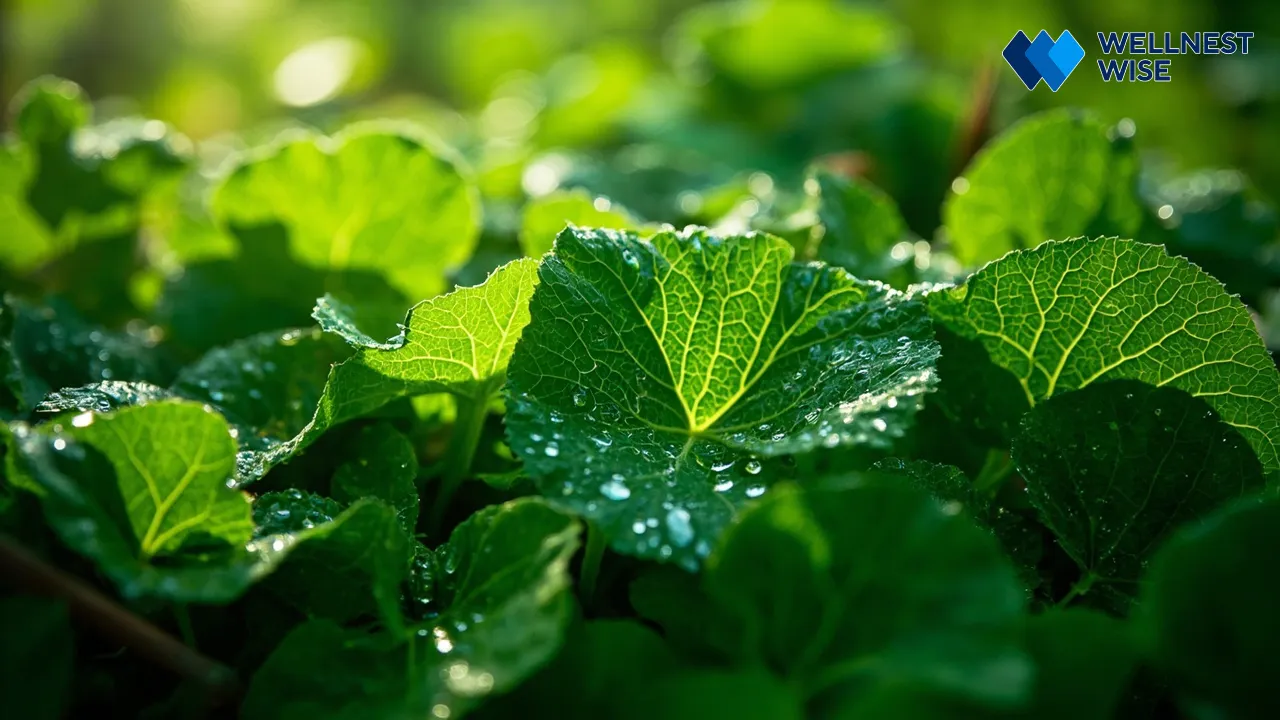
Plantain, or Plantago major, is a perennial herb renowned for its distinctive broad, oval leaves with prominent parallel veins. It’s truly a global citizen, thriving in temperate regions worldwide, often found in compacted soils along pathways, driveways, and gardens. Far from being just a common “weed,” Plantago major is a hardy and adaptable plant, rich in bioactive compounds that contribute to its extensive medicinal profile, making it an accessible natural remedy for countless individuals.
A Glimpse into Plantain’s Rich History in Traditional Herbal Medicine
The historical use of plantain is as expansive as its geographic spread. Ancient Greek physicians, Native American healers, and traditional Persian herbalists all recognized its potent healing properties. It was a staple for treating everything from snakebites and digestive ailments to respiratory issues and skin inflammations. For example, Native American tribes often used crushed plantain leaves as a poultice for insect stings, bites, and wounds, effectively stemming bleeding and reducing pain – a testament to its long-standing reputation as a natural first-aid kit.
Key Bioactive Compounds in Plantago Major: The Science Behind its Efficacy
The diverse therapeutic actions of Plantago major stem from its rich cocktail of phytochemicals. Modern science has isolated several key compounds responsible for its efficacy:
- Mucilage: These complex carbohydrates form a gel-like substance when wet, providing a soothing and protective layer for irritated tissues, particularly in the digestive and respiratory tracts. It’s the primary component behind plantain’s demulcent properties.
- Aucubin: A potent iridoid glycoside, aucubin is a key player in plantain’s anti-inflammatory and antimicrobial effects. Research suggests it can help combat bacterial growth and reduce swelling.
- Flavonoids: These powerful antioxidants (like apigenin and baicalein) found in plantain help protect cells from oxidative stress and contribute to its anti-inflammatory actions, supporting overall cellular health.
- Tannins: Known for their astringent properties, tannins help constrict tissues, reduce bleeding, and create a protective barrier, which is especially beneficial for wound healing and firming skin.
- Alkaloids: While present in smaller amounts, certain alkaloids may contribute to plantain’s analgesic (pain-relieving) and anti-inflammatory characteristics, though more research is ongoing in this area.
Plantain for Digestive Harmony: Soothing the Gut Naturally
Many people experience the occasional rumble, discomfort, or outright upset in their digestive system. It’s a common complaint, often stemming from diet, stress, or minor irritations. This is where plantain shines as a gentle yet effective ally. Its unique composition makes it particularly adept at calming and supporting the intricate workings of the gut, offering a natural path toward digestive comfort and balance.

The Role of Mucilage in Plantain: Calming Irritated Digestive Tracts
Imagine a natural balm for your insides. That’s essentially what the high content of mucilage in Plantago major provides. When ingested, this soluble fiber absorbs water, creating a soothing, gel-like substance that coats the mucous membranes of the digestive tract. This protective layer can help to calm inflammation, reduce irritation from gastric acids, and promote smoother passage of food, offering significant relief from conditions like acid reflux, gastritis, and general digestive upset.
Supporting Gut Lining Integrity and Microbiome Balance with Plantago Major
Beyond immediate soothing, plantain also plays a role in fostering a healthier gut environment long-term. The mucilage and other fibers act as prebiotics, feeding beneficial gut bacteria and thus promoting a balanced gut microbiome. A healthy microbiome is crucial for digestion, nutrient absorption, and even immune function. Furthermore, plantain’s anti-inflammatory compounds may help strengthen the integrity of the gut lining, a vital barrier against toxins and pathogens, which is especially important for preventing “leaky gut” syndrome.
How Plantain May Aid in Addressing Common Digestive Discomforts, Including Mild IBS Symptoms
For those grappling with digestive discomforts like constipation, mild diarrhea, or even symptoms associated with Irritable Bowel Syndrome (IBS), plantain can offer gentle support. Its bulk-forming mucilage can help regulate bowel movements, making stools softer and easier to pass in cases of constipation, or absorbing excess water to firm them up during mild diarrhea. The anti-inflammatory properties can also help alleviate the cramping and general irritation that often accompany conditions like mild IBS, promoting a greater sense of digestive harmony.
Exploring Plantain Tea Benefits for Internal Digestive Support
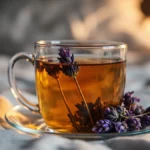
One of the simplest and most effective ways to harness plantain’s gut-soothing powers is through a warm plantain tea. A mild infusion can be consumed throughout the day to continuously bathe the digestive tract in its beneficial compounds. Many who experience chronic indigestion, mild heartburn, or a general feeling of internal irritation find that a daily cup of Plantago major tea helps maintain internal digestive support and comfort without harsh side effects. It’s a gentle, natural ritual that can make a noticeable difference.
Broadleaf Plantain for Skin and Wound Care: Topical Healing Applications
From a nagging mosquito bite to a minor kitchen mishap, our skin is constantly exposed to bumps and scrapes. Historically, before antiseptic creams were commonplace, people turned to readily available natural remedies. Broadleaf plantain, with its ubiquitous presence and powerful healing properties, emerged as a true champion for topical skin and wound care. Its ability to calm, cleanse, and regenerate makes it an invaluable addition to any natural first-aid kit.
Anti-inflammatory and Antimicrobial Actions for Skin Health
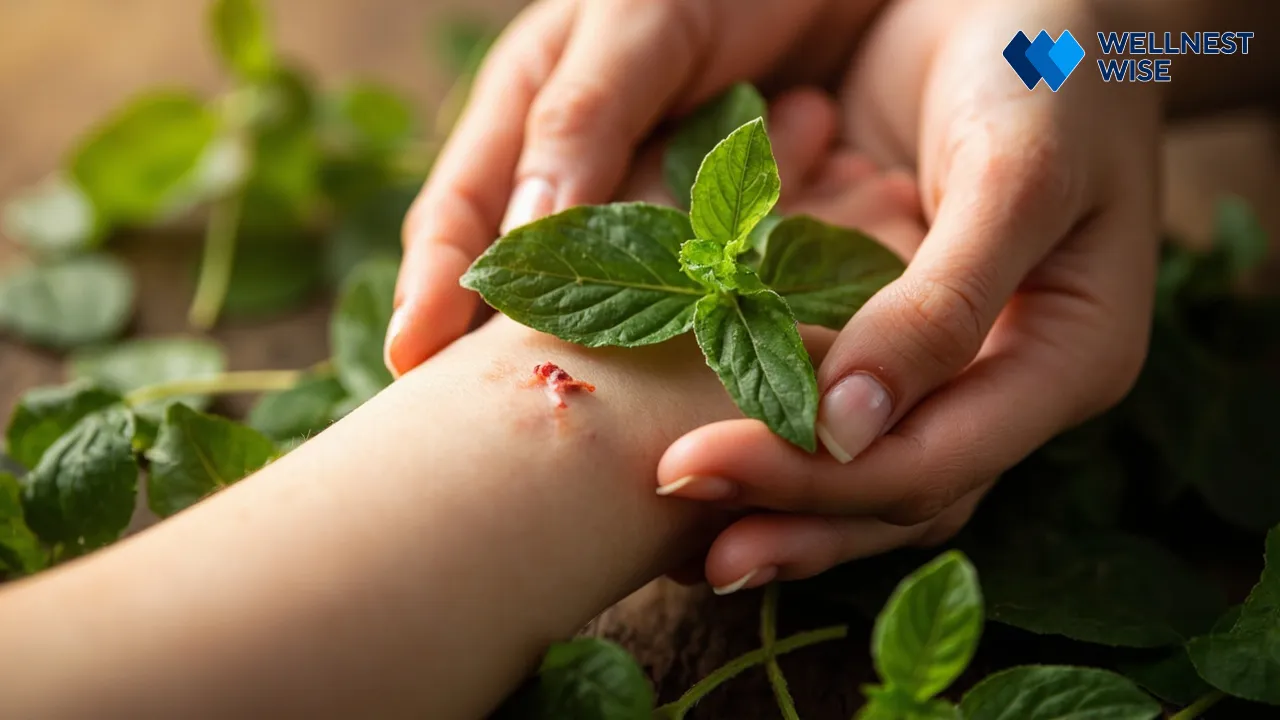
The same compounds that soothe the gut also work wonders on the skin. Plantain boasts strong anti-inflammatory properties, thanks to flavonoids and aucubin, which can significantly reduce redness, swelling, and pain from skin irritations. Furthermore, its antimicrobial actions help to cleanse minor wounds, preventing infection by inhibiting the growth of bacteria. This dual action is crucial for maintaining overall skin health and promoting a cleaner environment for healing.
Promoting Natural Wound Healing and Skin Regeneration
When it comes to cuts, scrapes, and abrasions, plantain is a natural accelerant for the body’s repair processes. The tannins in the leaves act as mild astringents, helping to stop minor bleeding and tighten tissue, while mucilage provides a protective barrier against external irritants. More importantly, scientific studies indicate that Plantago major can stimulate cell proliferation and tissue regeneration, effectively promoting faster and more efficient natural wound healing and minimizing scarring.
Practical Applications: Creating a Plantain Poultice for Bites, Stings, and Minor Wounds
One of the most immediate and satisfying uses of plantain is a simple poultice. If you’re out in nature and get a bug bite or minor cut, a fresh plantain leaf can be your best friend.
- Identify and Clean: Find a clean broadleaf plantain leaf, rinse it thoroughly, and pat it dry.
- Crush: Chew the leaf slightly or crush it between your fingers or with a clean rock until a moist pulp forms. This releases the beneficial compounds.
- Apply: Place the crushed leaf directly onto the bite, sting, or minor wound.
- Secure: Cover with a bandage or a piece of cloth to keep it in place for 15-30 minutes, or longer if needed.
This simple plantain poultice provides instant relief from itching and pain, reduces swelling, and helps cleanse the affected area.
Soothing Irritated Skin Conditions: From Rashes to Minor Burns
Beyond acute injuries, plantain can also be a gentle solution for chronic or widespread skin irritations. Its cooling and anti-inflammatory properties make it excellent for soothing conditions like contact dermatitis, poison ivy rashes, sunburns, and even minor burns. A infused oil or salve made from plantain can be applied regularly to calm irritated skin, reduce itchiness, and support the skin’s natural healing process, offering continuous relief and promoting healthy dermal recovery.
Unveiling Plantain’s Systemic Benefits: Inflammation and Respiratory Support
The reach of plantain extends beyond localized treatments for the gut and skin, offering profound systemic benefits that underscore its versatility as a holistic herb. Its anti-inflammatory prowess isn’t just skin-deep; it can influence the body internally. Moreover, traditional knowledge has long tapped into its ability to support the respiratory system, providing relief for common ailments. These broader applications solidify Plantago major‘s reputation as a comprehensive wellness aid.
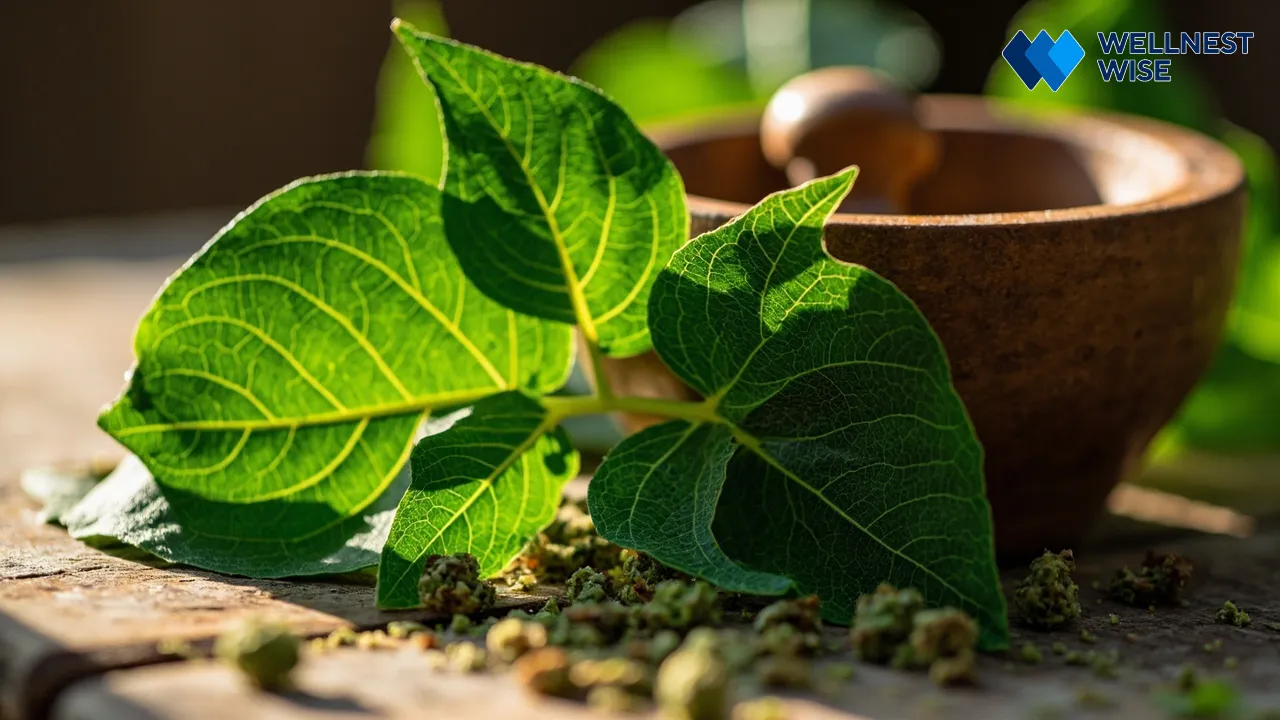
Targeting Inflammation: Plantago Major as a Natural Anti-Inflammatory Agent
Chronic inflammation is at the root of many modern diseases, making natural anti-inflammatory agents highly sought after. Plantago major delivers in this regard. Its rich composition of flavonoids, aucubin, and other compounds provides a powerful anti-inflammatory effect throughout the body. These compounds work by modulating inflammatory pathways, reducing the production of pro-inflammatory mediators. This systemic action means that regular internal use, perhaps as a tea or tincture, can contribute to reducing overall inflammation and supporting long-term health, not just for acute conditions.
Respiratory Health: Traditional Uses for Coughs and Bronchial Support
For generations, grandmothers and healers have reached for plantain to ease coughs, colds, and other respiratory discomforts. The mucilage, once again, plays a starring role here, forming a protective, soothing layer over irritated mucous membranes in the throat and bronchial tubes. This demulcent action helps to calm persistent coughs, reduce throat irritation, and may even act as a mild expectorant, helping to loosen and expel phlegm. It’s a gentle yet effective herbal remedy for both dry, irritating coughs and those associated with congestion, offering valuable bronchial support.
Potential Immune-Modulating Properties of Broadleaf Plantain
While often celebrated for its more immediate benefits, emerging research hints at broadleaf plantain’s intriguing immune-modulating properties. Some studies suggest that certain polysaccharides and other compounds within Plantago major might influence immune cell activity, potentially helping the body respond more effectively to challenges. While more comprehensive research is needed to fully understand these mechanisms, the traditional use of plantain for general wellness and recovery post-illness aligns with the idea that it offers a broader supportive role for the immune system.
Integrating Plantain into Your Wellness Routine: Practical Preparation and Usage
Embracing plantain in your daily wellness journey is simpler than you might think, especially once you understand how to identify, harvest, and prepare it safely. This resilient herb offers numerous ways to integrate its benefits, from a soothing tea to a potent salve. The key is to start with proper identification and learn the diverse methods of preparation to best suit your needs, turning nature’s free remedy into a valuable asset for your health.
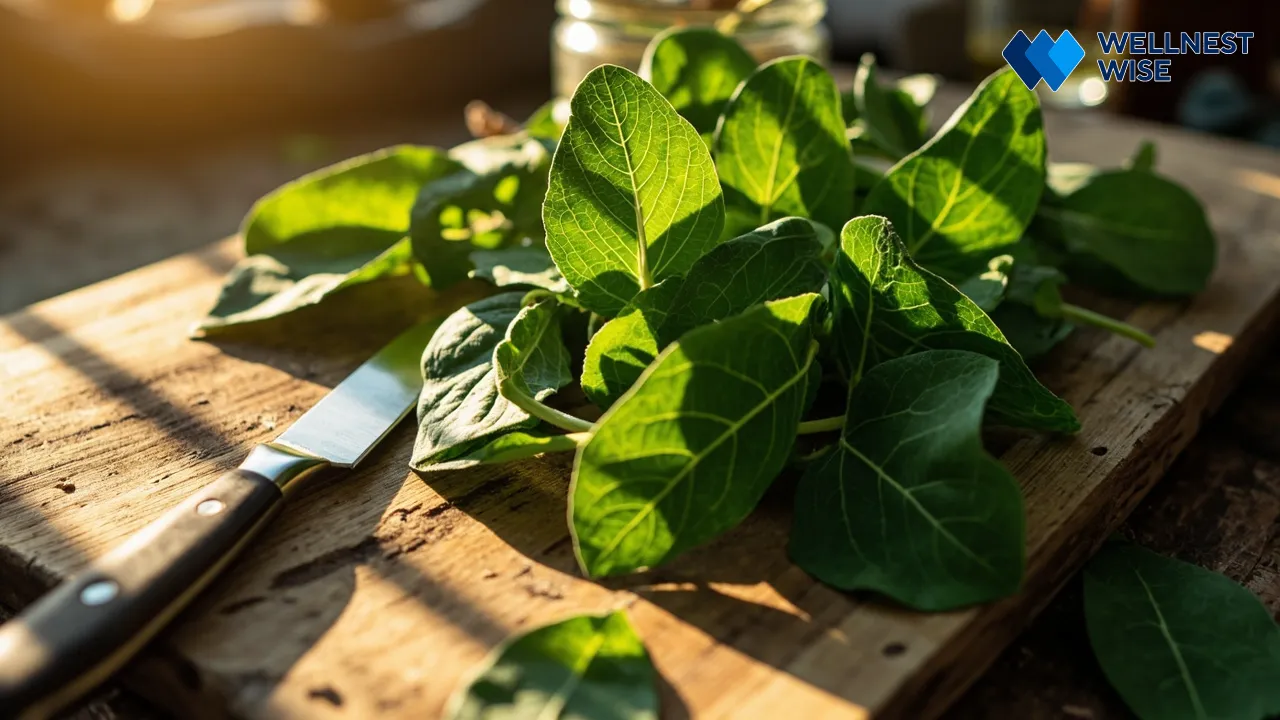
Harvesting and Identifying Plantain Leaves Safely and Sustainably
Before you can use plantain, you need to find it! It’s surprisingly common. Look for broad, oval-shaped leaves with distinct parallel veins running from the base to the tip. They often grow in a rosette pattern close to the ground.
- Identification: Ensure you are correctly identifying Plantago major and not a look-alike. The prominent parallel veins are a key characteristic.
- Location: Harvest from areas free from pesticides, herbicides, and heavy foot traffic (like roadsides or heavily sprayed lawns). Choose clean, vibrant green leaves.
- Sustainability: Only take a few leaves from each plant, allowing it to continue growing. The best time to harvest is usually in the spring and early summer before the plant flowers extensively.
Diverse Forms of Plantain Utilization: From Infusions to Tinctures
Plantain is incredibly versatile, allowing you to tailor its use to your specific needs. Here’s a look at common preparations:
| Preparation Method | Typical Preparation | Primary Uses | Key Advantages |
|---|---|---|---|
| :—————– | :———————————————————- | :————————————— | :————————————————————- |
| Tea/Infusion | Steep fresh or dried leaves in hot water (5-10 min) | Digestive issues, respiratory support | Gentle, easy to make, good for internal use |
| Poultice | Crush fresh leaves and apply directly to skin | Bites, stings, minor cuts, rashes | Immediate relief, direct application, highly effective topically |
| Tincture | Long-term alcohol extraction of fresh or dried leaves (weeks) | Systemic anti-inflammatory, immune support | Potent, long shelf-life, convenient for consistent dosing |
| Salve | Infuse leaves in oil, then combine with beeswax | Dry skin, persistent rashes, chafing | Moisturizing, protective barrier, great for chronic skin issues |
Crafting Your Own Plantain Tea for Internal Benefits
Making plantain tea is straightforward. For a gentle, soothing infusion perfect for internal benefits:
- Ingredients: About 1-2 teaspoons of dried plantain leaves, or 2-3 fresh medium-sized leaves, per 8 ounces of hot water.
- Preparation: Place the leaves in a mug. Pour freshly boiled water over them.
- Steep: Cover the mug to retain beneficial volatile compounds and steep for 5-10 minutes. For a stronger brew, steep longer.
- Strain & Enjoy: Strain out the leaves and drink warm. You can add a touch of honey if desired.
This tea is excellent for promoting digestive harmony and respiratory support.
Preparing and Applying a Fresh Plantain Poultice: A Step-by-Step Guide
As mentioned earlier, the plantain poultice is a fantastic first-aid solution. Here’s a more detailed step-by-step guide:
- Gather: Select 1-2 clean, vibrant green Plantago major leaves.
- Cleanse: Rinse the leaves thoroughly under cool water and gently pat them dry.
- Macerate: To release the plant’s juices, you can either:
- Chew: Lightly chew the leaves until they form a moist pulp (the traditional “spit poultice”).
- Crush: Use a clean mortar and pestle, or firmly roll and crush the leaves between your fingers or with the back of a spoon on a clean surface.
- Apply: Place the resulting green pulp directly onto the insect bite, sting, minor cut, or rash.
- Secure: Cover the poultice with a clean cloth or a bandage to keep it moist and in place.
- Duration: Leave on for at least 15-30 minutes, or even a few hours for deeper relief. Reapply a fresh poultice as needed.
Important Considerations: Safety, Precautions, and Responsible Use of Plantago Major
While Plantago major is generally considered safe and beneficial, especially in its traditional forms, like any natural remedy, it’s crucial to approach its use with awareness and responsibility. Understanding potential interactions, knowing when to seek professional medical advice, and ensuring the quality of your plantain source are all vital steps toward maximizing its benefits while minimizing risks. Your well-being should always be the priority.

Potential Interactions and Contraindications of Plantain
Despite its mild nature, plantain can have potential interactions or be contraindicated in specific situations:
- Blood Thinners: Due to its vitamin K content, Plantago major might, in theory, interfere with anticoagulant medications like Warfarin. If you are on blood thinners, consult your doctor before using plantain internally.
- Laxative Effect: While beneficial for constipation, large doses of plantain tea or supplements could potentially exacerbate diarrhea in sensitive individuals.
- Pregnancy/Breastfeeding: While traditionally used, always consult a healthcare professional before using any new herbal remedy during pregnancy or breastfeeding, as research on its effects in these populations is limited.
- Allergies: Though rare, some individuals might experience allergic reactions to plantain. Discontinue use if irritation occurs.
When to Consult a Healthcare Professional: Guidance for Serious Conditions
It’s paramount to remember that plantain is a supportive herbal remedy, not a substitute for professional medical care.
- Serious Wounds/Infections: For deep cuts, puncture wounds, animal bites, or signs of severe infection (e.g., pus, spreading redness, fever), seek immediate medical attention. Plantain is for minor topical issues.
- Chronic Digestive Issues: If you experience persistent severe abdominal pain, unexplained weight loss, blood in stool, or chronic severe diarrhea, consult a gastroenterologist. While plantain can help with mild IBS symptoms, underlying serious conditions require diagnosis and treatment by a doctor.
- Persistent Symptoms: If your condition doesn’t improve with plantain use within a reasonable timeframe, or if symptoms worsen, it’s time to see a healthcare professional.
Sourcing Quality Plantain: Ensuring Potency and Purity
The efficacy and safety of your plantain preparations depend heavily on their quality.
- Wild Harvesting: As discussed, ensure you harvest from clean, uncontaminated areas away from pollutants, pesticides, and heavy traffic. Always be 100% certain of your identification.
- Reputable Suppliers: If purchasing dried leaves, teas, tinctures, or salves, choose trusted sources that can verify the purity and organic nature of their products. Look for certifications that indicate rigorous testing for contaminants.
- Fresh vs. Dried: Both fresh and properly dried plantain retain their beneficial compounds. Store dried plantain in airtight containers away from light and heat to preserve its potency and purity.
Dosage Guidelines for Plantain Preparations: A General Overview
Dosage guidelines for herbal remedies can vary based on individual needs, the specific preparation, and the desired effect. The following is a general overview:
- Tea (Internal): For adults, 1-2 cups per day using 1-2 teaspoons of dried herb (or 2-3 fresh leaves) steeped for 5-10 minutes.
- Tincture (Internal): Typically 30-60 drops (1-2 ml), 2-3 times a day, but always follow the specific instructions on the product label as potency can vary greatly.
- Poultice/Salve (Topical): Apply as needed, ensuring the area is clean. Frequency depends on the condition and desired relief.
Always start with the lowest recommended dose and observe your body’s response. When in doubt, consult a qualified herbalist or healthcare practitioner for personalized advice, especially for therapeutic use.
Conclusion & Takeaways
From humble garden ‘weed’ to a celebrated natural remedy, plantain (Plantago major) truly stands out as nature’s quiet healer. We’ve journeyed through its rich history, unpacked the science behind its potent bioactive compounds like mucilage and aucubin, and explored its remarkable abilities to soothe digestive discomforts, promote wound healing on the skin, and offer systemic anti-inflammatory and respiratory support. Its accessibility and versatility make it an invaluable addition to any holistic wellness toolkit.
Remember, whether you’re crafting a soothing tea for your gut or a healing poultice for a minor scrape, the power of broadleaf plantain lies in its gentle yet effective support for your body’s natural healing processes. Always prioritize safe and responsible use, including proper identification and knowing when to consult a healthcare professional. Embrace this unassuming herb, and you might just discover a new, powerful ally in your pursuit of natural health and well-being. Start exploring the benefits of Plantago major today and reconnect with the simple wisdom of the natural world.
FAQ
Practical, scientific Q&A
Q1: What are the main differences between broadleaf plantain and narrowleaf plantain, and do they have the same benefits?
A1: While both are Plantago species, broadleaf plantain (Plantago major) has wide, oval leaves, whereas narrowleaf plantain (Plantago lanceolata) features long, slender, lance-shaped leaves. Scientifically, both share many similar bioactive compounds (like mucilage, aucubin, and flavonoids) and offer comparable healing benefits for digestive issues, skin wounds, and inflammation. However, Plantago major is generally more recognized and extensively studied for its demulcent and wound-healing properties due to often higher mucilage content.
Q2: Can plantain really help with insect bites and stings, and how quickly does it work?
A2: Yes, plantain is highly effective for insect bites and stings! Its anti-inflammatory compounds (like aucubin and flavonoids) rapidly reduce swelling, redness, and pain, while tannins act as astringents to draw out venom and toxins. Many users report immediate relief from itching and discomfort within minutes of applying a fresh, crushed plantain poultice. The speed of relief makes it a popular natural remedy for outdoor mishaps.
Q3: Is it safe to eat raw plantain leaves, and what is their nutritional value?
A3: Yes, raw plantain leaves are generally safe to eat and quite nutritious! They can be added to salads or smoothies. Nutritionally, Plantago major is rich in vitamins K, C, and A, as well as calcium and various minerals. They also provide dietary fiber, which contributes to its digestive health benefits. However, some people find raw leaves slightly bitter or fibrous; cooking can make them more palatable.
Q4: Are there any specific conditions where plantain should absolutely be avoided?
A4: While generally safe, plantain should be used with caution or avoided if you are taking blood-thinning medications (due to its Vitamin K content) or have a known allergy to plants in the Plantaginaceae family. It’s also advisable for pregnant or breastfeeding individuals to consult a healthcare professional before using plantain internally, as specific safety data is limited. For serious medical conditions, always prioritize professional medical advice.