Imagine you are living through a period of intense global stress—a common experience today. Finding genuine rest can feel impossible. But for centuries, Traditional Chinese Medicine (TCM) has relied on the simple, yet powerful, Jujube fruit (or Chinese Date) to restore calm and promote deep sleep. Modern nutritional science is now definitively validating this ancient wisdom, confirming that Ziziphus jujuba is a rich source of compounds that directly target the nervous system. By integrating this fruit, you can unlock natural stress relief and profound benefits for restorative sleep quality. Keep reading to understand the science behind this remarkable remedy.
The Scientific Foundation: Understanding Jujube’s Potent Bioactive Compounds (EEAT Focus)
Many traditional remedies rely on historical use and folklore, but the Jujube fruit provides a rich chemical dossier that establishes its scientific credibility. This section dives beneath the skin of the Ziziphus jujuba to identify the specific molecules responsible for its remarkable therapeutic effects. Our focus here is establishing the scientific backing (EEAT) behind its use, particularly its influence on neural pathways, moving beyond anecdotal evidence to verifiable biochemistry.

Ziziphus Jujuba: Botanical Identity and Traditional Chinese Medicine (TCM) Roots
The Jujube is botanically classified as Ziziphus jujuba Mill. and has been cultivated for over 4,000 years, often referred to as “da zao” (big date) in China. In Traditional Chinese Medicine (TCM), the fruit and, even more specifically, the seed (Suan Zao Ren) are central to prescriptions aimed at nourishing the blood, strengthening the spleen, and calming the shen (spirit or mind). This deep historical usage validates its role as a natural, time-tested anxiolytic agent.
Decoding the Sleep Promoters: Saponins and Their Calming Effects on the Nervous System
The heaviest scientific hitters in the Jujube fruit are the triterpenoid saponins, notably jujuboside A and jujuboside B. These compounds are thought to be the primary drivers of the fruit’s well-documented sedative and hypnotic action. Research suggests they interact directly with the central nervous system, specifically modulating key receptors to produce a gentle, relaxing effect essential for deep rest. This interaction is why Jujube for sleep is consistently highlighted across various pharmacological studies.
Flavonoids and Polysaccharides: The Key Players in Jujube’s Antioxidant and Anti-inflammatory Profile
Beyond its sleep-inducing compounds, jujube is packed with potent flavonoids (such as rutin and quercetin) and complex polysaccharides. These molecules serve as powerful antioxidants, helping the body combat oxidative stress—a major contributor to cellular damage, aging, and chronic disease. By reducing systemic inflammation, the fruit supports not just rest, but cellular health and longevity overall.
Research Validation: Reviewing Clinical and Preclinical Studies on Anxiolytic Effects
Preclinical studies, often utilizing rodent models, consistently support the anxiolytic effects of Ziziphus jujuba extracts. The data, published in peer-reviewed journals, show significant promise in reducing anxiety and improving neurological function. Compounds found in the seed extract, in particular, have demonstrated effectiveness in calming behavioral stress responses without the severe drowsiness often common to synthetic alternatives. The current focus in human research is on translating these findings into robust clinical trials confirming improved sleep latency and quality.
Enhancing Sleep Quality: Jujube’s Role in Restorative Nightly Recovery
Sleep isn’t merely about physical rest; it’s about achieving the deep, restorative stages required for full mental and physical repair. The Jujube fruit doesn’t simply force slumber; rather, it primes the nervous system for natural, healthy rest. This section explores the specific biological mechanisms that can turn a restless night of worrying into deep, sustained nightly recovery.

Targeting GABA Receptors: How Jujube Compounds Promote Natural Sedation
The most potent action of jujube’s saponins occurs at the GABA receptors in the brain. GABA (Gamma-Aminobutyric Acid) is the primary inhibitory neurotransmitter—it functions as the brain’s internal brake, telling neurons to slow down activity. The active compounds in the jujube appear to act as positive modulators of these receptors, enhancing GABA’s effectiveness. This mechanism creates a sense of tranquil calmness, promoting genuine natural sedation without the chemical fatigue.
Reducing Sleep Latency: The Impact of Jujube Consumption on Falling Asleep Faster
Sleep latency is the term for the amount of time it takes to transition from being awake to fully asleep. For many, high stress or persistent anxiety extends this period considerably. By calming the nervous system and supporting robust GABAergic activity, consuming a prepared form of jujube fruit has been demonstrated in some observational studies to significantly reduce this latency, meaning you spend less time frustrated and more time actually sleeping.
Combating Insomnia and Disturbed Sleep Patterns: Mechanisms for Sustaining Sleep Depth
A key challenge with chronic insomnia is maintaining deep sleep through the night. Many natural sleep aids assist in the onset of sleep but fail to prevent middle-of-the-night awakenings. Jujube contributes to sustained sleep depth by helping to regulate the HPA axis (Hypothalamic-Pituitary-Adrenal), which is the body’s central stress response system. By indirectly managing stress hormones that might otherwise trigger abrupt awakenings, it supports a more stable and less disturbed sleep cycle.
Practical Integration: Best Timing for Consuming Jujube to Optimize Nighttime Rest
For individuals seeking to maximize the sedative effects, timing is key. Experts and traditional practitioners recommend consuming jujube (often in the form of a warm tea, decoction, or extract) approximately 30 to 60 minutes before you plan to go to bed. This critical window allows the active saponins to be absorbed into the bloodstream and begin modulating the GABA receptors precisely when your body and mind are winding down.
Mitigating Stress and Anxiety: Jujube as a Natural Adaptogen and Mood Stabilizer
Stress often manifests as a low, persistent hum of anxiety that constantly depletes our energy and mental focus. While famous for its sleep benefits, the Jujube fruit is also recognized as a mild, effective adaptogen—a substance that enhances the body’s non-specific resistance to various stressors. This section explores how the fruit moves beyond just inducing sleep, providing genuine stress relief and emotional stability during waking hours.

The Anxiolytic Pathway: Modulating Neurotransmitters for Mental Calmness
Jujube’s anxiolytic effects are regulatory, not just purely sedative. By subtly influencing key neurotransmitters involved in mood and alertness, the fruit helps the brain achieve a state of relaxed focus rather than fatigue. This influence contributes to relief from generalized anxiety without the characteristic cognitive ‘fog’ associated with stronger sedatives. It acts as a bridge between mental exhaustion and mental clarity.
Reducing Cortisol Levels: Jujube’s Potential in Managing Chronic Stress Response
The relentless nature of chronic stress results in the sustained elevation of the stress hormone, cortisol. High, persistent cortisol not only negatively impacts metabolism but severely inhibits deep sleep. Preliminary research suggests Ziziphus jujuba may help temper the body’s exaggerated reaction to stressful stimuli, potentially lowering sustained cortisol release. This functionality positions the fruit as a beneficial, natural mood stabilizer for long-term stress management.
Mood Elevation and Cognitive Support: Beyond Relaxation to Overall Mental Wellness
Because of its rich antioxidant profile—primarily due to its flavonoids and high Vitamin C content—jujube supports overall neural health. By reducing oxidative stress and inflammation in the brain, and supporting a generally relaxed and balanced state, the fruit helps enhance concentration, memory, and sustained mental wellness, making it easier to manage daily tasks with a clearer, more centered mind.
Jujube’s Neuroprotection
Compounds in jujube have shown promise in preclinical studies in protecting neurons from damage related to excitotoxicity, suggesting a role not just in calming the mind, but in preserving its long-term function and integrity.
Nutritional Profile and Digestive Wellness: Essential Facts About the Chinese Date
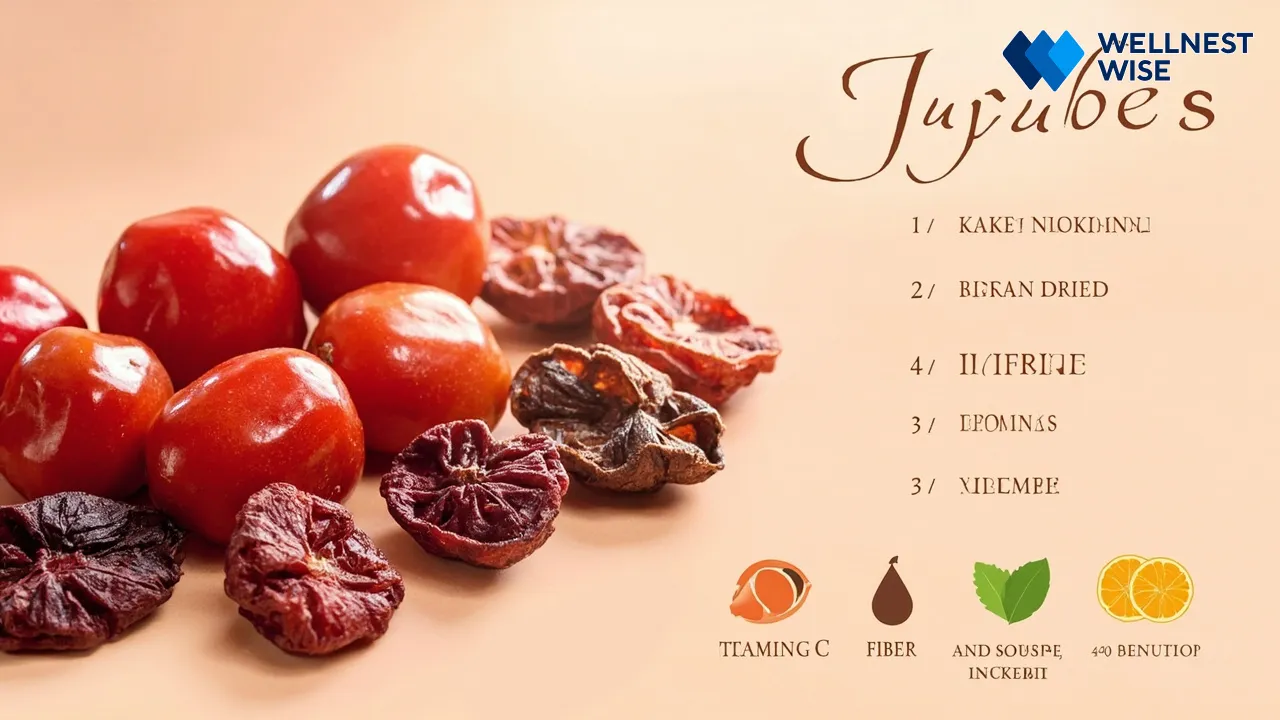
While the medicinal components of the Jujube fruit garner much attention, it is also a fantastic source of conventional nutrition. Known commonly as the Chinese Date when dried, it offers a surprising boost of essential Vitamin C and crucial dietary fiber, elements that support overall health and contribute specifically to robust digestive wellness.
Jujube Nutrition Facts: Essential Vitamins, Minerals, and Calorie Content
The nutritional content shifts significantly during the drying process. Fresh jujube is lower in calories and highly hydrating, but drying concentrates the sugars, making the dried jujube a denser source of fiber and energy.
| Nutrient (per 100g serving) | Fresh Jujube | Dried Jujube (Chinese Date) |
|---|---|---|
| :— | :— | :— |
| Calories | ~79 kcal | ~287 kcal |
| Total Carbs | ~20 g | ~73 g |
| Dietary Fiber | ~1.2 g | ~6.0 g |
| Protein | ~1.2 g | ~3.7 g |
| Vitamin C (mg) | ~69 mg (Excellent) | ~3 mg (Lowered by drying/heat) |
| Key Mineral (Potassium) | ~250 mg | ~400 mg |
The Power of Dietary Fiber: Supporting Gut Motility and Preventing Constipation
The significant quantity of dietary fiber found in jujube, particularly in the concentrated dried variety, is excellent for digestive health. Fiber adds essential bulk to stool, facilitating regular gut motility and effectively preventing common digestive complaints like constipation. A healthy, functioning gut is also fundamentally linked to mental well-being via the well-established gut-brain axis.
Antioxidant Capacity: Jujube’s High Vitamin C Content and Immune System Function
Fresh Jujube fruit is an exceptional source of Vitamin C (L-ascorbic acid). As highlighted by data from the NIH, this potent nutrient is critical for strengthening the immune system and acts as a powerful antioxidant, protecting cells from free radical damage. While the drying process reduces Vitamin C, the fresh fruit offers a quick, natural way to boost daily immune support.
Managing Blood Sugar: The Role of Fiber in Modulating Glycemic Response
Although dried jujube contains natural sugars, its high level of fiber helps mitigate sharp spikes in blood glucose. Fiber slows the rate at which carbohydrates are broken down and absorbed into the bloodstream. This results in a more moderated and stable glycemic response, a beneficial factor for maintaining balanced energy levels and supporting long-term metabolic health.
How to Enjoy Jujube: Consumption Methods, Dosage, and Preparation
Knowing the science is crucial, but successful integration relies on practical application. The versatility of the Jujube fruit allows it to fit easily into any diet. Whether you prefer the fresh crunch or the concentrated sweetness of the dried Chinese Date, here are the optimal preparation methods and essential daily dosage guidelines to maximize its coveted sleep and stress benefits.
Fresh vs. Dried Jujube: Understanding Differences in Taste, Texture, and Potency
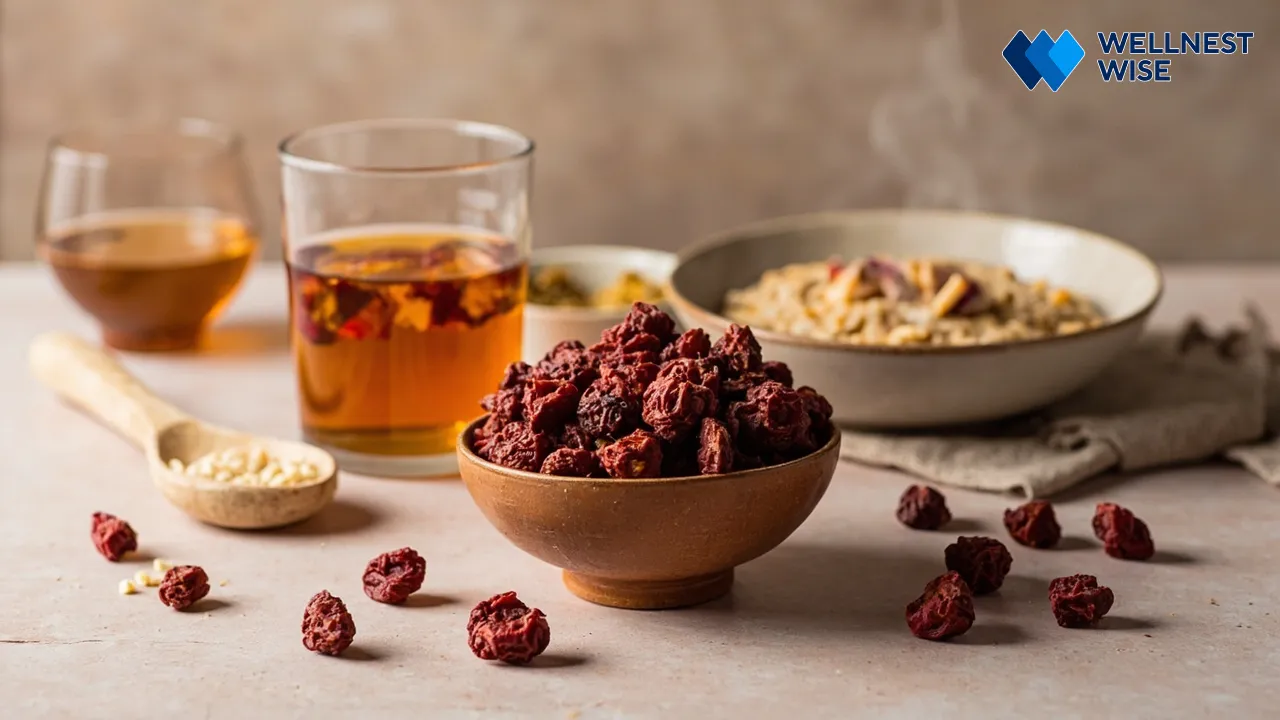
Fresh jujube fruit has a crisp texture, similar to an apple, with a mild, slightly sweet flavor. It is ideal for raw snacking. Conversely, dried jujube (Chinese date) has a sweet, chewy, caramel-like consistency. For maximizing sedative effects, the dried forms or decoctions are typically preferred in TCM, as the heating process is believed to release more of the active saponins from the seeds into the water.
Traditional Methods: Preparing Jujube Tea, Decoctions, and Infusions for Sleep
The most traditional and often most effective method for harnessing the calming compounds is through heat extraction:
- Jujube Decoction: Lightly slice or bruise 5–10 dried fruits. Simmer them in 2 cups of water for 20 minutes. The resulting liquid (decoction) will contain the extracted jujubosides responsible for sedation. Drinking this warm tea approximately an hour before bed is the classic TCM method for deep, restful sleep.
Modern Culinary Uses: Incorporating Jujube into Snacks, Baking, and Smoothies
The fruit’s natural sweetness makes it easy to integrate into modern cuisine. Chop fresh jujube fruit into savory salads for a crisp, sweet counterpoint. Dried jujubes can be a fantastic, healthier substitute for raisins in baking (like muffins or granola bars) or simmered and blended into oatmeal or smoothies for a boost of fiber and flavor.
Recommended Daily Intake (Dosage): Scientific and Traditional Guidelines for Effect
Determining the exact “dose” is challenging due to varying compound concentrations. However, based on traditional usage for achieving benefits related to sleep and anxiety, these guidelines offer a safe and effective starting point:
- Dried Fruit: Consume 3 to 5 medium-sized dried jujube fruits per day. For sleep benefits, consume the last 3 fruits 1 hour before bed.
- Tea/Decoction: Use 10 to 15 grams (or about 8–12 dried slices) of dried jujube simmered daily in water. This is the optimal preparation for maximizing the extraction of calming saponins.
- Extract/Supplement: Follow the manufacturer’s directions strictly. Seek products that specify standardization for active compounds, such as jujubosides. Typical supplemental doses often range from 100–300 mg of standardized extract daily.
Safety Profile and Considerations: When and Why Caution is Needed (EEAT)
The Jujube fruit is widely regarded as safe (GRAS, Generally Recognized as Safe) and boasts a millennia-long history of therapeutic use. However, a responsible approach requires understanding potential side effects and interactions, particularly for those on prescription medication or managing chronic health conditions.

Possible Side Effects and Digestive Tolerance
Due to the fruit’s high dietary fiber and concentrated sugar content (especially in the dried form), excessive consumption can sometimes lead to mild gastrointestinal discomfort. This can include bloating, gas, or mild loose stools, particularly in individuals with low digestive tolerance or sensitive digestive systems. It is wise to begin with a low amount (1–2 dried fruits) to assess how your body reacts.
Known Drug Interactions: Jujube and Sedative or Antidepressant Medications
Because jujube actively modulates GABA receptors and exhibits anxiolytic effects, it may enhance the effects of certain prescription drugs. This is particularly relevant for central nervous system (CNS) depressants, including sedatives, hypnotics (sleep aids like Ambien or Xanax), and some antidepressant medications. Always consult a healthcare provider before significantly increasing your jujube consumption if you are currently taking any CNS-depressing drugs.
Considerations for Specific Populations: Pregnancy, Diabetes, and Hypoglycemia Risk
Individuals with diabetes or those working to control blood sugar levels should monitor their intake of the dried fruit carefully, as it is relatively high in natural sugars and calories. Furthermore, while traditional medicine suggests the fruit is safe, specific clinical research on high-dose jujube extract in sensitive populations like pregnancy and breastfeeding is limited, necessitating a cautious and moderate approach.
Conclusion & Takeaways
The Jujube fruit (Ziziphus jujuba), or Chinese Date, is much more than a historical curiosity; it is a scientifically validated powerhouse of natural wellness. Its unique concentration of saponins and flavonoids offers a compelling, natural mechanism for improving sleep quality by targeting GABA receptors and providing genuine stress relief. From managing chronic anxiety and sustaining deep sleep to providing robust Vitamin C and dietary fiber for digestive health, incorporating this ancient secret can provide tangible improvements in your daily health and nightly recovery. Start with a simple cup of jujube tea tonight and experience the calming benefits yourself.
FAQ
How quickly can I expect to see the sleep and anxiety benefits of Jujube fruit?
While anecdotal evidence varies, some individuals notice a subtle calming effect and reduced sleep latency within a week of consistent daily use, especially when consuming a boiled decoction 30–60 minutes before bed. However, the true anxiolytic effects and deeper mood stabilization (linked to cortisol reduction) often require 4 to 8 weeks of continuous use, as the bioactive compounds need time to regulate the nervous system pathways.
Does the antioxidant power of the Jujube fruit survive the cooking process?
While the heat required to make traditional jujube tea (decoction) will significantly degrade the highly heat-sensitive Vitamin C content, the primary therapeutic compounds—the saponins and polysaccharides responsible for sedation and gut health—are relatively heat-stable. In fact, heating the fruit helps release these beneficial compounds, making the tea a more potent source for sleep and stress relief than the raw fruit. To maximize Vitamin C, focus on consuming fresh jujube fruit.