Imagine a life where unexpected movements or sounds punctuate your every moment, often without warning or control. This reality, faced by millions, is at the heart of Tourette Syndrome, a complex neurological condition that can profoundly impact daily life. Far from a simple “nervous habit,” Tourette’s involves involuntary motor and vocal tics that challenge individuals and their families. While conventional treatments offer support, a growing body of evidence, especially concerning the gut-brain axis, highlights how holistic strategies, including nutrition and lifestyle, can empower individuals to better manage symptoms. Let’s delve into this intricate condition and explore pathways to enhanced well-being.
Unraveling Tourette Syndrome: A Neurological Overview
Understanding Tourette Syndrome begins with recognizing it as more than just a collection of tics. It’s a dynamic interplay within the brain, affecting individuals differently across a spectrum of severity and expression. For those newly encountering the diagnosis or seeking deeper insights, grasping the fundamental neurological underpinnings is crucial for informed management and support.

What is Tourette Syndrome? Defining a Complex Neurological Condition
Tourette Syndrome (TS) is a neurological disorder characterized by repetitive, involuntary movements and vocalizations called tics. These tics typically begin in childhood, often between ages five and seven, and can change in type, frequency, and severity over time. TS is part of a broader category of tic disorders, but what sets it apart is the presence of both multiple motor tics and at least one vocal tic for more than a year.
Understanding Tic Disorders and Their Manifestations
Tic disorders encompass a range of conditions where individuals experience sudden, rapid, recurrent, non-rhythmic motor movements or vocalizations. These can range from transient tics lasting less than a year to persistent (chronic) motor or vocal tic disorders, and finally, Tourette Syndrome itself, which represents the most severe end of the spectrum in terms of tic variety and duration.
Key Characteristics: Identifying Motor and Vocal Tics
The hallmarks of Tourette Syndrome are its distinctive motor and vocal tics. These involuntary actions are often preceded by an uncomfortable sensation, known as a “premonitory urge,” which is temporarily relieved by performing the tic. Tics are not fully controllable, though individuals may suppress them for short periods, often leading to a rebound in intensity later.
Exploring the Spectrum of Tic Severity and Expression
The expression of Tourette’s symptoms is highly individual. Some individuals experience mild, infrequent tics that cause little distress, while others face frequent, severe tics that significantly interfere with daily activities, social interactions, and even physical comfort. Factors like stress, excitement, anxiety, and fatigue can often exacerbate tic severity, making understanding these triggers a key part of living with Tourette’s.
Differentiating Simple and Complex Tics
Tics are generally categorized into two main types:
- Simple Tics: These are sudden, brief, meaningless movements or sounds involving a limited number of muscle groups. Examples include eye blinking, head jerking, shoulder shrugging, sniffing, throat clearing, or grunting.
- Complex Tics: These involve more coordinated movements or vocalizations that may appear purposeful or imitate ordinary actions. Examples of complex motor tics include jumping, touching objects or oneself, or repeating movements. Complex vocal tics can involve repeating words or phrases (echolalia), sudden changes in pitch or volume, or, in a small percentage of cases, uttering socially inappropriate words (coprolalia).
Potential Contributing Factors and Causes of Tourette’s
The exact causes of Tourette’s are not fully understood, but current research points to a complex interplay of genetic, neurological, and environmental factors. It’s clear that TS is not due to parenting or psychological issues, but rather originates from brain differences.
The Role of Genetics and Inherited Predisposition
Genetics play a significant role in Tourette Syndrome. It is often inherited in an autosomal dominant pattern, meaning a child only needs to inherit one copy of an altered gene from a parent to be at an increased risk. However, the genetic picture is complex; no single gene has been identified, and individuals who inherit the predisposition may experience varied tic disorders or no tics at all.
Unpacking Neurological and Environmental Influences
Neurologically, TS is believed to involve abnormalities in certain brain regions, particularly the basal ganglia, and imbalances in neurotransmitters like dopamine, serotonin, and possibly GABA. These chemicals are crucial for regulating movement, mood, and impulse control. Environmental factors, while not causing TS on their own, might influence the severity or expression of tics in genetically predisposed individuals. Factors like prenatal stress or infection have been explored, though more research is needed to solidify these connections.
The Intricate Link: Gut-Brain Axis and Tourette’s
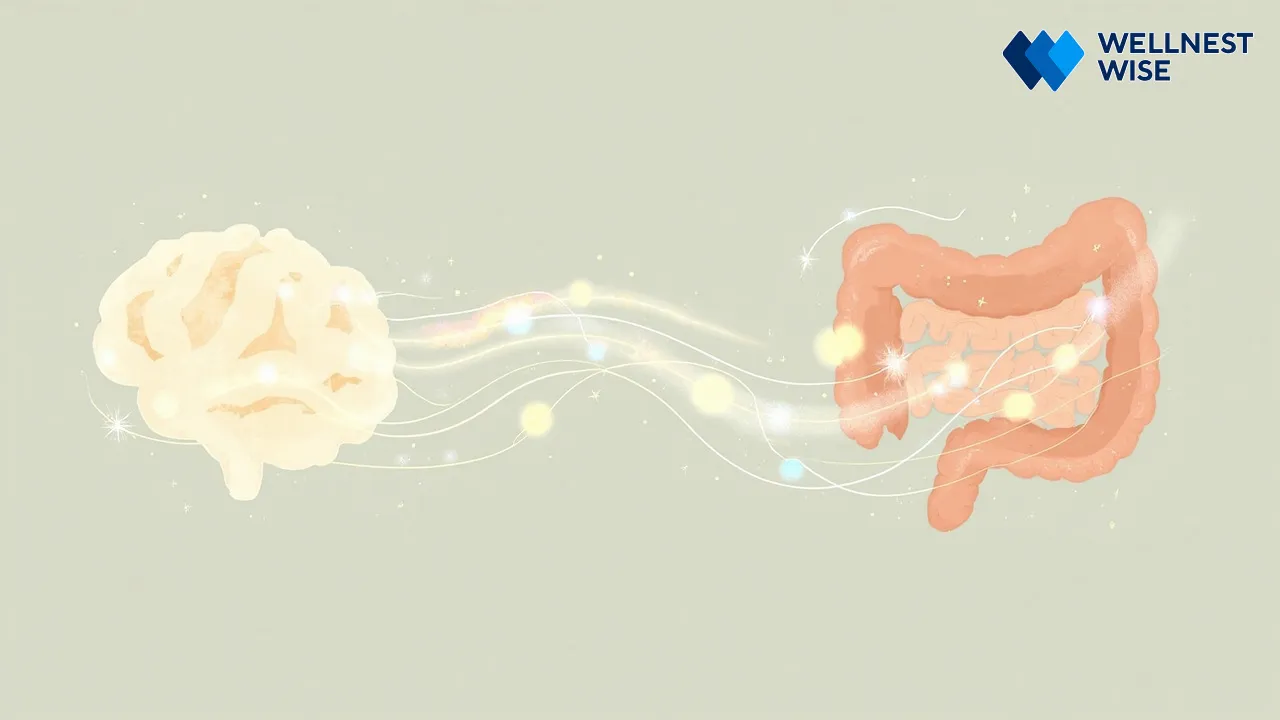
Beyond the brain’s internal workings, a fascinating and increasingly relevant area of research in Tourette Syndrome management is the gut-brain axis. This bidirectional communication system between your digestive tract and your brain offers new perspectives on neurological conditions and complementary Tourette syndrome treatment strategies.
Decoding the Gut-Brain Axis: A Two-Way Communication System
The gut-brain axis is a complex network that links your enteric nervous system (ENS) in the gut to your central nervous system (CNS) in the brain. This connection is mediated by neural, endocrine, immune, and metabolic pathways. It’s not just a one-way street; your gut health can influence your mood and brain function, and conversely, your brain can impact your digestion.
How Gut Microbiome Influences Neurological Function
At the heart of the gut-brain axis is the gut microbiome – trillions of microorganisms residing in your intestines. These microbes produce various compounds, including short-chain fatty acids (SCFAs) and even neurotransmitters that can signal to the brain. An imbalanced microbiome (dysbiosis) can contribute to inflammation and may impact brain function, potentially exacerbating Tourette’s symptoms or contributing to co-occurring conditions like anxiety or ADHD. Research indicates that optimizing gut health is a promising area for nutritional support for tics.
The Role of Neurotransmitters in Tic Regulation
As mentioned earlier, imbalances in specific neurotransmitters are central to the understanding of Tourette Syndrome. These chemical messengers transmit signals throughout the brain, influencing everything from movement to mood. Targeted approaches to support their balance are a key component of holistic management.
Understanding Dopamine, Serotonin, and GABA Imbalances in Tourette’s
- Dopamine: Often considered the “reward” neurotransmitter, dopamine plays a crucial role in motor control. In Tourette’s, there’s evidence of hypersensitivity in dopamine receptors or an excess of dopamine in certain brain regions, leading to involuntary movements and vocalizations.
- Serotonin: Known for its role in mood, sleep, and appetite, serotonin also influences motor control. Imbalances can contribute to co-occurring conditions like obsessive-compulsive disorder (OCD) and anxiety, which are common in individuals with TS.
- GABA: As the primary inhibitory neurotransmitter, GABA (gamma-aminobutyric acid) helps calm nerve activity. Low levels or impaired function of GABA could contribute to increased neuronal excitability, potentially leading to more frequent or severe tics.
Exploring the Impact of Neurotransmitters on Motor and Vocal Tics
The delicate balance of these neurotransmitters directly impacts the severity and frequency of motor and vocal tics. Strategies that aim to modulate these chemical pathways, whether through medication or natural approaches like specific nutrients, are often explored in Tourette syndrome treatment. For example, managing dopamine regulation is a primary target for many conventional therapies.
Inflammation and Oxidative Stress: Their Impact on Neurological Health
Beyond neurotransmitter imbalances, chronic inflammation and oxidative stress are increasingly recognized as contributors to various neurological conditions, including potentially Tourette Syndrome. Addressing these systemic issues can offer a foundational approach to supporting brain health.
Identifying Systemic Inflammation as a Potential Factor
Systemic inflammation, often stemming from an unhealthy gut, dietary factors, or chronic stress, can cross the blood-brain barrier and cause neuroinflammation. This low-grade brain inflammation can disrupt neuronal function, impair neurotransmitter balance, and potentially exacerbate tics and other neurological symptoms. Evidence suggests that individuals with TS may exhibit markers of increased inflammation.
Mitigating Oxidative Stress for Enhanced Cellular Well-being
Oxidative stress occurs when there’s an imbalance between the production of harmful free radicals and the body’s ability to detoxify them with antioxidants. This can damage cells, including neurons, and contribute to inflammation. Implementing strategies to boost antioxidant defenses and reduce free radical exposure is vital for protecting neurological health and potentially reducing the burden of Tourette’s symptoms.
Nutritional Strategies for Supporting Tourette Syndrome Management
While nutrition isn’t a cure for Tourette Syndrome, it can be a powerful complementary tool in Tourette syndrome treatment, offering nutritional support for tics by addressing underlying inflammation, optimizing neurotransmitter function, and supporting overall brain health. A thoughtful dietary approach can make a tangible difference in the day-to-day experience of living with Tourette’s.

The Foundations of an Anti-Inflammatory Dietary Pattern
An anti-inflammatory diet is not about strict rules, but rather emphasizing foods that calm the body’s inflammatory responses. This foundational approach can provide significant benefits for neurological health and overall well-being.
Emphasizing Whole Foods and Minimally Processed Options
Prioritize a diet rich in whole foods: fresh fruits, vegetables, lean proteins, healthy fats, and complex carbohydrates. These foods provide a spectrum of vitamins, minerals, and antioxidants essential for brain function and reducing inflammation. Minimally processed options mean choosing items as close to their natural state as possible, avoiding artificial ingredients and excessive sugars that can trigger inflammatory responses.
Hydration for Optimal Neurological and Cellular Health
Adequate hydration is often overlooked but critical for every bodily function, including brain health. Water plays a role in neurotransmitter synthesis, nutrient transport, and waste removal. Dehydration can lead to fatigue, brain fog, and potentially exacerbate stress, which in turn can worsen tics. Aim for consistent water intake throughout the day.
Key Nutrients and Their Potential Role in Tic Management
Certain nutrients are particularly important for neurological health and neurotransmitter balance, making them potential targets for nutritional support for tics.
| Nutrient | Primary Food Sources | Proposed Benefit for Tourette’s |
|---|---|---|
| :——————— | :————————————————————- | :—————————————————————— |
| Omega-3 Fatty Acids | Fatty fish (salmon, mackerel), flaxseeds, chia seeds, walnuts | Reduces inflammation, supports brain structure, influences dopamine regulation |
| Magnesium | Leafy greens, nuts, seeds, legumes, whole grains | Calms nervous system, supports GABA production, muscle relaxation |
| Zinc | Oysters, red meat, poultry, beans, nuts, seeds | Crucial for neurotransmitter function, antioxidant properties |
| Vitamin B6 (Pyridoxine) | Chickpeas, tuna, salmon, chicken, potatoes, bananas | Essential for dopamine, serotonin, and GABA synthesis |
| Vitamin D | Sunlight exposure, fatty fish, fortified dairy | Modulates immune function, reduces inflammation, supports brain health |
| Probiotics | Fermented foods (yogurt, kefir, kimchi, sauerkraut) | Supports healthy gut microbiome, impacts gut-brain axis, reduces inflammation |
| Antioxidants (e.g., Vitamin C, E) | Berries, citrus, bell peppers, nuts, seeds, dark leafy greens | Mitigates oxidative stress, protects neurons from damage |
Foods to Consider Limiting or Avoiding for Neurological Well-being
Just as some foods support health, others can undermine it. Identifying and reducing potential dietary triggers is a valuable step in holistic Tourette syndrome treatment.
Understanding Potential Dietary Triggers and Sensitivities
While individual sensitivities vary, some foods are commonly implicated in worsening inflammation and impacting brain function. Paying attention to how certain foods affect your tics and overall well-being can help identify personal triggers. Keeping a food diary can be a practical tool.
Reducing Processed Sugars, Artificial Additives, and Common Allergens
- Processed Sugars: High sugar intake can fuel inflammation, disrupt blood sugar levels, and negatively impact brain function.
- Artificial Additives: Artificial colors, flavors, and preservatives found in many processed foods may act as neurotoxins for sensitive individuals, potentially exacerbating Tourette’s symptoms.
- Common Allergens: For some, allergies or sensitivities to dairy, gluten, soy, or corn can trigger inflammation and impact neurological symptoms. An elimination diet under professional guidance might be considered to identify such triggers.
“A registered dietitian specializing in neurological health once told me that while there’s no magic bullet in diet for Tourette’s, consistently eating a diet rich in whole, nutrient-dense foods, and actively avoiding highly processed items, gave many of her clients a noticeable ‘edge’ in managing their symptoms, often reducing tic severity and improving overall mood. It’s about building a stable foundation for the brain to thrive.”
Lifestyle Modifications for Enhanced Well-being with Tourette’s
Beyond diet, everyday lifestyle choices profoundly influence the frequency and severity of Tourette’s symptoms. Incorporating supportive practices can create a more stable and resilient environment for individuals living with Tourette’s, complementing natural remedies for Tourette’s and other interventions.

Stress Management Techniques to Reduce Tic Severity
Stress is a well-documented exacerbating factor for tics. Learning effective stress management techniques can significantly impact daily well-being and potentially reduce tic frequency and intensity.
- Mindfulness Meditation: Practicing mindfulness involves focusing on the present moment without judgment. This can help individuals become more aware of premonitory urges, create a slight pause before a tic, and reduce overall anxiety levels, thereby dampening tic expression.
- Deep Breathing Exercises: Simple techniques like diaphragmatic breathing activate the parasympathetic nervous system, promoting relaxation. Regularly engaging in deep, slow breaths can lower heart rate, reduce muscle tension, and calm the nervous system, which can be helpful in moments of high tic severity.
- Progressive Muscle Relaxation: This technique involves tensing and then relaxing different muscle groups throughout the body. It helps individuals become more aware of physical tension and learn to release it, offering a tool to manage the physical manifestations of stress that can precede or accompany tics.
- Yoga/Gentle Stretching: These practices combine physical postures, breathing exercises, and meditation. Yoga can improve body awareness, reduce muscle stiffness often associated with tics, and promote mental calmness, contributing to lower stress and potentially milder tic expression.
- Engaging in Hobbies: Activities that bring joy and focus, such as art, music, gardening, or reading, can serve as powerful distractions from premonitory urges and offer a sense of control and accomplishment, reducing stress-induced tics.
The Importance of Quality Sleep and Its Impact on Tic Expression
Sleep disturbances are common in individuals with Tourette Syndrome, and conversely, poor sleep can worsen tics. Prioritizing consistent, quality sleep is paramount for neurological health and managing Tourette’s symptoms.
Establishing a Consistent Sleep Hygiene Routine
Creating a predictable bedtime routine helps regulate the body’s natural sleep-wake cycle (circadian rhythm). This includes going to bed and waking up at the same time each day, even on weekends, and creating a calming pre-sleep environment. Avoiding screens before bed and ensuring a dark, cool, quiet room can significantly improve sleep quality.
Addressing Sleep Disturbances for Improved Neurological Health
If sleep disturbances like insomnia or restless legs persist, it’s crucial to consult a healthcare professional. Unaddressed sleep issues can impact neurotransmitter balance, increase inflammation, and compromise executive function, all of which can negatively affect tic control and overall well-being.
Physical Activity and Its Neurological Benefits for Individuals with Tourette’s
Regular physical activity is not just good for physical health; it’s a powerful tool for neurological well-being and dopamine regulation.
Incorporating Regular, Enjoyable Movement into Daily Life
Finding physical activities that an individual genuinely enjoys is key to sustained engagement. This could be walking, swimming, cycling, dancing, or team sports. The goal is to move the body consistently, rather than adhere to a rigid exercise regimen.
The Role of Exercise in Dopamine Regulation and Stress Reduction
Physical activity has been shown to modulate dopamine levels and improve dopamine regulation, which is directly relevant to Tourette’s symptoms. Furthermore, exercise is a potent stress reliever, reducing cortisol levels and releasing endorphins that improve mood and a sense of calm, potentially leading to fewer or less intense tics.
Navigating Life with Tourette Syndrome: Practical Support and Empowerment
Living with Tourette’s involves more than just managing symptoms; it means fostering an environment of understanding, seeking appropriate professional guidance, and empowering individuals to thrive. This holistic approach supports not only the person with TS but also their family and community.

Building a Supportive Environment: Communication and Understanding
Creating a compassionate and informed environment is fundamental. Misunderstandings about Tourette Syndrome can lead to stigma and isolation, while open communication fosters acceptance.
Educating Family, Friends, and Educators about Tourette Syndrome
Education is the most powerful tool. Helping those around an individual with TS understand that tics are involuntary, not behavioral choices, is crucial. Providing simple, clear information about what Tourette Syndrome is, how it manifests, and what supportive actions can be taken (e.g., ignoring mild tics, offering space during severe tic bouts) can transform daily interactions.
Fostering Open Dialogue and Reducing Stigma
Encourage open conversations about Tourette’s symptoms and experiences. This can help demystify the condition, normalize differences, and reduce the emotional burden of shame or embarrassment. Advocating for understanding in schools, workplaces, and social settings contributes significantly to a more inclusive society for individuals with tic disorders.
The Role of Professional Guidance: A Collaborative Approach
Effective Tourette syndrome treatment is often multidisciplinary, combining conventional medical care with complementary therapies Tourette’s. A team approach ensures comprehensive support tailored to individual needs.
Consulting Neurologists, Registered Dietitians, and Therapists
- Neurologists: These specialists diagnose TS and manage medication if needed, focusing on dopamine regulation and other neurological aspects.
- Registered Dietitians: A dietitian experienced in neurological or anti-inflammatory diets can provide personalized nutritional support for tics, helping identify potential triggers and optimize nutrient intake.
- Therapists (e.g., CBT, HRT): Cognitive Behavioral Therapy (CBT) and Comprehensive Behavioral Intervention for Tics (CBIT – a specialized form of HRT or Habit Reversal Training) can teach individuals strategies to manage urges and tics, providing valuable coping mechanisms.
Integrating Holistic Strategies with Conventional Medical Care
The most effective path forward often involves integrating various approaches. Holistic strategies, including dietary changes, stress management, and exercise, can work synergistically with conventional medical interventions, enhancing overall well-being and potentially reducing the reliance on medication or improving its efficacy. Always discuss any natural remedies for Tourette’s or lifestyle changes with your healthcare team to ensure they are safe and appropriate.
Final Thoughts: Embracing a Holistic Path to Well-being
Navigating Tourette Syndrome can feel like a complex journey, but by understanding its nuances and embracing a holistic perspective, individuals and their families can discover empowering ways to enhance well-being. It’s about recognizing the intricate connections within the body and nurturing them with informed choices.
(تصویر پیشنهادی : A warm, inviting image of open hands gently holding a small, vibrant green plant sprout, symbolizing growth, hope, care, and the nurturing of holistic health. The background is softly blurred. – Hands gently holding a small green plant sprout, representing growth, hope, and holistic health. – nurturing-holistic-growth)
Empowering Individuals with Tourette Syndrome Through Informed Choices
Knowledge truly is power. By understanding the causes of Tourette’s, the role of the gut-brain axis, and the impact of nutrition and lifestyle, individuals can make proactive choices that support their neurological health. This proactive approach fosters a sense of control and agency, shifting the focus from merely coping to actively thriving.
Acknowledging the Journey: Persistence and Personalized Care
The path to managing Tourette’s symptoms is highly personal and often requires persistence. There will be good days and challenging days. The key is to stay informed, collaborate with healthcare professionals, and continuously seek out what works best for you or your loved one. By combining scientific understanding with practical, compassionate care, a richer, more empowered life with Tourette Syndrome is not just possible, but within reach. Explore these strategies, consult your trusted experts, and take the next step toward comprehensive well-being.
FAQ
Practical, scientific Q&A
What are the primary symptoms and causes of Tourette Syndrome?
The primary symptoms of Tourette Syndrome are involuntary motor and vocal tics. Motor tics can range from simple eye blinking to complex movements like jumping. Vocal tics can include sniffing, grunting, or repeating words. The exact causes of Tourette’s are not fully known, but it is believed to be primarily genetic, involving abnormalities in brain circuits and imbalances in neurotransmitters like dopamine and serotonin. Environmental factors may also play a role in symptom expression.
Can diet or specific nutrients help manage Tourette Syndrome symptoms?
While diet cannot cure Tourette Syndrome, it can be a valuable complementary strategy for nutritional support for tics. An anti-inflammatory diet, rich in whole foods, and focusing on nutrients like Omega-3 fatty acids, Magnesium, Zinc, and B vitamins, can support neurotransmitter function, reduce systemic inflammation, and promote overall brain health. Limiting processed sugars and artificial additives is also often recommended to minimize potential triggers.
What lifestyle changes are beneficial for individuals with Tourette Syndrome?
Beneficial lifestyle changes for individuals living with Tourette’s focus on stress reduction and overall well-being. Stress management techniques like mindfulness, deep breathing, and yoga can help reduce tic severity. Prioritizing quality sleep through consistent sleep hygiene and addressing sleep disturbances is crucial. Regular physical activity can also help with dopamine regulation and stress reduction, contributing to improved tic management and general neurological health.