For many of us, the feeling of chronic digestive discomfort—that persistent bloat or cramping that disrupts the day—is an unwelcome norm. But what if a simple, accessible herb held the key to real relief? Science confirms what tradition has long known: the health benefits of mint extend far beyond freshening breath. With powerful bioactive compounds, mint acts as a potent antispasmodic agent, fundamentally altering the way our gut processes stress and food. By understanding the core difference between spearmint and peppermint, you can unlock this miraculous power of mint not just for your stomach, but also to sharpen your focus and calm your nerves.
1. Unpacking the Science of Mint: Peppermint, Spearmint, and Bioactive Compounds
Before we explore the practical benefits, it’s vital to recognize that not all mint is created equal. The therapeutic action of mint is directly proportional to its chemical composition, particularly the concentrations of essential oils and specialized compounds. Understanding these fundamental differences allows us to select the right form of mint for the right purpose—whether you need relief from IBS or simply a calming, flavorful tea.
The Fundamental Difference: Peppermint vs. Spearmint Composition
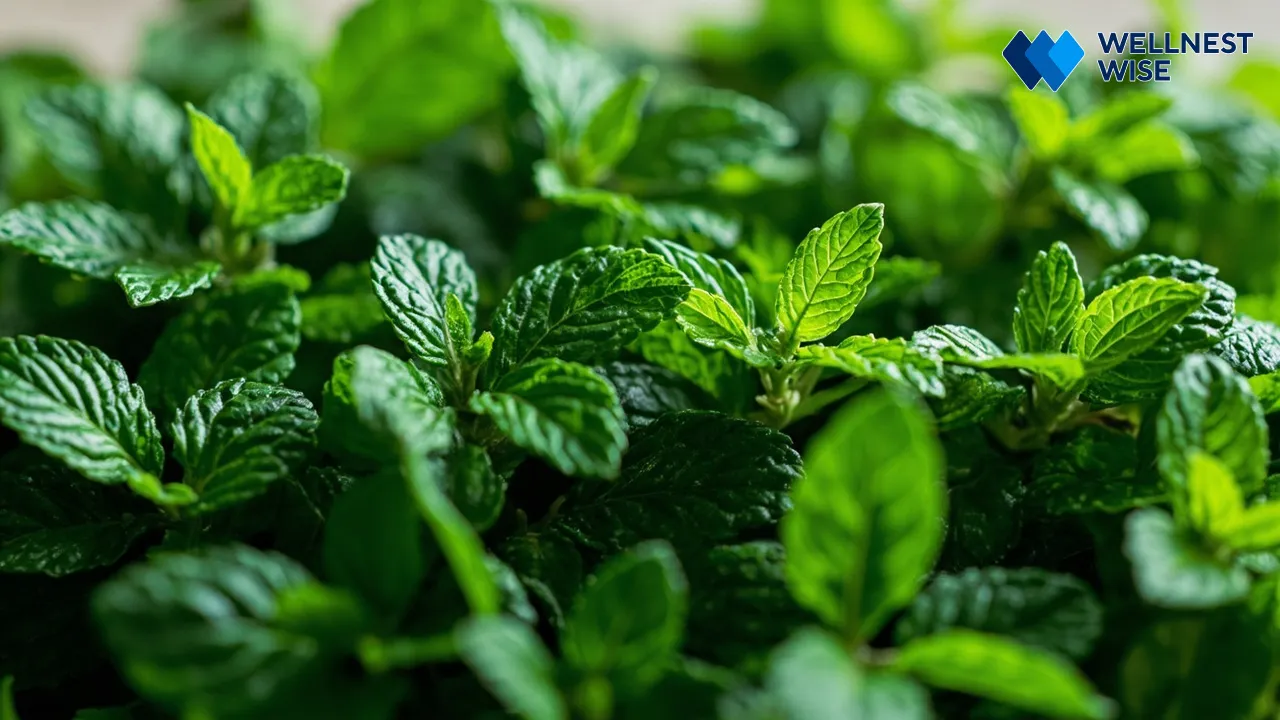
While both Mentha piperita (Peppermint) and Mentha spicata (Spearmint) are valuable, their core chemical makeup dictates their primary medicinal roles. Peppermint is overwhelmingly preferred for digestive and respiratory relief due to its high menthol content, while Spearmint is prized for its high antioxidant capacity and milder flavor, making it excellent for general health maintenance and specific hormonal support.
| Feature | Peppermint (*Mentha piperita*) | Spearmint (*Mentha spicata*) |
|---|---|---|
| :— | :— | :— |
| Dominant Compound | Menthol (40–60%) | Carvone (50–70%) |
| Primary Use | Digestive Relief (IBS), Decongestion, Headaches | Antioxidant Support, Flavoring, Oral Hygiene |
| Taste Profile | Strong, Sharp, Cooling | Sweet, Mild, Herbaceous |
| Therapeutic Strength | Higher (due to Menthol) | Lower/Milder |
Menthol and Monoterpenes: The Core Mechanism of Mint’s Power
The profound effect of mint, especially Peppermint, stems from volatile aromatic compounds known as monoterpenes. Chief among these is Menthol. This compound is responsible for the characteristic cooling sensation when applied topically or consumed, as it stimulates the cold receptors in the body. More importantly, menthol acts pharmacologically as a smooth muscle relaxant. This mechanism is crucial for its ability to ease spasms in the gastrointestinal tract and relax muscles in the respiratory system, offering relief from congestion.
A Carminative Tradition: Historical Use of Mint in Iranian and Global Medicine
Mint has been a cornerstone of traditional medicine and daily life across many cultures for millennia. Historically, its primary use was as a carminative—an agent that relieves flatulence and soothes intestinal spasms. In ancient Iranian and Middle Eastern medicine, various mint species (such as Pudineh) were routinely consumed with meals or fermented dairy products like Doogh to aid digestion. This traditional knowledge is now strongly supported by modern clinical trials that validate mint’s effectiveness in managing functional dyspepsia and gas.
2. Mint as a First-Line Defense Against Functional Digestive Disorders
When diet and lifestyle changes fail to fully manage chronic gut issues, mint often steps in as a highly effective and natural pharmaceutical alternative. Its reputation for treating the gut is well-deserved, particularly for conditions where abnormal muscle contractions and visceral hypersensitivity are primary factors. This effectiveness is directly related to the concentration of Peppermint Oil (PO) derivatives.
Level 1 Evidence: The Antispasmodic Effect on Irritable Bowel Syndrome (IBS)
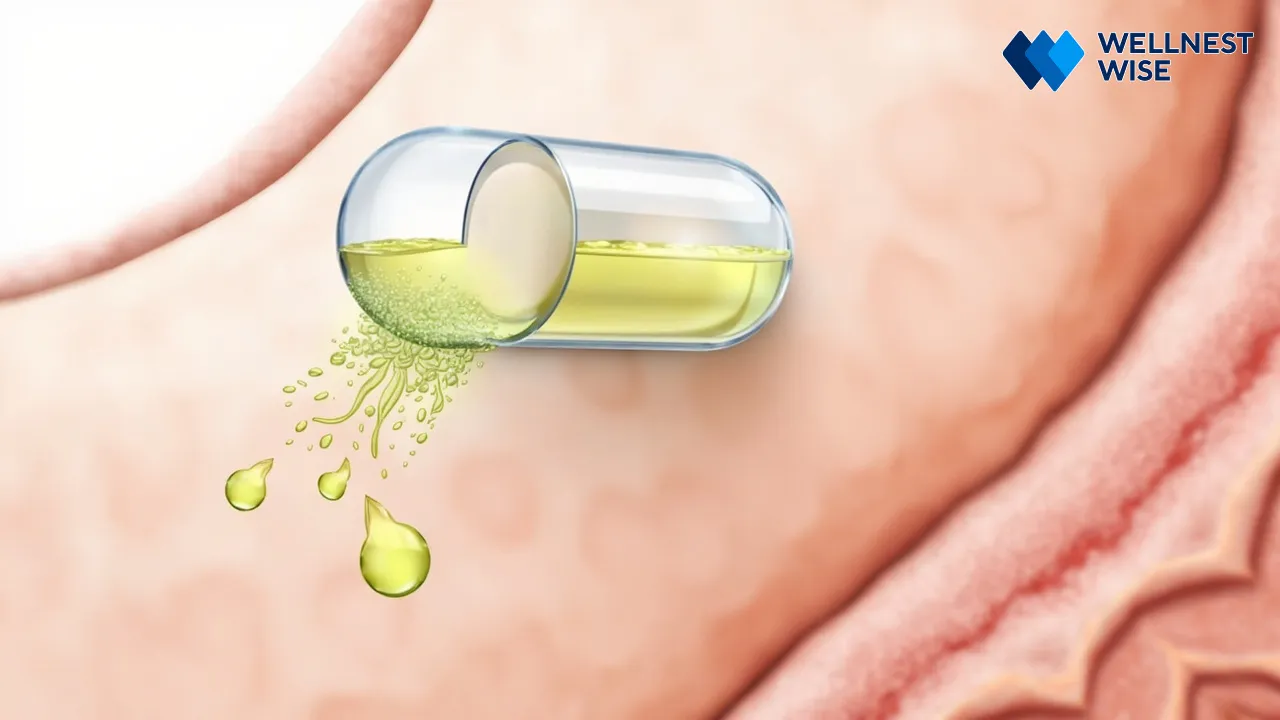
Peppermint Oil (PO), typically delivered in enteric-coated capsules, is a Level 1 recommendation for alleviating symptoms of Irritable Bowel Syndrome (IBS). Clinical reviews have consistently shown that PO significantly reduces abdominal pain and overall symptom severity compared to placebo. It works by targeting the smooth muscle cells lining the intestine, making it a highly effective antispasmodic agent.
How Peppermint Oil (PO) Targets Gut Pain and Cramping
The key mechanism is the regulation of calcium channels in the smooth muscles of the bowel. Data from peer-reviewed studies shows that the active monoterpenes in PO block the influx of calcium, thereby inhibiting involuntary muscle contractions and spasms. This means less cramping, less pain, and better regulation of gut transit time, which addresses the core distress felt by many IBS sufferers.
“During a particularly stressful period of my life, I often suffered from digestive discomfort and occasional heartburn. A friend recommended drinking peppermint tea after meals. After incorporating this simple habit into my daily routine, I noticed a significant reduction in bloating and an overall feeling of calm digestion. The aroma alone had a soothing effect on my mind, and the cooling sensation seemed to ease stomach cramps. I continue to use peppermint tea as a natural remedy when I feel digestive strain or need relaxation.”
Alleviating Bloating and Gas: Mint’s Role as a Natural Carminative
Beyond treating chronic conditions, mint is an excellent choice for acute relief from gas and bloating. As a carminative, mint helps the digestive system break down and release trapped gas more efficiently. By relaxing the smooth muscles of the digestive tract, mint prevents gas pockets from accumulating and causing painful pressure. A warm cup of peppermint tea 20 minutes after a heavy meal can significantly reduce that heavy, full feeling.
Addressing Indigestion (Dyspepsia) and Functional Stomach Pain
Functional dyspepsia—indigestion that lacks an identifiable physical cause—responds well to mint therapy. In combination with caraway oil, peppermint oil has been shown in clinical trials to be as effective as some prescription medications in reducing the frequency and severity of functional stomach pain. The muscle-relaxing effect helps normalize gastric emptying and reduces painful spasms in the upper digestive tract.
3. The Cooling Comfort: Respiratory Support and Pain Relief Benefits
The refreshing, penetrating sensation we associate with menthol is not merely pleasant; it is therapeutically active. This property makes mint essential for addressing issues beyond the digestive tract, offering significant relief for the respiratory system and certain types of pain.
Menthol’s Role in Decongestion: Easing the Nasal Passages
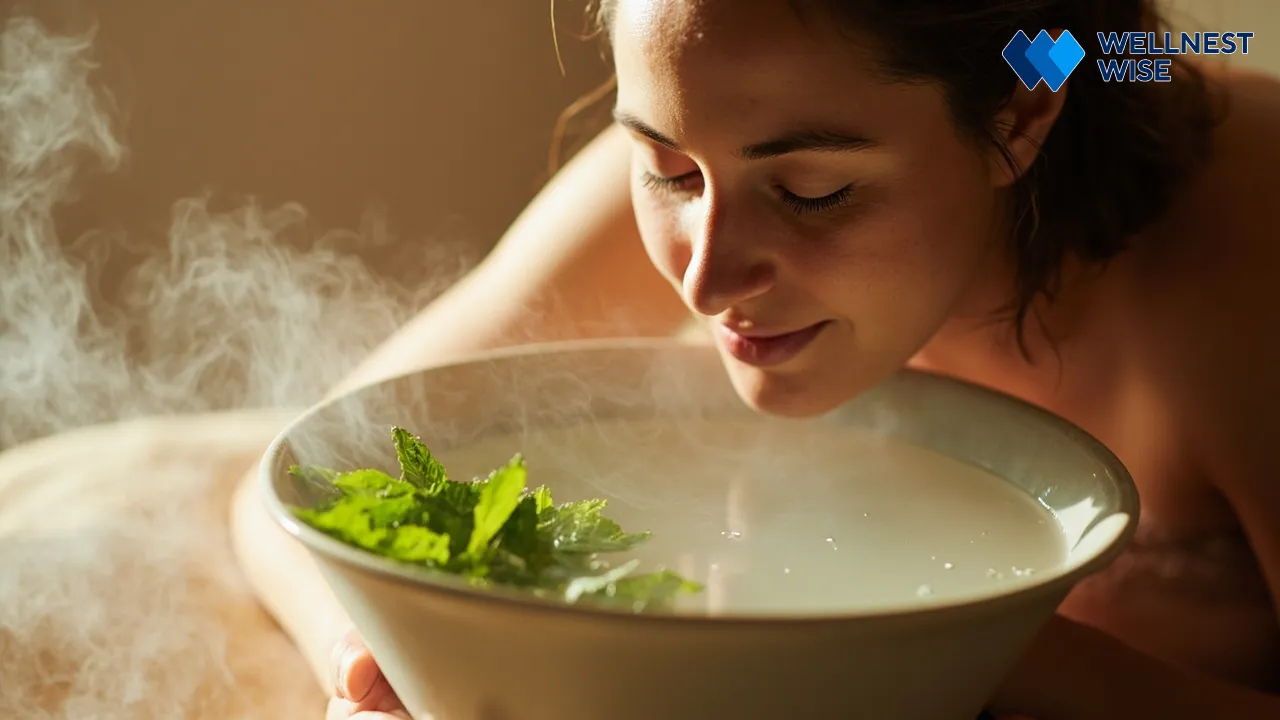
If you’ve ever used a chest rub or lozenge during a cold, you’ve experienced the powerful decongestant properties of menthol. While it does not technically reduce nasal inflammation, menthol activates receptors in the nose that trick the brain into sensing increased airflow. This subjective feeling of easier breathing is invaluable for those suffering from colds, flu, or allergies. Inhalation of steam infused with peppermint essential oil is a highly effective, natural approach to clearing sinus congestion.
Mint Tea for Tension Headaches: Calming the Vascular System
Many tension headaches are caused by constricted blood vessels and tight muscles in the head and neck. Mint tea for headaches, particularly when strong and warm, can help. The systemic relaxation induced by sipping the tea, combined with the mild analgesic (pain-relieving) properties of menthol, can often take the edge off a minor tension headache. Topical application of diluted peppermint oil to the temples has also demonstrated efficacy, likely by increasing local blood flow and inducing a cooling, numbing effect.
Anti-Inflammatory Properties of Mint Compounds for Chronic Discomfort
Studies suggest that specific polyphenols found in mint, such as rosmarinic acid, exhibit significant anti-inflammatory properties. These compounds help neutralize pro-inflammatory mediators within the body, which can contribute to chronic pain and conditions. While mint is not a primary treatment for severe inflammation, its consistent use as part of a healthy diet (as supported by WHO guidelines [5]) contributes to reduced oxidative stress, aiding overall systemic balance.
4. Neurocognitive and Calming Effects: Improving Focus and Reducing Stress
Mint’s influence extends into the realm of neurological function, affecting both our state of alertness and our emotional regulation. The olfactory (smell) pathway provides a direct link between the mint aroma and brain centers responsible for mood, memory, and concentration.

The Impact of Mint Aroma on Alertness and Cognitive Performance
Research into the effects of aromatherapy has shown that inhaling the scent of peppermint can enhance alertness and memory function. This is especially useful for tasks requiring sustained attention. Instead of relying on caffeine, students or professionals can use peppermint essential oil diffused in the workspace to stimulate the nervous system without the jitters. This effect improves cognitive performance and reduces feelings of mental fatigue.
Utilizing Mint Essential Oil for Natural Stress Relief and Anxiety Reduction
While peppermint stimulates alertness, the overall effect of mint on the nervous system is balancing. For individuals experiencing anxiety or mild stress, the aroma of spearmint or the act of sipping warm mint tea can be highly soothing. The scent pathway initiates relaxation responses, making mint essential oil a powerful tool for natural stress relief during intense periods.
Does Mint Tea Affect Sleep? Analyzing Calming Effects vs. Stimulation
This is a common question. While peppermint can be alerting when inhaled directly and in high concentrations, its effect when consumed as a warm tea is often calming. Peppermint tea is naturally caffeine-free and the ritual of a warm beverage combined with the smooth muscle relaxation effect often promotes relaxation. However, individuals sensitive to its stimulating aroma should switch to milder spearmint tea in the evenings, or consume it well before bedtime.
5. Beyond Digestion: Antioxidant, Oral, and Antimicrobial Advantages
Mint is a nutritional powerhouse that provides benefits across multiple systems. Its high concentration of plant chemicals offers protection against environmental stressors and supports fundamental aspects of hygiene and metabolic health.

Neutralizing Free Radicals: The High Antioxidant Potential of Spearmint
Spearmint, in particular, boasts remarkable antioxidant potential. Antioxidants like rosmarinic acid work by neutralizing harmful free radicals in the body, which are molecules linked to cellular damage, aging, and chronic disease [1]. Incorporating fresh mint into salads or cooking is a simple yet effective way to boost your dietary intake of these protective phytochemicals, supporting overall cardiovascular and cellular health.
Freshening Breath Naturally: Mint’s Antimicrobial Action Against Oral Pathogens
Mint’s role in oral hygiene is legendary. The refreshing feeling is partly due to the physical sensation of menthol, but the true benefit lies in its antimicrobial activity. Mint compounds, particularly those found in peppermint oil, actively inhibit the growth of common oral pathogens, such as Streptococcus mutans, the primary bacteria responsible for cavities and bad breath. This makes mint a superior, natural agent for maintaining fresh breath and hygiene.
Potential Applications in Metabolic Health and Blood Sugar Regulation
While large-scale human studies are ongoing, preliminary research suggests that mint may have a beneficial role in metabolic health. The bioactive polyphenols found in mint contribute to a healthy, balanced diet, which is critical for preventing noncommunicable diseases [5]. By aiding digestion and reducing systemic inflammation, mint indirectly supports metabolic processes, though it should not replace primary medical treatments for conditions like diabetes.
6. Safe and Effective Integration: Dosage, Forms, and Usage Guidelines
To truly harness the health benefits of mint, especially for therapeutic purposes, understanding the correct form and dosage is critical. Using fresh mint for general flavor is different from using concentrated oil for a clinical condition like IBS.
Choosing the Right Form: Fresh Herb, Dried Tea, or Concentrated Oil
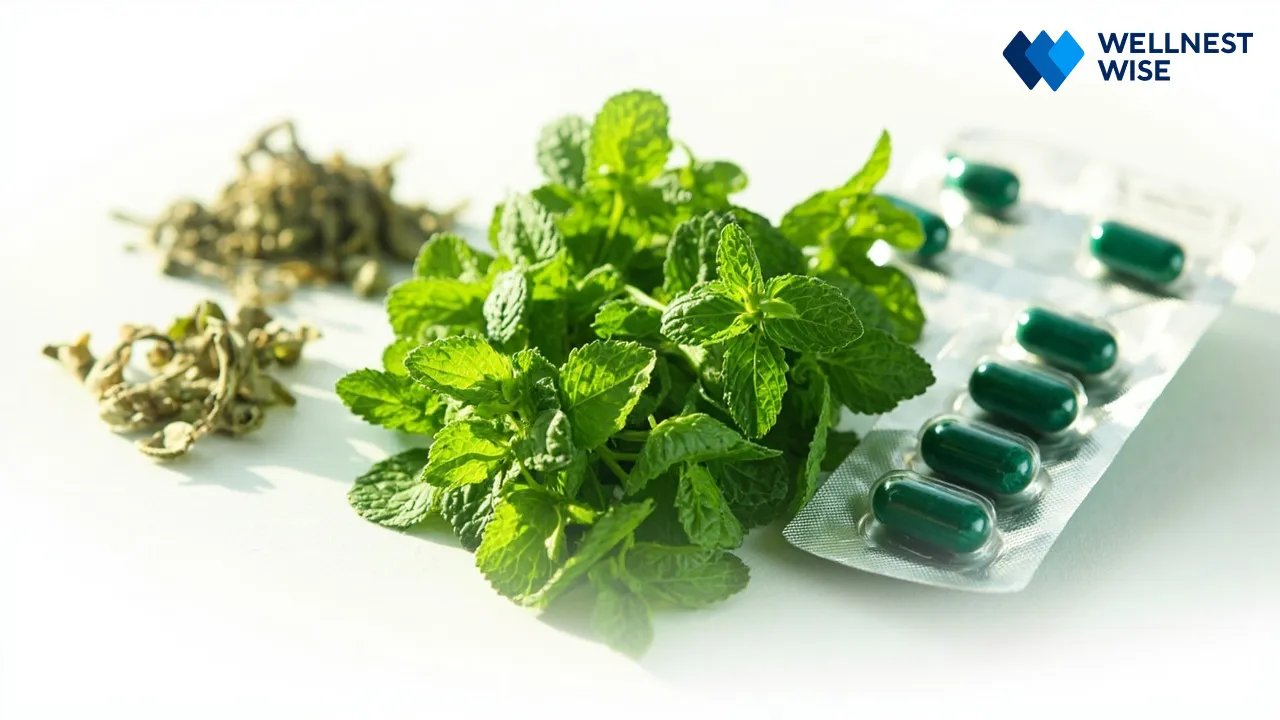
- Fresh Herb (Culinary Use): Excellent source of antioxidants, vitamins (like Vitamin A, 31 µg/100g), and general digestive support. Use in salads, sauces, and beverages.
- Dried Tea: Best for general relaxation, bloating relief, and mild congestion. Steeping time affects potency (longer steep = stronger menthol effect).
- Concentrated Essential Oil: Highest potency. Used for targeted conditions like IBS. Must be used in specific, standardized, and usually enteric-coated capsules for safe gut delivery. Never ingest raw essential oil unless instructed by a qualified practitioner.
Dosage and Application: Therapeutic Guidelines for IBS Relief
When treating specific functional gut disorders, consistency and accurate dosage of Peppermint Oil (PO) are paramount.
- Standardized Capsules: Look for enteric-coated capsules containing 0.2 mL of Peppermint Oil.
- Dosing for IBS: Typical dose is 1–2 capsules, 3 times daily, taken 30 to 60 minutes before meals. The enteric coating ensures the oil bypasses the stomach and dissolves lower down in the intestines where the spasms occur.
- Consistency: Therapeutic effects are usually seen after 2 to 4 weeks of consistent use.
Safety Profile: Who Should Limit Mint Intake and Concerns about Acid Reflux
While mint is generally safe, it is not suitable for everyone, particularly those prone to severe gastroesophageal reflux disease (GERD) or hiatus hernia.
Mint’s powerful muscle-relaxing effect, while beneficial for the lower intestine, can unfortunately relax the valve that separates the stomach and esophagus, exacerbating reflux. If you experience burning or increased heartburn after consuming mint, you should limit or avoid it. Children and infants should only consume mint under strict guidance.
Understanding the Lower Esophageal Sphincter Relaxation Effect
The relaxation of the Lower Esophageal Sphincter (LES) is the primary reason mint can trigger heartburn. Because menthol is a potent smooth muscle relaxant, if the LES relaxes, stomach acid can easily flow back up into the esophagus. For individuals already susceptible to acid reflux, using fresh or tea forms of mint should be approached with caution.
7. Maximizing Mint Benefits in Daily Life
Mint is already deeply woven into traditional, healthy diets, particularly in cultures where fresh herbs are a staple. Leveraging its potent properties requires simple integration into everyday culinary and wellness rituals.

Simple Recipes: Integrating Mint into Culinary Practices (e.g., Doogh, Salad)
For everyday health benefits of mint, incorporating fresh leaves is the easiest route.
- Sabzi Khordan: Eat fresh mint alongside cheese, walnuts, and bread as part of a traditional breakfast to immediately enhance digestion.
- Doogh (Yogurt Drink): Adding chopped mint to Doogh or plain yogurt helps mitigate the heaviness of dairy products and acts as a mild carminative.
- Salads: Toss fresh spearmint or peppermint into cucumber and tomato salads for an antioxidant boost and invigorating flavor.
Selecting and Storing Mint: Ensuring Potency and Freshness
To maintain the concentration of the volatile monoterpenes, proper storage is crucial. Always select mint leaves that are vibrant green and free of black spots. Store fresh mint stems in a glass of water, covered loosely with a plastic bag, in the refrigerator. If you are drying mint for tea, ensure it is dried quickly and stored in an airtight container away from light and heat to preserve the essential oils.
Final Scientific Verdict: Mint as a Valuable Complementary Therapeutic Agent
The scientific evidence overwhelmingly supports the use of mint—especially Peppermint Oil—as a valuable, accessible, and potent complementary therapeutic agent for managing functional digestive disorders and providing acute relief from respiratory symptoms and tension headaches. When used safely and correctly, aligning the specific mint species with the desired health goal (i.e., Peppermint for the gut, Spearmint for antioxidants), this miraculous herb offers profound and well-documented health benefits of mint.
Conclusion & Takeaways
The journey into the health benefits of mint reveals a powerful synergy between tradition and modern science. Mint is not just a fragrant garnish; it is a scientifically validated tool for managing chronic issues like IBS and boosting daily well-being. By understanding the chemical superiority of Peppermint Oil (PO) for antispasmodic action and the calming, antioxidant richness of Spearmint, you can make informed choices to improve your digestion, sharpen your focus, and reduce stress naturally. Prioritize the correct form and heed the warnings regarding acid reflux to fully harness mint’s potent, natural power.
FAQ
Practical, scientific Q&A
Does mint tea help you sleep better or is it stimulating?
Mint tea, particularly peppermint, contains high amounts of menthol, which can be slightly stimulating to the senses, improving alertness. However, because it is caffeine-free and promotes physical relaxation by easing digestive spasms, it usually aids relaxation rather than causing insomnia. For absolute assurance, use milder spearmint tea or consume peppermint tea an hour or two before resting.
Is mint beneficial or harmful for acid reflux?
Mint can be harmful for individuals diagnosed with or prone to Acid Reflux (GERD). The Menthol content causes the Lower Esophageal Sphincter (LES)—the valve between the stomach and esophagus—to relax. While this relaxation is beneficial lower down in the gut, in the upper GI tract it allows stomach acid to flow back up, often triggering or worsening heartburn.
What is the recommended dosage for peppermint oil capsules for IBS?
The recommended therapeutic dosage for managing Irritable Bowel Syndrome (IBS) symptoms typically involves standardized, enteric-coated Peppermint Oil (PO) capsules containing 0.2 mL of oil. The standard regimen is 1–2 capsules, three times daily, taken consistently 30 to 60 minutes before meals to allow the antispasmodic effect to begin prior to digestion.
What is the difference between spearmint and peppermint benefits?
The main difference lies in their primary active compounds: Peppermint is rich in menthol (40–60%) and is superior for therapeutic uses like digestion (IBS relief), decongestion, and pain relief. Spearmint is rich in carvone and is prized for its high antioxidant potential, milder flavor, and is often preferred for general daily consumption and oral health without the strong sensory punch of menthol.