For centuries, across vast cultures, tea has been more than a beverage; it’s a pillar of health. While many teas are cherished, green tea—derived from the leaves of Camellia sinensis—is unique in its potent pharmacological profile. Consider this striking fact: regular green tea consumption (3-5 cups per day) is associated with a 20-30% reduced risk of cardiovascular disease and stroke [Source: NIH PubMed Central]. This simple, aromatic drink offers profound benefits, delivering scientifically proven reasons to enhance your metabolism, sharpen your cognition, and support longevity. Let’s examine the evidence behind these claims.
Unlocking the Science: Key Bioactive Compounds in Camellia sinensis
To understand why green tea is so powerful, we must look past the warm liquid in the cup and focus on the complex chemistry of the leaves. Unlike other teas, green tea retains high concentrations of delicate compounds, giving it its distinctive flavor profile and potent health effects. These effects are driven primarily by a group of protective substances known as polyphenols, which act as formidable antioxidants within the body.
The Power of Polyphenols: Catechins and Total Antioxidant Capacity
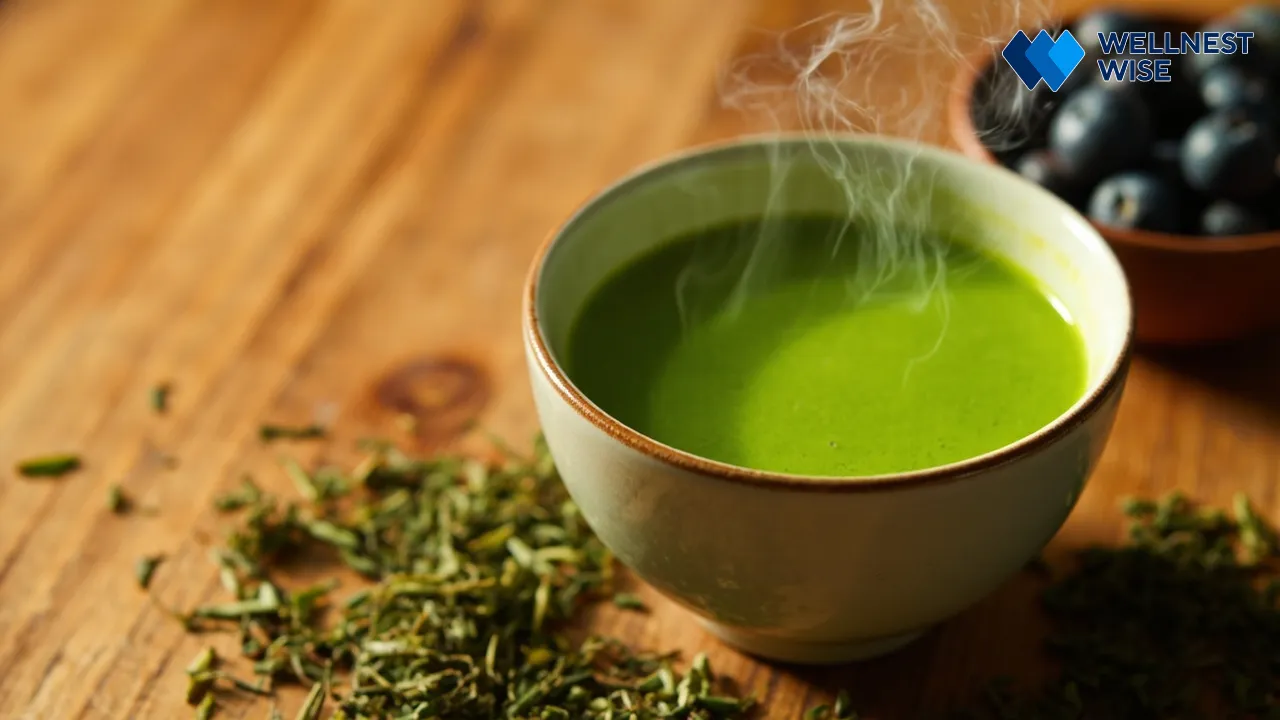
Polyphenols are natural chemicals found in plant foods that help protect cells from damage caused by free radicals. In green tea, the main class of polyphenols is the catechins. These catechins are powerful antioxidants, contributing significantly to the tea’s total antioxidant capacity. When you drink green tea, you are flooding your system with these compounds, which scavenge free radicals and help mitigate the effects of oxidative stress and chronic inflammation—processes that underlie many age-related diseases.
Focusing on the Key Player: Epigallocatechin Gallate (EGCG)
Among all the catechins, Epigallocatechin Gallate (EGCG) stands out as the most abundant and biologically active. EGCG often accounts for up to 60% of the total catechin content, and it is the subject of countless studies focusing on everything from metabolic health to neuroprotection. EGCG doesn’t just neutralize free radicals; it also influences cellular signaling pathways, helping to regulate gene expression related to fat metabolism and inflammation. This molecule is the primary reason green tea benefits are so celebrated.
Green Tea vs. Black Tea: Processing Methods and Catechin Retention
The difference between green tea and black tea is one of processing. Black tea undergoes a full oxidation (often incorrectly called fermentation) process, where the leaves are intentionally bruised and exposed to air. This process changes the catechins into more complex compounds called theaflavins and thearubigins. While black tea has its own benefits, this oxidation significantly reduces the concentration of beneficial catechins, particularly EGCG. Green tea, however, is quickly steamed or pan-fried after harvest, which inactivates the oxidizing enzymes and ensures maximum catechin retention.
Understanding Bioavailability: Factors Affecting EGCG Absorption in the Body
One of the greatest challenges in relying on green tea for therapeutic effects is the poor bioavailability of EGCG. Once consumed, EGCG is quickly metabolized and excreted. In essence, your body might not absorb enough of the compound to produce a significant effect unless you consume tea regularly or optimize how you prepare it. Researchers have found that consuming green tea alongside food or certain acids can improve absorption, a practical point we cover later in the preparation section.
Supporting Metabolic Health: Green Tea for Weight Management and Thermogenesis
If there is one area where green tea has gained massive popularity, it’s in supporting weight and metabolic health. While the claims are often exaggerated by marketing, the foundational science confirms that green tea, coupled with diet and exercise, can offer a measurable advantage in regulating energy expenditure and fat utilization.

Modest Boost in Metabolic Rate: The Mechanism of Catechin-Induced Thermogenesis
The combination of EGCG and the natural caffeine found in green tea creates a synergistic effect on the nervous system. This pairing stimulates thermogenesis, which is the process of heat production in the body, requiring the burning of calories. Clinical trials show that this effect provides a modest, yet meaningful, increase in daily energy expenditure—approximately 4% of total daily energy expenditure for some individuals. While this is not a miracle cure, these extra burned calories can certainly help nudge the needle toward a healthy weight over time.
Addressing Visceral Fat: Green Tea’s Role in Targeted Lipid Oxidation
Not all fat is created equal. Visceral fat—the fat stored deep around the abdominal organs—is metabolically dangerous. Research suggests that EGCG may specifically promote lipid oxidation (fat burning) in the abdominal area. This mechanism involves inhibiting an enzyme (catechol-O-methyltransferase) that breaks down norepinephrine, a hormone that signals fat cells to release stored energy.
Managing Blood Sugar and Improving Peripheral Insulin Sensitivity
Green tea is highly relevant for individuals managing blood sugar issues. Studies have demonstrated that green tea extracts can improve peripheral insulin sensitivity. Better insulin sensitivity means your body can more effectively use the insulin it produces to move glucose from the bloodstream into the cells for energy, potentially lowering the risk of developing type 2 diabetes and mitigating the symptoms of metabolic syndrome.
Green Tea for Weight Loss: Setting Realistic, Evidence-Based Expectations
It’s crucial to maintain realistic expectations regarding green tea for weight loss. Green tea is an adjunct, not a substitute, for a calorie-controlled diet and regular activity.
“I spent years believing green tea was some kind of ‘fat burner.’ When I spoke with a dietitian, I learned it’s more of a metabolic helper. Since integrating 3 cups daily, along with my strength training, I feel better, and the subtle energy lift makes me more consistent with my workouts.”
(Personal experience observation)
Clinical evidence suggests the most significant results are seen in subjects consuming targeted doses of EGCG (typically 250–500 mg daily), especially when they are physically active [Source: NIDDK Nutrition Research].
Enhancing Brain Function: The Synergy of L-Theanine and Caffeine
One of the most appreciated green tea benefits is its ability to deliver clear-headed focus without the jittery crash often associated with high-dose coffee. This unique cognitive advantage is thanks to a special amino acid found almost exclusively in the tea plant.

The Calming Effect: How L-Theanine Reduces Stress and Increases Alpha Brain Waves
Green tea contains the non-protein amino acid, L-Theanine. This remarkable compound crosses the blood-brain barrier and directly influences brain chemistry. L-Theanine is known to promote the production of alpha brain waves, which are associated with a state of relaxed wakefulness, meditation, and focused attention. In essence, it helps you feel calm and attentive simultaneously, reducing the physiological markers of stress.
Sustained Alertness: Combining Caffeine and Amino Acids for Improved Cognitive Performance
While green tea does contain caffeine (about 25–35 mg per 8 oz cup, far less than coffee), the co-presence of L-Theanine fundamentally changes the experience. Caffeine provides the initial alertness, but L-Theanine buffers the typical sharp peak and subsequent crash. This synergy results in sustained alertness and improved cognitive performance, including better reaction time and working memory. It’s the perfect afternoon brain boost without interrupting your sleep later.
Potential for Neuroprotection and Delaying Age-Related Cognitive Decline
The antioxidant properties of catechins extend directly to the brain. EGCG has shown potential neuroprotective capabilities, helping to shield neurons from oxidative damage. Epidemiological data even suggests that habitual green tea intake may be associated with a slower decline in memory and executive function, potentially delaying the onset of age-related cognitive issues in elderly populations [Source: NIH PubMed Central].
Matcha vs. Traditional Green Tea: Concentration of Focus-Enhancing Compounds
If your primary goal is cognitive enhancement, you might consider Matcha. Matcha is powdered green tea made from leaves that are shade-grown before harvest. Because you consume the entire leaf rather than just the brewed water, Matcha typically contains significantly higher concentrations of both EGCG and L-Theanine compared to standard steeped green tea (like Sencha or Gunpowder). This makes it particularly effective for maximizing focus and calming effects.
Defending Against Disease: Antioxidant Capacity and Cardiovascular Protection
Beyond supporting daily function, regular green tea consumption is a proven strategy for fortifying the body against the chronic illnesses most common in modern life. The protective compounds in the tea work systemically, particularly benefiting the circulatory system.
Lowering LDL Cholesterol and Supporting Healthy Endothelial Function
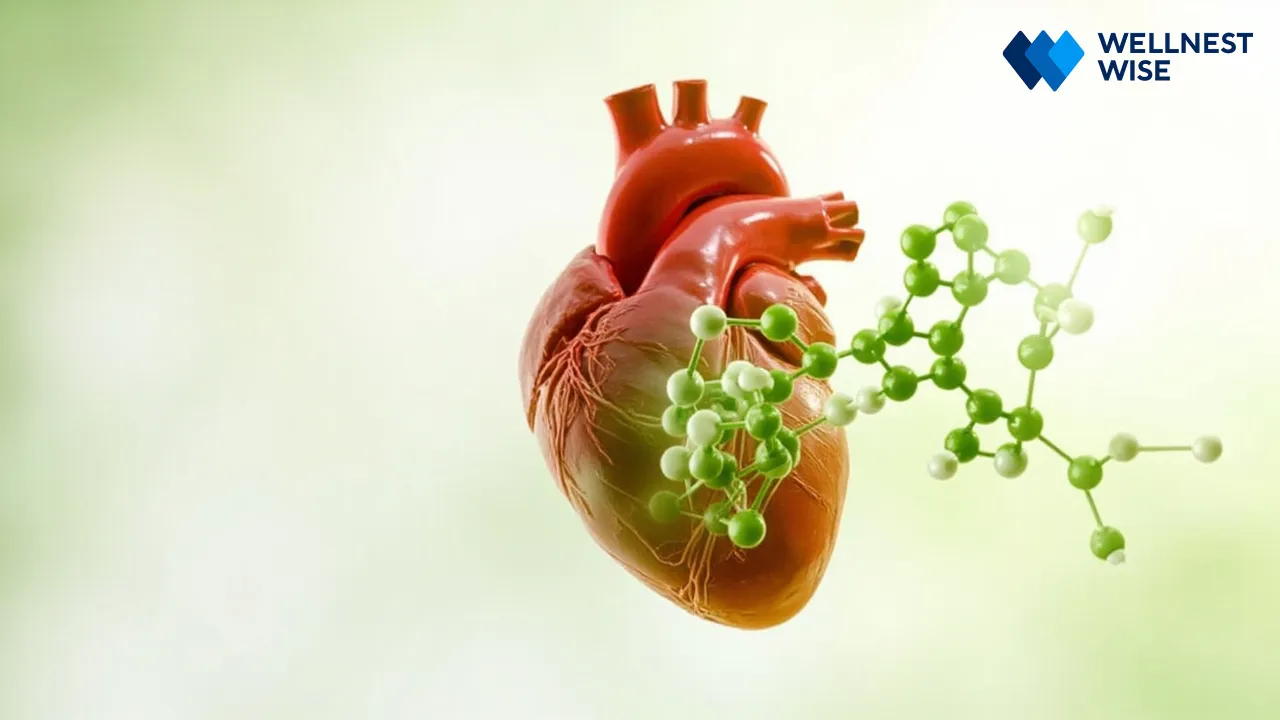
One of the most critical green tea benefits for heart health is its ability to positively affect lipid profiles. Meta-analyses show that green tea polyphenols can lead to a modest but beneficial reduction in LDL cholesterol (the “bad” cholesterol), typically in the range of 5–10% [Data: WHO Healthy Diet Fact Sheet]. Furthermore, EGCG supports healthy endothelial function—the ability of blood vessels to dilate and constrict effectively—which is vital for maintaining healthy blood pressure and reducing the risk of plaque buildup.
Anti-inflammatory Effects and Mitigation of Chronic Disease Markers
Chronic low-grade inflammation is now recognized as a driver for nearly all noncommunicable diseases, from heart disease to arthritis. Green tea’s high antioxidant capacity allows it to act as a powerful anti-inflammatory agent. By modulating cellular pathways, catechins help suppress inflammatory responses, offering an internal shield that supports overall cellular longevity.
Reducing Risk Factors Associated with Metabolic Syndrome
Metabolic syndrome is a cluster of conditions—including high blood pressure, high blood sugar, excess abdominal fat, and abnormal cholesterol levels—that collectively increase the risk of heart attack and stroke. Because green tea addresses individual components (improving insulin sensitivity, lowering LDL, aiding lipid oxidation), it acts as a holistic dietary tool for mitigating several risk factors simultaneously.
Potential Chemopreventive Properties: An Overview of Anti-Cancer Research
While research is ongoing and should not be misinterpreted as a claim of cure, extensive laboratory and epidemiological studies have explored green tea’s potential chemopreventive properties. EGCG is thought to inhibit tumor growth and proliferation in various types of cancer (including breast, prostate, and colorectal). However, the results in human clinical trials are mixed, emphasizing that while green tea may be a protective component of a healthy lifestyle, it must never replace standard medical treatments.
Optimal Consumption: Dosage, Preparation, and Safety Considerations
To truly leverage the green tea benefits we’ve discussed, it’s essential to move beyond casual consumption and focus on the practical details of dosage and preparation.
Recommended Daily Intake: How Much EGCG is Needed for Therapeutic Effects?
The therapeutic effect of green tea is dose-dependent, primarily linked to the intake of EGCG. Standard brewed green tea typically contains between 50 mg and 100 mg of EGCG per 8 oz cup, varying widely based on quality and brewing.
| Health Goal | Recommended Daily Consumption | Target EGCG Dosage (Approx.) | Notes |
|---|---|---|---|
| :— | :— | :— | :— |
| General Antioxidant Support | 1–2 standard cups | 100–150 mg | Supports daily cellular health and hydration. |
| Metabolic/Weight Management | 3–5 standard cups | 250–400 mg | Must be combined with exercise and diet; consume before activity. |
| Cholesterol Lowering | 4–6 standard cups | 350–500 mg | Consistent daily intake over 12+ weeks is typically required. |
| Cognitive Enhancement | 2–3 standard cups (or 1 serving Matcha) | 200–300 mg | Maximizes the synergy between L-Theanine and caffeine. |
Optimal Preparation: Maximizing Catechin Extraction and Bioavailability
How you brew your tea drastically impacts the amount of EGCG you consume. Too much heat can destroy catechins, while too little won’t fully extract them.
Ideal Water Temperature and Steeping Time for Different Varieties (Sencha, Matcha)
Avoid boiling water (100°C/212°F). The ideal temperature range for maximizing catechin extraction while preserving the delicate flavor and compounds is between 160°F and 185°F (71°C to 85°C). Steeping time should be approximately 3 minutes. For Matcha, whisking the powder into hot water (not boiling) immediately releases all the compounds into the beverage.
Additives that Enhance Bioavailability (e.g., Citrus or Ascorbic Acid)
One powerful trick to increase the absorption of EGCG is to add a splash of lemon juice or another form of ascorbic acid (Vitamin C). The acidic environment protects the catechins from degradation in the gut, potentially increasing bioavailability by up to four times.
Potential Drug Interactions and Side Effects of High Consumption
While generally safe, high consumption of green tea, particularly concentrated extracts, can lead to adverse effects or interact with medications.
- Caffeine Sensitivity: High intake may cause jitteriness, anxiety, or insomnia, especially in the evening.
- Iron Absorption: Catechins can bind to iron, potentially inhibiting its absorption. Individuals with iron deficiency should avoid drinking green tea during meals.
- Drug Interactions: Green tea may interfere with certain medications, including blood thinners (like Warfarin) and certain liver enzyme systems. Always consult a healthcare provider if taking prescription medications.
- Liver Toxicity: Rare cases of liver toxicity have been linked to extremely high-dose, isolated green tea supplements, particularly when consumed on an empty stomach. Traditional brewed tea is much safer.
Addressing Quality Concerns: Ensuring Purity and Avoiding Heavy Metal Contaminants
Because the tea plant absorbs elements from the soil, heavy metal contaminants (such as lead or aluminum) can be a concern, particularly in lower-quality teas. This is especially true when consuming Matcha, where the entire leaf is ingested. To ensure purity, seek out reputable brands that provide third-party testing results, confirming low levels of contaminants and high levels of EGCG.
Conclusion & Takeaways
The profound health benefits of green tea are well-supported by robust scientific evidence, placing it firmly in the category of functional foods. From enhancing subtle metabolic processes through EGCG-induced thermogenesis to fostering clear, sustained mental focus via the unique pairing of caffeine and L-Theanine, green tea offers accessible, daily protection.
Integrating 3 to 5 cups of high-quality, properly brewed green tea into a balanced diet provides a powerful defense against oxidative stress and supports long-term cardiovascular and cognitive health. Make this ancient ritual a modern cornerstone of your daily wellness routine, maximizing the benefits with optimal preparation techniques like adding a touch of lemon.
*
FAQ: Practical Green Tea Questions Answered
What is the best time of day to drink green tea for metabolism?
The optimal time to drink green tea for a metabolic boost is 30 to 60 minutes before exercise or spread throughout the morning and early afternoon. Consuming it just before physical activity maximizes the mild thermogenic and fat-oxidation effects of EGCG and caffeine. Avoid drinking it late in the day to prevent caffeine from disrupting sleep patterns.
Can green tea interfere with medications or cause side effects?
Yes, high-dose green tea extracts or excessive consumption of regular tea can potentially cause issues. The most common side effect is related to caffeine (insomnia, anxiety). Crucially, green tea catechins can reduce the effectiveness of certain blood pressure medications (beta-blockers) and may interfere with the action of the blood thinner Warfarin. If you are taking prescription medication, specifically blood thinners, consult your doctor before significantly increasing your intake.
How much EGCG is needed daily to see significant health benefits?
For significant therapeutic effects beyond general antioxidant intake—such as supporting modest weight management or cholesterol lowering—research generally points to a required daily intake of 250 mg to 500 mg of EGCG. This translates roughly to 3 to 6 cups of traditionally brewed, high-quality green tea per day, or one concentrated serving of quality Matcha. Consistency over several weeks or months is key to realizing these systemic benefits.