Imagine waking up to the aroma of freshly baked bread, drizzled with olive oil, and sprinkled with a vibrant, earthy spice. That’s the simple magic of Za’atar, a staple across the Middle East for millennia. Beyond its captivating taste, Za’atar offers a treasure trove of health benefits, rooted in its powerful ingredients. From enhancing digestion to boosting immunity, exploring its culinary uses can transform your meals and your well-being. Let’s unlock the ancient secrets of this remarkable blend.
Understanding Za’atar: A Journey Through Its Components and Heritage
For many, Za’atar evokes memories of warm kitchens and vibrant Middle Eastern cuisine. But before we dive into its myriad health advantages, truly appreciating this spice means understanding its very essence: the carefully chosen components that give it its distinctive flavor and therapeutic properties. It’s a blend steeped in history, much more than just a seasoning.
(تصویر پیشنهادی : A beautifully arranged shot of a traditional Middle Eastern market stall, featuring various spices in rustic bowls, with a prominent display of Za\’atar mix and individual piles of dried green thyme leaves, deep red sumac powder, and golden sesame seeds scattered around it on a textured linen cloth. A few fresh sprigs of thyme are gently placed nearby. – Authentic Za\’atar spice blend and its individual ingredients: thyme, sumac, and sesame seeds in a market setting – zaatar-market-stall.jpg)
What Exactly is Za’atar? Deconstructing the Aromatic Blend
At its core, Za’atar is an aromatic and tangy spice blend, deeply cherished in Middle Eastern and Mediterranean cultures. While the exact recipe can vary by region and family, it typically consists of a harmonious mix of dried thyme, ground sumac, toasted sesame seeds, and often salt. This unique combination creates a flavor profile that is earthy, tangy, nutty, and slightly peppery, making it incredibly versatile in the kitchen. It’s not just a flavor enhancer; it’s a cultural icon, symbolizing hospitality and wholesome nourishment.
The Core Ingredients: Thyme, Sumac, and Sesame Seeds Explained
The true power of Za’atar stems from its foundational components. Each ingredient brings its own distinct flavor, texture, and, crucially, a rich array of nutrients and bioactive compounds that contribute to the blend’s impressive health benefits. Understanding these core ingredients helps us appreciate the depth of this ancient spice.
Thymus Vulgaris: The Foundation of Flavor and Wellness
At the heart of Za’atar lies dried wild thyme (Thymus vulgaris), revered for its pungent, earthy notes. This potent herb is a powerhouse of antioxidants, particularly carvacrol and thymol, which contribute significantly to its renowned anti-inflammatory and antimicrobial benefits. Thyme not only defines Za’atar’s signature aroma but also underpins much of its wellness potential.
Rhus Coriaria: Sumac’s Tangy Zest and Antioxidant Power
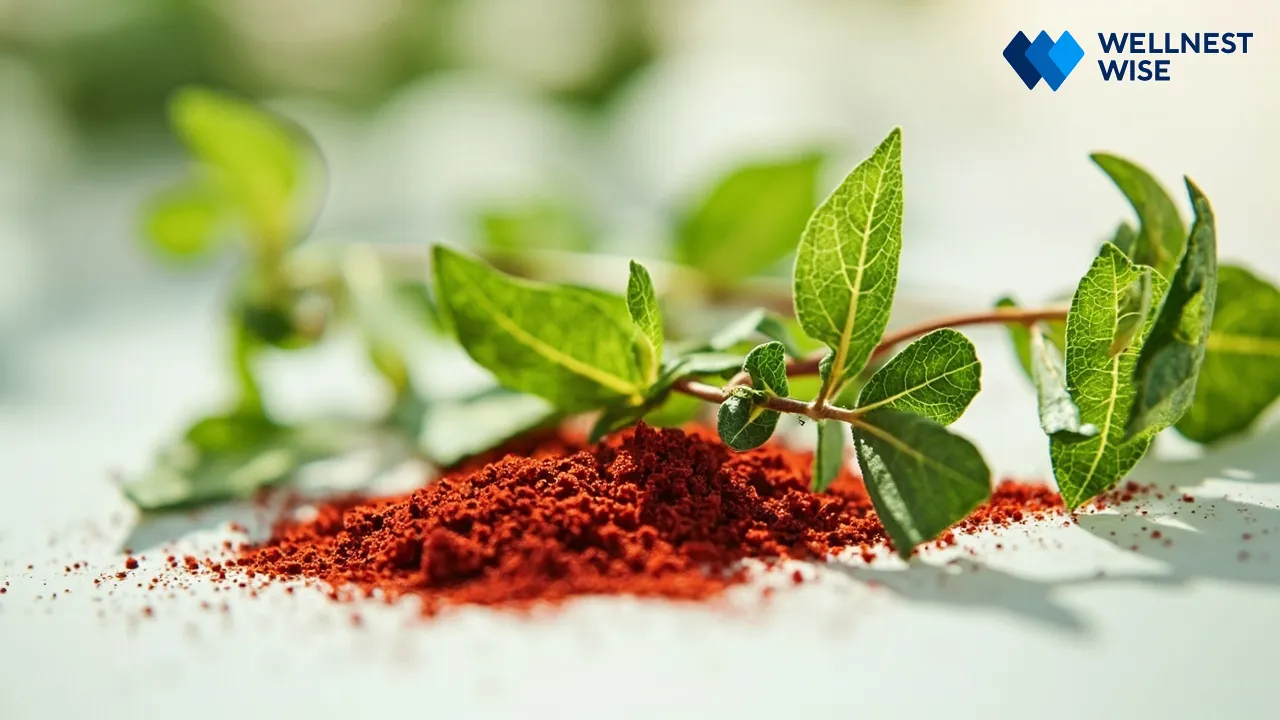
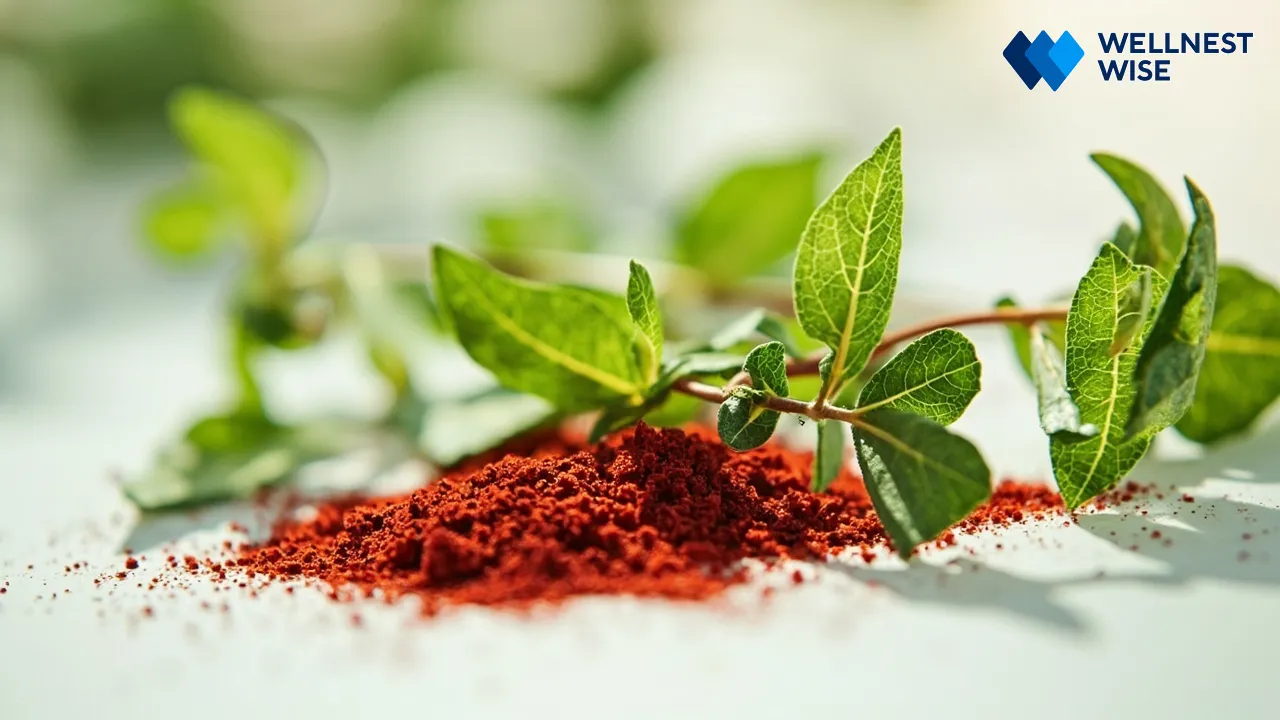
The deep red, tangy powder you find in Za’atar is sumac (Rhus coriaria). This spice delivers a bright, lemony zest without the acidity, perfectly balancing the thyme. Beyond its unique flavor, sumac is celebrated for its exceptionally high content of polyphenols and other antioxidants, which are key to its potent anti-inflammatory and potential cholesterol-lowering health properties.
Sesamum Indicum: Sesame Seeds for Nutrition and Texture
Toasted sesame seeds (Sesamum indicum) add a delightful nutty crunch and richness to Za’atar. These tiny seeds are packed with essential nutrients, including healthy fats (monounsaturated and polyunsaturated), fiber, protein, and minerals like calcium, iron, and magnesium. They enhance both the texture and the comprehensive nutritional profile of the blend, rounding out its flavor beautifully.
A Glimpse into Za’atar’s Rich History and Cultural Significance
Za’atar’s roots run deep, dating back to ancient times across the Middle East. Historically, it wasn’t just a spice; it was a symbol of health, strength, and even intelligence. Lore suggests that schoolchildren were given Za’atar to boost their memory. This blend has been a dietary staple for centuries, used not only to season food but also for its perceived medicinal properties. From everyday breakfast tables to festive feasts, Za’atar embodies the rich culinary heritage and communal spirit of the region. Its enduring presence speaks to its deep cultural value and its role as a bridge between generations.
Distinguishing Authentic Za’atar Blends from Imitations and Additives
With the rising popularity of Za’atar, it’s crucial to be able to identify an authentic blend. True Za’atar should have a vibrant green-red-golden hue, a fresh, earthy aroma, and a balanced tangy-nutty flavor. Beware of blends that appear dull brown, contain excessive amounts of fillers like wheat or cornmeal, or rely heavily on artificial coloring or flavorings. Some cheaper versions might even use citric acid to mimic sumac’s tanginess. A quality blend will prominently list thyme, sumac, and sesame seeds as its primary ingredients, ensuring you get the full flavor and all the health benefits of Za’atar spice without unwanted additives.
The Science-Backed Health Benefits of Za’atar: Beyond Flavor
While Za’atar is undeniably delicious, its appeal stretches far beyond the palate. A growing body of scientific evidence underscores the remarkable health benefits of Za’atar spice, attributing its therapeutic power to the synergistic action of its components. From protecting cells to soothing internal inflammation, let’s explore how this ancient blend supports modern wellness.
Powerful Antioxidant Properties: Fighting Oxidative Stress with Phenolic Compounds
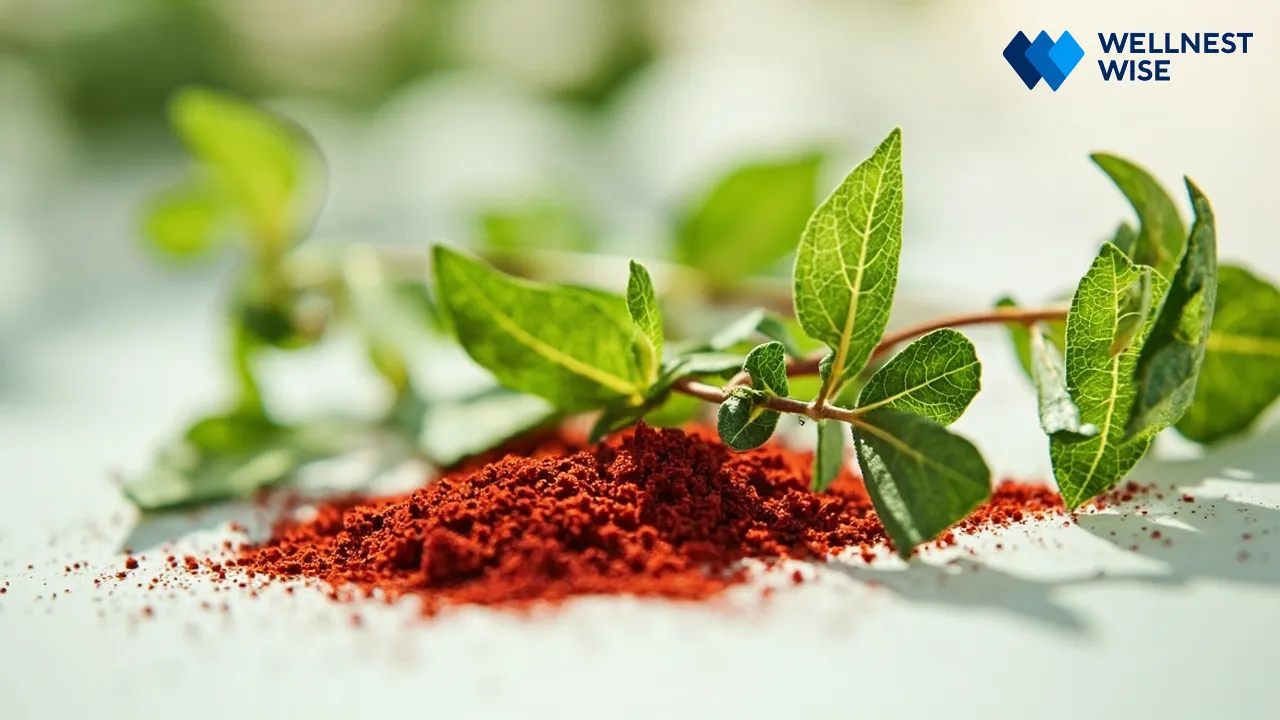
One of the most significant Za’atar benefits comes from its potent antioxidant capacity. Both thyme and sumac are exceptionally rich in phenolic compounds like thymol, carvacrol, gallic acid, and quercetin. These powerful antioxidants actively scavenge free radicals in the body, which are unstable molecules that can cause cellular damage, leading to chronic diseases and premature aging. By combating oxidative stress, Za’atar helps protect your cells, contributing to overall health and vitality. This makes it an excellent addition to an antioxidant-rich diet.
“The beauty of Za’atar lies not just in its individual components but in their synergy. Thyme, sumac, and sesame seeds each bring unique antioxidants and phytonutrients to the table, creating a blend that’s far more powerful than the sum of its parts for supporting overall wellness, especially gut and immune health.”
Anti-Inflammatory Compounds: Soothing the Body Naturally with Carvacrol and More
Chronic inflammation is a silent contributor to many serious health issues, from heart disease to autoimmune conditions. Fortunately, Za’atar is an exceptional source of anti-inflammatory foods. Carvacrol, a key compound in thyme, has been extensively studied for its strong anti-inflammatory effects. Sumac also contributes to this by inhibiting inflammatory pathways. Regular consumption of Za’atar can therefore help to naturally soothe inflammation throughout the body, promoting healing and reducing the risk of inflammation-related ailments.
Supporting a Healthy Gut Microbiome and Digestive Wellness
For those seeking to improve their gut health, Za’atar offers compelling advantages. Its blend of herbs and seeds works harmoniously to support a balanced gut microbiome and enhance digestive comfort. It’s often considered one of the leading digestive aid spices in traditional herbal medicine.
How Za’atar’s Ingredients Contribute to Digestive Comfort
The combination of thyme, sumac, and sesame in Za’atar offers potent digestive support. Thyme’s antimicrobial compounds can help balance gut flora, while sumac’s astringent properties may aid in soothing inflammation. Sesame seeds contribute healthy oils that can facilitate bowel regularity, making Za’atar a truly effective digestive aid spice in traditional remedies. Many who incorporate it regularly into their diet report feeling lighter and experiencing fewer instances of digestive upset.
The Role of Fiber and Prebiotics in Gut Health
Beyond its individual components’ direct effects, the fiber present in Za’atar’s ingredients, particularly from sesame seeds and thyme, plays a crucial role in gut health. This dietary fiber acts as a prebiotic, nourishing beneficial gut bacteria and supporting a diverse gut microbiome. A healthy microbiome is fundamental for efficient digestion, nutrient absorption, and overall well-being. A vibrant gut flora is not just about digestion; it impacts mood, immunity, and even metabolism.
Boosting Immune System Function for Enhanced Resilience
With its rich concentration of antioxidants, vitamins, and minerals, Za’atar is a powerful ally for your immune system. Thyme, in particular, is known for its antimicrobial and antiseptic properties, helping the body fight off various pathogens. Sumac’s antioxidant compounds further contribute to cellular protection, bolstering the body’s natural defenses. Including Za’atar in your diet can help fortify your immune response, making you more resilient against common illnesses and promoting overall vitality.
Potential Cardiovascular Health Advantages and Lipid Management
The components within Za’atar have also shown promise in supporting cardiovascular health. Sesame seeds contribute heart-healthy monounsaturated and polyunsaturated fats which can help manage cholesterol levels. Sumac, rich in polyphenols, has been investigated for its potential to lower “bad” LDL cholesterol and improve overall lipid profiles. By incorporating Za’atar into a balanced diet, you’re not just adding flavor; you’re taking a proactive step towards supporting a healthy heart and maintaining optimal blood vessel function.
Other Emerging Benefits: From Cognitive Support to Bone Density
Beyond these primary advantages, research into Za’atar and its individual components continues to uncover a spectrum of other potential health benefits. Some studies suggest that the antioxidants in thyme and sumac may offer neuroprotective effects, potentially supporting cognitive function and memory. Furthermore, the minerals found in sesame seeds, such as calcium and magnesium, are crucial for maintaining strong bones and preventing conditions like osteoporosis, contributing to overall skeletal health. While more research is always ongoing, the holistic potential of Za’atar is truly exciting.
Za’atar’s Nutritional Profile: What’s Inside This Super Spice?
Understanding the health benefits of Za’atar becomes even clearer when we look at its impressive nutritional composition. This isn’t just a flavor enhancer; it’s a “super spice” packed with compounds that actively contribute to well-being. Let’s delve into the Za’atar nutrition facts to truly appreciate the concentrated goodness found within this earthy blend.
Key Vitamins, Minerals, and Phytonutrients in Za’atar
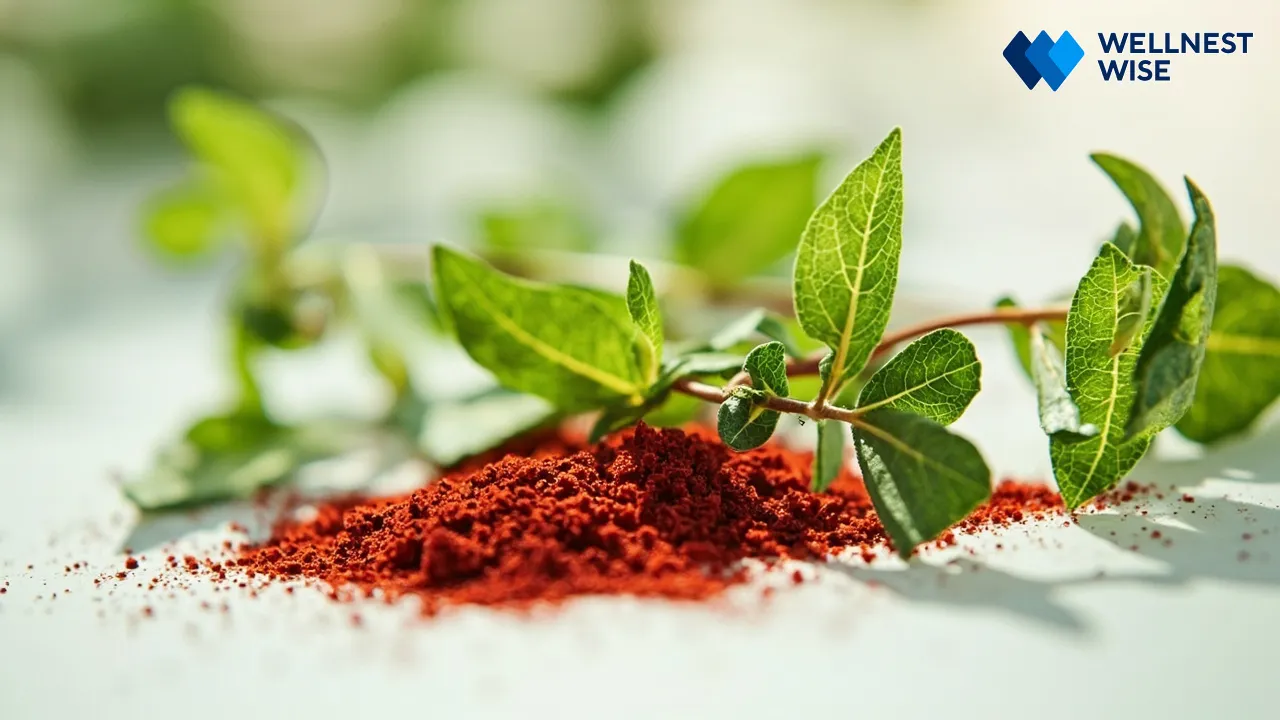
Despite being consumed in relatively small quantities, Za’atar delivers a concentrated dose of essential micronutrients. It’s particularly notable for its content of minerals like iron, calcium, and manganese, all vital for various bodily functions including energy metabolism, bone health, and antioxidant defense. Furthermore, it contains a small but significant amount of Vitamin C (especially from sumac) and other B vitamins. The real star, however, is its wealth of phytonutrients, including the powerful phenolic compounds and polyphenols that give it much of its therapeutic punch.
A Breakdown of Macronutrients: Protein, Fiber, and Healthy Fats
Beyond the micronutrients, Za’atar also contributes valuable macronutrients to your diet. The sesame seeds are a good source of healthy unsaturated fats, including omega-6 fatty acids, which are important for cell function and energy. These fats also contribute to a feeling of satiety. The blend provides a decent amount of dietary fiber from both the seeds and dried herbs, aiding digestion and promoting gut health. While not a primary protein source, it does offer a small amount of plant-based protein, further rounding out its nutritional profile.
Comparing Za’atar’s Nutritional Value to Individual Components
To truly understand the comprehensive nature of the blend, it’s helpful to see how Za’atar combines the strengths of its individual ingredients.
| Key Nutritional Component (per 1 tbsp / 5g, approx. values) | Za’atar Blend | Dried Thyme | Sumac Powder | Sesame Seeds |
|---|---|---|---|---|
| :———————————————————- | :————— | :————— | :————— | :————— |
| Antioxidant Capacity | Very High | High | Very High | Moderate |
| Fiber Content (g) | Good (0.5-1g) | Good (0.5g) | Moderate (0.3g) | High (0.6g) |
| Iron | Moderate | Moderate | Low | Moderate |
| Calcium | Moderate | Low | Low | High |
| Vitamin C | Low | Low | Moderate | Trace |
| Manganese | Moderate | High | Low | Moderate |
| Healthy Fats (g) | 1-2g | <0.1g | <0.1g | 1-1.5g |
| Protein (g) | 0.5-1g | 0.1g | 0.1g | 0.5g |
Note: Nutritional values can vary based on specific blend ratios, growing conditions, and processing methods.
Integrating Za’atar into Your Daily Diet: Culinary Inspirations
One of the most exciting aspects of Za’atar is how easily it can be incorporated into almost any meal, transforming simple dishes with its complex flavor profile. Learning how to use Za’atar opens up a world of culinary possibilities, perfectly aligning with healthy eating principles, especially within the context of Mediterranean diet spices. Let’s discover creative ways to bring this ancient blend to your table.
Traditional Uses in Middle Eastern and Mediterranean Cuisine
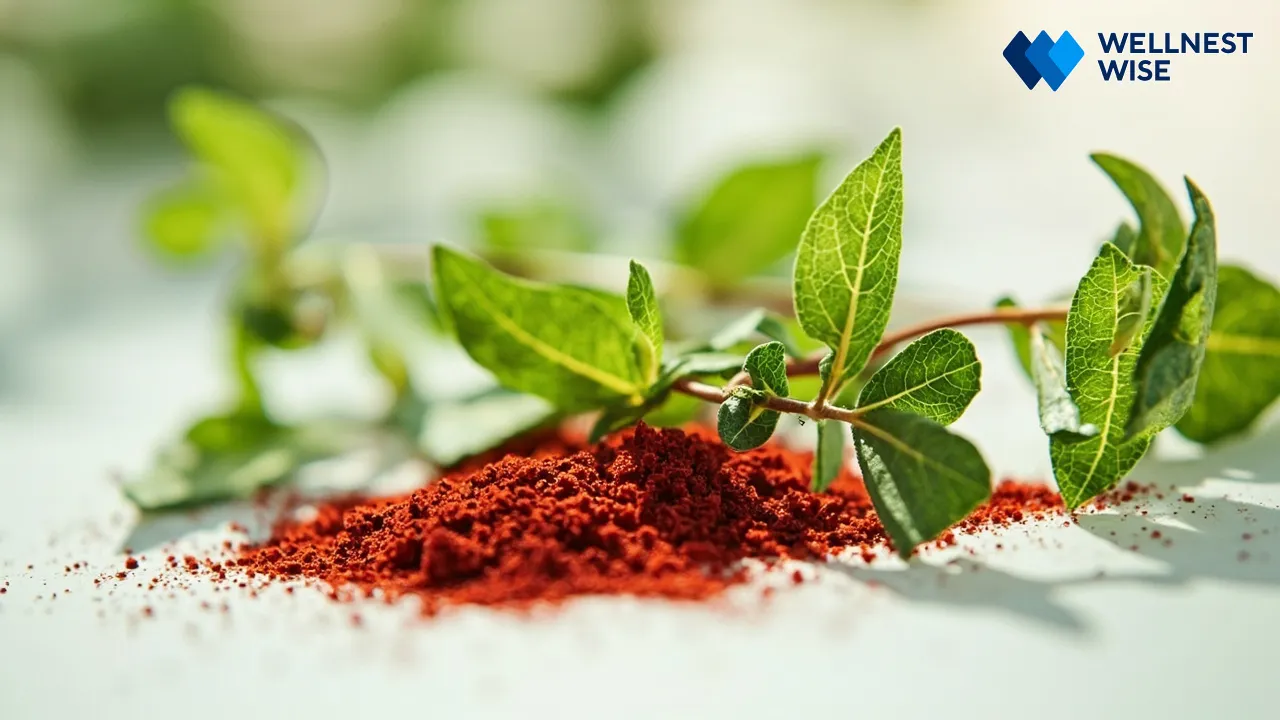
For generations, Za’atar has been a cornerstone of Middle Eastern and Mediterranean tables. Its most iconic use is arguably with olive oil and bread – a simple yet deeply satisfying breakfast or snack. You’ll find it sprinkled over creamy labneh (strained yogurt), baked into flatbreads like Manakish, or generously dusted over fresh vegetables, hummus, and salads. It’s also traditionally used as a marinade for meats or fish, lending an earthy and tangy dimension that is both authentic and incredibly delicious. These traditional applications highlight its versatility and how seamlessly it integrates into everyday meals.
Beyond Hummus and Labneh: Creative Ways to Use Za’atar in Cooking
While its traditional uses are timeless, Za’atar is incredibly adaptable and can elevate a wide range of dishes beyond its classic pairings. Don’t be afraid to experiment with this flavorful blend to bring a vibrant, aromatic twist to your favorite recipes. Its unique profile makes it a fantastic seasoning that goes well with virtually any savory dish.
Enhancing Breakfasts and Brunch with Aromatic Flavor
Start your day with a flavorful boost by adding Za’atar to breakfast. Sprinkle it over scrambled or fried eggs, mix it into an omelet with fresh herbs, or create a savory yogurt bowl with labneh (strained yogurt), olive oil, and a generous dusting of Za’atar. It adds an unexpected depth and zest that elevates morning routines, making it a healthy and exciting start.
Elevating Lunches and Dinners with Spice
For main meals, Za’atar is incredibly versatile. Rub it onto chicken, fish, or lamb before roasting or grilling for a Mediterranean twist. Stir it into soups, stews, or pasta sauces for an aromatic depth. It also pairs wonderfully with roasted vegetables like potatoes, carrots, or cauliflower, creating flavorful and nutritious side dishes. Imagine Za’atar-crusted salmon or a vibrant lentil soup infused with its earthy notes.
Snack-Time Solutions with a Za’atar Twist
Looking for healthier snack alternatives? Za’atar is your secret weapon. Sprinkle it on popcorn, blend it into a homemade dip with Greek yogurt, or toast pita bread and brush it with olive oil and Za’atar for a quick, satisfying crunch. It’s an easy way to infuse flavor and nutrients into your everyday munchies, turning ordinary snacks into something special and beneficial.
Simple Recipes to Get Started with Za’atar
Getting started with Za’atar is easier than you think. Here are a few practical and easy-to-follow recipes to introduce this incredible spice blend into your daily cooking:
- Za’atar Roasted Root Vegetables: Toss chopped carrots, parsnips, and sweet potatoes with olive oil and a generous tablespoon of Za’atar before roasting until tender and caramelized.
- Za’atar and Olive Oil Dip: Mix two tablespoons of Za’atar with a quarter cup of extra virgin olive oil. Serve with warm pita bread or crusty sourdough for a classic, simple appetizer.
- Za’atar-Crusted Chicken: Lightly coat boneless, skinless chicken breasts or thighs with olive oil, then press firmly into a plate of Za’atar before baking or pan-frying for a flavorful, aromatic crust.
- Za’atar-Spiced Scrambled Eggs: Whisk eggs with a pinch of Za’atar, a splash of milk, and salt. Scramble as usual for an earthy, savory breakfast with a Mediterranean flair.
- Za’atar-Infused Salad Dressing: Whisk Za’atar into your favorite vinaigrette alongside lemon juice and a touch of honey for a unique, herbaceous dressing that elevates any green salad.
Tips for Storing Za’atar to Preserve Freshness and Potency
To maintain the vibrant flavor and potent health benefits of your Za’atar blend, proper storage is key. Always keep Za’atar in an airtight container, away from direct sunlight, heat, and moisture. A cool, dark pantry or cupboard is ideal. While Za’atar doesn’t truly “go bad” in the sense of spoiling, its aromatic compounds and potency will diminish over time. Aim to use it within 6-12 months of purchase for the best flavor experience. You’ll know it’s time to refresh your supply if the blend loses its distinctive, pungent aroma.
Frequently Asked Questions About Za’atar (FAQ)
As Za’atar gains popularity beyond its traditional regions, many questions arise about its usage, safety, and health claims. We’ve compiled some common inquiries to provide clear, science-backed answers and address your concerns.
Is Za’atar Safe for Everyone to Consume? Addressing Common Concerns and Allergies
For most individuals, Za’atar is generally considered safe for consumption as a food spice. However, like any food item, potential concerns exist. Individuals with allergies to sesame seeds, a core ingredient, should avoid Za’atar. Those with specific allergies to thyme or sumac should also exercise caution. If you have a sensitive digestive system or are prone to allergies, it’s always wise to introduce new foods gradually and consult with a healthcare professional if you have any doubts. Pregnant or breastfeeding women should also discuss dietary changes with their doctor.
How Much Za’atar Should I Consume for Optimal Health Benefits?
There isn’t a universally prescribed “dose” for Za’atar, as it’s a food spice rather than a supplement. The health benefits are typically observed with regular, moderate consumption as part of a balanced diet. A good starting point is one to two tablespoons per day, sprinkled on various meals. Consistency is more important than consuming large amounts at once. Listen to your body and adjust according to your taste preferences and digestive comfort.
Can Za’atar Be Used as a Medicinal Herb or Supplement?
While Za’atar boasts impressive health benefits and has been used traditionally for its medicinal properties, it’s important to understand its role. Za’atar is a food spice, and while it contributes to overall wellness, it should not be considered a substitute for prescribed medication or professional medical advice. Its health effects are best realized as part of a comprehensive, nutritious diet and healthy lifestyle. If you’re seeking to address specific health conditions, consult with a qualified healthcare provider.
The Za’atar Difference: A Flavorful Path to Wellness
The journey into Za’atar’s ancient secrets reveals much more than a simple spice blend. It unveils a culinary treasure steeped in history, brimming with flavor, and packed with scientifically recognized health benefits. This vibrant mix truly offers a unique opportunity to enrich your diet and your life.
Embracing Za’atar as a Staple in a Balanced and Nutritious Diet
As we’ve explored, Za’atar offers compelling reasons to become a regular feature in your kitchen. From its potent antioxidant and anti-inflammatory properties to its significant contributions to gut health and immune system function, this “super spice” easily integrates into a balanced and nutritious diet. Its versatility in culinary uses, whether in traditional Middle Eastern cuisine or innovative new dishes, makes healthy eating both delicious and effortless.
The Synergistic Power of Thyme, Sumac, and Sesame for Holistic Health
The true genius of Za’atar lies in the unique synergy of its core ingredients. Thymus vulgaris (Thyme), Rhus coriaria (Sumac), and Sesamum indicum (Sesame seeds) each bring a distinct profile of vitamins, minerals, healthy fats, fiber, and powerful phytonutrients. Together, they create a blend that amplifies individual benefits, offering a holistic approach to wellness that supports everything from cardiovascular health to cognitive function.
Your Invitation to Explore the Ancient Benefits of Za’atar
We invite you to experience the enriching world of Za’atar for yourself. Discover how this extraordinary blend can transform your meals into flavorful, nourishing experiences. Whether you’re new to its taste or a long-time admirer, there’s always a new way to enjoy its ancient health benefits and vibrant flavor. Pick up some authentic Za’atar today and embark on your own delicious path to enhanced wellness.