Imagine a tiny seed, no bigger than a poppy seed, that fueled ancient civilizations and now holds a prized place in modern health circles. This isn’t a myth; it’s the reality of chia seeds. Once a staple for Aztec warriors and Mayans, these unassuming seeds are packed with nutrients, offering a wide array of chia seeds benefits for anyone looking to boost their health naturally. Get ready to dive into the world of this remarkable superfood and discover how it can transform your diet.
Understanding Chia Seeds: A Nutritional Legacy Unveiled
For centuries, these diminutive seeds lay mostly undiscovered by the Western world, quietly serving as a nutritional cornerstone in specific regions. Today, as global awareness of functional foods grows, chia seeds have emerged from the annals of ancient history to reclaim their rightful place as a modern dietary champion, celebrated for their unique composition and profound health advantages.
What Exactly Are Chia Seeds? Tracing the Origins of Salvia Hispanica
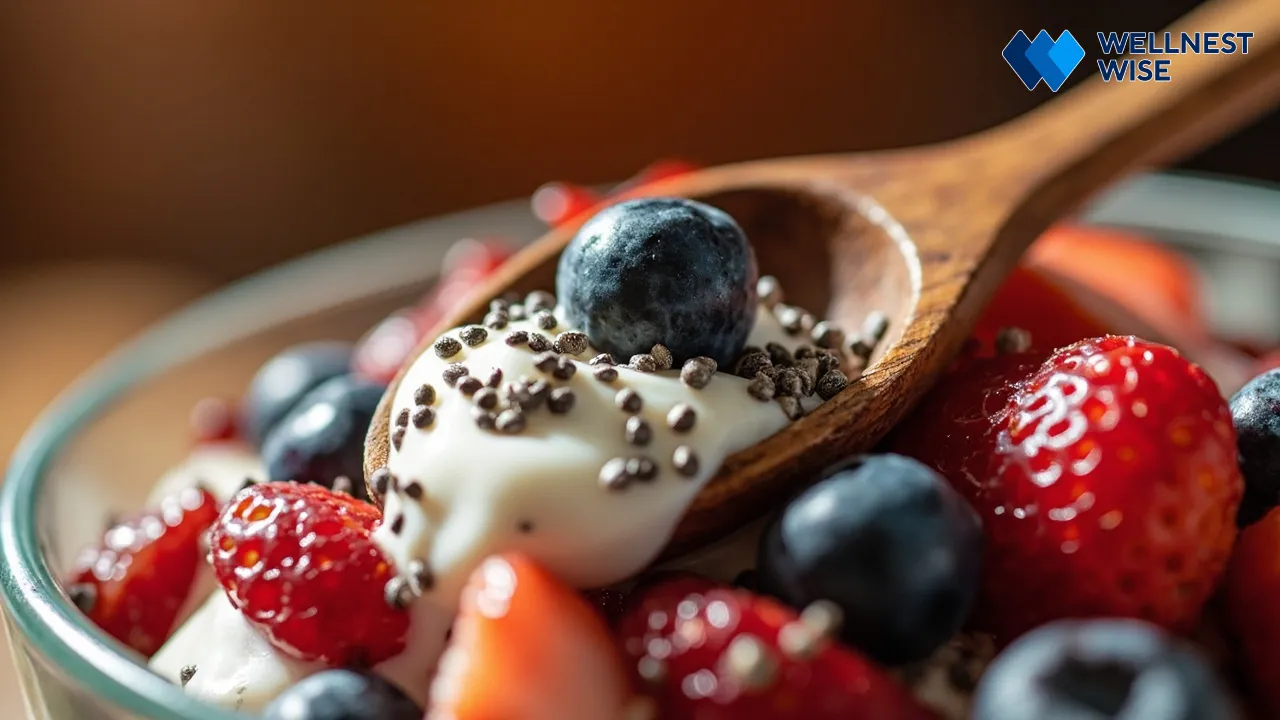
Chia seeds come from Salvia hispanica, a flowering plant in the mint family native to central and southern Mexico and Guatemala. Historically, they were a crucial food crop for pre-Columbian Mesoamerican cultures, cultivated alongside corn and beans. The word “chia” itself is derived from the Nahuatl word “chian,” meaning “oily.” These small, oval seeds are typically gray, brown, black, or white, and possess a remarkable ability to absorb liquid, forming a gel-like consistency.
The Rise of Chia: From Ancient Staple to Modern Superfood
Once a forgotten food, chia seeds saw a resurgence in the late 20th and early 21st centuries. Their rediscovery by nutritionists and health enthusiasts quickly propelled them into the spotlight as a sought-after superfood. This renewed interest is largely due to their impressive nutrient density, offering a simple yet powerful way to enhance a balanced diet. From ancient energy boosters to contemporary smoothie stars, chia seeds have truly made a comeback.
The Remarkable Nutritional Profile of Chia Seeds: A Deep Dive
When you look at a spoonful of chia seeds, you might not immediately grasp the incredible nutritional wealth they contain. Yet, these tiny dynamos are bursting with essential macronutrients and micronutrients that collectively contribute to a robust health profile, making them far more than just a passing trend in the world of healthy eating.
A Rich Source of Dietary Fiber: Fueling Digestive Health
Perhaps one of the most celebrated aspects of chia seeds nutrition is their extraordinarily high dietary fiber source. Just a two-tablespoon serving can provide a significant portion of your daily recommended fiber intake. This fiber is predominantly soluble, which means it forms a gel when mixed with water. This gel-forming action is fantastic for gut health superfood, promoting regularity, supporting beneficial gut bacteria, and helping you feel fuller for longer.
Unpacking Omega-3 Fatty Acids (ALA): Essential for Cardiovascular Wellness
Chia seeds are renowned as an excellent plant-based source of Omega-3 fatty acids (ALA), specifically alpha-linolenic acid. These essential fatty acids are crucial for human health but cannot be produced by the body, so they must be obtained through diet. ALA plays a vital role in reducing inflammation and supporting overall cardiovascular health, contributing to a healthy heart and brain function.
The Power of Plant-Based Protein: Supporting Muscle and Satiety
For those seeking to increase their plant-based protein intake, chia seeds are a fantastic option. They offer a complete protein, meaning they contain all nine essential amino acids that the body needs. This makes them particularly valuable for vegetarians, vegans, and anyone looking to support muscle repair, growth, and maintain healthy satiety levels throughout the day.
Key Vitamins and Minerals: Beyond the Macronutrients
Beyond their impressive fiber, omega-3s, and protein, chia seeds also deliver a punch of essential vitamins and minerals. They are a good source of calcium, phosphorus, magnesium, and manganese – all vital for bone health. You’ll also find smaller amounts of zinc, vitamin B3 (niacin), potassium, and vitamin B1 (thiamine), rounding out their comprehensive nutrient profile.
Antioxidant-Rich Food: Protecting Cellular Health
Chia seeds are an antioxidant-rich food, containing compounds like chlorogenic acid, caffeic acid, myricetin, quercetin, and kaempferol. These potent antioxidants help protect your body from oxidative stress and free radical damage, which are linked to various chronic diseases and the aging process.
The Role of Antioxidants in Combating Oxidative Stress
Antioxidants are compounds that fight harmful molecules called free radicals in your body. Free radicals can damage cells, leading to inflammation and disease. By neutralizing these free radicals, the antioxidants in chia seeds act as a protective shield, safeguarding cellular health and supporting your body’s natural defense mechanisms.
Unlocking the Diverse Health Benefits of Chia Seeds
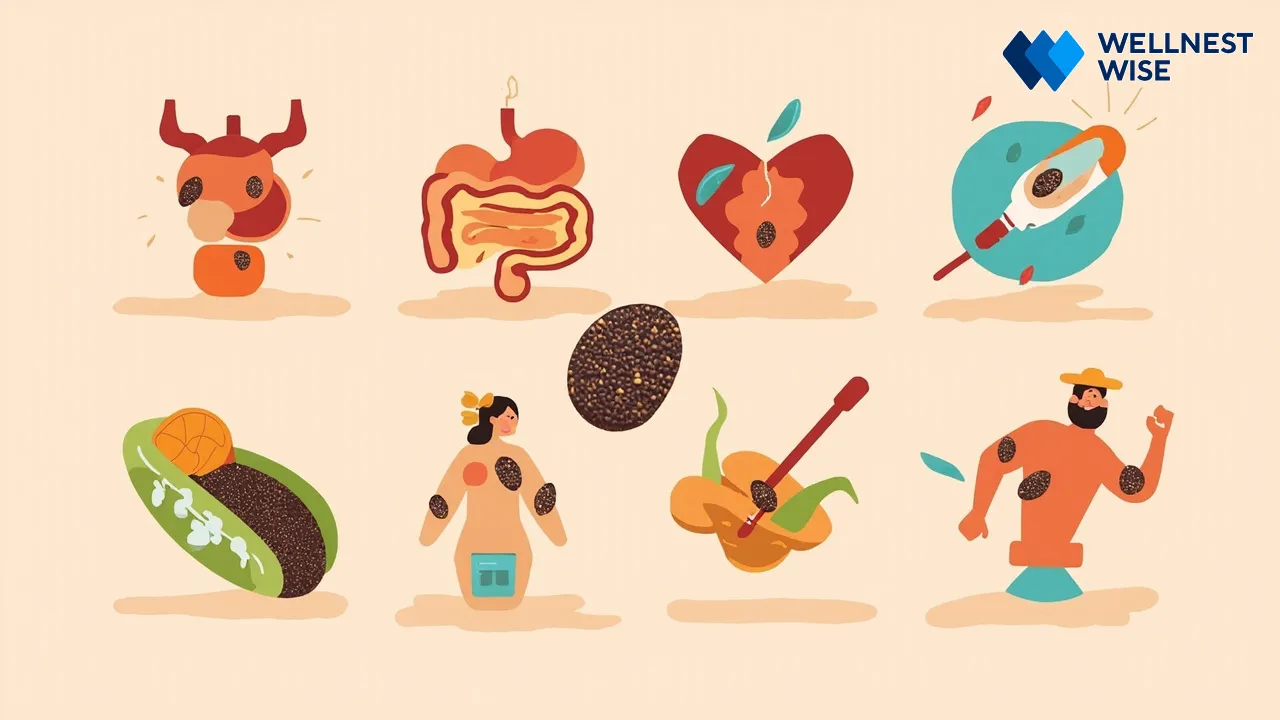
The remarkable nutritional profile of chia seeds translates into an impressive array of health benefits that can positively impact various aspects of your well-being. From your digestive system to your heart, these tiny seeds pack a powerful punch, making them a valuable addition to a balanced and health-conscious diet.
Enhancing Digestive Regularity and Gut Microbiome Balance
Thanks to their high dietary fiber source, chia seeds are excellent for promoting digestive regularity. The soluble fiber absorbs water, forming a gel that helps move food smoothly through your digestive tract, preventing constipation. This also acts as a prebiotic, feeding the beneficial bacteria in your gut and contributing to a balanced gut microbiome, essential for overall health.
The Mucilage Factor: How Soluble Fiber Aids Digestion
The unique gelatinous texture of soaked chia seeds comes from mucilage, a soluble fiber. This mucilage not only aids in stool formation and regularity but also creates a protective barrier in the gut. This can soothe the digestive lining and slow down the absorption of sugars, leading to more stable energy levels and better blood sugar regulation.
Supporting Cardiovascular Health: A Heart-Healthy Superfood
The Omega-3 fatty acids (ALA) in chia seeds are highly beneficial for your heart. ALA helps reduce inflammation, lower triglyceride levels, and may even help normalize blood pressure, all factors that contribute to a healthier cardiovascular system. Regular consumption as part of a balanced diet can play a supportive role in reducing the risk of heart disease.
Regulating Blood Sugar Levels: Aiding Glucose Control
Chia seeds can be a great asset for individuals looking to manage their blood sugar regulation. The fiber content slows down the conversion of carbohydrates into sugar, leading to a more gradual rise in blood glucose levels after meals. This can be particularly helpful for those with insulin resistance or type 2 diabetes, helping to prevent sharp spikes and crashes.
Contributing to Sustainable Weight Management and Satiety
If you’re aiming for healthy weight management, chia seeds for weight loss can be a supportive addition. Their combination of fiber and protein helps increase feelings of fullness and satiety, which can naturally reduce overall calorie intake. By keeping hunger at bay, these seeds can help prevent overeating and support your dietary goals without feeling deprived.
Bolstering Bone Health and Mineral Density
Despite their small size, chia seeds are a powerhouse for bone health. They contain several key nutrients vital for maintaining strong bones, including calcium, phosphorus, and magnesium. In fact, just two tablespoons can provide a significant percentage of your daily calcium needs, making them an excellent dairy-free option for bone support.
Promoting Optimal Hydration and Electrolyte Balance
One fascinating property of chia seeds is their ability to absorb up to 10-12 times their weight in water. When consumed, especially soaked, they can help your body stay hydrated over a longer period by slowly releasing the absorbed water. This can also aid in maintaining electrolyte balance, particularly beneficial during exercise or in warm climates.
Boosting Energy and Endurance: A Natural Performance Enhancer
Ancient cultures recognized chia seeds as a potent energy source, and modern science supports this. The balanced combination of healthy fats, protein, and slow-releasing carbohydrates provides sustained energy without the jitters associated with stimulants. Many athletes incorporate chia seeds into their diet for improved endurance and a natural performance boost.
Practical Integration: How to Effortlessly Incorporate Chia Seeds into Your Daily Diet
Integrating chia seeds into your daily routine is surprisingly simple, adding a nutritious boost without much fuss. Their mild flavor and versatile texture make them adaptable to a multitude of dishes, ensuring you can easily enjoy their benefits every day.
Essential Preparation Methods: Soaked vs. Dry Consumption
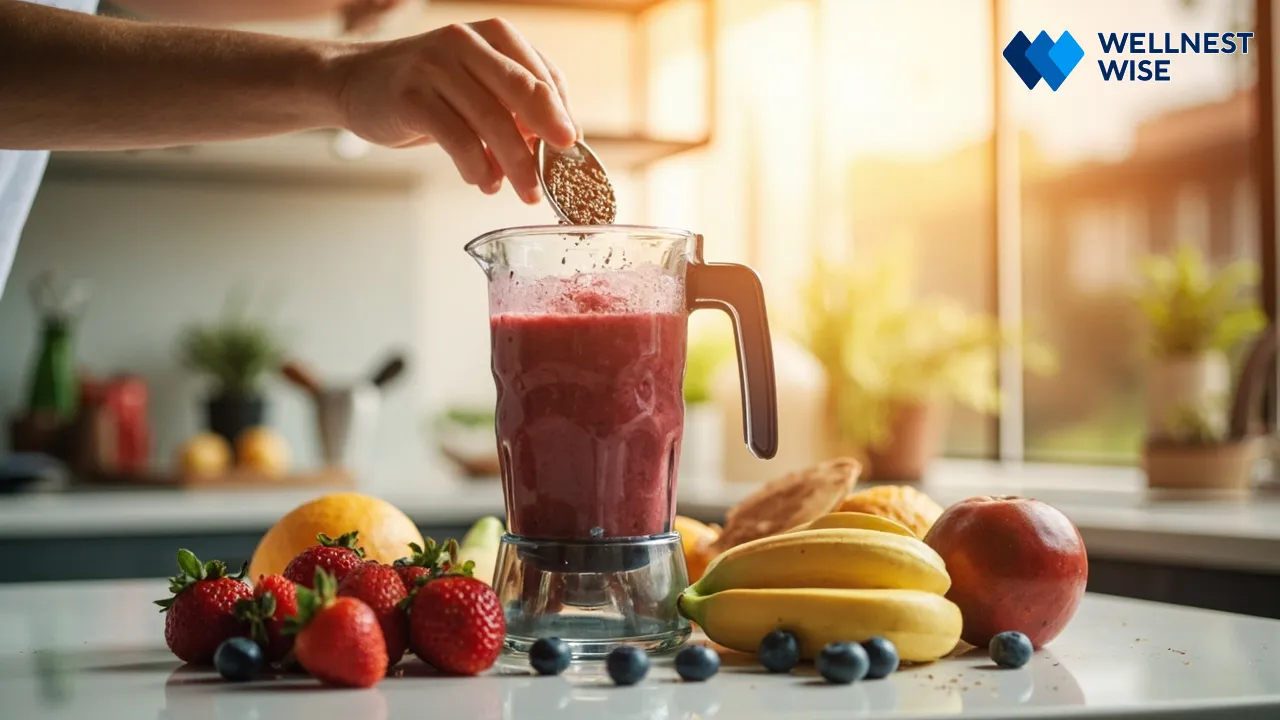
Understanding how to eat chia seeds starts with preparation. You can consume chia seeds dry (e.g., sprinkled over dishes), but it’s often recommended to soak them first. Soaking allows them to absorb water and form a gel, which aids digestion and nutrient absorption. Simply mix them with liquid (water, milk, juice) at a ratio of about 1 part chia to 4-6 parts liquid, and let them sit for 15-30 minutes, or even overnight.
Recommended Portion Sizes and Safe Daily Intake
Generally, a serving of chia seeds is 1-2 tablespoons (about 15-30 grams) per day. While they are highly beneficial, it’s wise to start with a smaller amount (e.g., 1 tablespoon) and gradually increase your intake, especially if you’re new to high-fiber foods. This allows your digestive system to adjust and helps prevent any potential discomfort.
Creative Ways to Enjoy Chia Seeds Throughout Your Day
The versatility of chia seeds makes them a joy to add to almost any meal. Here are some effortless ways to enjoy them:
- Breakfast Boosters: Stir into oatmeal, yogurt, or overnight oats for added texture and nutrients.
- Lunch Enhancers: Sprinkle over salads, mix into dressings, or add to sandwich spreads.
- Snack Solutions: Blend into smoothies, use in energy bites, or make delicious chia pudding.
- Dinner Additions: Use as a thickening agent in soups and stews, or a binder in veggie burgers.
- Baking & Desserts: Incorporate into muffins, breads, or as a natural egg substitute in vegan recipes.
Tips for Maximizing Nutrient Absorption
To get the most out of your chia seeds, ensure adequate hydration throughout the day, especially if consuming them dry. Soaking them before consumption can also enhance digestibility and nutrient bioavailability. Pairing them with Vitamin C-rich foods (like berries in a smoothie) can further boost antioxidant absorption.
Delicious Chia Seed Recipes: Culinary Inspiration for Healthy Living
Embracing chia seeds in your diet doesn’t mean sacrificing flavor or variety. On the contrary, these adaptable seeds open up a world of culinary possibilities, allowing you to create healthful and delicious dishes that nourish your body from breakfast to dessert.
Nourishing Chia Seed Breakfast Ideas
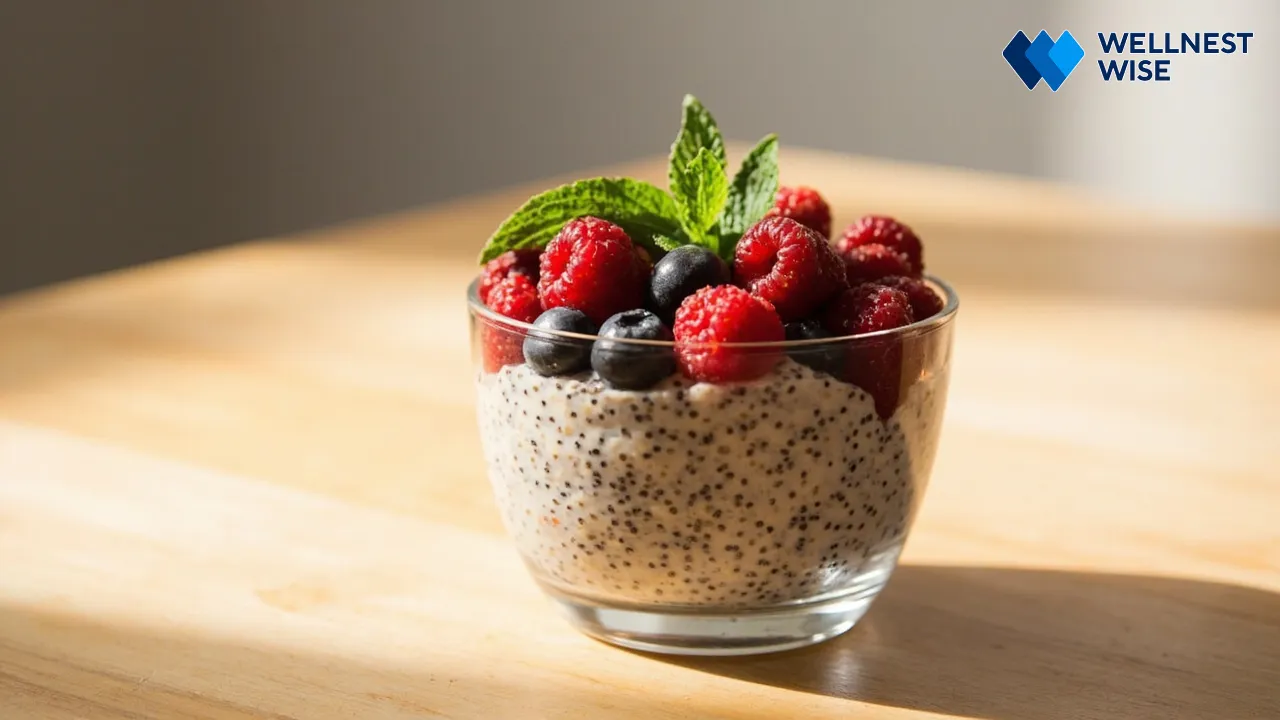
Kickstart your day with energy and nutrients! Chia seeds are perfect for overnight oats, turning humble oats into a creamy, satisfying meal. Or try a simple chia pudding layered with fresh fruits and a drizzle of honey, offering a quick, make-ahead breakfast that feels indulgent.
Refreshing Drinks and Smoothies Featuring Chia
For a quick boost, blend a tablespoon of chia seeds into your favorite smoothie. They thicken the drink and add a hidden dose of fiber and omega-3s. You can also make a refreshing chia fresca by mixing seeds with water, lime juice, and a touch of natural sweetener – a popular hydrating beverage.
Innovative Chia Seed Dessert Creations
Who says healthy can’t be delicious? Chia seeds transform into a delightful base for healthy desserts. Think creamy chocolate avocado chia mousse, fruit-filled parfaits, or even a simple berry chia jam for spreading on whole-grain toast. Their ability to gel makes them a fantastic natural thickener.
Savory Applications: Using Chia in Main Dishes
Don’t limit chia seeds to sweet treats! They can act as a subtle binder in homemade veggie burgers or meatloaf, or be sprinkled over roasted vegetables for added texture and nutrition. Some even use them as a gluten-free breading for fish or chicken, proving their savory potential.
Navigating Chia Seed Consumption: Important Considerations and Potential Concerns
While chia seeds are generally safe and beneficial for most people, it’s always wise to be aware of potential considerations and ensure they align with your individual health needs. Like any concentrated food, mindful consumption is key to enjoying their advantages without encountering unexpected issues.
Understanding Potential Digestive Discomfort: The Role of Hydration
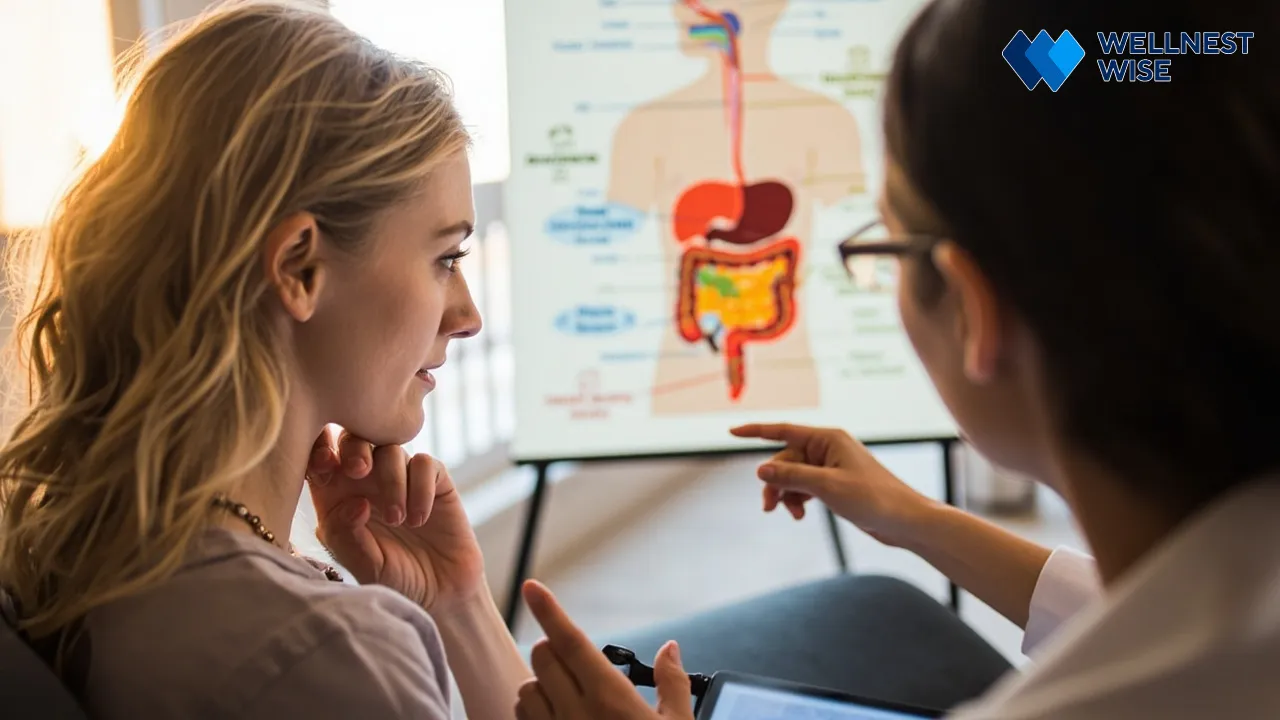
For some individuals, especially those new to high-fiber foods, introducing chia seeds too quickly or without enough hydration can lead to temporary digestive discomfort like bloating, gas, or constipation. This is usually due to the sudden increase in fiber. Start with small amounts and gradually increase, always drinking plenty of water throughout the day.
Addressing Allergies and Sensitivities to Chia Seeds
Although rare, allergic reactions to chia seeds can occur, particularly in individuals with existing allergies to other seeds (like sesame or mustard) or nuts. Symptoms can range from digestive issues and skin rashes to more severe reactions. If you experience any adverse effects, discontinue use and consult a healthcare professional.
Chia Seeds and Medication Interactions: What You Should Know
Due to their high fiber content and potential effects on blood sugar and blood pressure, chia seeds might interact with certain medications. For example, they could enhance the effects of blood-thinning medications or blood pressure-lowering drugs. If you are on any medication, it’s prudent to discuss chia seeds side effects and consumption with your doctor.
Specific Dietary Considerations: Pregnancy, Nursing, and Underlying Health Conditions
Pregnant and nursing individuals, as well as those with underlying health conditions like dysphagia (difficulty swallowing) or inflammatory bowel diseases, should consult their healthcare provider before significantly increasing their chia seed intake. While generally safe, personalized medical advice ensures optimal safety and benefit.
Ensuring Quality and Proper Storage of Chia Seeds
To maintain their nutritional integrity and prevent rancidity, chia seeds should be stored in a cool, dark, and dry place, ideally in an airtight container. Refrigeration can further extend their shelf life, especially after the package has been opened. Always purchase from reputable sources to ensure quality.
Separating Fact from Fiction: Debunking Common Chia Seed Myths
Like many popular health foods, chia seeds have gathered their share of myths and exaggerated claims. It’s important to sift through the hype to gain a realistic understanding of what these powerful seeds can truly offer, empowering you to make informed decisions for your health.
The “Miracle” Weight Loss Claim: A Balanced Perspective
While chia seeds for weight loss can be a supportive tool due to their fiber and protein content contributing to satiety, they are not a “miracle” solution. Weight loss is complex and depends on overall caloric intake, diet quality, exercise, and lifestyle. Incorporating chia seeds into an already balanced and calorie-controlled diet can aid weight management, but they won’t magically shed pounds on their own.
Are Chia Seeds the Ultimate Omega-3 Source? Understanding ALA Conversion
Chia seeds are an excellent plant-based source of Omega-3 fatty acids (ALA). However, the human body’s conversion of ALA into the more readily usable forms, EPA and DHA (found in fish oil), is relatively inefficient. While beneficial, chia seeds shouldn’t entirely replace other sources of EPA/DHA if those are needed for specific health goals. They contribute significantly to your overall omega-3 intake, but understanding the conversion process is key.
Nutrient Absorption: Addressing Phytate Concerns
Some sources raise concerns about phytates in chia seeds potentially inhibiting the absorption of minerals like iron and zinc. However, the levels of phytates in chia seeds are generally not high enough to cause significant concern in a balanced diet. Moreover, traditional preparation methods like soaking can help reduce phytate content. For most healthy individuals, the vast nutritional benefits of chia seeds far outweigh any minimal phytate-related concerns.
Your Wellness Journey with Chia Seeds: Empowering Informed Choices
As we conclude our exploration of chia seeds, it’s clear they are far more than just a trendy ingredient. They are a time-tested, nutrient-dense food with a profound ability to enhance various aspects of your health. By understanding their benefits and how to use them effectively, you’re now equipped to make empowered choices that contribute to your overall well-being.
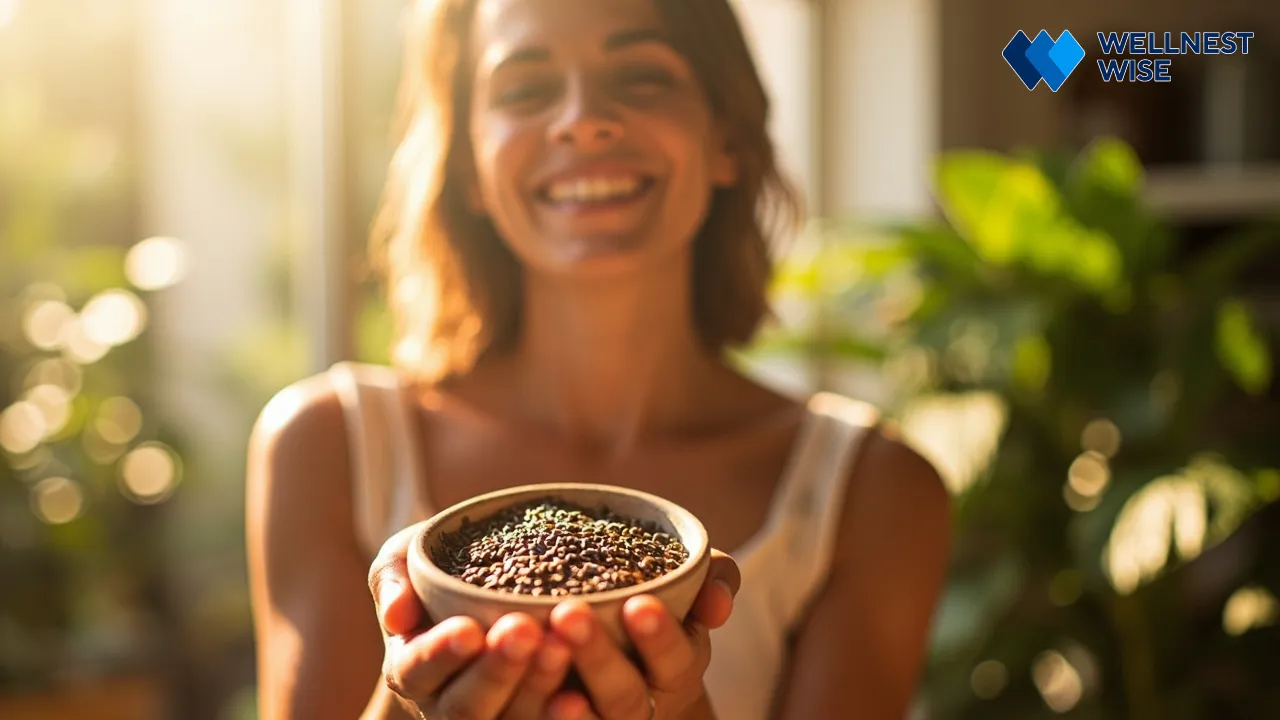
Key Takeaways for Harnessing Chia Seed Benefits
Incorporating chia seeds into your diet can be a simple yet impactful step towards better health. Here are the core insights to guide your journey:
- Nutrient Density: Recognize chia seeds as a rich source of fiber, omega-3s, protein, and antioxidants.
- Digestive Support: Understand their role in promoting gut health and regularity through their unique fiber content.
- Versatility: Appreciate the numerous ways to incorporate them into various meals and recipes, from breakfast to dinner.
- Mindful Consumption: Emphasize starting with small amounts and ensuring adequate hydration to prevent digestive discomfort.
- Holistic Approach: Integrate chia seeds as part of a balanced diet and healthy lifestyle, not as a standalone ‘cure-all’ but as a powerful adjunct.
Integrating Chia Seeds for Long-Term Health and Vitality
Ultimately, the journey to long-term health is about making consistent, informed choices. Adding chia seeds to your diet is one such choice that offers significant dividends. Embrace them as a simple, effective way to boost your nutritional intake, support vital bodily functions, and take a proactive step toward a more vibrant and energetic life. Enjoy the journey!
Conclusion & Takeaways
From ancient superfood to modern pantry staple, chia seeds undeniably earn their reputation as a tiny powerhouse of nutrition. Packed with fiber, beneficial omega-3s, and complete protein, they offer tangible benefits for digestion, heart health, blood sugar control, and even sustainable weight management. By understanding their unique profile and embracing versatile ways to incorporate them, you can effortlessly elevate your daily diet. Remember to start gradually, stay hydrated, and always consult a healthcare professional with specific concerns, ensuring these incredible seeds become a safe and valuable part of your personal wellness journey.
FAQ
What are the main health benefits of eating chia seeds regularly?
Regular consumption of chia seeds benefits digestive health due to high fiber, supports cardiovascular health with Omega-3 fatty acids (ALA), aids blood sugar regulation, contributes to satiety for weight management, and provides essential minerals for bone strength. They are also an antioxidant-rich food.
What is the best way to incorporate chia seeds into my daily diet?
The best way to enjoy chia seeds is by soaking them in liquid (water, milk, yogurt) to form a gel, which aids digestion. You can stir them into oatmeal, smoothies, salads, or make chia seed recipes like pudding. Start with 1-2 tablespoons per day and ensure adequate hydration.
Are there any potential side effects or precautions when consuming chia seeds?
While generally safe, chia seeds side effects can include digestive discomfort like bloating or gas if consumed in large amounts without sufficient hydration, especially for new users. Individuals on blood-thinning or blood pressure medications, or those with seed allergies, should consult a doctor before significantly increasing intake.