The rich aroma of slow-simmered walnuts and tart pomegranate molasses often signals a special occasion in Iranian homes. Fesenjan, this beloved Persian stew, is more than just a meal; it’s a celebration of heritage and flavor. While traditionally a rich dish, many wonder, “Is Fesenjan healthy?” and how they can enjoy this culinary treasure while maintaining a balanced diet. This article unveils the secrets to crafting a truly healthy Fesenjan recipe, ensuring you savor its authentic taste with added nutritional confidence.
Unveiling the Classic: The Cultural and Culinary Heart of Fesenjan
Imagine stepping into a bustling Iranian kitchen, where the air is thick with the sweet-sour fragrance of a slowly simmering stew. Fesenjan, or Khoresh-e Fesenjan (خورش فسنجان), is a dish deeply woven into the fabric of Persian culture, often gracing tables at weddings, Norooz celebrations, and family gatherings. Its distinctive flavor profile, a masterful balance of tart and sweet, makes it an unforgettable culinary experience that resonates with both tradition and comfort.
What Makes Fesenjan a Beloved Persian Culinary Gem?
Fesenjan’s allure lies in its unique combination of textures and flavors, setting it apart from other stews. It’s a dish that demands patience and attention, rewarding the cook with a deep, complex sauce that is both hearty and refined. The interplay of key ingredients creates a culinary masterpiece that is truly iconic.
The Rich Tapestry of Flavors and Aromas from Pomegranate and Walnuts
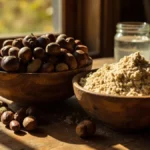
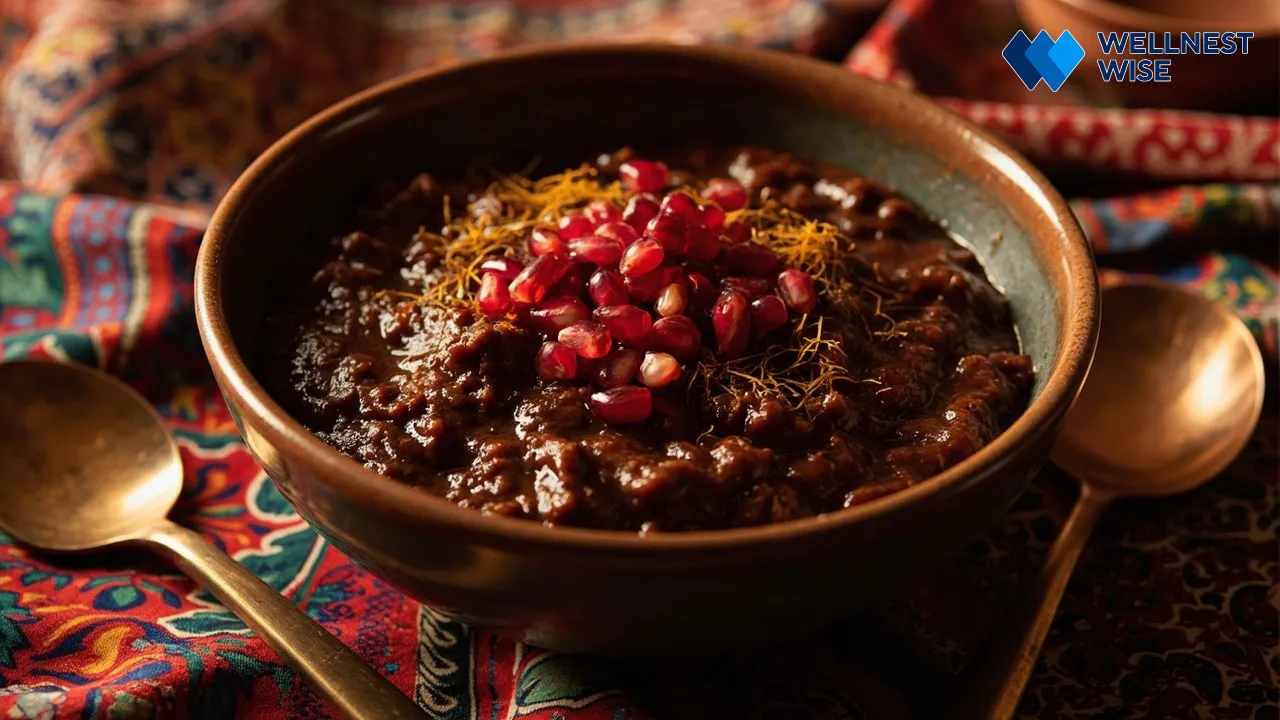
At its core, Fesenjan is a symphony of two star ingredients: pomegranate (Anar) and walnuts (Gerdoo). The dark, concentrated pomegranate molasses (rob-e anar) provides a signature tang and a beautiful, deep reddish-brown hue, while finely ground walnuts contribute a creamy texture and nutty depth. Often, a touch of saffron (Za’faran) is added, not just for its golden color, but for an ethereal aroma that elevates the entire dish. This blend of sweet, sour, and savory with an earthy undertone is simply irresistible.
Traditional Preparation: A Journey Through Slow Cooking and Patience
The magic of Fesenjan truly unfolds through slow cooking. Typically, the ground walnuts are gently toasted and then simmered for hours with the pomegranate molasses, often alongside pieces of poultry (traditionally duck or chicken, morgh). This extended simmer allows the walnuts to release their oils, creating a thick, luxurious sauce, and permits the flavors to meld and deepen into a harmonious blend. It’s a process that embodies the Persian culinary philosophy of nurturing food with time.
Is Fesenjan Healthy? Deconstructing the Nutritional Profile of the Classic
Given its rich ingredients, it’s natural to ask about Fesenjan’s nutritional standing. While undeniably delicious, traditional recipes often present a mixed bag from a health perspective. Understanding its composition is the first step toward creating a nutritious Persian food option.
Understanding the Caloric and Macronutrient Composition of Standard Fesenjan
Traditional Fesenjan can be quite calorie-dense due to the high fat content of walnuts and, frequently, generous amounts of added sugar or fruit paste to balance the tartness of the pomegranate molasses. A single serving might contain a significant number of Fesenjan calories, with a substantial portion coming from fats (primarily healthy unsaturated fats from walnuts) and carbohydrates (from both walnuts and added sweeteners). Protein content varies depending on the amount and type of meat used.
Potential Areas for Nutritional Enhancement in Traditional Recipes
While walnuts and pomegranates offer excellent health benefits, the conventional preparation of Fesenjan often overlooks opportunities for improvement. For instance, opting for leaner cuts of poultry, mindful portion control, and strategically reducing added sugars can significantly boost its health profile without compromising its characteristic flavor. This makes it a prime candidate for a diet-friendly Fesenjan adaptation.
The Powerhouse Ingredients: Unpacking the Nutritional Benefits of Pomegranate and Walnuts
At the heart of any healthy Fesenjan recipe lies its remarkable ingredients. The combination of pomegranate and walnuts isn’t just about flavor; it’s a testament to nature’s bounty, offering a wealth of nutrients that contribute to overall well-being. Let’s delve into the specific benefits of these two powerhouses.
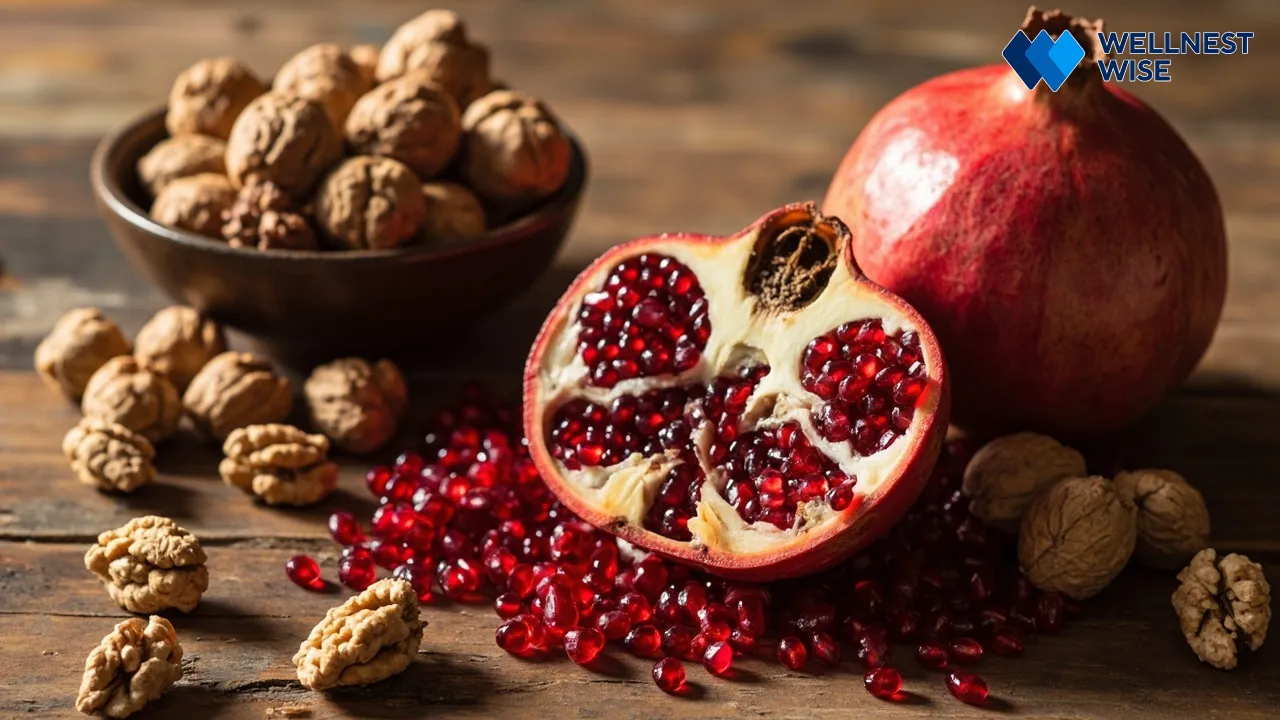
Pomegranate (Anar): A Burst of Antioxidants and Vital Micronutrients
Often called a “superfruit,” pomegranate (Anar) is renowned for its vibrant color and tart-sweet juice, but its true power lies in its rich nutritional content, particularly its potent antioxidants.
The Role of Antioxidants and Punicalagins in Cellular Health
Pomegranate is exceptionally rich in antioxidants, notably a unique type called punicalagins. These powerful compounds have been demonstrated to reduce oxidative stress in clinical studies [NIH MedlinePlus]. Oxidative stress is implicated in various chronic diseases, making pomegranate a valuable ally for cellular protection and reducing inflammation. Including pomegranate molasses in your Fesenjan means you’re infusing the dish with these beneficial properties.
Dietary Fiber and Vitamin C Contributions to Immune Function
Beyond antioxidants, pomegranates also offer a good source of dietary fiber and Vitamin C. Fiber is crucial for digestive health, promoting regularity and supporting a healthy gut microbiome. Vitamin C is a well-known immune booster, essential for protecting the body against infections and supporting overall immune function. These micronutrients further enhance the Fesenjan ingredients benefits.
Walnuts (Gerdoo): A Treasure Trove of Healthy Fats and Essential Minerals
Walnuts (Gerdoo) are perhaps the unsung heroes of Fesenjan, providing not only its signature texture but also a remarkable array of nutrients, particularly healthy fats.
Omega-3 Fatty Acids for Cardiovascular and Cognitive Wellness
Walnuts stand out among nuts for their high content of alpha-linolenic acid (ALA), a plant-based omega-3 fatty acid. An ounce (28g) of walnuts contains approximately 2.5 grams of ALA, which is crucial for cardiovascular health [USDA]. Regular consumption of walnuts has been associated with a roughly 20% lower risk of heart disease and improvements in markers of inflammation [Harvard]. These omega-3s also play a vital role in cognitive function, supporting brain health and reducing the risk of neurological conditions.
Exploring Protein, Fiber, and Mineral Content in Walnuts
Beyond healthy fats, walnuts are a good source of protein and dietary fiber, contributing to satiety and digestive health. They also provide essential minerals such as magnesium, phosphorus, and zinc, all vital for numerous bodily functions, from bone health to immune support. This makes Fesenjan a truly nutritious Persian food.
The Synergistic Health Benefits of Pomegranate and Walnuts in Fesenjan
When pomegranate and walnuts come together in Fesenjan, their individual health benefits are amplified, creating a potent synergy that supports various aspects of health.
| Key Ingredient | Primary Nutrient/Compound | Associated Health Benefit |
|---|---|---|
| :————- | :———————— | :—————————– |
| Walnuts | Omega-3 Fatty Acids (ALA) | Cardiovascular & Cognitive Health |
| Pomegranate | Punicalagins, Antioxidants | Antioxidant Protection, Cellular Health |
| Saffron | Crocin, Safranal | Mood Enhancement, Antioxidant Effects |
| Walnuts | Dietary Fiber | Digestive Health, Satiety |
| Pomegranate | Vitamin C | Immune Support |
Anti-Inflammatory and Heart-Protective Properties of this Persian Stew
The combination of omega-3s from walnuts and the powerful antioxidants from pomegranate creates a robust anti-inflammatory and heart-protective effect. The regular nut consumption, specifically walnuts, as part of a balanced diet, has been shown to improve cholesterol profiles and reduce inflammation, contributing to a lower risk of heart disease [Harvard]. The polyphenols in pomegranate further support this by mitigating oxidative damage to blood vessels. This makes Fesenjan a surprisingly heart-healthy dish.
Supporting Overall Metabolic Health and Well-being through Key Ingredients
The fiber content from both walnuts and pomegranate aids in blood sugar regulation, promoting stable energy levels and supporting overall metabolic health. The diverse micronutrients and beneficial compounds in these ingredients contribute to a feeling of vitality and sustained well-being, making this pomegranate walnut stew recipe a wholesome choice.
Crafting a Healthy Fesenjan Recipe: Smart Swaps and Preparation Hacks
Transforming traditional Fesenjan into a truly healthy Fesenjan recipe doesn’t mean sacrificing its beloved flavors. It’s about making smart ingredient swaps and employing clever preparation techniques that boost its nutritional value while retaining its authentic taste.

Choosing Leaner Proteins for a Health-Conscious Persian Stew
One of the most impactful changes you can make to your Fesenjan is selecting leaner protein sources. Traditional recipes often use fattier cuts of meat or duck, but alternatives can be just as delicious and more health-conscious.
Opting for Skinless Chicken Breast or Lean Turkey (Morgh)
Instead of duck or fattier cuts of chicken, choose skinless chicken breast or lean turkey (Morgh). These options significantly reduce the saturated fat content while still providing ample high-quality protein. The slow simmering process ensures the meat remains tender and absorbs all the rich flavors of the sauce.
Plant-Based Protein Alternatives for a Vegetarian or Vegan Fesenjan
For a delightful plant-based version, consider hearty alternatives like mushrooms, eggplant, or lentils. Sautéed mushrooms or roasted eggplant can provide a satisfying, meaty texture, while lentils offer a good source of plant protein and fiber, making for a robust and plant-based Fesenjan.
Reducing Added Sugars: Balancing Tartness Naturally
Traditional Fesenjan can sometimes lean heavily on added sugars to counter the tartness of pomegranate molasses. Reducing these without compromising flavor is key to a low-sugar Fesenjan.
- Date Paste: Use a small amount of date paste for a natural, unrefined sweetness that complements the nutty flavors. Dates also provide fiber and minerals.
- Apple Juice Concentrate: A touch of unsweetened apple juice concentrate can offer a subtle sweetness and additional fruit notes.
- Gradual Reduction: Start by using less sugar than a traditional recipe suggests. Taste the stew as it simmers and adjust gradually. You might find you prefer a more tart profile than initially expected.
- Minimal Honey/Maple Syrup: If a touch more sweetness is needed, a very small amount of honey or maple syrup can be used. These natural sweeteners are potent, so a little goes a long way.
The Role of High-Quality Pomegranate Molasses in Authentic Flavor Balance
The quality of your pomegranate molasses (Rob-e Anar) is paramount. A good quality molasses should be thick, dark, and possess a balanced tartness with a hint of natural fruit sweetness. Higher quality molasses may require less additional sweetener. Look for brands with minimal added sugars in the ingredient list to ensure you’re getting the pure essence of pomegranate.
Optimizing Walnuts for Maximum Nutritional Value and Texture
Walnuts are non-negotiable in Fesenjan, but how you prepare them can influence both their nutritional availability and the dish’s final texture.
Grinding Techniques for Releasing Omega-3 Fatty Acids and Rich Flavors
For the creamiest sauce, walnuts should be ground very finely, ideally into a butter-like consistency. This process helps release their natural oils, contributing to the stew’s characteristic richness and also making the beneficial omega-3 fatty acids more bioavailable. A food processor works wonders here.
The Impact of Lightly Roasting Walnuts on Aroma and Digestibility
Before grinding, lightly toasting the walnuts in a dry pan for a few minutes can significantly enhance their nutty aroma and flavor. This simple step adds depth to the stew. Furthermore, some find lightly roasted nuts easier to digest, which is a welcome bonus. Be careful not to burn them, as this can turn their healthy fats rancid.
Culinary Techniques for Enhancing Flavor and Nutrient Integrity
Beyond ingredient swaps, certain cooking methods can amplify both taste and health benefits.
Slow Simmering for Deep Flavor Development and Nutrient Preservation
The traditional slow simmering method is perfect for a nutritious Persian stew. Low and slow heat allows the flavors to meld beautifully and prevents the degradation of heat-sensitive nutrients in the walnuts and pomegranate. This patience is rewarded with a deeply flavorful and naturally thickened stew.
Incorporating Saffron (Za’faran) for Aroma and Antioxidant Boost
A pinch of high-quality saffron (Za’faran) not only imparts a magnificent aroma and subtle color but also adds its own antioxidant properties to the dish. Steep a few strands in a tablespoon of hot water before adding it to the stew towards the end of cooking to maximize its impact.
The Nutritionist’s Corner: Tips for a Balanced and Flavorful Fesenjan
As a dish rich in healthy fats and complex flavors, Fesenjan offers a unique opportunity for mindful eating. From a nutritionist’s perspective, understanding how to balance its components can transform this traditional delicacy into a truly wholesome meal.

Macronutrient Balance: Creating a Wholesome Fesenjan Meal
Achieving a balanced macronutrient profile is essential for a truly nutritious Persian food. Fesenjan, with its protein, fat, and carbohydrates, already has a great foundation.
Understanding Fesenjan Calories and Practicing Mindful Portion Control
While we’re making a healthy Fesenjan recipe, walnuts are calorie-dense. Being mindful of your serving size is crucial for managing Fesenjan calories. A standard portion for a main course might be about 1 to 1.5 cups. Enjoy it slowly, savoring each bite, which naturally leads to better satiety and less overeating. Remember, even healthy fats can add up quickly if portions are unchecked.
The Ideal Ratio of Protein, Healthy Fats, and Complex Carbohydrates
Aim for a balance that provides sustained energy. With lean protein, healthy fats from walnuts, and complex carbohydrates (especially when paired with brown rice), Fesenjan can be a complete meal. A good plate composition includes a serving of Fesenjan, a portion of whole grains, and a generous side of vegetables or salad to ensure a diverse intake of nutrients.
Expert Recommendations for Ingredient Sourcing and Quality
The quality of your ingredients directly impacts both the flavor and nutritional integrity of your Fesenjan. Investing in premium items pays dividends.
Selecting Premium Walnuts (Gerdoo) and Pomegranate Molasses (Rob-e Anar)
For optimal nutrient content, source fresh, high-quality walnuts. Look for whole, unblemished walnuts that feel heavy for their size. Store them in the refrigerator or freezer to prevent rancidity, which can degrade their healthy fats. For pomegranate molasses, seek out brands that list only “pomegranate” as an ingredient, ensuring no added sugars or artificial thickeners.
The Importance of Freshness and Purity for Optimal Nutrient Content
Fresh ingredients not only taste better but also retain more of their vitamins, minerals, and antioxidants. Using fresh pomegranate seeds for garnish, freshly ground spices, and pure, unadulterated molasses ensures your healthy Fesenjan is bursting with both flavor and beneficial compounds.
Enhancing Digestive Wellness: Fiber and Probiotic Pairings
Making Fesenjan more digestible and gut-friendly is simple with thoughtful pairings.
Pairing Fesenjan with Whole Grains and Fresh Herbs for Added Dietary Fiber
Serve your Fesenjan with whole grains like brown basmati rice, quinoa, or barley instead of white rice. These provide additional dietary fiber, which slows digestion, helps regulate blood sugar, and supports gut health. Garnishing with fresh herbs like mint or cilantro not only adds a burst of freshness but also some extra micronutrients.
Complementary Sides for a Nutritionally Complete Meal
Consider serving Fesenjan with a simple Persian salad (Salad Shirazi) made with cucumbers, tomatoes, and onions, or a side of steamed greens like spinach. A dollop of plain yogurt (if not dairy-free) can also add probiotics, making for a truly nutritionally complete meal.
Adapting Fesenjan for Specific Dietary Needs and Preferences
One of the beautiful aspects of Fesenjan is its inherent flexibility. With a few thoughtful adjustments, this rich Persian stew can be made to accommodate a variety of dietary needs, ensuring that everyone can enjoy a healthy version of this classic dish.
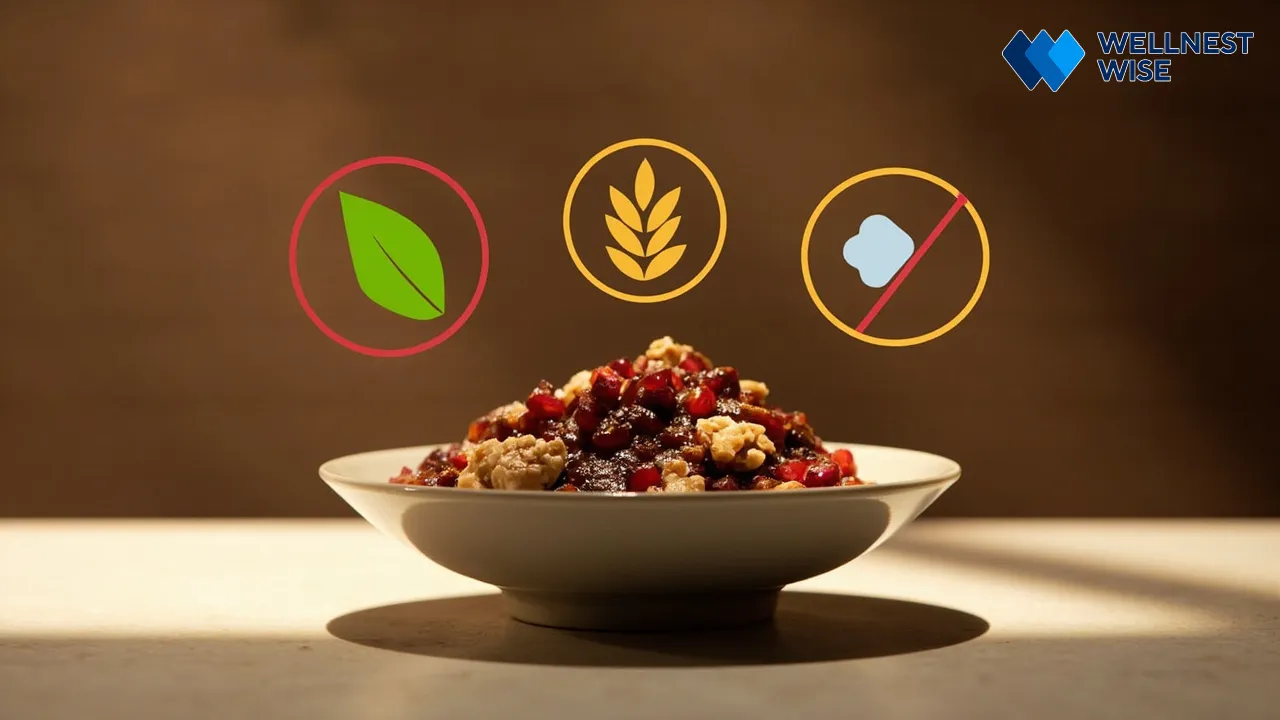
Gluten-Free Fesenjan: Naturally Accommodating for Celiac and Sensitivity
Good news for those with celiac disease or gluten sensitivity: Fesenjan is naturally gluten-free! Its traditional ingredients—walnuts, pomegranate molasses, and meat—do not contain gluten.
Ensuring All Ingredients are Certified Gluten-Free for Safety
While the core ingredients are naturally gluten-free, it’s always wise to double-check labels for any cross-contamination or hidden gluten in processed components like certain broths or spice blends, especially for severe sensitivities. Opt for certified gluten-free Fesenjan options to be completely safe.
Dairy-Free Fesenjan: A Naturally Dairy-Free Delight
Another win for dietary adaptability: Fesenjan is also inherently dairy-free. Traditional recipes do not call for any dairy products.
No Dairy Required: Enjoying the Original Recipe’s Purity
You can enjoy the original, pure recipe without making any special dairy-free substitutions. This makes Fesenjan a fantastic option for individuals with lactose intolerance or dairy allergies, offering a rich and creamy texture without any dairy products.
Low-Sugar Fesenjan: Flavor Without Excessive Sweetness
For those managing blood sugar or simply looking to reduce their sugar intake, a low-sugar Fesenjan is entirely achievable.
Smart Sweetener Choices and Adjusting Pomegranate Molasses Levels
As discussed earlier, focus on natural sweeteners like date paste or a minimal amount of honey/maple syrup if necessary. The key is to start with high-quality pomegranate molasses that has a natural balance of tartness and sweetness, allowing you to reduce or completely omit added sugars. Taste and adjust to your preference; many find a slightly tart Fesenjan incredibly satisfying. This creates a truly diet-friendly Fesenjan.
Plant-Based and Vegan Fesenjan: Delicious and Nutritious Alternatives
Creating a plant-based Fesenjan is not only possible but yields a remarkably flavorful and satisfying stew, proving that you don’t need meat to enjoy this Persian classic.
Harnessing the Power of Mushrooms, Eggplant, or Lentils as Protein Sources
Instead of poultry, explore hearty alternatives. Sautéed mushrooms (especially cremini or portobello) can provide a rich, umami depth. Roasted or pan-fried eggplant cubes soak up the sauce beautifully, adding a satisfying texture. For a protein boost, cooked green or brown lentils can be stirred into the stew, creating a vegan Fesenjan that is both delicious and nutritionally complete.
Maintaining Richness with Vegetable Broth and Strategic Spice Use
To maintain the stew’s characteristic richness without meat, use a good quality vegetable broth. Enhance the depth of flavor with strategic spice use, perhaps a touch more turmeric or a hint of cinnamon, which complements both pomegranate and walnuts. A tablespoon of olive oil can also contribute to the stew’s luscious mouthfeel.
Serving Your Healthy Fesenjan: Presentation and Enjoyment
You’ve put in the time and care to create a delicious and healthy Fesenjan recipe. Now, it’s time to enjoy it! Presentation plays a key role in the dining experience, and thoughtful pairings can further enhance both the flavor and nutritional value of your meal.
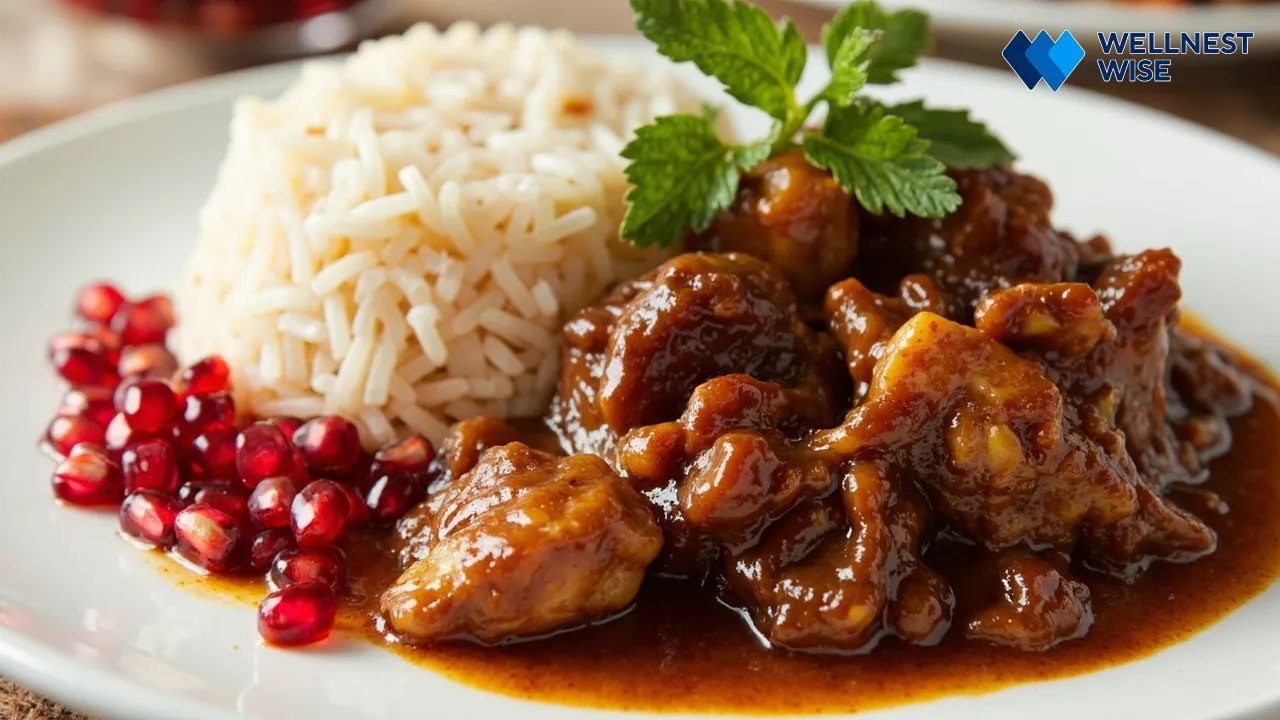
The Art of Pairing: What to Serve with Your Nutritious Fesenjan
Fesenjan is a star on its own, but complementary sides can elevate the meal, adding freshness, texture, and additional nutrients.
Complementary Grains: Brown Rice or Quinoa for Enhanced Fiber
While white basmati rice is traditional, opt for brown basmati rice or quinoa to enhance the fiber content and provide more sustained energy. The nutty flavor of brown rice pairs wonderfully with the walnuts in the stew, creating a harmonious and nutritious Persian food experience.
Fresh Salads and Herbs for Added Nutrients and a Refreshing Crunch
Balance the richness of Fesenjan with a vibrant, fresh side. A light Persian salad like Salad Shirazi (diced cucumber, tomato, onion with lemon juice and mint) or a simple plate of fresh herbs (sabzi khordan) such as mint, basil, and tarragon provides a refreshing crunch, added vitamins, and aids digestion.
Optimal Storage and Reheating Practices
Fesenjan often tastes even better the next day as the flavors continue to meld. Proper storage ensures you can enjoy your delicious leftovers safely and deliciously.
Preserving Flavor and Nutritional Value of Your Persian Stew
Store leftover Fesenjan in an airtight container in the refrigerator for up to 3-4 days. For longer storage, it freezes exceptionally well for up to 2-3 months. Freezing in individual portions makes for quick, healthy meals later on. The richness of the walnuts helps preserve the stew’s texture and flavor upon reheating.
Enjoying Leftovers Safely and Deliciously
When reheating, do so gently on the stovetop over low heat, stirring occasionally, until thoroughly warmed through. If the stew has thickened too much in the fridge, you can add a splash of water or broth to achieve the desired consistency. Garnish with fresh pomegranate seeds or herbs for a refreshed look and taste, making your Persian stew healthy and appealing even as a leftover.
Embrace a Healthier Persian Culinary Tradition with Your Healthy Fesenjan
The journey of crafting a healthy Fesenjan recipe is more than just cooking; it’s an embrace of culinary innovation within the rich tapestry of Persian tradition. You’ve discovered how small, intentional adjustments can transform a beloved classic into a dish that nourishes both body and soul, without compromising on the depth of flavor that makes Fesenjan truly special.

Reimagining a Classic for Modern Nutritional Goals
We’ve explored how to balance the authentic tradition of this pomegranate walnut stew recipe with contemporary health science. From leaner proteins and reduced sugars to optimizing walnut preparation and mindful portioning, each step contributes to a Fesenjan that aligns with modern nutritional goals while honoring its roots. It’s a testament to the fact that healthful eating can, and should, be deeply satisfying and culturally rich.
Balancing Authentic Tradition with Contemporary Health Science
This approach isn’t about reinventing the wheel, but rather refining it. By understanding the core components and making informed choices, you strike a perfect balance, preserving the soul of Fesenjan while enhancing its health benefits. It’s about enjoying the best of both worlds – tradition and wellness – in every spoonful of this nutritious Persian food.
The Enduring Appeal of a Mindfully Prepared Fesenjan
The enduring appeal of Fesenjan lies in its unique, comforting flavor. With a mindfully prepared healthy Fesenjan, you can savor that exquisite taste guilt-free and with nutritional confidence. Each bite is a blend of history, culture, and conscious eating, making your meal truly meaningful.
Savoring the Rich Flavors Guilt-Free and with Nutritional Confidence
No longer do you have to choose between indulgence and health. This approach empowers you to enjoy the rich, complex flavors of Fesenjan, knowing that you’ve made choices that support your well-being. It’s a culinary triumph that’s both deeply satisfying and genuinely good for you.
Your Journey to a Wholesome and Authentic Persian Dining Experience
We hope this guide inspires you to embark on your own journey of creating a healthy Fesenjan recipe. It’s an invitation to connect with a cherished culinary heritage in a way that truly serves your health. Gather your ingredients, prepare with love, and share this wholesome, authentic Persian dining experience with your loved ones. Enjoy every delicious, nutritious moment!
FAQ
Practical, scientific Q&A
What’s the secret to a balanced sweet-tart Fesenjan?
The secret lies in high-quality pomegranate molasses and gradual adjustment. Start with a good, pure molasses and add natural sweeteners like date paste or a tiny bit of honey incrementally. Taste as you go, and remember that some tartness is authentic and desired. The specific type of pomegranate molasses can also impact the final balance; some are naturally sweeter or tarter than others.
Can I make Fesenjan ahead of time?
Absolutely, Fesenjan is one of those dishes that often tastes even better the next day! The flavors have more time to meld and deepen. Prepare it a day or two in advance, store it in an airtight container in the refrigerator, and gently reheat on the stovetop before serving. This also makes it a great option for meal prepping or entertaining.
What makes Fesenjan a heart-healthy dish?
Fesenjan’s heart-healthy properties primarily come from its key ingredients. Walnuts are rich in omega-3 fatty acids (ALA), which are known to support cardiovascular health and reduce inflammation [Harvard]. Pomegranate, with its high antioxidant content, especially punicalagins, also helps protect the heart by reducing oxidative stress [NIH MedlinePlus]. Choosing lean protein and minimizing added sugars further enhances its benefits.
Are there any common mistakes to avoid when making a healthy Fesenjan?
One common mistake is over-sweetening, which can mask the subtle tartness and increase calorie count. Another is not grinding the walnuts finely enough, resulting in a grainy texture instead of a creamy sauce. Also, rushing the simmering process can prevent the flavors from fully developing and the sauce from thickening naturally. For a healthy version, avoid excessive oil and choose lean protein sources.